
 Save to Pinterest
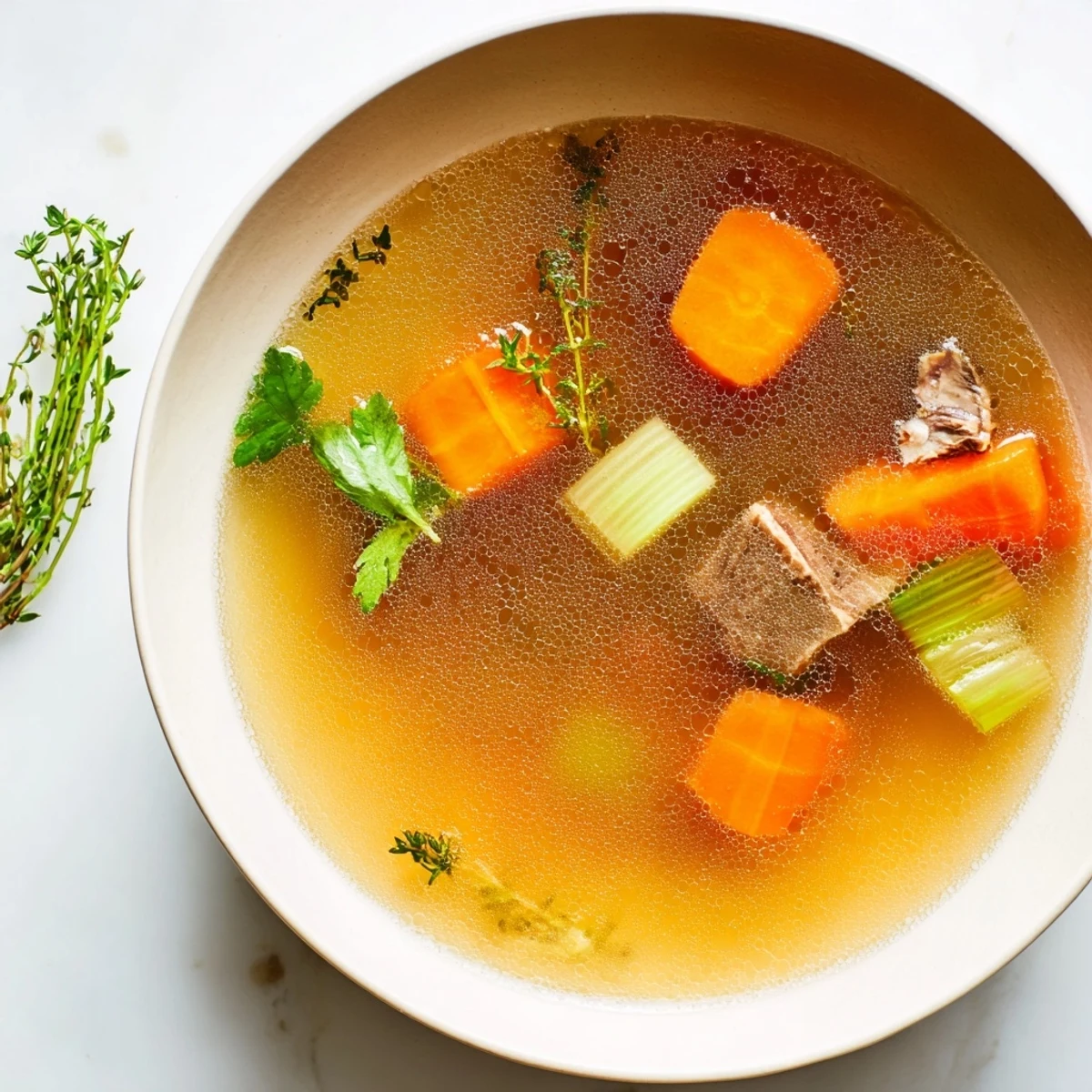
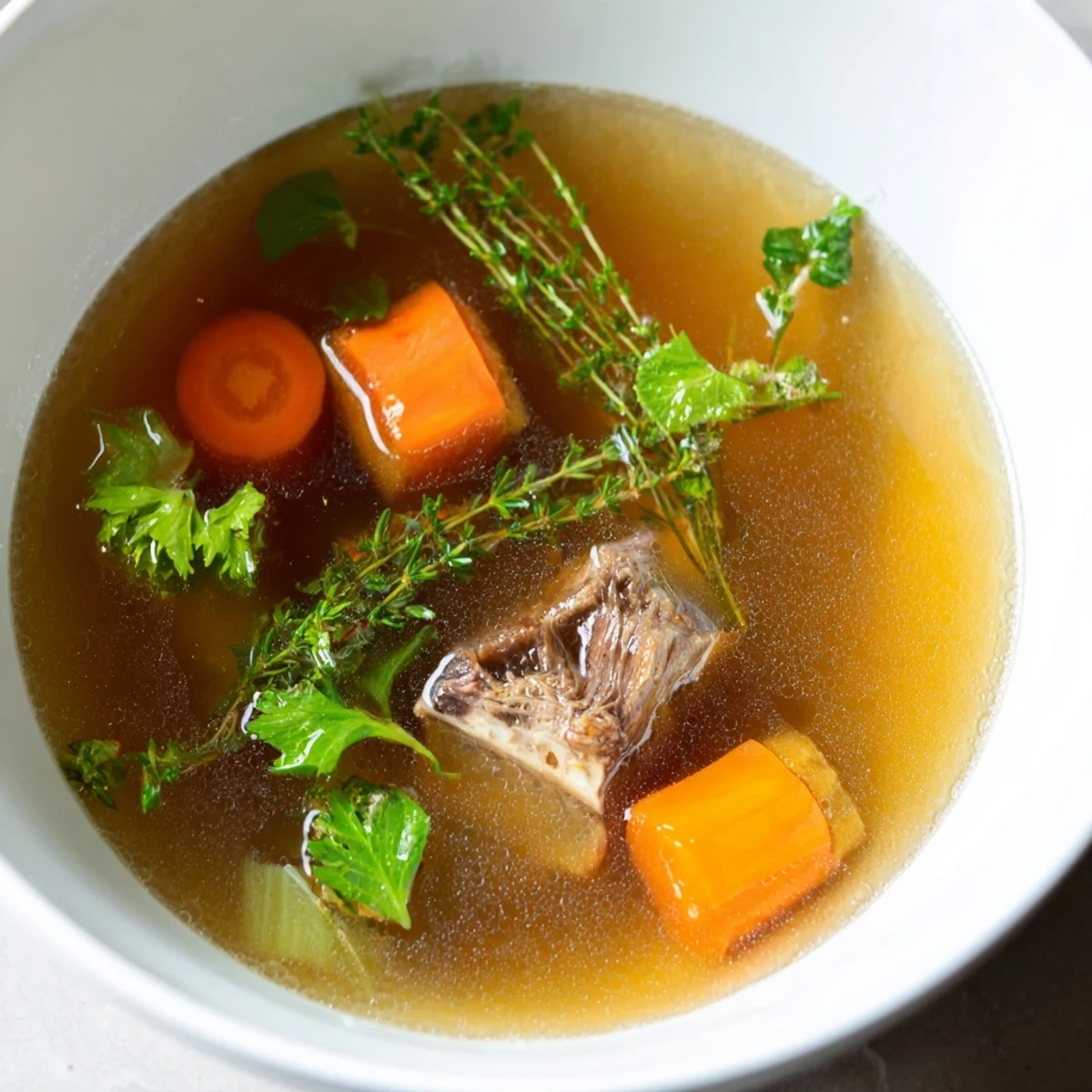
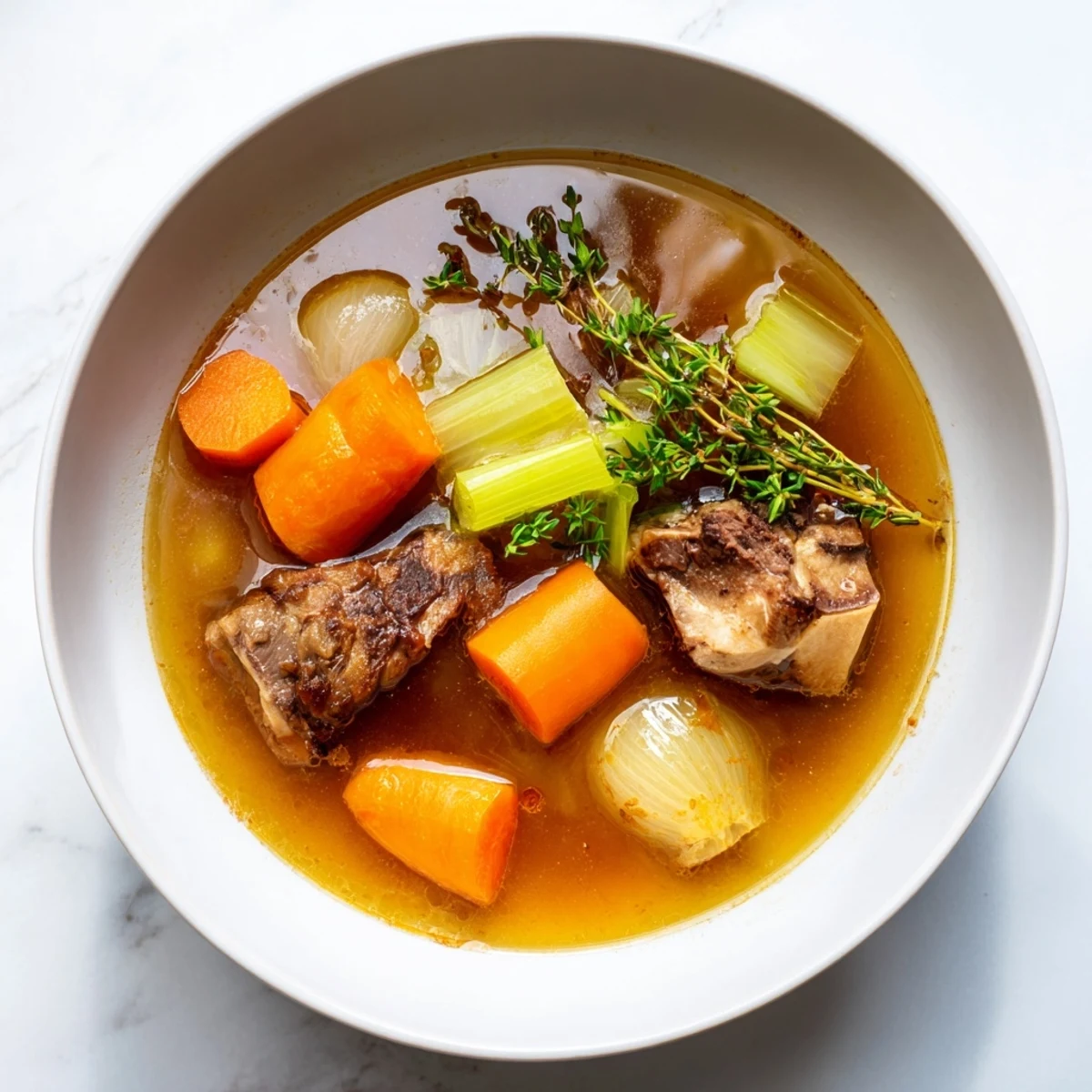
 This rich beef broth is crafted by slowly simmering beef shank or bones with aromatic vegetables including carrots, celery, onion, leek, and garlic. Enhanced by bay leaves, thyme, parsley, and black peppercorns, it develops deep, comforting flavors ideal for sipping or as a base for various dishes. The gentle simmering and periodic skimming ensure a clear and flavorful liquid perfect for gluten- and dairy-free needs. Roasting bones beforehand adds an extra layer of depth, while optional root vegetables can introduce subtle sweetness.
The broth requires three hours of gentle simmering, during which impurities are skimmed off to clarify the flavor. Once strained, it can be consumed hot or stored refrigerated or frozen, making it a versatile staple in the kitchen. This nourishing broth emphasizes natural ingredients and slow cooking for maximum taste and comfort.
There's something almost meditative about watching a pot of beef broth simmer on the stove, especially on a quiet afternoon when the kitchen fills with that deep, savory steam. I learned to make this years ago when a friend insisted that real broth couldn't come from a box, and stubborn as I was, I decided to prove them right. The first time I tasted the results, strained and golden, something clicked—this wasn't just a base ingredient, it was liquid comfort in a bowl. Now I make it whenever I need to slow down and remember that the best flavors take time.
I remember making this broth for my grandmother's birthday dinner, filling the house with that unmistakable aroma hours before guests arrived. She walked into the kitchen, paused, and didn't say a word—just stood there breathing it in. That's when I realized broth isn't just food; it's the smell of being cared for, the promise that something good is coming.
Ingredients
- Beef shank or beef bones with marrow, 800 g: The bones are where the magic lives—that marrow renders into the broth, giving it body and richness that no shortcut can replicate.
- Carrots, 2 large, peeled and chunked: They sweeten the broth naturally and add color; don't peel them too thin or you'll lose texture.
- Celery stalks, 2, chunked: Celery is the quiet backbone of any good broth, adding depth that you won't quite be able to name but will definitely taste.
- Onion, 1 large, quartered: Leave the skin on if it's clean—it adds color and minerals to the liquid.
- Garlic cloves, 2, smashed: Smashing them releases more flavor than mincing; don't skip this small step.
- Leek, 1, cleaned and sliced (white and light green parts): The mild onion flavor of leek rounds out the vegetable profile beautifully.
- Bay leaves, 2: Bay is essential; it ties everything together with a subtle herbal note.
- Black peppercorns, 8: Whole peppercorns stay suspended and infuse without overwhelming; count them out, it matters.
- Fresh thyme sprigs, 2 (or 1 tsp dried): Fresh thyme is worth seeking out here—it perfumes the entire pot.
- Fresh parsley bunch, 1 small: Parsley is traditional and adds a gentle freshness that complements the deep beef flavor.
- Salt, 1 tsp: Start conservatively and taste before adding more; as the broth reduces, salt concentrates.
- Cold water, 2.5 liters: Always start with cold water so the meat releases its flavors slowly into the liquid.
Instructions
- Rinse and start:
- Run the beef bones under cold water to remove any surface debris, then place them in your stockpot. This small rinse keeps the broth cleaner and clearer.
- Build the flavor base:
- Add all your vegetables, bay leaves, peppercorns, thyme, parsley, and salt to the pot with the beef. Don't skip layering—arrange them so everything is exposed to the heat.
- Add water and submerge:
- Pour in the cold water until everything is covered by about an inch. The cold start is crucial because it allows the proteins to gently release into the liquid rather than seizing up.
- Bring to a gentle boil:
- Raise the heat to medium-high and watch the pot carefully. You'll see white foam beginning to rise to the surface—this is the beginning of the magic.
- Skim the surface:
- Once foam appears, use a ladle or skimming spoon to gently remove it. This step makes the difference between a cloudy broth and a clear, beautiful one. Don't rush this part.
- Reduce to a low simmer:
- Lower the heat so the broth barely trembles. The surface should move gently, almost imperceptibly, for the next 3 hours. A rolling boil will make the broth murky and tough.
- Let time work for you:
- Occasionally skim the surface if foam reappears, and add water if the ingredients become exposed. The kitchen will smell increasingly incredible with each passing hour—that's how you know it's working.
- Strain and finish:
- When the 3 hours are up, carefully pour the broth through a fine mesh sieve into another pot or bowl. Discard all the solids—they've given everything they have. Taste the broth and adjust salt as needed; it should taste rich, clean, and perfectly seasoned.
 Save to Pinterest
 I made this broth on a Sunday when everything felt overwhelming, and by the time it was done, the kitchen smelled so welcoming that friends just started appearing. We ended up sharing bowls and conversation for hours, and suddenly the day didn't feel so heavy anymore. That's when I understood: this broth is an invitation to slow down together.
Roasting for Deeper Flavor
If you want a darker, more intensely beefy broth, roast your bones first. Arrange them on a baking tray, set the oven to 220°C (425°F), and roast for about 30 minutes until they're deeply browned. This extra step caramelizes the surface, adding a richer note that transforms the final broth from simple to sophisticated.
Variations That Work
Once you've mastered the basic broth, small additions open new possibilities. A parsnip or turnip adds subtle sweetness; a splash of tomato paste adds savory depth; a strip of kombu or dried mushroom adds umami that makes everything taste more itself. The beauty of a good broth is that it's flexible enough to adapt to whatever direction you're heading.
Storage and Second Life
Cooled broth keeps in the refrigerator for up to 4 days, and it freezes beautifully for up to 3 months—I pour mine into ice cube trays so I can grab just what I need. For a fat-free version, chill the broth overnight; the fat will solidify on top and you can lift it away cleanly. This broth becomes the foundation for risottos, stews, and soups that taste like they took hours to make, even on a weeknight.
- Freeze in ice cube trays for easy portioning into future dishes.
- Chill overnight to separate and remove fat if you prefer a lighter broth.
- Label and date your frozen broth so you remember when it was made.
 Save to Pinterest
 This broth represents something simple and true—that real flavor comes from respecting ingredients and giving them time. Serve it hot in a bowl as a meditation, or let it be the backbone of something bigger.
Recipe Questions & Answers
- → What cut of beef is best for a rich broth?
-
Beef shank or marrow bones are ideal as they release collagen and flavor during long simmering.
- → How do aromatics enhance the flavor?
-
Vegetables like carrots, celery, onion, garlic, and herbs infuse the broth with balanced sweetness and herbal notes.
- → Can I roast the bones before simmering?
-
Yes, roasting bones at 220°C (425°F) for 30 minutes deepens the broth's flavor and hue.
- → How should impurities be handled during cooking?
-
Skim off foam and scum that rise to the surface to keep the broth clear and pure tasting.
- → What is the best way to store the broth?
-
Once cooled, refrigerate for up to 4 days or freeze up to 3 months to maintain freshness.
- → How can I make the broth fat-free?
-
After cooling, remove solidified fat from the surface before reheating to reduce fat content.