
 Save to Pinterest
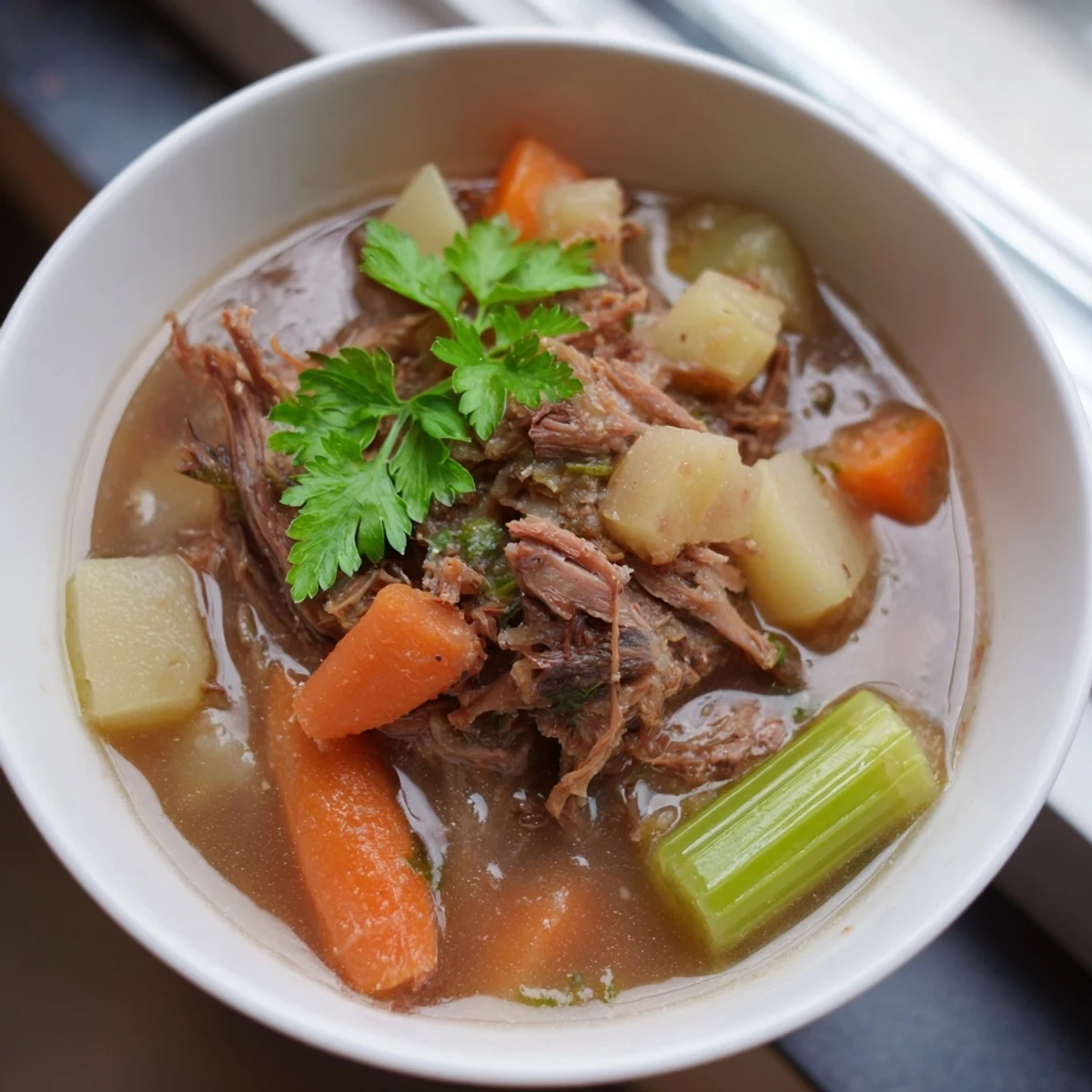
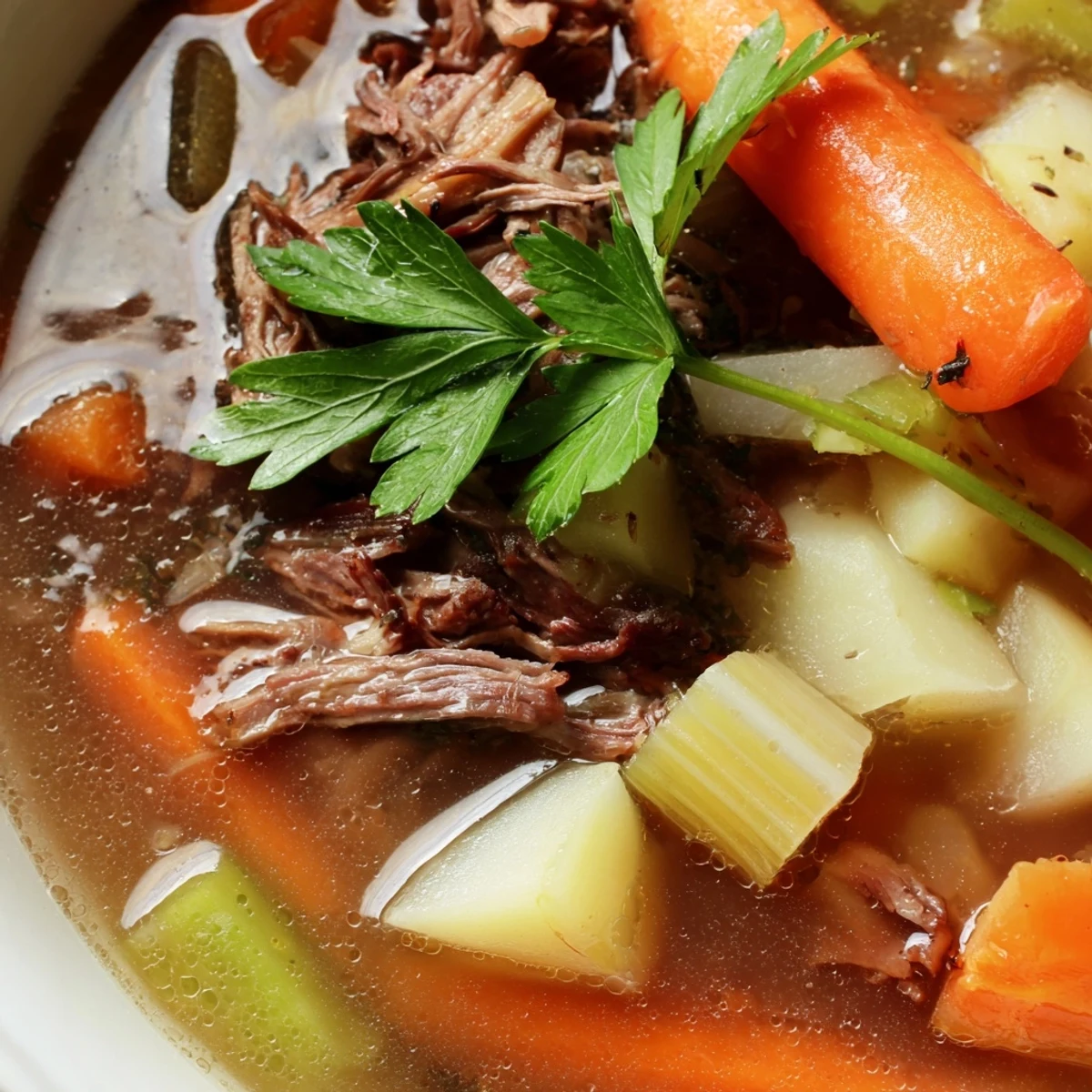
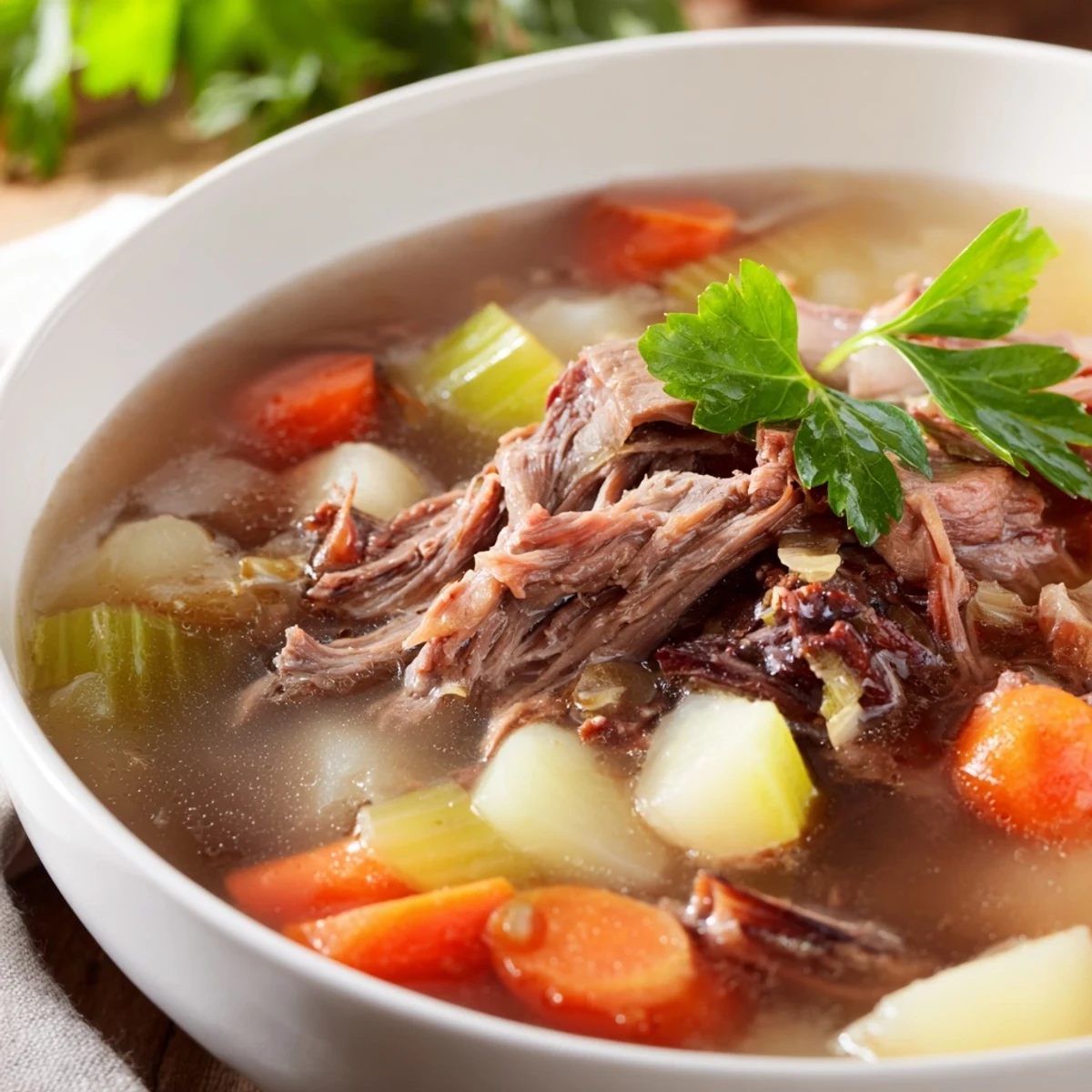
 This nourishing beef broth is gently simmered with a selection of fresh vegetables including carrots, celery, potatoes, and onions. Aromatic herbs such as thyme, parsley, and bay leaves enhance the rich flavors, creating a comforting dish perfect for chilly days. The broth can be enjoyed on its own or used as a base for other preparations. Cooking involves slowly boiling beef shank or bones to extract deep taste while skimming impurities for clarity. Serve warm and garnish with extra parsley for added freshness.
My grandmother kept a stockpot on the back burner like it was a living thing, always simmering with bones and vegetables that somehow turned into liquid gold. I watched her skim the foam with such care, as if she was listening to the broth tell her secrets about what it needed. One winter afternoon, I finally asked to make it myself, and she handed me a beef shank without a word—just a knowing nod. That first batch taught me that the best broths aren't rushed; they unfold slowly, filling your kitchen with a warmth that has nothing to do with the stove.
I made this broth for my partner when he came home exhausted after a long week, and something shifted in the room the moment he tasted it. He sat there quietly, bowl cradled in both hands, and said it tasted like someone cared. That's when I realized this wasn't just about combining ingredients—it was about giving someone time and attention in a bowl.
Ingredients
- Beef shank or bone-in beef soup bones (700 g): The bones release collagen and marrow that give the broth its silky body and deep flavor—don't skip this or substitute with boneless meat.
- Carrots (2 medium, peeled and sliced): They sweeten the broth naturally as they break down, adding earthiness without needing sugar.
- Celery (2 stalks, sliced): This is the quiet backbone of the flavor profile, adding subtle savory notes that make people ask what's in the pot.
- Onion (1 large, peeled and quartered): Don't peel it away—the papery skin adds color and tannins that deepen the broth.
- Potatoes (2 medium, peeled and diced): They soften the broth, making it feel substantial and nourishing without heaviness.
- Parsnip (1, peeled and sliced, optional): If you can find it, this adds a slightly sweet, nutty undertone that elevates the whole thing.
- Leek (1, cleaned and sliced, white and light green parts only): It's milder than onion but more complex, bringing a gentle allium whisper to the background.
- Garlic (3 cloves, smashed): Smashing breaks it open so it releases its flavor fully without becoming sharp or bitter.
- Bay leaves (2): They're like the anchor keeping all the flavors pointing in the same direction.
- Black peppercorns (1 tsp whole): Whole peppercorns stay mellow during the long simmer, never getting harsh.
- Fresh parsley (3 sprigs): It adds brightness at the end, a little lift that makes you feel like you're eating something alive.
- Fresh thyme or dried (2 sprigs fresh or 1 tsp dried): This herb is the voice that says home—it melds into the broth so completely you can't pick it out, just feel its presence.
- Cold water (10 cups): Cold water draws out flavors slowly, building depth rather than sealing the meat shut like hot water would.
- Salt (1½ tsp, or to taste): Add it early so it seasons evenly; you can always taste and adjust at the end.
Instructions
- Start with cold water and bones:
- Place your beef shank or bones in a large stockpot and cover with cold water. Bring it to a gentle boil over medium heat—this slow start is crucial because it allows impurities to rise gradually, making them easier to skim cleanly. You'll see foam floating on top; skim it away with a spoon until the surface runs mostly clear.
- Build the flavor foundation:
- Add all your vegetables, garlic, bay leaves, peppercorns, and herbs directly to the pot along with salt. Stir gently so everything is submerged and the flavors can mingle from the start.
- Simmer low and slow:
- Lower the heat until the broth is barely bubbling—you want small, lazy bubbles, not a rolling boil that breaks down the bones too quickly or clouds the liquid. Cover it partially and let it sit like that for two hours, giving it an occasional stir and skimming any fat or foam that continues to rise.
- Rescue the solids:
- After two hours, use a slotted spoon to remove the beef and vegetables from the pot. The meat should shred easily with a fork, and you can return it to the broth along with any vegetables you want to keep. Discard the bay leaves and herb stems.
- Taste and finish:
- This is the moment you become the boss of the broth. Taste it, and if it needs more salt, add a pinch at a time until it tastes right. Some broths taste perfect as-is; others want a final whisper of salt.
- Serve and savor:
- Pour the broth into bowls while it's hot, scatter extra parsley on top if you like, and pair it with crusty bread for dipping. The bread catches all those precious drops.
 Save to Pinterest
 There's a moment near the end of simmering when the kitchen smells so good you almost feel guilty sitting down to eat it. My neighbor once followed that smell to my door, stood in the threshold, and said she didn't even need a bowl—just breathing it in was enough. That made me understand why people have made broth the same way for thousands of years; it's comfort disguised as cooking.
Making It Your Own
This broth is a canvas, not a prison. If you have turnips in the kitchen, slice them in. If you love green beans, add them in the last twenty minutes so they stay tender. I've thrown in mushrooms, added extra garlic, or swapped thyme for oregano based on what I felt like eating that day. The bones and water are non-negotiable, but everything else bends to what you have on hand and what your body is asking for.
Storage and Smart Use
Once it cools, you can refrigerate this broth for three days or freeze it for up to two months—I pour it into ice cube trays so I have small portions ready for quick soups or to enrich other dishes. Cold broth will develop a layer of fat on top, and you can either leave it as protection against bacteria or skim it off if you prefer something lighter. Either way, this broth is an investment in future meals.
The Clarity Question
If you want a broth that's clear enough to see through, you can strain it through a fine mesh sieve or cheesecloth after simmering, catching only the liquid and leaving all the solids behind. Some people love that restaurant-quality look; others like me prefer a broth you can see the vegetables in, proof of what went into making it. There's no wrong answer—just different reasons for different days.
- Strain if you're using it as a base for delicate soups where clarity matters.
- Keep the vegetables in if you want a heartier, more rustic bowl.
- You can always strain half and keep half chunky for variety.
 Save to Pinterest
 Broth is one of those quiet things that makes every meal after it a little better, a little warmer, a little more like someone cared enough to spend the time. Make it once, and you'll understand why people have kept pots simmering since the beginning.
Recipe Questions & Answers
- → What cuts of beef are best for this broth?
-
Bone-in beef shank or soup bones are ideal as they impart rich flavor and gelatin to the broth.
- → How can I clarify the broth for a clearer result?
-
Strain the broth through a fine mesh sieve or cheesecloth after cooking to remove impurities and achieve clarity.
- → Can I add other vegetables to the broth?
-
Yes, vegetables like turnips or green beans can be added for extra flavor and variety.
- → What herbs enhance the flavor of the broth?
-
Fresh parsley, thyme, and bay leaves contribute aromatic notes that complement the beef and vegetables.
- → How long should the broth simmer?
-
Simmer gently for about 2 hours to extract full flavor from the beef and vegetables without losing clarity.