
 Save to Pinterest
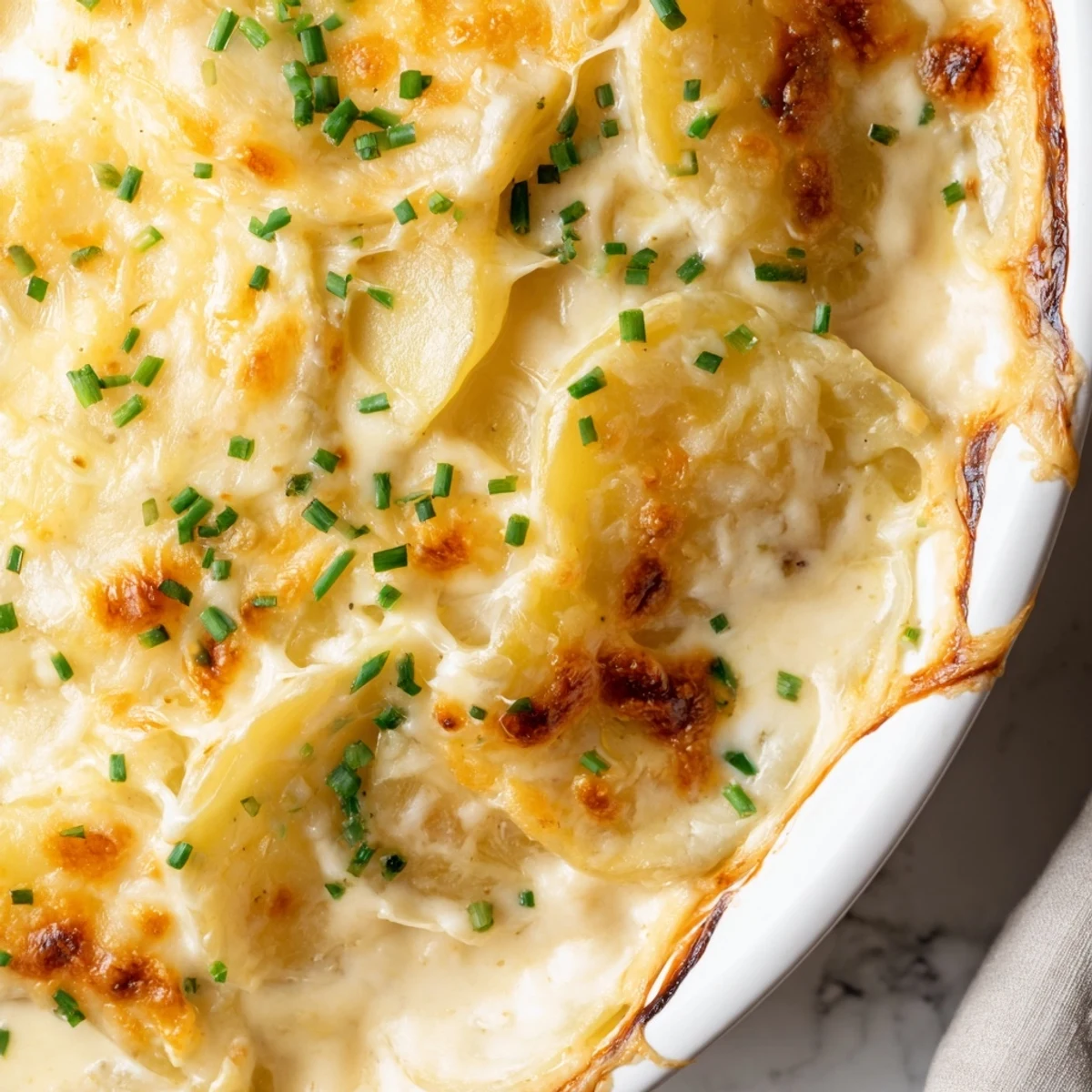
 Create this classic French-inspired gratin with thinly sliced Yukon Gold potatoes layered with Gruyère cheese and aromatics. The dish bakes in a velvety mixture of heavy cream and whole milk, developing a golden, bubbling crust that signals perfectly tender potatoes beneath.
Preparation takes just 20 minutes before an hour in the oven transforms simple ingredients into an elegant side dish. The nutty Gruyère melts through each layer while the cream reduces into a luxurious sauce that coats every potato slice. A hint of nutmeg adds subtle warmth that complements the rich dairy.
Serve alongside roast meats or as a vegetarian centerpiece with a crisp green salad. The gratin needs 10 minutes to rest before serving, allowing the sauce to set slightly for clean portions. Pair with a buttery Chardonnay to echo the creaminess of the dish.
The smell of Gruyère melting into cream brings me back to my tiny first apartment, where I made this on a Tuesday night just because I'd found beautiful Yukon Golds at the market. I remember balancing the baking dish on my stove because my counter space was basically non-existent, checking through the oven door every five minutes like watching potatoes brown would make it happen faster. That first bite, though—burnt tongue and all—made me feel like I'd properly cooked something French and fancy, even in my sweatpants.
I brought this to a friend's potluck last winter, and her dad—this guy who claims he doesn't like cheesy stuff—went back for thirds. We all stood around the baking dish with forks, picking at the edges while someone poured wine, and nobody bothered with the rest of the food until the gratin was gone. That's when I knew this wasn't just a recipe—it was the dish people actually remember.
Ingredients
- 1.5 kg Yukon Gold potatoes, peeled and thinly sliced: These hold their shape beautifully while getting that perfect tender-creamy texture, and their natural buttery flavor means you don't have to work as hard for richness
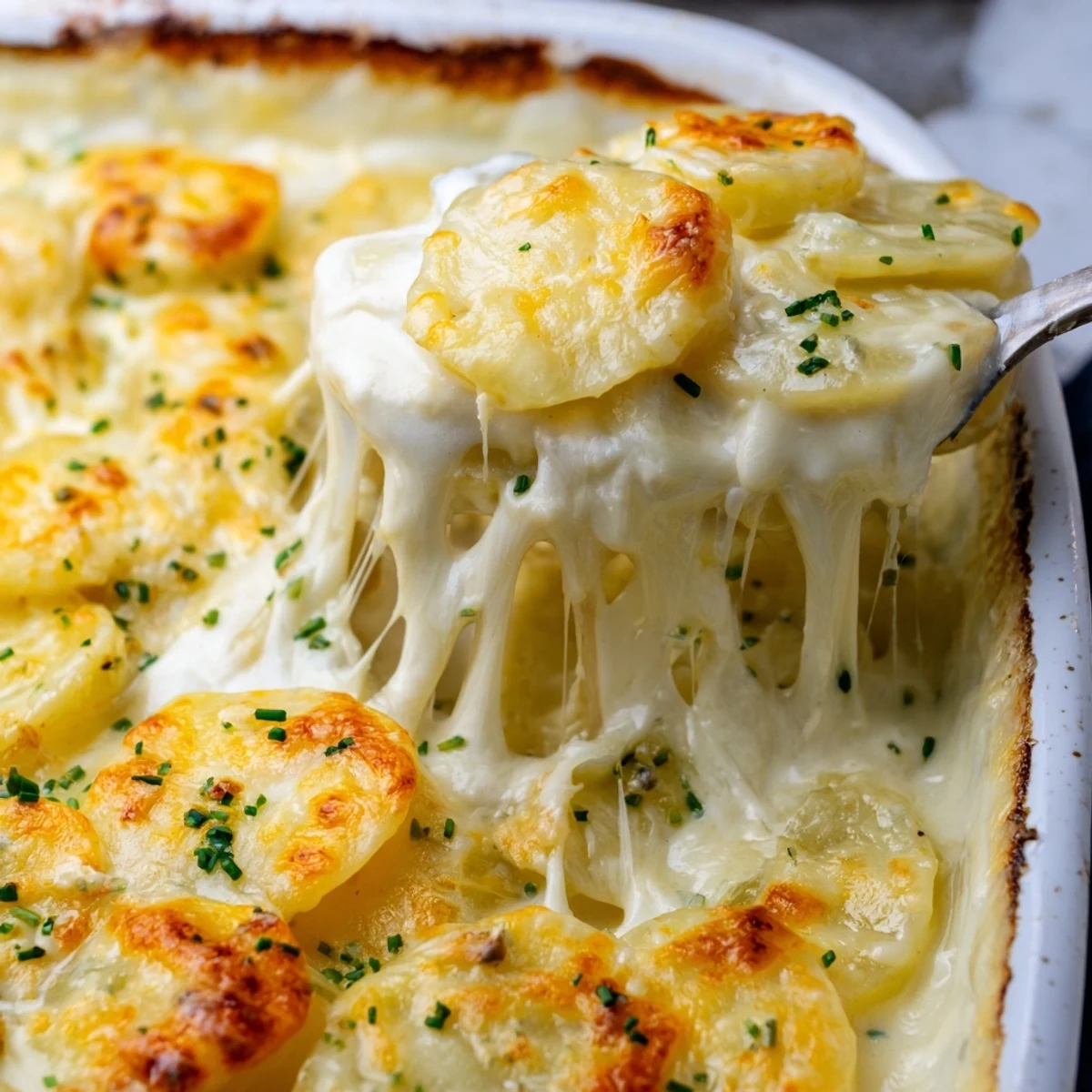
- 300 g Gruyère cheese, grated: The nutty, slightly funky flavor makes this taste like something from a French bistro, and it melts into those gorgeous cheese pulls everyone lives for
- 300 ml heavy cream and 250 ml whole milk: Using both creates the ideal consistency—enough richness from the cream but enough body from the milk so it's not overwhelmingly heavy
- 1 medium yellow onion, finely sliced: The sweetness develops as it bakes, creating these subtle savory notes that make people ask what's different about this version
- 1 tsp sea salt and 1/2 tsp black pepper: Potatoes need proper seasoning to shine, and layering the spices throughout ensures every bite is perfectly balanced
- 1/4 tsp freshly grated nutmeg: Just enough to add warmth without making it taste like dessert, this is the classic French touch that makes the cream sauce feel sophisticated
- 2 tbsp fresh chives or parsley: Fresh herbs on top cut through all that richness and add this bright pop of color that makes the dish look as good as it tastes
Instructions
- Prep your baking vessel:
- Rub that cut garlic all over the inside of your dish like you're seasoning a cast-iron skillet, then butter it generously—these are the flavor foundations that make every layer taste intentional
- Build the first layer:
- Arrange your potato slices so they overlap slightly like shingles on a roof, creating this tight weave that will hold together when you serve it later
- Season and add onion:
- Sprinkle salt, pepper, nutmeg, and those onion slices evenly—don't skip this step because unseasoned potatoes in the middle layers are the saddest thing to bite into
- Add the cheese:
- Scatter half your Gruyère so some falls between the potatoes but plenty sits on top, creating those irresistible cheese crusts everyone fights over
- Repeat and top:
- Do it all again—potatoes, onions, seasoning, cheese—but finish with extra cheese on top because the crust is the whole point of making gratin
- Make the cream mixture:
- Gently heat your cream and milk until steam starts rising but it's not bubbling, then pour it slowly so it seeps into every single layer instead of running off the top
- Add the finishing touches:
- Dot the remaining butter across the surface—these little butter pockets will melt into the cream and create those golden-brown bubbly spots
- Bake covered first:
- Cover with foil and let it cook for 40 minutes so the potatoes steam and soften in that creamy bath without the top burning
- Uncover and brown:
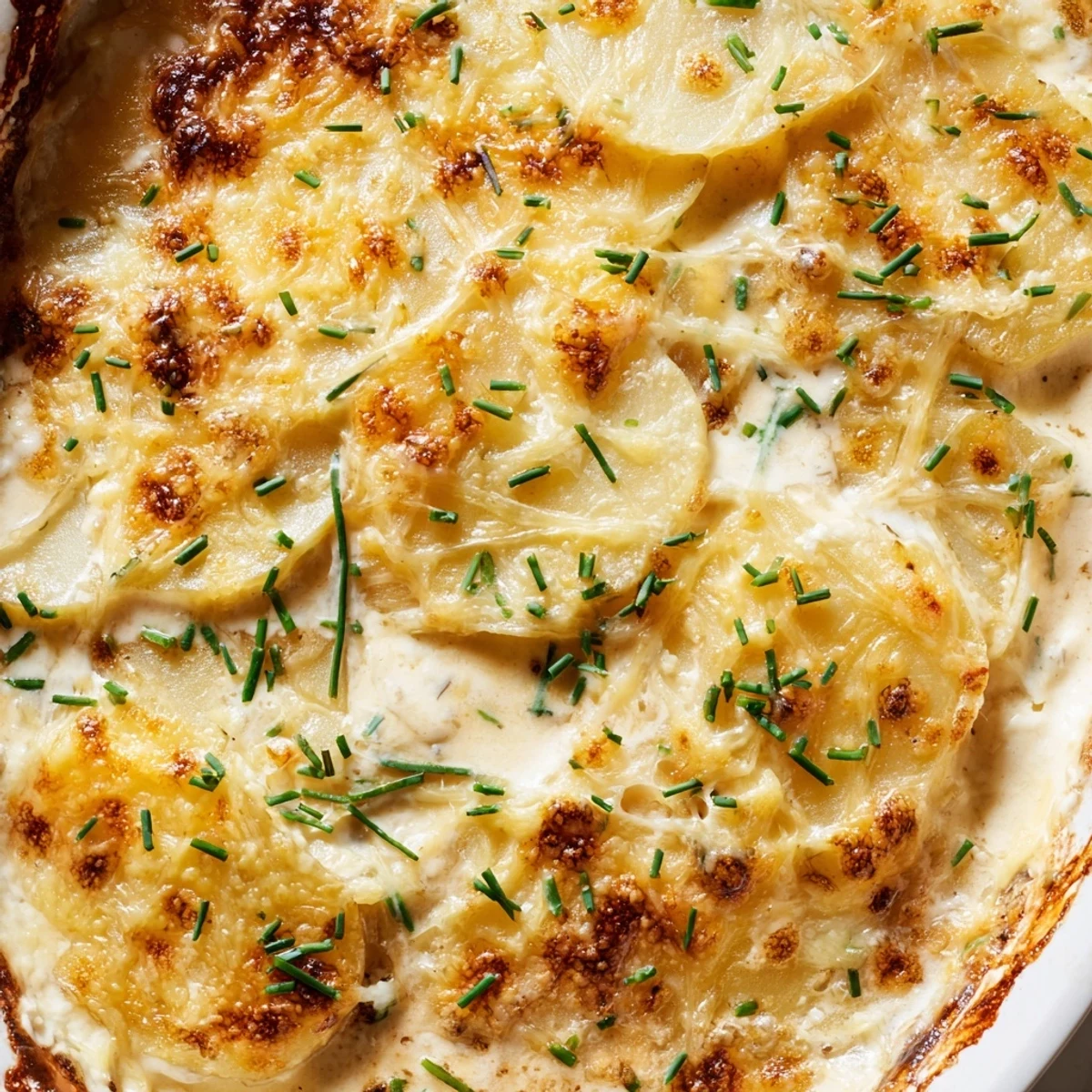
- Remove the foil and bake another 20 minutes until the cheese is deeply golden and the cream is bubbling up through the potatoes in the most gorgeous way
- Let it rest:
- Wait 10 minutes before serving, which feels impossible but lets the cream thicken slightly so each serving holds together instead of sliding all over the plate
 Save to Pinterest
 My mom called me mid-bake once asking why her gratin was always watery, and we realized she'd been pouring cold cream over raw potatoes. Now she heats the cream first and texts me pictures of her perfectly thickened sauce like she's discovered fire. Sometimes it's the smallest technical details that transform a recipe from good to absolutely stellar.
Making It Your Own
I've made this with aged Gouda when Gruyère felt too fancy for a Tuesday, and honestly, the smokiness was such a happy accident I've done it on purpose since. You could add fresh thyme sprigs between layers or slip in some minced garlic if you really love that roasted allium flavor. The technique stays solid, but the cheese and aromatics can bend toward whatever you're craving.
Timing Is Everything
The covered baking phase is non-negotiable—that's when the potatoes actually cook through in the creamy liquid instead of drying out. But that uncovered finish is equally crucial because without high heat, you'll never get that crusty cheese top that makes gratin so irresistible. Both phases matter, and skipping either one shows in the final result.
Serving And Storing
This reheats surprisingly well, covered with foil at 160°C (325°F) for about 20 minutes, though the crust won't be quite as crisp as the first day. Leftovers make an incredible breakfast topped with a fried egg—the yolk running into the potatoes is somehow even better than dinner. I never mind making extra just to have that morning treat waiting for me.
- Use a mandoline if you have one because it transforms slicing from a chore into something you can do in under five minutes
- Grate your own cheese instead of buying pre-shredded, which has anti-caking agents that prevent that smooth melting you want
- Let the dish cool for those full 10 minutes because hot cream is literally dangerous and the texture improves dramatically as it sets slightly
 Save to Pinterest
 There's something deeply satisfying about serving a dish that looks this impressive but comes from such humble ingredients. That's the magic of really good comfort food—it nourishes you in ways that have nothing to do with calories and everything to do with feeling cared for.
Recipe Questions & Answers
- → What type of potato works best for au gratin?
-
Yukon Gold potatoes are ideal because they have a naturally buttery flavor and creamy texture that holds its shape during baking. Their medium starch content prevents the dish from becoming gluey while ensuring tender results.
- → Can I prepare this gratin ahead of time?
-
Assemble the entire dish up to 24 hours in advance, cover tightly, and refrigerate. Add 10-15 minutes to the baking time if baking cold from the refrigerator. Let it come to room temperature for 30 minutes before baking for even cooking.
- → What cheeses can substitute for Gruyère?
-
Emmental offers a similar nutty profile and excellent melting qualities. Aged white cheddar provides a sharper flavor, while Comté adds a complex French Alpine taste. Avoid pre-shredded cheese which contains anti-caking agents that prevent smooth melting.
- → Why is my gratin watery?
-
Watery gratins usually result from using waxy potatoes that release too much moisture, or not baking long enough for the cream to reduce and thicken. Ensuring your cream mixture is hot when poured over the potatoes and completing the full uncovered baking time helps achieve the proper consistency.
- → How thin should I slice the potatoes?
-
Aim for slices about 1/8 inch (3mm) thick—thin enough to cook through evenly but substantial enough to maintain structure. A mandoline ensures uniform thickness, which promotes even cooking. If slicing by hand, take your time for consistency.
- → Can I add garlic to this gratin?
-
Absolutely. The recipe already calls for rubbing the dish with garlic, but you can mince 2 cloves and layer them between the potatoes for more pronounced flavor. Sautéing the minced garlic briefly in butter before layering mellows its harshness and distributes the flavor more evenly.