
 Save to Pinterest
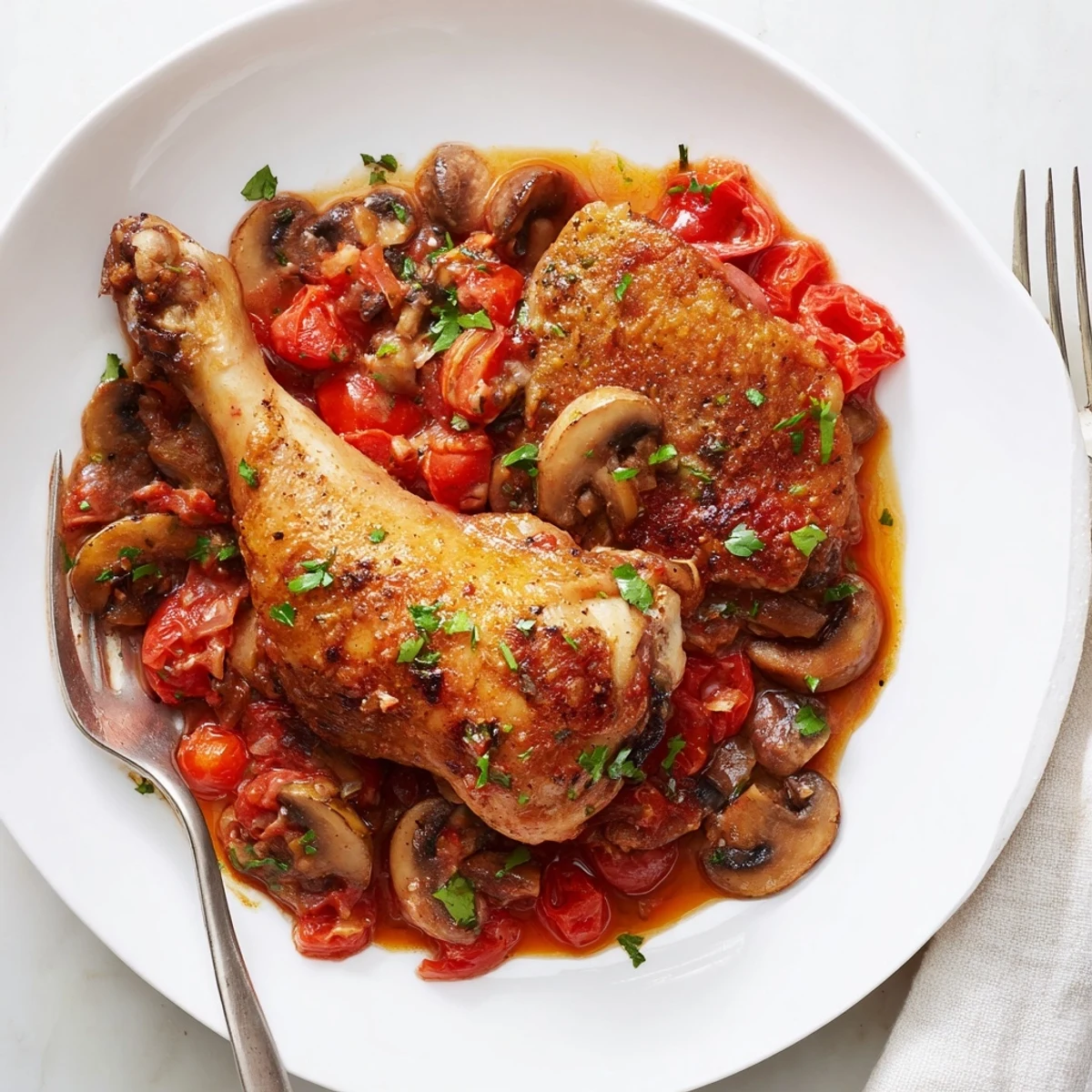
 Start by patting bone-in, skin-on chicken dry and seasoning well, then brown in olive oil until golden. Sauté onion, garlic and mushrooms, stir in tomato paste and deglaze with dry white wine, scraping up fond. Add diced tomatoes and chicken stock, return chicken to the pan, add tarragon, cover and simmer 35–40 minutes until very tender. Finish with a knob of butter for extra richness, adjust salt and pepper, and scatter parsley before serving. Serve alongside buttered noodles, rice or crusty bread; a splash of brandy deepens the flavor.
The rain was hammering against the kitchen window the evening I decided to tackle Chicken Chasseur for the first time, mostly because I had a bottle of white wine that had been opened too long and a pound of mushrooms threatening to turn. Something about browning chicken while a storm rages outside feels exactly right, like the universe conspired to keep you indoors and at the stove. The smell that filled the kitchen forty minutes later, that deep herbal tomato warmth mixed with wine, made me realize why this dish has survived centuries of French home cooking. It is unapologetically rustic and all the better for it.
I served this to my neighbor Claire once when she brought over a bag of garden tomatoes she could not use. She sat at the counter dipping bread into the sauce long after the chicken was gone, and told me it reminded her of a tiny restaurant she stumbled into in Lyon years ago.
Ingredients
- Bone in, skin on chicken thighs and drumsticks: The bones keep the meat juicy during the long simmer and the skin renders fat that flavors the entire sauce.
- Button mushrooms, sliced: They soak up the wine and tomato like little sponges, do not skip them.
- Medium onion and garlic: The aromatic backbone that makes everything taste like it belongs together.
- Diced tomatoes or canned chopped tomatoes: Fresh work beautifully in summer but canned deliver more consistent depth year round.
- Dry white wine: Something you would drink, nothing sweet, and if the bottle is already open it is perfect for this.
- Chicken stock: Low sodium lets you control the salt level as the sauce reduces.
- Tomato paste: A small amount concentrates the tomato flavor without making the dish taste like pasta sauce.
- Fresh tarragon: This is the soul of Chasseur, use fresh if you can find it because dried tarragon loses its charm quickly.
- Fresh parsley: Saved for the end as a bright finishing touch.
- Olive oil: For browning the chicken and sauteing the vegetables.
- Salt and pepper: Season in layers, the chicken first, then adjust the sauce at the end.
- Unsalted butter, optional: Swirled in at the finish for a silky texture that pulls the sauce together.
Instructions
- Season and dry the chicken:
- Pat every piece thoroughly with paper towels until the surface is bone dry, then sprinkle generously with salt and pepper on all sides so the seasoning actually sticks.
- Brown the chicken:
- Heat olive oil in a large heavy skillet or Dutch oven over medium high heat until it shimmers, then lay the chicken in skin side down without crowding the pan and let it develop a deep golden crust for about five to seven minutes before flipping and browning the other sides.
- Soften the aromatics:
- Transfer the chicken to a plate and pour off all but a thin layer of fat, then add the onion and garlic to the same pan, stirring and scraping up the fond until they turn translucent and fragrant around three minutes.
- Cook the mushrooms:
- Toss in the sliced mushrooms and let them sit undisturbed for a minute before stirring, cooking until they have released their liquid and started to caramelize, about five minutes.
- Build the sauce base:
- Stir in the tomato paste and let it cook for one minute until it darkens slightly, then pour in the white wine and use your wooden spoon to scrape up every caramelized bit stuck to the bottom of the pan.
- Simmer everything together:
- Add the diced tomatoes and chicken stock, nestle the browned chicken pieces back into the skillet, drop in the tarragon, bring it to a gentle simmer, then cover and cook on low heat for thirty five to forty minutes until the chicken is fall off the bone tender.
- Finish and serve:
- If using butter, stir it in now so it melts through the sauce and gives it a glossy richness, then taste for salt and pepper and shower the whole thing with fresh parsley before bringing it to the table.
 Save to Pinterest
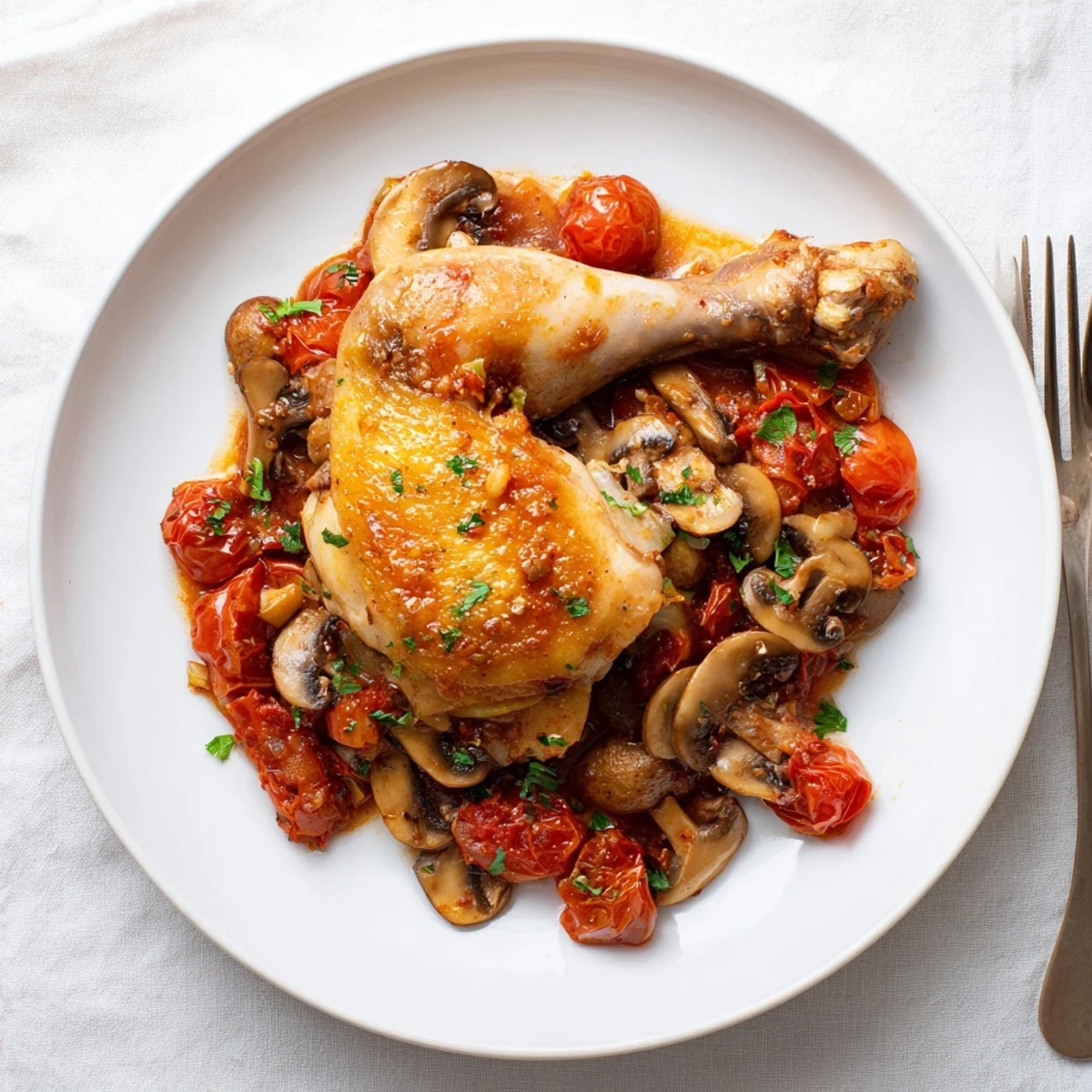
 There is something about lifting the lid after forty minutes and watching the steam curl up carrying that herby, wine laced scent that makes the whole kitchen feel like a place you never want to leave.
What to Serve Alongside
Buttered egg noodles are the classic answer and they are classic for a reason, the sauce pools in the folds of pasta like it was always meant to be there. Crusty bread works just as well if you want something to tear and dip. Steamed rice is a quieter companion but it absorbs the sauce beautifully and lets the tarragon shine.
Making It Your Own
A splash of brandy added right after the white wine gives the sauce a deeper, warmer character that feels more like a cold weather dinner. If you only have boneless thighs, they work fine but shave ten minutes off the covered simmering time so the meat does not dry out. A handful of olives or a strip of orange peel tossed in with the tomatoes can quietly shift the whole dish toward Provence.
A Few Last Thoughts
Chicken Chasseur is the kind of recipe that forgives your imprecise measurements and rewards your patience with a meal that tastes like you worked far harder than you actually did. Let it rest for five minutes off the heat before serving so the sauce can settle and the chicken holds its texture.
- Leftovers improve overnight in the fridge so always make enough for seconds the next day.
- A glass of the same white wine you cooked with makes an effortless pairing.
- Remember that tarragon is strong so taste before adding extra at the end.
 Save to Pinterest
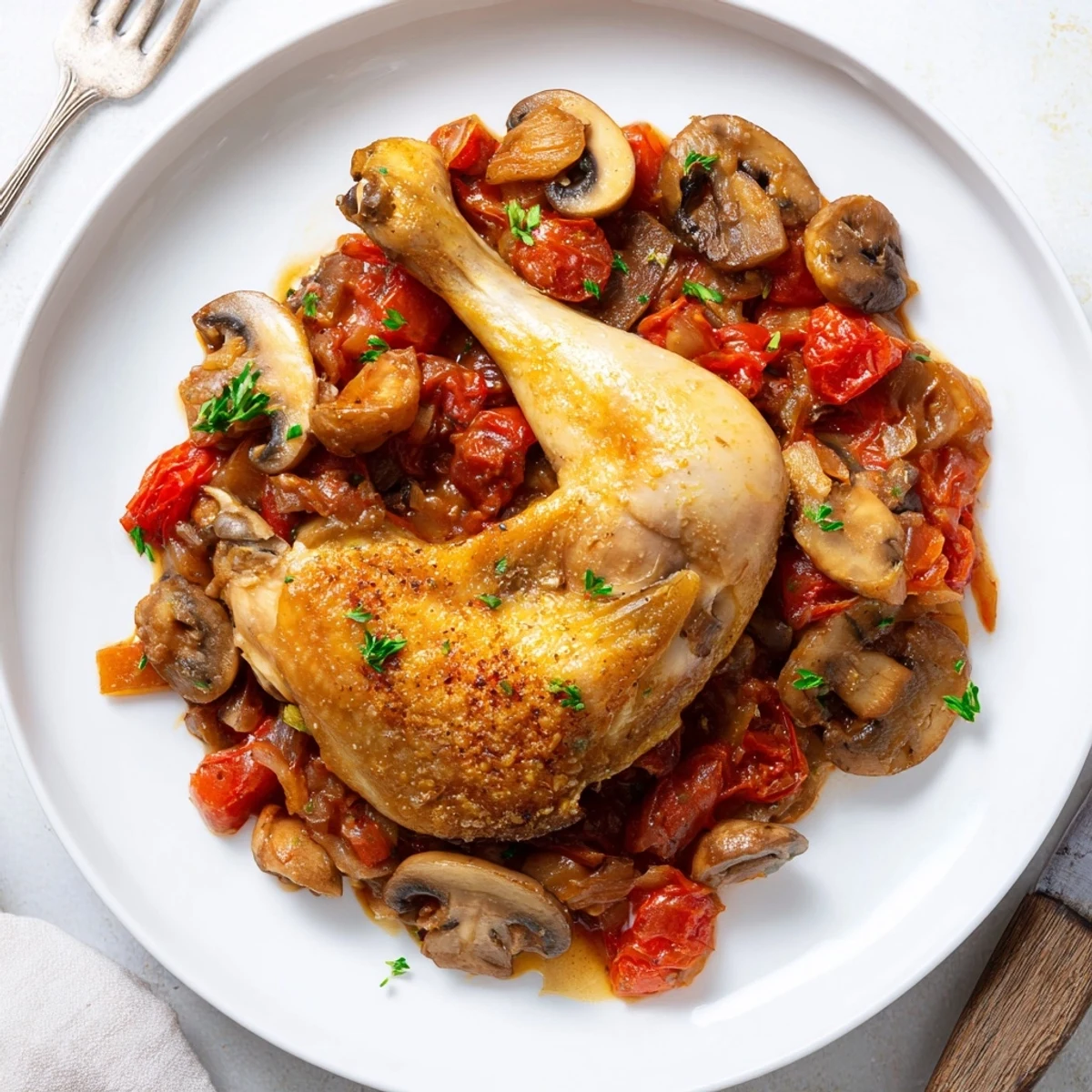
 Keep this one close for the nights when you want something warm and unhurried on the stove, it will not let you down.
Recipe Questions & Answers
- → How can I get crisp skin before simmering?
-
Pat the chicken very dry and season generously. Heat the skillet until hot, add oil, and brown skin-side down without moving for several minutes to render fat and build a golden crust before turning.
- → What can replace dry white wine?
-
Use additional chicken stock with a splash of dry sherry or a tablespoon of white wine vinegar diluted in water. Keep acidity balanced so the tomato and herbs still shine.
- → How do I thicken the sauce if it's too thin?
-
Simmer uncovered a few minutes to reduce, or stir in a small beurre manié (butter and flour paste) off the heat. A brief mash of a few tomatoes can also add body.
- → Can I use boneless chicken pieces?
-
Yes—boneless thighs work well and cook faster. Reduce simmering time and check for doneness earlier to avoid overcooking.
- → How can I deepen the flavor further?
-
Add a splash of brandy or cognac after browning and flame it briefly, or roast the mushrooms first for added umami. Longer simmering also concentrates flavors.
- → What sides pair well with this dish?
-
Buttered egg noodles, steamed rice or crusty country bread are classic choices to soak up the sauce. A simple green salad or sautéed greens balance the richness.