
 Save to Pinterest
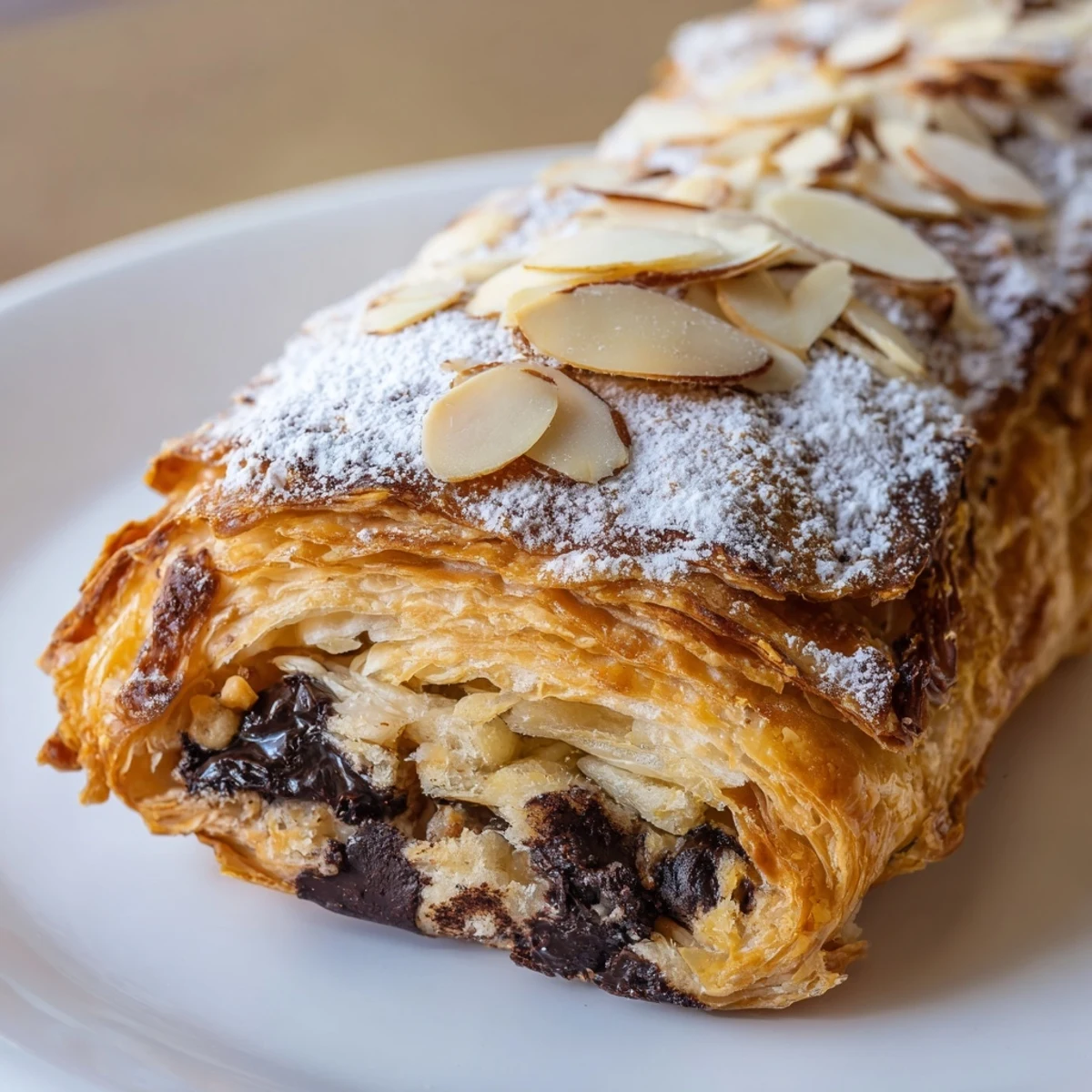
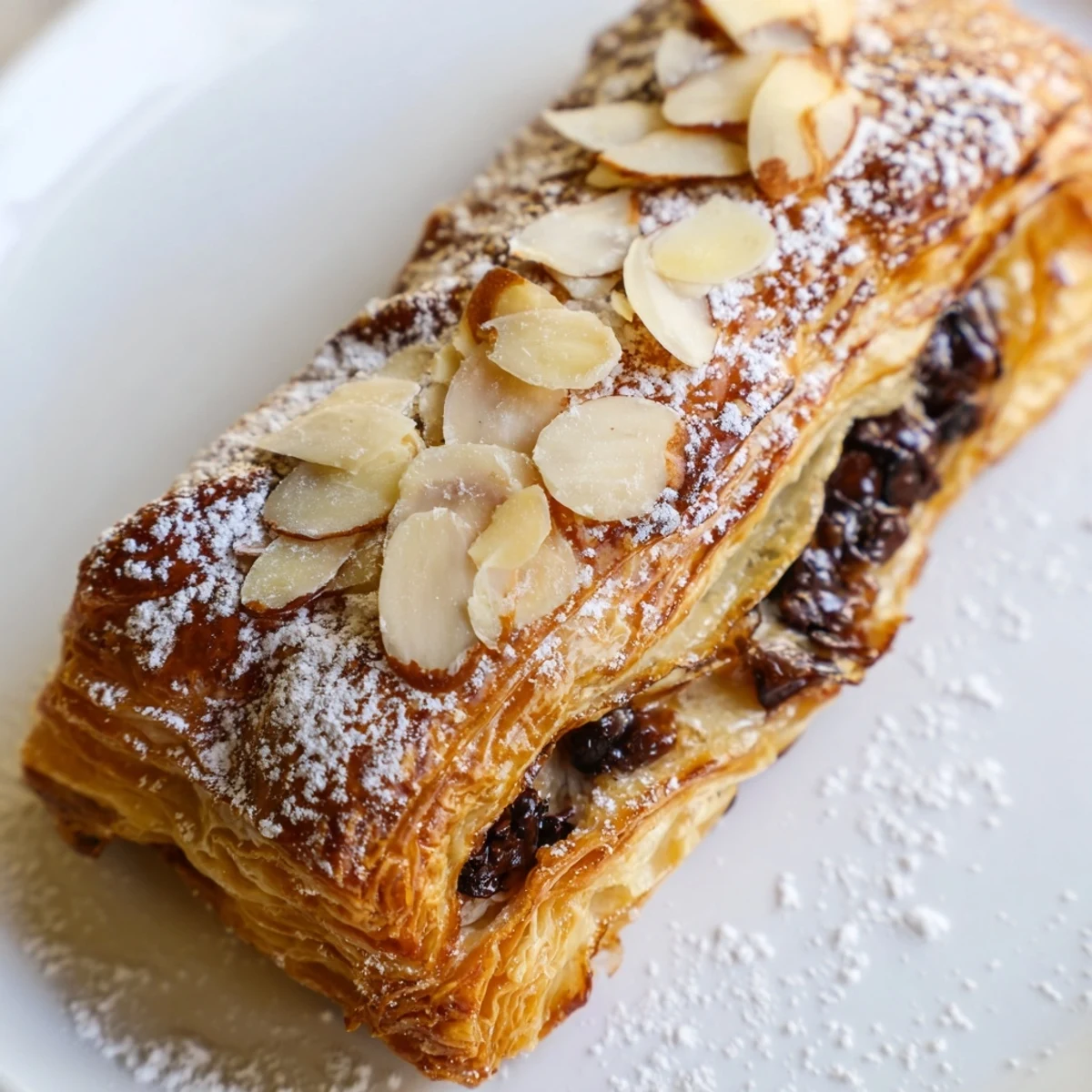
 This flaky, buttery pastry is filled with quality dark chocolate, creating a delightful balance of crisp texture and rich flavor. Rolled into individual portions and brushed with egg wash, these pastries bake to a golden finish, offering a warm, satisfying breakfast or an indulgent accompaniment to coffee. Optional almond slices and powdered sugar add a delicate touch. Simple to prepare and bringing a French-inspired charm, it's an ideal treat for morning or anytime enjoyment.
There's something about the smell of chocolate pastries emerging from the oven that stops time in a kitchen. I discovered this recipe on a gray morning when I had fancy puff pastry thawing on the counter and a craving for something that felt more like indulgence than breakfast. The simplicity of it struck me—just chocolate, butter, and a few minutes of rolling—yet it delivers that golden, flaky perfection that makes you feel like you've done something special before 9 a.m.
I made these for my roommate's birthday brunch once, and watching her bite into one and close her eyes in that way people do when they've found something genuinely good—that's when I knew this recipe was a keeper. She ate two in quick succession and barely said anything, which meant everything.
Ingredients
- 1 sheet all-butter puff pastry (about 250 g), thawed: Use the real stuff—all-butter makes an actual difference in both flavor and that shattering texture you're after.
- 100 g good-quality dark chocolate (60–70% cocoa), chopped or in batons: Don't reach for the cheap stuff; this is where the chocolate flavor lives, so choose something you'd eat straight.
- 1 egg, beaten (for egg wash): This is your golden-brown ticket—brush it on generously for that burnished, bakery-worthy finish.
- 1 tbsp powdered sugar, optional: A final dusting softens the richness and adds a delicate touch.
- 1 tbsp sliced almonds, optional: These add a subtle texture and elegance, but honestly, the pastry speaks for itself without them.
Instructions
- Get your oven ready and set up:
- Preheat to 200°C (400°F) and line a baking sheet with parchment paper—this prevents sticking and helps you actually get the pastries off cleanly.
- Roll out the pastry gently:
- On a lightly floured surface, unfold your thawed puff pastry and roll it to about 30 × 25 cm. Don't crush it; puff pastry needs its air pockets, so use light pressure.
- Cut into rectangles:
- Divide the pastry into 8 equal pieces with a sharp knife or pizza cutter—even sizing means they'll bake evenly.
- Fill and roll with intention:
- Place about 12 g of chocolate along the short end of each rectangle, then roll tightly from that end and seal the seam underneath by pressing gently. This keeps the chocolate from escaping into your oven.
- Arrange and egg wash:
- Place pastries seam-side down on the baking sheet with space between each one, then brush each one with beaten egg until they're glossy. This is what gives you that gorgeous golden color.
- Add texture if you're using it:
- Sprinkle almond slices on top if you want that little crunch, though this is purely your call.
- Bake until puffed and golden:
- Bake for 18–20 minutes—you'll know they're done when they've risen and turned a deep golden brown. The kitchen will smell absolutely incredible.
- Cool slightly and finish:
- Let them cool on a wire rack for a few minutes, then dust with powdered sugar if you're using it. Serve while still warm so the chocolate is still soft inside.
 Save to Pinterest
 There's a moment right when these come out of the oven, still puffing slightly and steaming, where you understand why people talk about French pastries with such reverence. Even on a random Tuesday in your own kitchen, they taste like a small indulgence you actually deserve.
Timing and Temperature Matter More Than You Think
The oven temperature is genuinely important here—200°C is what gives you that aggressive puff and the shatteringly crisp exterior while keeping the inside tender. Too low and they'll bake flat and dense; too high and the outside browns before the inside has time to rise. Room temperature for your workspace also helps; if everything is cold, the chocolate and butter want to stay solid instead of melding into something magical. I learned this by trial and error on a winter morning when my kitchen was freezing and my pastries came out sullen and flat.
Why Chocolate Batons Beat Chopped Chocolate
If you can find or make chocolate batons (those little rectangular sticks), use them instead of chopping chocolate yourself. They distribute more evenly in the roll, melt in a more controlled way, and honestly look intentional when you're building the pastry. Regular chopped chocolate has a way of migrating during the roll, leaving some pastries chocolate-heavy and others almost bare—a frustrating surprise until you figure out the trick. The batons stay put, and you get that consistent pocket of melting chocolate in every bite.
Serving Suggestions and Simple Variations
These are best eaten warm, when the chocolate is still soft and the butter layers are at their most tender. A pairing with café au lait or even hot chocolate feels indulgent without being over the top. If you want to experiment, swap the dark chocolate for milk chocolate for something sweeter, or brush a tiny bit of orange zest over the filling before rolling for an unexpected flavor note.
- Serve within a couple of hours of baking for the best texture, though reheating gently in a warm oven brings them back to near-perfect if you made them ahead.
- A dusting of sea salt over the powdered sugar adds a subtle complexity that makes people ask what you did differently.
- These freeze beautifully after baking—wrap them individually and reheat from frozen for a surprisingly quick treat.
 Save to Pinterest
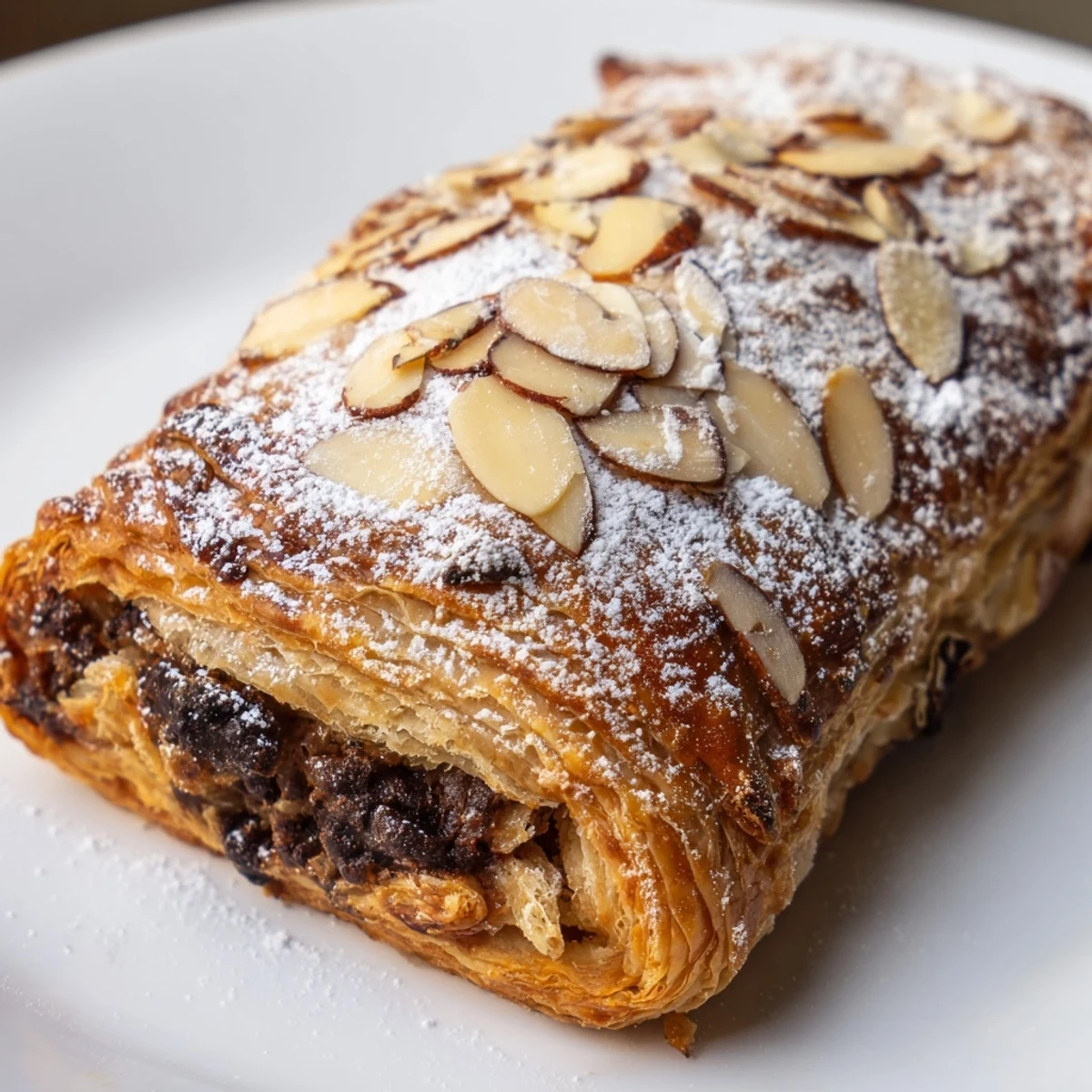
 These chocolate pastries are one of those recipes that feels fancy but never stressful, which is exactly why they've become my go-to when I want to feel like I've done something worth celebrating. They're proof that simplicity, when done with intention, is actually the hardest and most satisfying thing to get right.
Recipe Questions & Answers
- → What type of chocolate works best for this pastry?
-
Good-quality dark chocolate with 60–70% cocoa offers a rich, balanced flavor that melts perfectly inside the flaky dough.
- → Can I use a different pastry dough?
-
All-butter puff pastry is recommended for its flaky texture, but laminated dough or croissant dough can be used as alternatives.
- → How do I ensure a golden, glossy finish on the pastries?
-
Brushing the pastries with a beaten egg before baking creates a shiny, golden crust.
- → Are there flavor variations suggested?
-
Adding a touch of orange zest or swapping dark chocolate for milk chocolate provides delicious variations.
- → What is the best way to serve these pastries?
-
Serve warm with coffee, café au lait, or hot chocolate to enhance the chocolate flavor and buttery texture.
- → Can these pastries be prepared ahead of time?
-
You can assemble and refrigerate them briefly before baking to maintain freshness and ease preparation.