
 Save to Pinterest
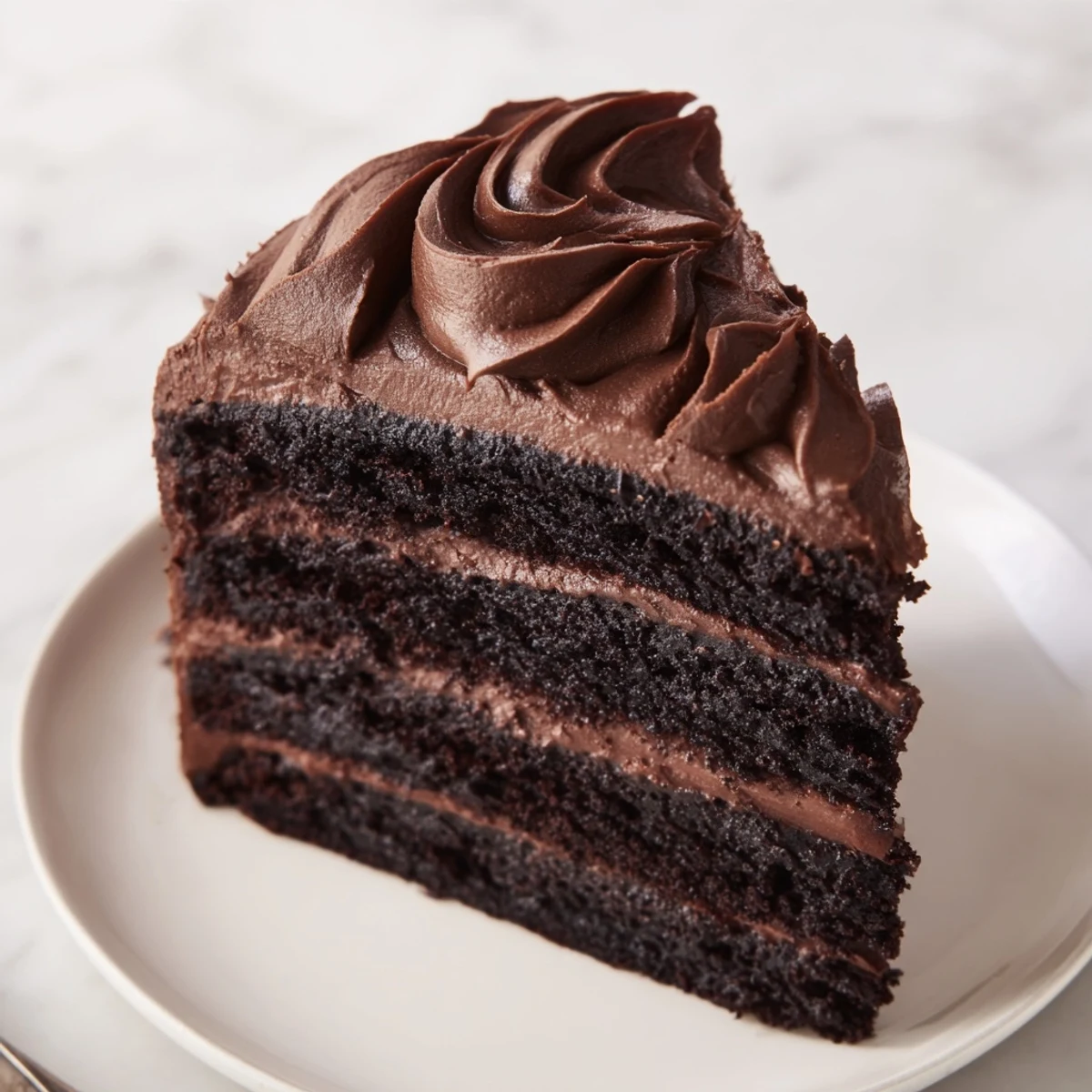
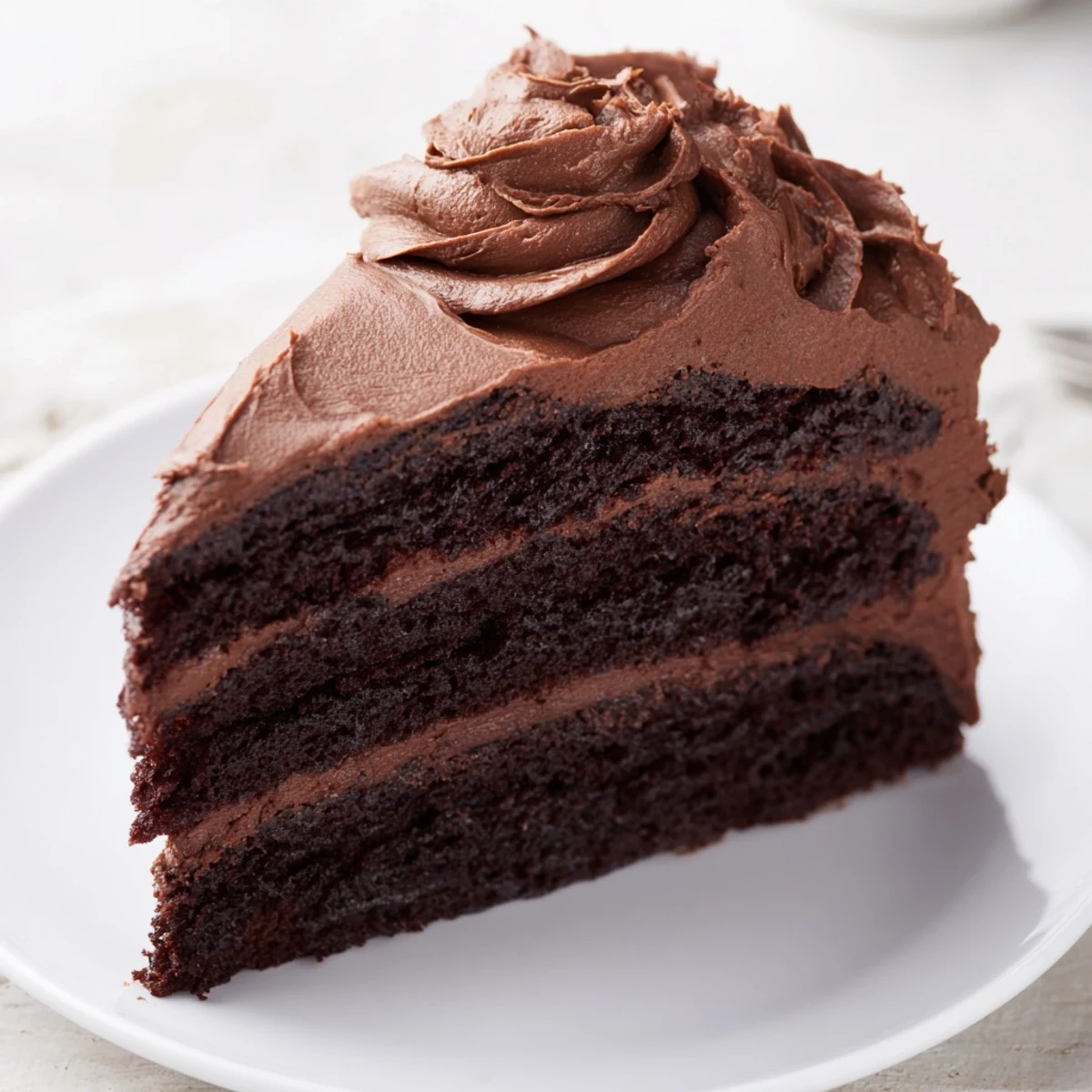
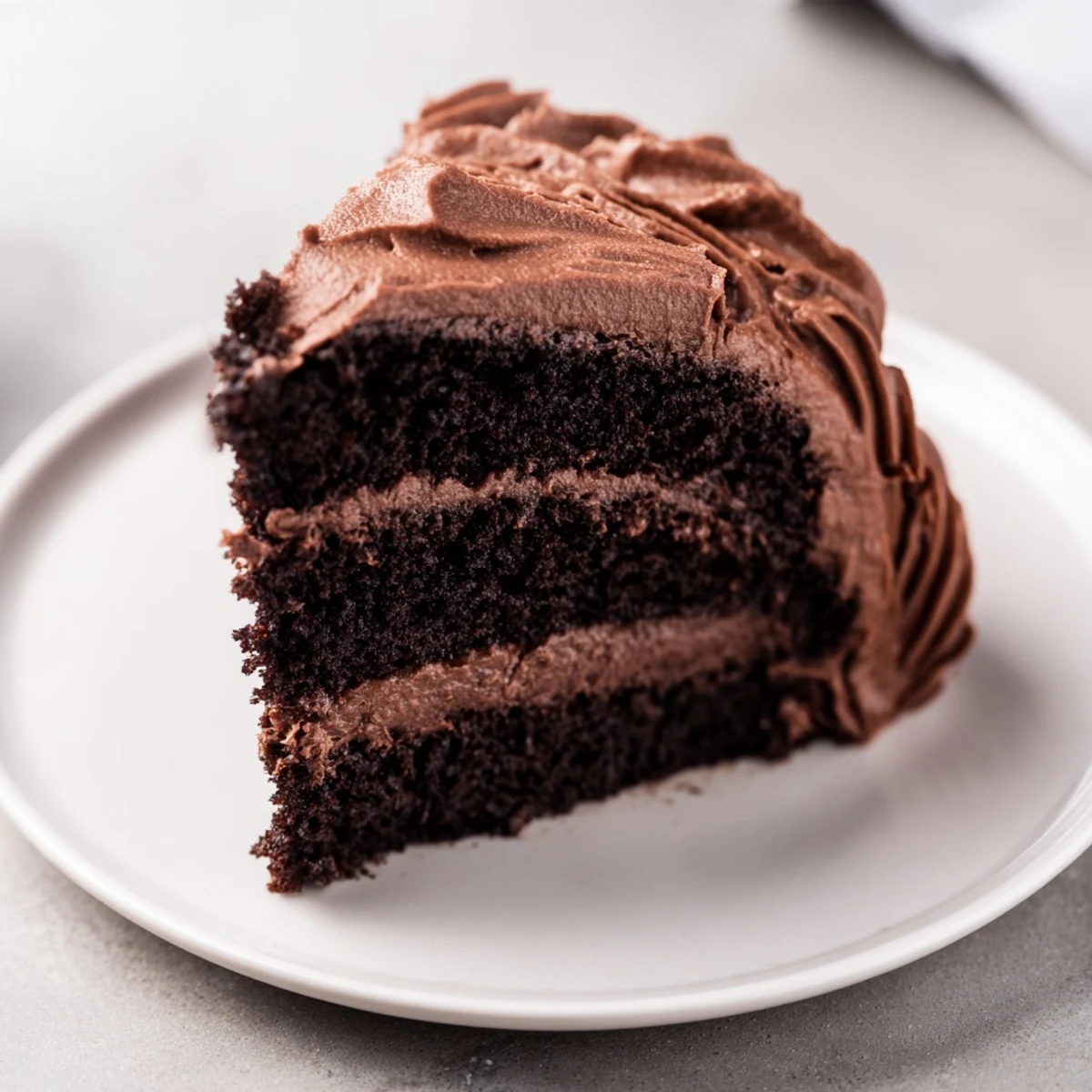
 This chocolate cake offers a deeply moist texture enhanced by rich cocoa and layered with smooth, creamy chocolate frosting. Combining simple dry and wet ingredients, it's baked to perfection, then cooled and frosted to create a decadent dessert. Ideal for gatherings or special occasions, the recipe suggests optional additions like chocolate chips for extra depth or coffee to intensify the cocoa flavor. Pair with fresh berries or vanilla ice cream for a delightful finish.
My sister called me in a panic the night before her birthday—she'd promised to bring her famous chocolate cake to the office party but forgot to bake it. I hung up and pulled out this recipe, which has saved me more than once when celebration mode hits faster than my calendar can manage. There's something about the way cocoa powder blooms in hot water that makes you feel like you're doing something magical, even if you're just following a recipe. By the time that cake came out of the oven, I knew exactly why she'd been craving it.
I'll never forget the look on my friend's face when she tasted a slice at that birthday party—she literally put her fork down mid-bite and said, 'This is the one.' It became the cake I'd get texts about for years afterward, people asking if I'd make it again for their gatherings. That's when I realized this wasn't just a good recipe; it was the kind that makes people feel celebrated just by showing up on their plate.
Ingredients
- All-purpose flour (220 g): Use fresh flour from a sealed bag—old flour can make cakes dense and flat before you even know what went wrong.
- Unsweetened cocoa powder (65 g for cake, 65 g for frosting): The quality here matters; I switched to Dutch-process and noticed the chocolate depth immediately.
- Granulated sugar (400 g): Don't skimp here—this is what gives the cake its tender crumb and dark richness.
- Baking powder and baking soda (1½ tsp each): These two together create lift and moisture; they're not interchangeable, so measure carefully.
- Eggs and whole milk: Room temperature ingredients mix smoother and create a better crumb, so pull these from the counter 30 minutes before baking.
- Vegetable oil (120 ml): Oil keeps this cake tender much longer than butter would; it's the secret to that moist texture that lasts days.
- Boiling water (240 ml): This seems counterintuitive, but it's what transforms cocoa powder into something silky and prevents a dry cake.
- Vanilla extract (2 tsp for cake, 2 tsp for frosting): Use real vanilla if you can; the flavor blooms differently than extract-only versions.
- Unsalted butter (225 g): Softened butter beats into frosting more evenly than cold butter, which means fewer lumps.
- Powdered sugar (440 g): Sift this into the frosting rather than mixing it in directly—it prevents that grainy texture that frosting can get.
- Milk for frosting (60 ml, plus more as needed): Add it gradually; you're looking for a consistency that spreads like butter, not like soup.
Instructions
- Set the stage:
- Preheat your oven to 350°F and grease those pans with butter or cooking spray, then dust them with a light coat of flour. This matters more than you'd think—it's the difference between a cake that slides out cleanly and one that comes out in pieces.
- Combine the dry team:
- Whisk together flour, cocoa powder, sugar, baking powder, baking soda, and salt in a large bowl until there are no lumps hiding in the corners. You're not mixing yet—just making sure everything is evenly distributed so the cake rises uniformly.
- Build the batter:
- Add eggs, milk, oil, and vanilla to the dry ingredients, then beat on medium speed for exactly 2 minutes until the mixture looks smooth and glossy. Two minutes matters here; it develops the gluten just enough without overworking it.
- The boiling water moment:
- Stir in that cup of boiling water—yes, the batter will look thin and soupy, and that's exactly what you want. This is where the magic happens; the hot water blooms the cocoa and creates that impossibly moist crumb you're after.
- Divide and pour:
- Split the batter evenly between your prepared pans; I use a scale to make sure both layers bake at the same rate and have the same height.
- Into the oven:
- Bake for 30 to 35 minutes, until a toothpick poked into the center comes out clean or with just a few crumbs clinging to it. The cake will still feel slightly tender in the center, but that's exactly right.
- Cool with patience:
- Let the cakes rest in their pans for 10 minutes—this keeps them from collapsing—then turn them out onto wire racks to cool completely. Frosting a warm cake is a recipe for disaster, so really wait for them to come to room temperature.
- Make the frosting:
- Beat softened butter until it's pale and creamy, then sift in powdered sugar and cocoa powder together so there are no grainy pockets. Add salt and vanilla, beat until smooth, then add milk a little at a time until the frosting is thick but spreadable.
- Assemble the layers:
- Place one cake layer on your serving plate, spread a generous amount of frosting on top, then crown it with the second layer. Frost the top and sides, making it as neat or rustic as you like.
- The finale:
- Slice with a sharp knife dipped in hot water between cuts—this gives you clean edges and perfect pieces every time.
 Save to Pinterest
 There was a moment during a dinner party when my neighbor took her first bite and immediately asked for the recipe—not for a special occasion, just because she wanted to make it on a random Thursday. That's when I realized this cake had become more than dessert; it was the kind of thing people remember and come back to, again and again.
Why This Cake Works Every Time
The science here is simple but crucial: cocoa powder and boiling water together create a base that's already rich and moist before you even mix in the other ingredients. The oil in the batter keeps it tender for days, and the combination of baking powder and baking soda creates a gentle, even rise that doesn't collapse or dome unpredictably. I've made this in different kitchens, at different altitudes, and it delivers the same deep chocolate flavor and moist crumb every single time.
The Frosting Game-Changer
I used to make chocolate frosting with more cocoa powder and less butter, and it always came out either grainy or too stiff—I couldn't spread it without tearing into the cake layers. Then I realized the ratio here, where the butter really shines, makes all the difference. The frosting stays workable while you're assembling, but sets to the perfect texture by the time you slice into it.
Variations and Moments
I've played with this recipe enough times to know where the flexibility lives. One year I added chocolate chips to the batter before baking—extra pockets of melted chocolate throughout the cake layers. Another time, I substituted strong coffee for the boiling water, and the chocolate flavor intensified so much that people asked what my secret was. The frosting takes to a tiny splash of espresso powder too, which deepens the chocolate without making it taste like coffee.
- For a richer cake, stir in a handful of chocolate chips or chocolate chunks into the batter before dividing between pans.
- Substitute the boiling water with hot brewed coffee to make the chocolate flavor more complex and sophisticated.
- A scoop of vanilla ice cream or fresh berries on the plate make this feel like an elegant dessert, while a simple glass of cold milk feels like home.
 Save to Pinterest
 This chocolate cake became my default celebration cake because it shows up the same way every time, and people never forget it. Whether it's for a birthday, an office party, or just because Tuesday deserves chocolate, it's the recipe I reach for when I want to feel like a better baker than I actually am.
Recipe Questions & Answers
- → How do I ensure the cake stays moist?
-
Use boiling water in the batter and avoid overbaking. The water helps dissolve cocoa for a tender crumb, keeping the cake moist.
- → Can I substitute any ingredients for allergies?
-
For dairy, plant-based milk and vegan butter alternatives can be used. Egg replacers may also work, but texture might vary.
- → What’s the best way to spread the frosting evenly?
-
Use an offset spatula to apply frosting smoothly, starting with a thin crumb coat before adding the final layer.
- → How do I intensify the chocolate flavor?
-
Substituting boiling water with coffee enhances the chocolate’s depth without overpowering the overall taste.
- → Can the cake be stored ahead of time?
-
Yes, refrigerate the frosted cake in an airtight container for up to 3 days. Allow it to come to room temperature before serving.