
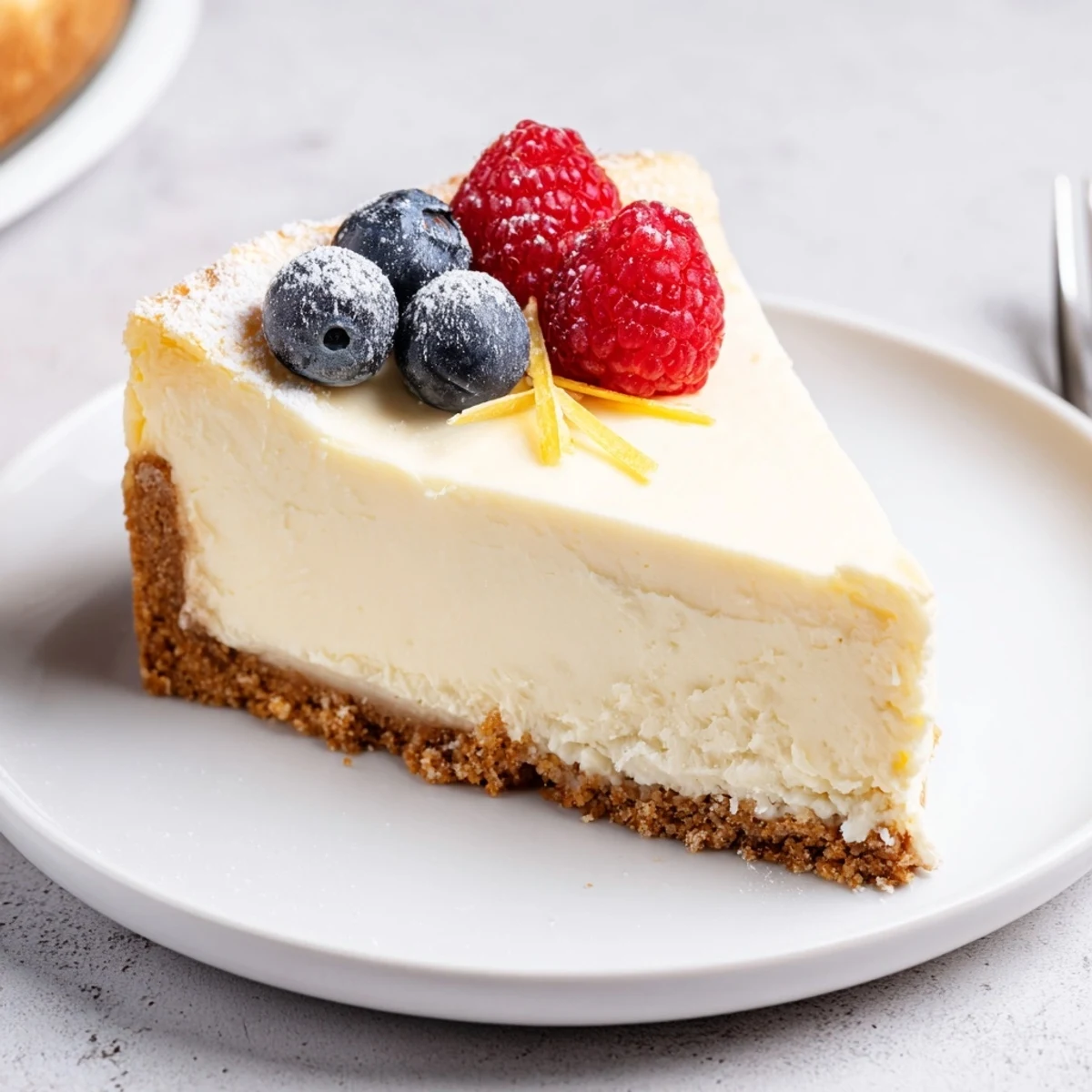
 Save to Pinterest
 This classic baked cheesecake combines a buttery graham cracker crust with a dense, velvety cream cheese filling. Beat cream cheese and sugar until smooth, add eggs one at a time, then fold in sour cream, vanilla and a touch of flour. Bake low and slow, cool in the oven with door ajar, then chill at least 4 hours for clean slices; top with sour cream and berries if desired.
The rain was hammering against the kitchen window the afternoon I decided to face my fear of cheesecake. Something about a grey Sunday demanded a project, and cracking the code on that impossible wobble in the center felt like the right kind of trouble. Five hours later, half of it spent peeking through the oven door, I pulled out something that actually looked like the ones in magazines. My roommate walked in, cut a slice before it had even properly chilled, and declared it the best thing Id ever made in that apartment.
I brought this to a potluck once and watched three people skip the main course entirely just to secure a slice. There is something about a homemade cheesecake that makes people lose their sense of proportion, and honestly I respect that energy completely.
Ingredients
- Graham cracker crumbs: Two cups gives you a thick, sturdy base that holds up against the weight of all that filling.
- Unsalted butter: Melted and mixed into the crumbs, it is the glue that turns sandy texture into something you actually want to bite into.
- Sugar: Just two tablespoons in the crust keeps it from tasting like cardboard without competing with the sweet filling.
- Cream cheese: The heart of everything, and it absolutely must be softened or you will fight lumps until you give up.
- Granulated sugar: One cup might seem like a lot but the tang of cream cheese needs it to find balance.
- Eggs: Added one at a time they bind the filling and give it that gentle, custardy set.
- Sour cream: This is what makes the texture silky instead of heavy, and a little more on top creates a beautiful finish.
- Vanilla extract: Two teaspoons in the filling and a half teaspoon in the topping rounds out all the dairy richness.
- All-purpose flour: Just a quarter cup stabilizes everything and helps prevent those dreaded surface cracks.
- Salt: A tiny pinch wakes up every other flavor in the filling.
- Powdered sugar: For the optional topping, it sweetens without adding any graininess.
Instructions
- Set up your oven and pan:
- Preheat to 160 degrees Celsius, grease your springform pan, and line the base with parchment so nothing sticks when you release it later.
- Build the crust:
- Stir the crumbs, melted butter, and sugar together until everything feels like wet sand, then press it firmly and evenly across the bottom. Bake for ten minutes until it smells toasty and golden.
- Start the filling:
- Beat the cream cheese alone first until it is completely smooth and creamy, scraping down the bowl so nothing hides in the corners. Add the sugar and blend until they are old friends.
- Add the eggs slowly:
- Drop in one egg at a time, mixing just until each one disappears into the batter, because overmixing at this stage invites air bubbles and cracks.
- Finish the batter:
- Fold in the sour cream, vanilla, flour, and salt with gentle patience, stopping the moment everything is incorporated to keep that dense, creamy texture intact.
- Assemble and bake:
- Pour the filling over the cooled crust and tap the pan on the counter a few times to coax stubborn air bubbles to the surface. Bake for fifty to sixty minutes until the edges are set but the center still has a playful jiggle.
- Cool with patience:
- Turn off the oven, crack the door open, and let the cheesecake sit inside for an hour so it cools gradually and does not shock itself into cracking. Then move it to a rack, and later into the fridge for at least four hours.
- Top and serve:
- Mix the sour cream, powdered sugar, and vanilla for the topping and spread it over the chilled cake. Slice with a hot wet knife for edges so clean people will think you bought it.
 Save to Pinterest
 One December I left a cheesecake in the back of the fridge overnight and found it the next afternoon after everyone had gone home. Sitting alone in a quiet kitchen eating cold, perfectly set cheesecake straight from the pan with a fork might be one of the most honest pleasures I know.
When Things Go Sideways
If your cheesecake cracks anyway, and honestly most of mine have at some point, the sour cream topping is your best cover story. Small cracks also disappear after chilling, so do not panic over every imperfection you see while it is still warm.
What to Serve Alongside It
A glass of Moscato dAsti and a plate of fresh berries turns a simple slice into something that feels intentional and celebratory. Strong coffee works just as well if you are serving this at the end of a long dinner and nobody has room for anything extra.
Getting Ahead of Yourself
This is the best kind of dessert to make a day ahead because the texture actually improves overnight in the fridge. Just wrap it well once it is completely cold and it will wait patiently for you.
- Freeze individual slices wrapped in foil for up to a month if you want to surprise yourself later.
- Add lemon zest to the filling if you want a brighter, more dimensional flavor without any extra effort.
- Always let it chill the full four hours at minimum, and overnight is genuinely better.
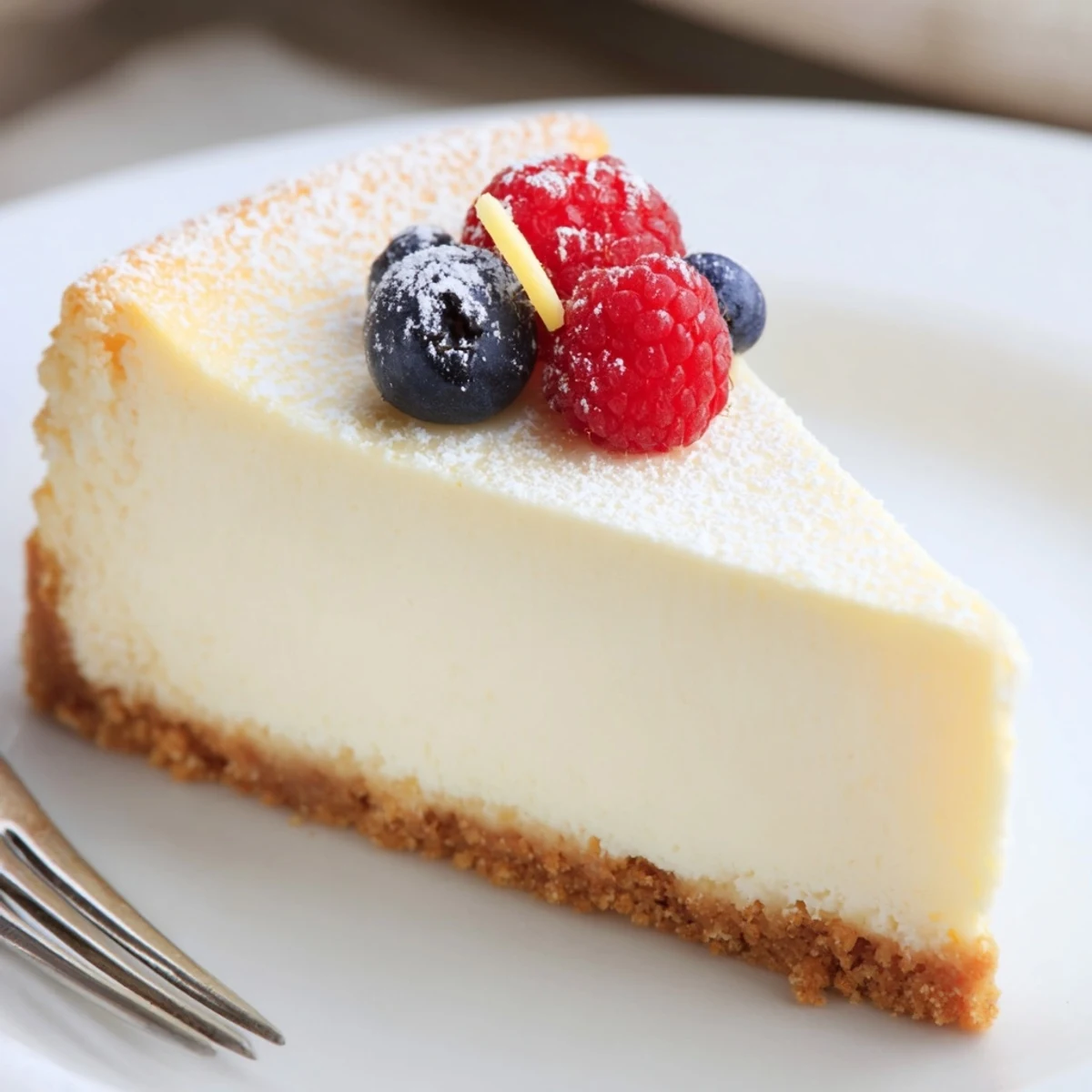 Save to Pinterest
 Some desserts are about showing off and some are about comfort, and this one somehow manages to be both. Share it with people who linger at the table long after the plates are cleared.
Recipe Questions & Answers
- → How do I prevent cracks in the top?
-
Avoid overbeating the batter and bake at a moderate temperature. A water bath or cooling the cake slowly in the oven with the door ajar helps the center settle evenly and reduces cracking.
- → Can I use a different crust?
-
Yes. Swap graham crackers for digestive biscuits, shortbread, or crushed cookies. Maintain a similar crumb-to-butter ratio, press firmly into the pan, and prebake briefly for a stable base.
- → How can I tell when the cheesecake is done?
-
The edges should be set and the center slightly jiggly when nudged. It will finish setting as it cools; avoid baking until completely firm to keep a creamy texture.
- → Why is chilling important and how long should it rest?
-
Chilling firms the filling, improves texture and flavor meld. Refrigerate for at least 4 hours, but overnight yields the best, clean slices and a dense, creamy mouthfeel.
- → What's the best way to slice clean pieces?
-
Use a hot, wet knife: dip in hot water, wipe dry, then slice. Repeat between cuts to keep edges neat and avoid dragging crumbs or tearing the filling.
- → Can I substitute sour cream in the filling or topping?
-
Greek yogurt or crème fraîche can work as substitutes but may alter tang and richness. If using yogurt, strain excess whey for a firmer result and adjust sweetness to taste.