
 Save to Pinterest
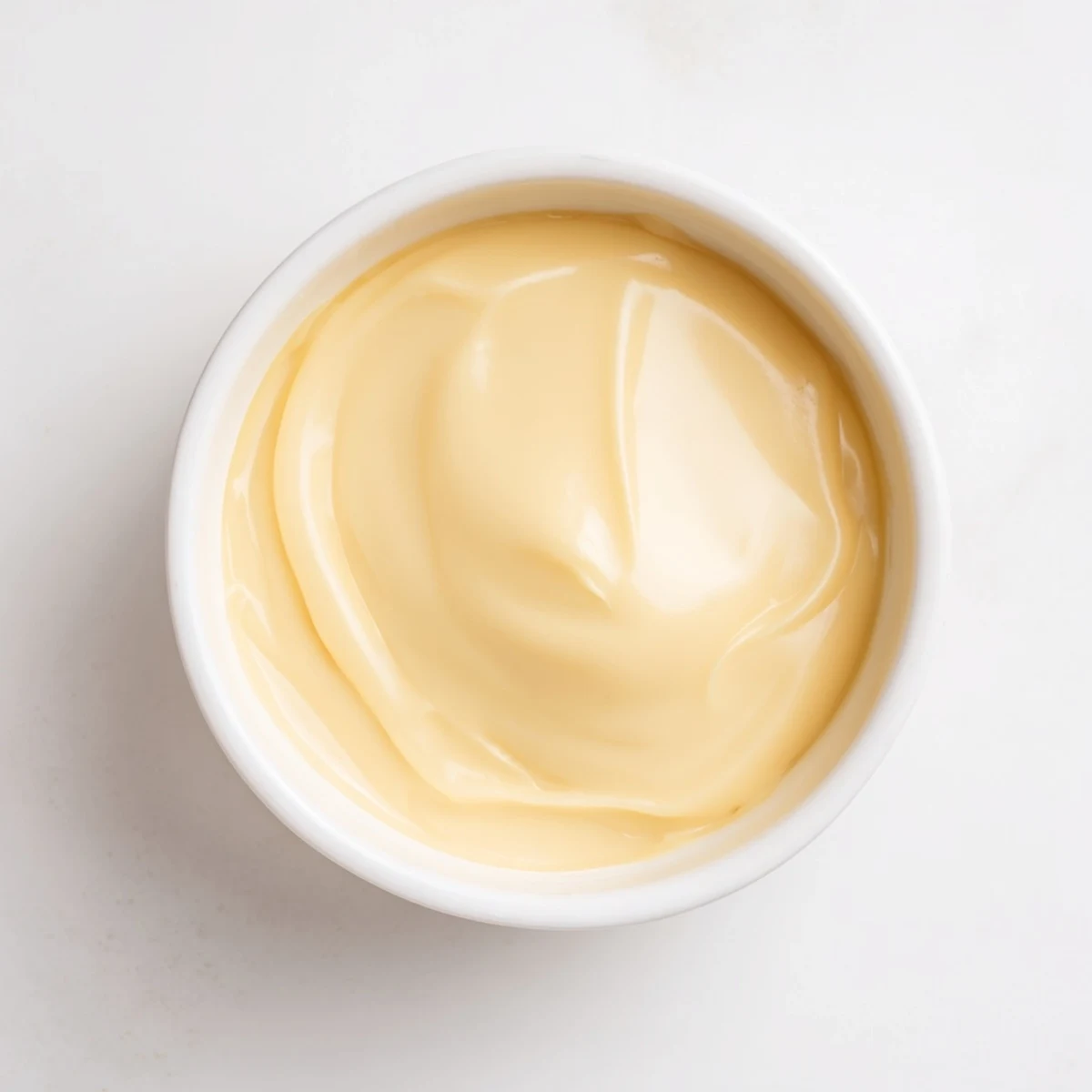
 This classic custard delivers a silky smooth texture and rich vanilla flavor through gentle heating of milk, cream, and egg yolks combined with sugar. It’s cooked slowly over low heat until thickened and strained for perfect smoothness. Enjoy it warm or chilled, paired with berries or a dusting of nutmeg for a comforting sweet treat for any occasion.
There's something magical about the moment when custard shifts from a loose mixture to something silky and thick enough to cling to a spoon. I discovered this dessert on a rainy afternoon when I was trying to impress someone with something simple but elegant, and custard became my secret weapon. One careful stir at a time, watching the steam rise and the mixture transform, I realized this wasn't just dessert—it was edible luxury that took barely thirty minutes.
The first time I served this to my sister, she took one spoonful, closed her eyes, and asked if I'd gone to culinary school. The answer was no, just patience and a wooden spoon, but that moment taught me that sometimes the simplest things done well are the ones people remember most.
Ingredients
- Whole milk (2 cups): The foundation of this custard, providing gentle flavor and body without overpowering the vanilla.
- Heavy cream (1/2 cup): This is what transforms custard from ordinary to luxurious, adding richness and a velvety mouthfeel that milk alone cannot achieve.
- Egg yolks (4 large): The thickening agent and the reason custard becomes so beautifully creamy; never skip the tempering step or you'll have scrambled eggs instead.
- Granulated sugar (1/3 cup): Sweetens and stabilizes the egg yolks, making them lighter and more forgiving when you pour in the hot cream.
- Pure vanilla extract (1 teaspoon): Use the real thing, not imitation, because this is the only flavoring and it deserves to shine.
- Salt (pinch): Balances sweetness and deepens vanilla flavor in a way you won't consciously taste but absolutely will miss if it's omitted.
Instructions
- Warm the cream and milk:
- Pour both into a medium saucepan and heat gently over medium heat, watching for small steam wisps to rise. You want it hot enough to cook the eggs but never bubbling or boiling, which would scald the custard and ruin that silky texture.
- Whisk the yolks and sugar:
- In a separate bowl, whisk the egg yolks with sugar until they lighten in color and become thick and pale, about 2 minutes. This step is crucial because it makes the yolks less likely to scramble when you add the hot cream.
- Temper the eggs:
- Here's where you must go slowly—pour the hot cream mixture into the eggs in a thin stream while whisking constantly. Think of it as coaxing rather than dumping, letting the eggs warm up gradually so they cook through without seizing.
- Cook until thick:
- Pour everything back into the saucepan and stir constantly with a wooden spoon over low heat for 8 to 10 minutes. You'll feel the custard thicken against the back of the spoon, and that's your signal to stop—one minute too long and the eggs will begin to scramble.
- Strain for silkiness:
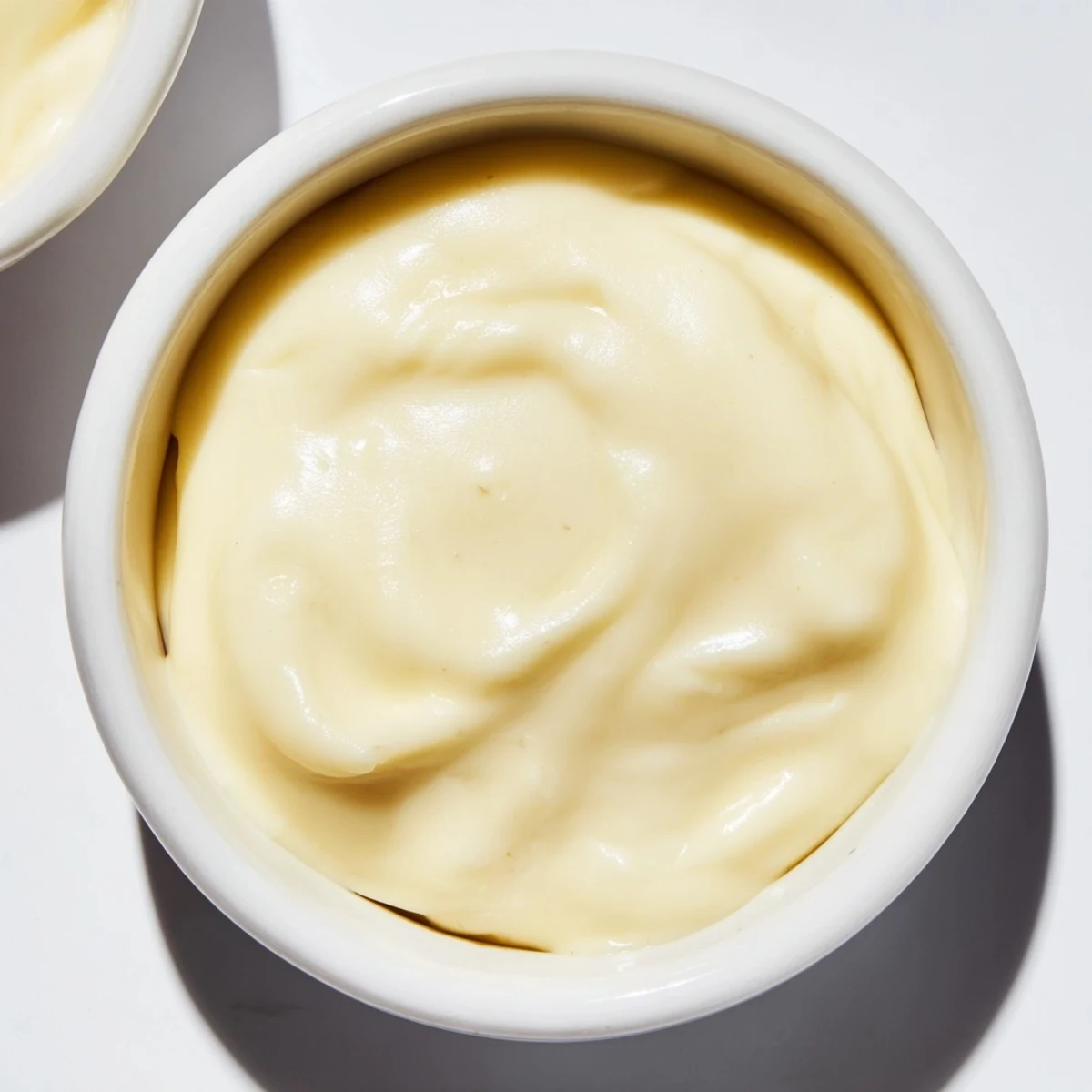
- Pour the finished custard through a fine mesh sieve into a clean bowl, pressing gently. This step removes any tiny cooked egg bits and guarantees that restaurant-quality smooth texture every single time.
 Save to Pinterest
 Years later, I still remember my grandmother tasting this custard and saying it tasted like the ones from her childhood bakery, and in that moment, I understood that cooking isn't really about following steps—it's about creating moments that feel like memory the moment someone tastes them.
Warm Versus Chilled
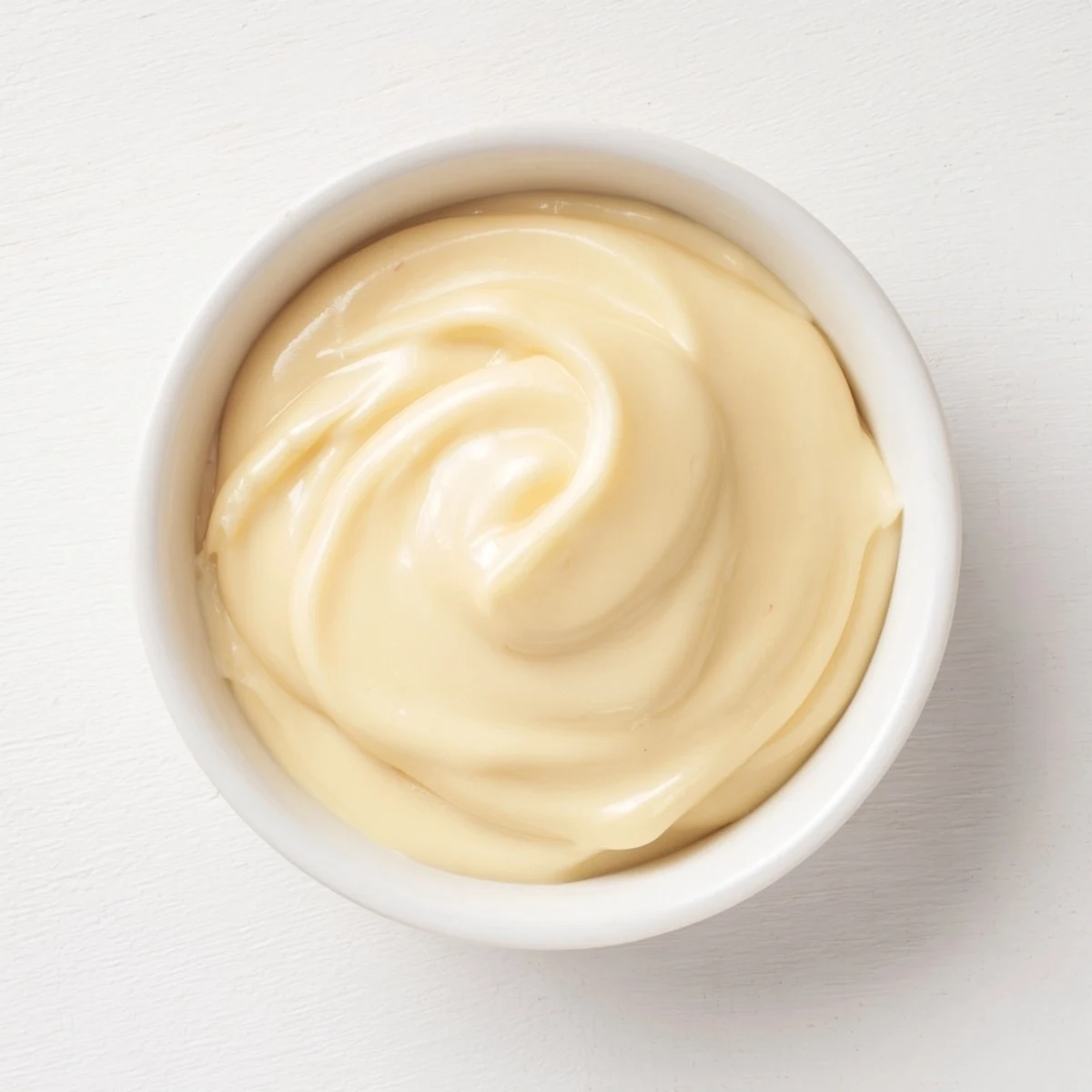
Warm custard has this comforting, almost vulnerable quality where the vanilla unfolds on your tongue and the heat carries the aroma up to your nose in the most inviting way. Chilled custard becomes denser and more decadent, almost like eating silk, and it's the better choice if you're serving it as part of a composed dessert where temperature contrast matters.
Flavor Beyond Vanilla
Once you master the basic technique, custard becomes your canvas for experimentation. A whisper of nutmeg or a scatter of lemon zest can completely rewrite the personality of the dish without demanding any change to the method.
Serving and Pairing Ideas
This custard shines brightest when you let other elements highlight it rather than overshadow it. Fresh berries add brightness, a drizzle of caramel adds depth, and crispy cookies add texture—each one changes the story the custard tells.
- Spoon it over warm apple tart or dark chocolate cake for instant elegance.
- Chill it overnight and serve with fresh raspberries and a small glass of dessert wine for dinner party gold.
- Warm it gently and drizzle with salted caramel for a moment of pure comfort.
 Save to Pinterest
 Custard teaches you patience in the kitchen and rewards it with something genuinely luxurious. Once you've made it, you'll find yourself making it again and again.
Recipe Questions & Answers
- → What is the best way to avoid curdling when making custard?
-
Whisk the hot milk mixture slowly into the egg yolks and sugar while stirring constantly to gradually raise the temperature and prevent curdling.
- → How do I know when the custard is thick enough?
-
The custard is ready when it coats the back of a spoon and leaves a clear trail when a finger is drawn across it.
- → Can I use only heavy cream instead of milk for this dish?
-
Yes, replacing milk with heavy cream results in a richer, creamier final texture.
- → What are good flavor variations to try with this custard?
-
Adding a pinch of nutmeg, lemon zest, or serving it with caramel sauce or fresh berries enhances its flavor profile.
- → How should the custard be served for best texture?
-
It can be served warm immediately or chilled for at least two hours to set, offering a smooth and luscious texture.