
 Save to Pinterest
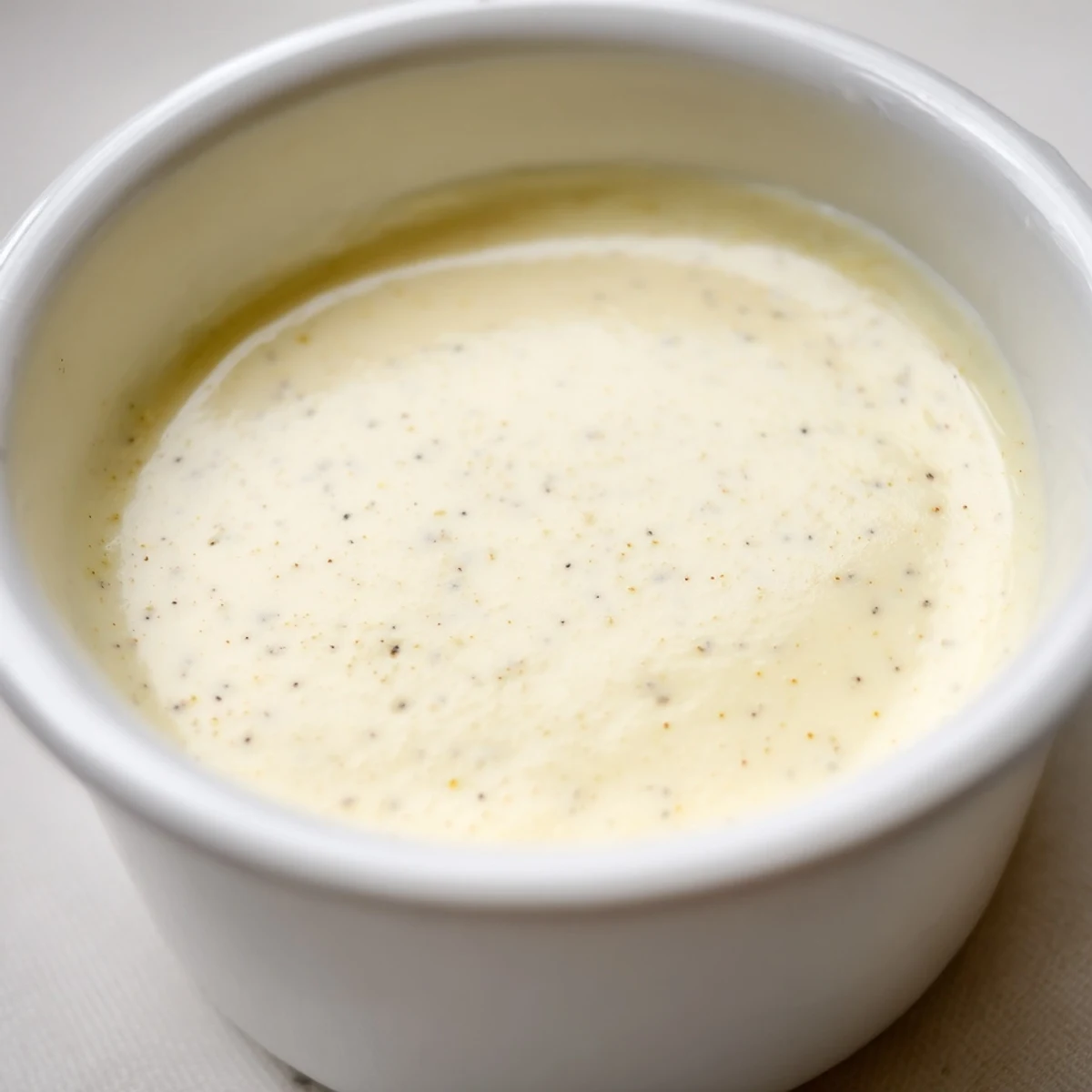
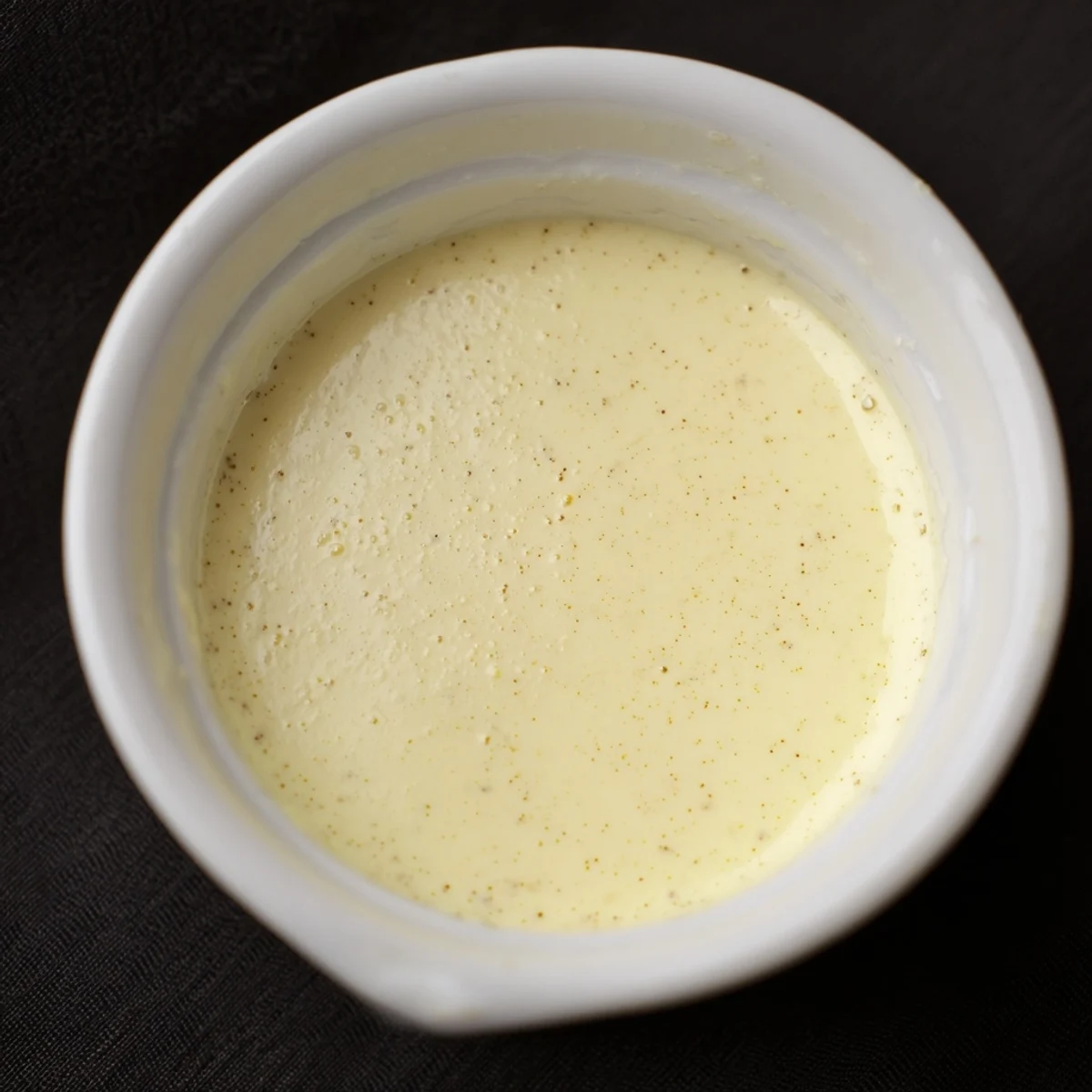
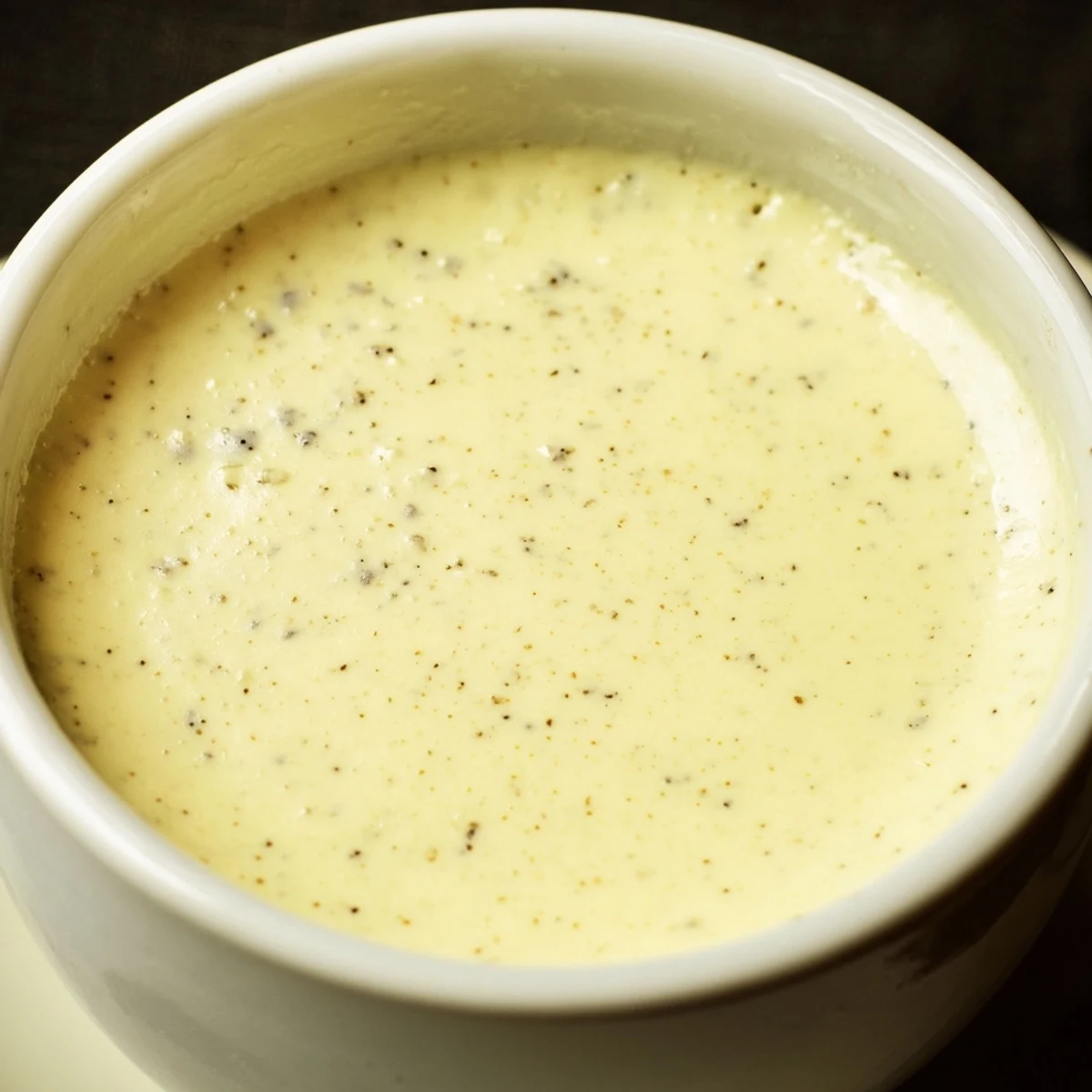
 This smooth and rich custard blends whole milk, heavy cream, and fresh vanilla for a luxuriously creamy finish. Egg yolks and sugar create a velvety texture while a gentle water bath ensures even cooking for a delicate wobble. Chill well before serving to enjoy its refined flavor, enhanced by optional citrus zest or fresh fruit toppings. Versatile and straightforward, it's a delightful classic with a creamy vanilla essence.
There's something almost meditative about watching custard set in the oven, that moment when you realize you've created something genuinely elegant with just a handful of ingredients. My first real custard was a quiet experiment on a Sunday afternoon—I'd been nervous about the temper of the eggs, but the instant I tasted that first spoonful, silky and sweet with real vanilla seeds visible in every bite, I understood why the French built entire desserts around this foundation. It's the kind of dish that feels fancy but asks almost nothing of you except patience and a gentle hand.
I made this for my partner after they'd had a rough week, and I remember how their whole face softened at that first taste—no theatrical plating, just pure custard in a ramekin with a single raspberry on top. That's when I knew this recipe wasn't just about technique; it was about the generosity of making something this delicate for someone else. Sometimes the simplest dishes carry the most weight.
Ingredients
- Whole milk: Two cups gives you the backbone of the custard, and the fat content matters more than you'd think for that velvety mouthfeel.
- Heavy cream: One cup transforms this from good into luxuriously rich, a choice that pays dividends in every spoonful.
- Egg yolks: Four large ones, and this is where you truly understand the difference between a custard and scrambled eggs—the key is patience and constant whisking.
- Granulated sugar: Half a cup sweetens without overwhelming, and whisking it with yolks until pale creates a tiny air pocket that helps the texture.
- Vanilla bean: Split it lengthwise and scrape those seeds into the milk; you'll see why extract feels lazy once you've done it this way.
- Fine sea salt: Just a pinch, but it's the secret whisper that makes everything taste more like itself.
Instructions
- Heat your custard base gently:
- Combine the milk, cream, and vanilla bean (seeds and pod) in a saucepan and warm over medium heat just until you see wisps of steam and tiny bubbles forming at the edges. Don't let it boil—you're coaxing out vanilla flavor, not curdling cream.
- Temper those precious yolks:
- Whisk your egg yolks with sugar and salt until the mixture becomes noticeably paler and slightly thickened, which takes about two or three minutes of steady whisking. This step matters more than you'd guess for achieving silky custard instead of scrambled eggs.
- Marry the two carefully:
- Remove the hot milk from heat and add it to the eggs very slowly—maybe a quarter cup at first—while whisking constantly to bring the temperature up gradually. This is the most important moment; rushing it here means starting over with new yolks.
- Strain for silk:
- Pour everything through a fine mesh sieve into a measuring cup or bowl, catching any cooked egg bits or vanilla pod pieces and leaving you with a perfectly smooth custard. This one step is what separates homemade from restaurant-quality.
- Set up your water bath nest:
- Place ramekins in a deep baking dish and pour the custard evenly into each one, then fill the outer dish with hot water until it reaches halfway up the ramekins' sides. The water bath is your insurance policy against overbaking.
- Bake with attention:
- Bake at 300°F for 30 to 35 minutes, watching for that perfect wobble in the very center—it should jiggle like set Jello, not slosh like liquid. The carryover heat will finish setting as it cools.
- Cool and chill:
- Let the ramekins rest in the water bath for a few minutes, then transfer to the counter to cool completely before covering and refrigerating for at least two hours. Cold custard is where the flavor truly comes together.
 Save to Pinterest
 I once brought this to a dinner party and someone asked for the recipe before they'd even finished eating, which told me everything. There's real power in knowing how to make something that tastes impossible but actually isn't—it shifts how people see you in the kitchen.
Why This Custard Matters
Custard is the ancestor of so much French dessert culture, and making it from scratch connects you to centuries of bakers and home cooks who understood that restraint and quality ingredients speak louder than complexity. Once you've mastered this, crème brûlée, pot de crème, and pastry cream all suddenly make sense. It's foundational knowledge that looks simple because it is—but only after you understand the science underneath.
Serving and Pairing Possibilities
Serve this naked if you trust your vanilla, or top with fresh berries, candied citrus, a scatter of toasted nuts, or a light dusting of cinnamon. I've poured warm chocolate sauce over cold custard and watched it split beautifully across the surface—there's no wrong choice, only what calls to you in the moment. The custard is the stage; everything else is just decoration.
Storage and Make-Ahead Wisdom
This custard actually improves slightly in the fridge over two or three days as flavors deepen and textures settle into ultimate silkiness. Covered ramekins take up almost no space, so it's perfect for making ahead when you're feeding guests and want to reclaim some breathing room on cooking day. You can't really freeze custard without losing the texture, so think of it as a reason to eat it within a few days—which is never actually a hardship.
- Make the custard the morning of serving for maximum flavor without any last-minute stress.
- If you're using a vanilla bean you've already used, save the pod—dry it and add to sugar for vanilla sugar that costs nothing.
- Substitute coconut milk and cream for a dairy-free version that tastes almost identical, though slightly less rich.
 Save to Pinterest
 This custard taught me that cooking doesn't need to be complicated to feel generous, and that the smallest dishes often carry the biggest moments. Make it, share it, and watch what happens.