
 Save to Pinterest
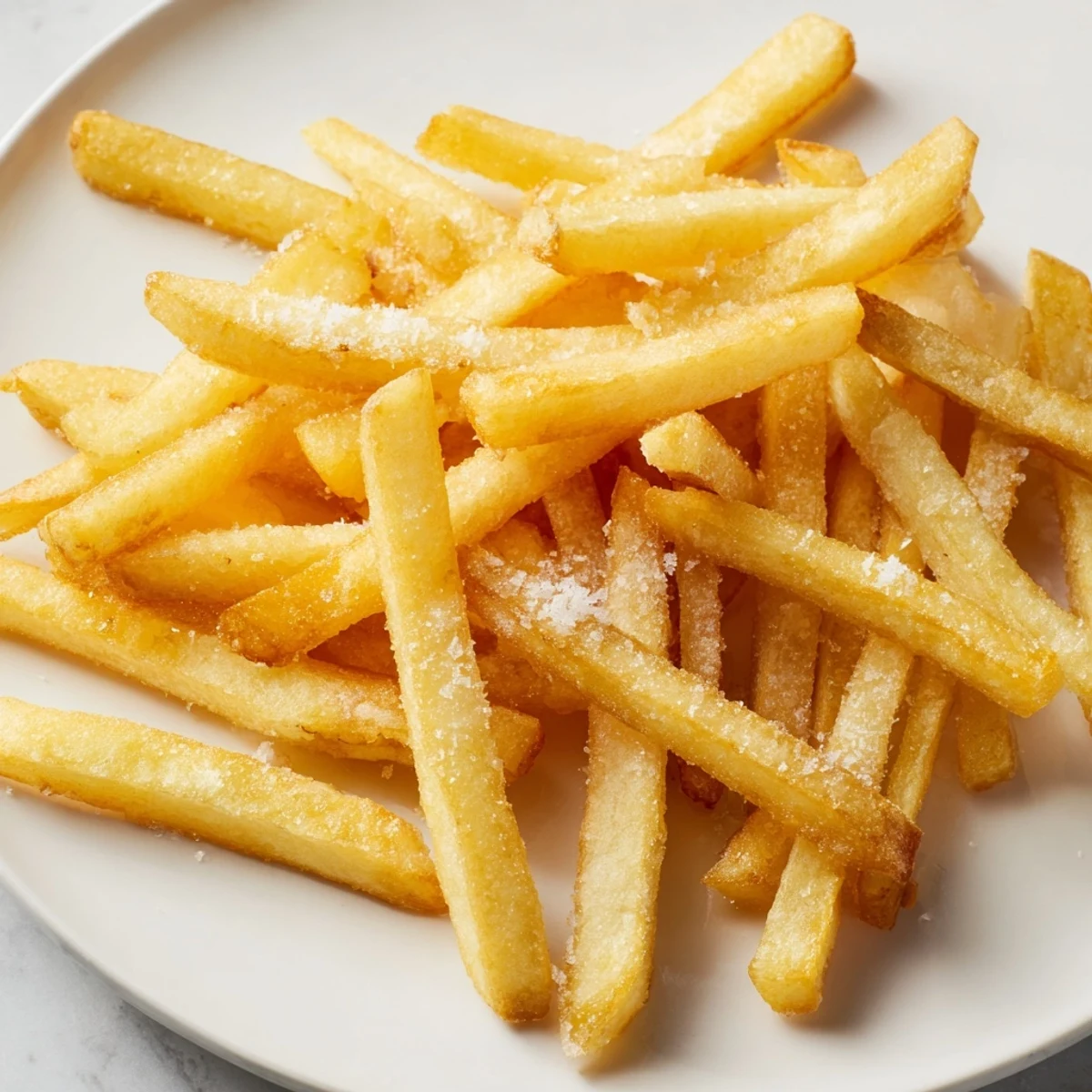
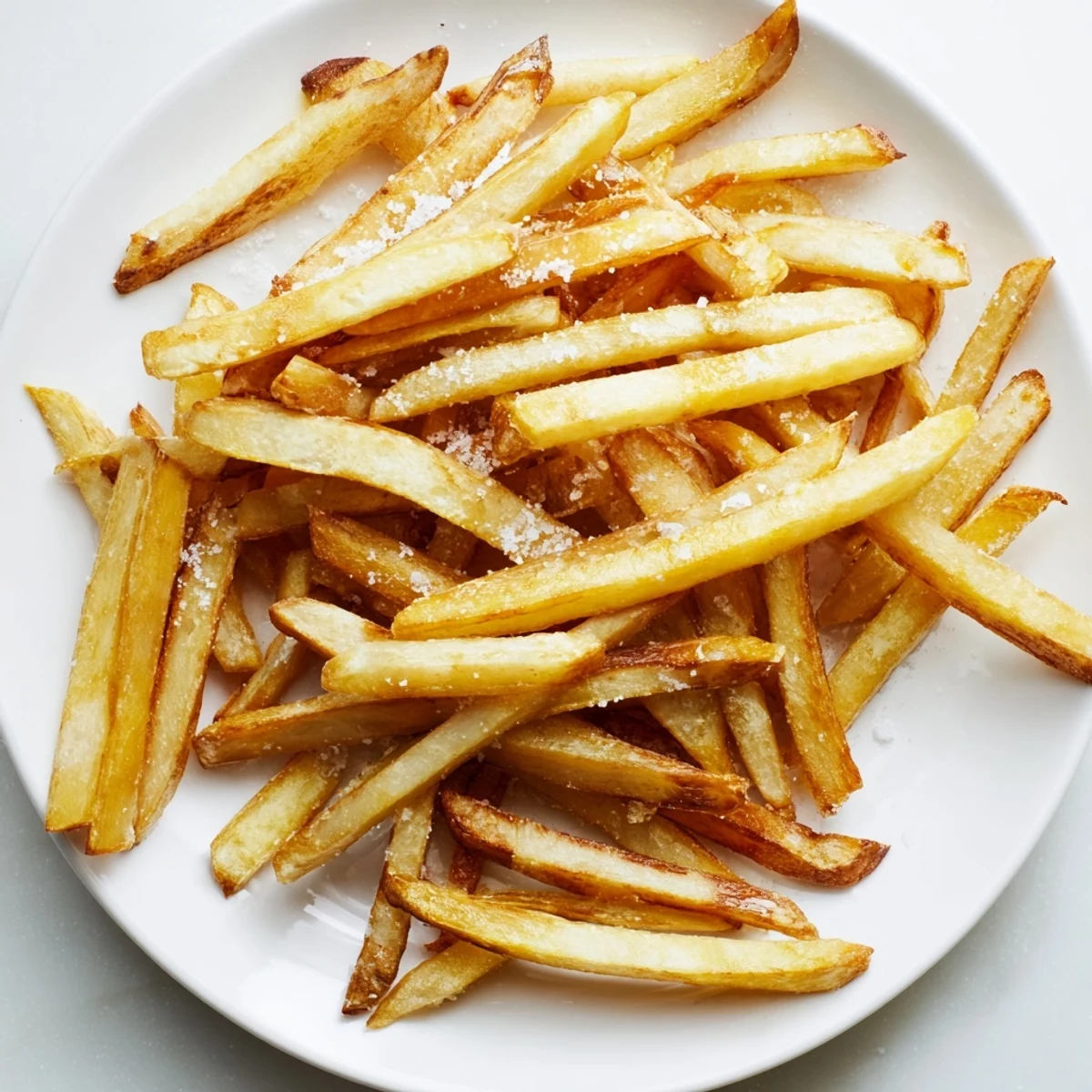
 These fries deliver golden, crispy exteriors with fluffy, tender interiors achieved through a double-frying process. Start by soaking cut potato sticks to remove excess starch, then fry them first at a lower temperature for tenderness. After draining, increase the oil heat for a second fry until perfectly crisp. Season lightly with fine sea salt and serve immediately hot. This method creates irresistibly crunchy fries ideal as a side or snack, pairing wonderfully with condiments like ketchup or aioli.
There's a specific moment when you realize that the secret to perfect French fries isn't fancy ingredients or restaurant equipment—it's patience and understanding your potatoes. I discovered this years ago, standing in my kitchen with oil sizzling while a batch of fries turned golden before my eyes, and I've been chasing that exact crispiness ever since. It sounds simple, but the double-fry method changed everything about how I think about this humble side dish. Now, every time I make them, I'm transported back to that quiet revelation.
I remember making these for my partner during one of those early autumn evenings when the craving for something indulgent suddenly hit, and we were both too tired to go out. The smell of hot oil filled the kitchen, and by the time the second batch finished, he appeared at the counter like clockwork, unable to resist sampling them straight from the paper towels. We sat at the counter like teenagers, dipping them in homemade aioli, and realized that sometimes the best meals aren't complicated—they're just made with attention.
Ingredients
- Russet potatoes (1.5 lbs / 700 g): The starch content makes these the gold standard for fries—they crisp beautifully while staying tender inside, and peeling is optional but I always do it for a cleaner look.
- Vegetable oil (1 quart / 1 liter): Choose a neutral oil like canola or sunflower that can handle high heat without burning and won't compete with the potato's flavor; avoid olive oil at all costs.
- Fine sea salt (1 tsp): Season to taste just after frying while the heat opens the potato's surface and locks in the salt perfectly.
Instructions
- Cut and soak your potatoes:
- Slice them into uniform 1/4-inch sticks—consistency matters because thicker pieces won't crisp while thinner ones burn. Submerge in cold water for at least 30 minutes; this removes the excess starch that would otherwise create a gummy texture.
- Dry them completely:
- Pat each stick thoroughly with paper towels until they feel almost dry to the touch. Any lingering moisture will cause the oil to splatter and prevent that beautiful golden crust.
- First fry at lower temperature:
- Heat oil to 325°F (165°C) and fry in batches for 4 to 5 minutes until the potatoes are pale and tender but still soft. This gentle cook-through is essential—rushing with higher heat creates a crispy shell around a raw center.
- Drain and rest:
- Remove fries onto clean paper towels and let them sit for a few minutes. The steam escape helps them firm up for the dramatic finish.
- Second fry at high temperature:
- Increase the oil to 375°F (190°C) and fry again in batches for 2 to 3 minutes until deeply golden brown and absolutely crispy. This is where the magic happens—the intense heat creates that shattered texture everyone craves.
- Season immediately:
- Transfer to fresh paper towels, sprinkle generously with salt while still steaming, and serve at once when the warmth and crispness are at their peak.
 Save to Pinterest
 These fries have become my measure of a perfect meal—not as the main event, but as the companion that transforms an ordinary evening into something worth remembering. There's something about sharing a basket of fries still steaming and crackling with salt that brings people together more honestly than most dishes I've learned to make.
The Double-Fry Secret
The two-temperature frying method isn't just a technique; it's a philosophy about understanding how heat transforms food. The low fry cooks the potato through gently, allowing moisture to escape evenly so the inside becomes fluffy. The high fry then attacks the surface, creating a crust so delicate and crispy that it shatters when you bite through it.
Soaking and Starch Removal
When you soak potatoes in cold water, you're not just washing them—you're removing the excess starch that would otherwise glue the surface together and prevent browning. I've skipped this step when rushing, and the fries turn out gray and dense, a texture I've come to despise.
Serving Suggestions and Variations
French fries are endlessly flexible, whether you're anchoring them as the star of a meal or letting them play supporting role to a burger or steak. They taste equally wonderful alongside rich foods or on their own, dipped in something bright and sharp like aioli, or something familiar like ketchup. The foundation is solid, so feel free to experiment with flavored salts, spice blends, or even swapping in sweet potatoes when you want a different personality.
- Try dusting with smoked paprika or garlic powder before serving for a subtle flavor shift.
- Sweet potato fries follow the same method but cook slightly faster, so watch them during both stages.
- Leftover fries lose their magic almost immediately, so eat them while they're hot.
 Save to Pinterest
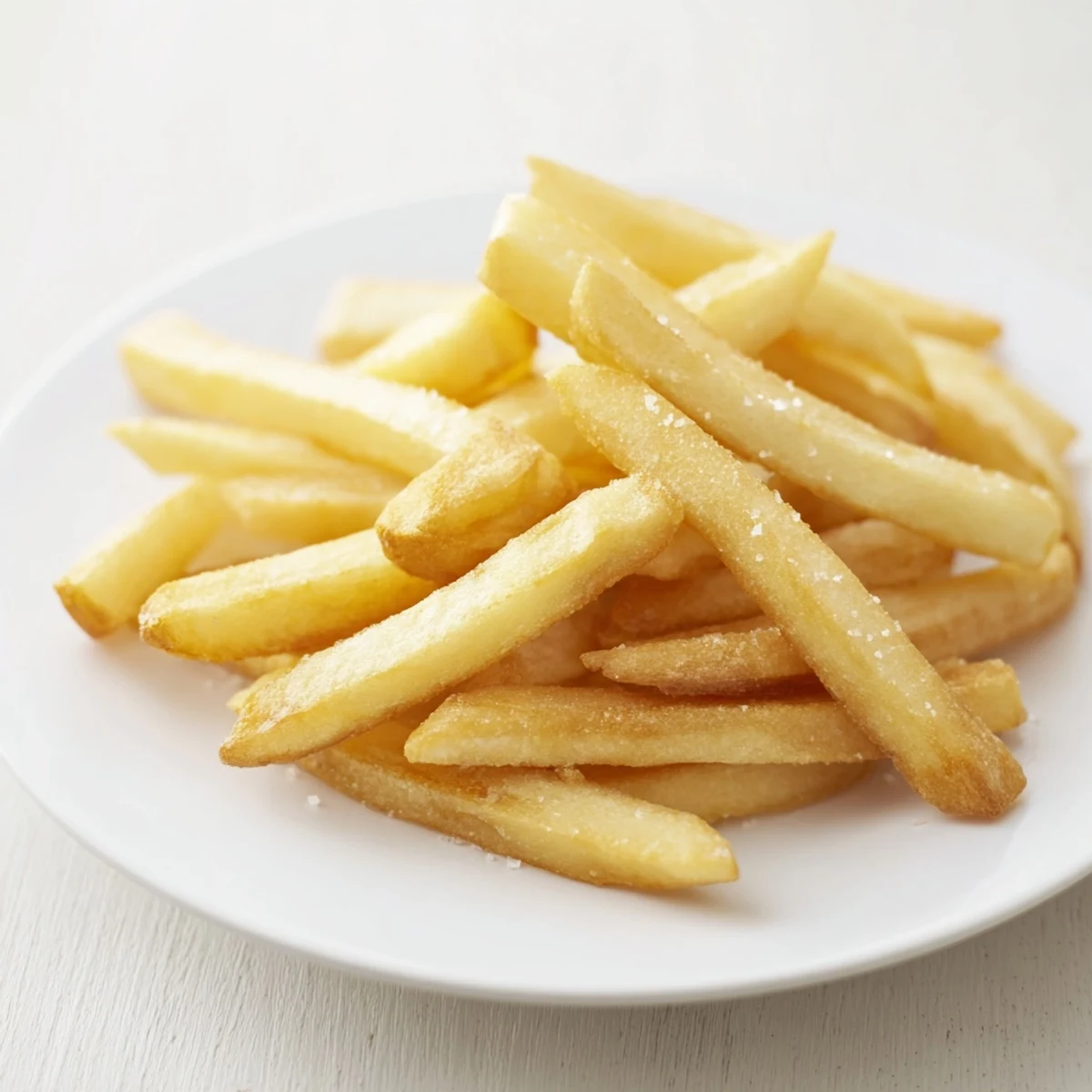
 Perfect French fries are proof that the simplest foods deserve the most respect and attention. Make them once this way, and you'll understand why they've remained a global favorite for generations.
Recipe Questions & Answers
- → What type of potatoes works best?
-
Russet potatoes are ideal due to their starchy texture, which produces a fluffy interior and crispy exterior.
- → Why soak the potatoes before frying?
-
Soaking removes excess starch, preventing fries from sticking and ensuring optimal crispiness.
- → What oil is recommended for frying?
-
Vegetable oils with high smoke points like canola, sunflower, or peanut oil work best to achieve perfect frying temperatures.
- → What is the purpose of double frying?
-
Double frying first cooks potatoes gently, then crisps them at a higher temperature for a golden, crunchy finish.
- → How should the fries be seasoned?
-
Simple seasoning with fine sea salt immediately after frying enhances flavor without overpowering the natural potato taste.