
 Save to Pinterest
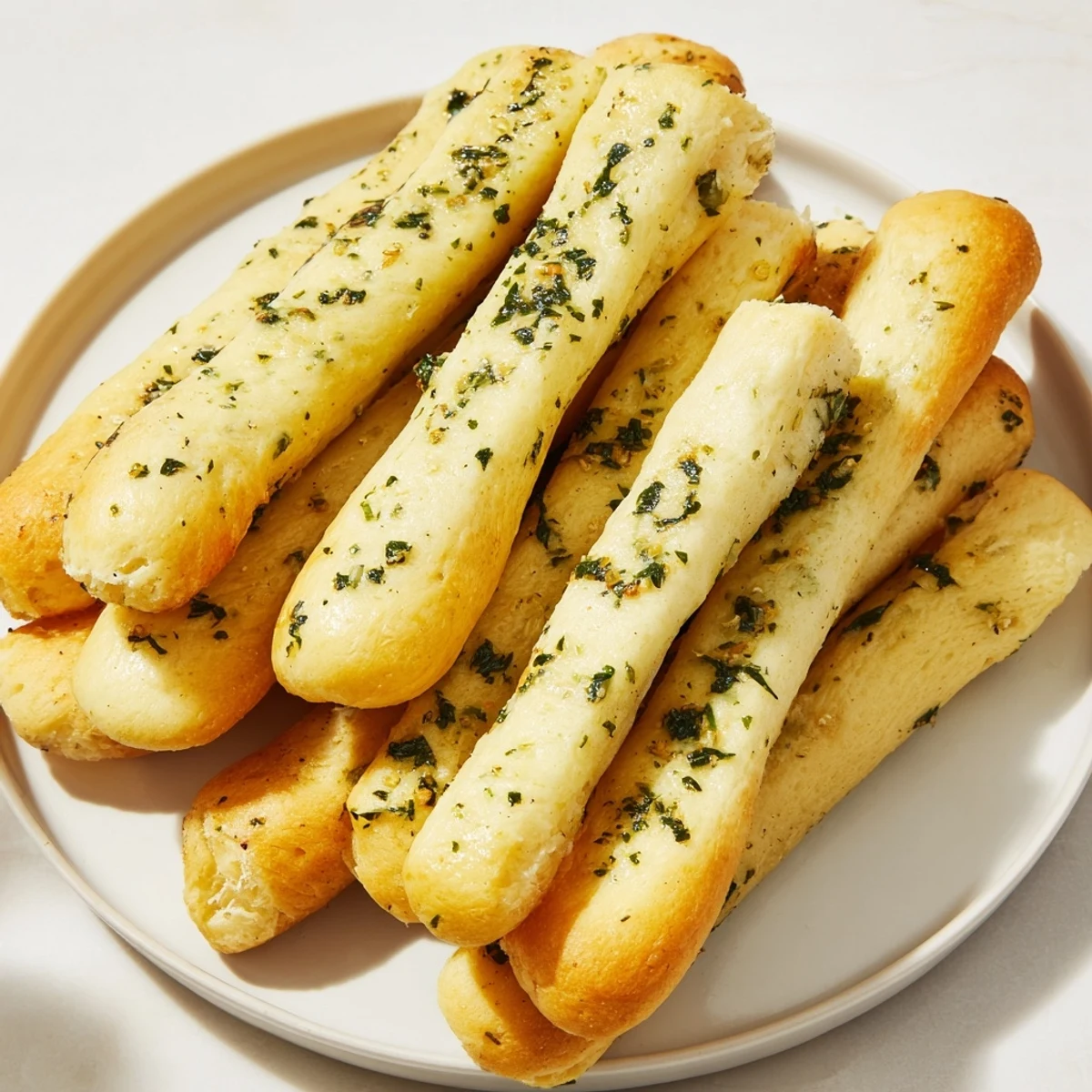
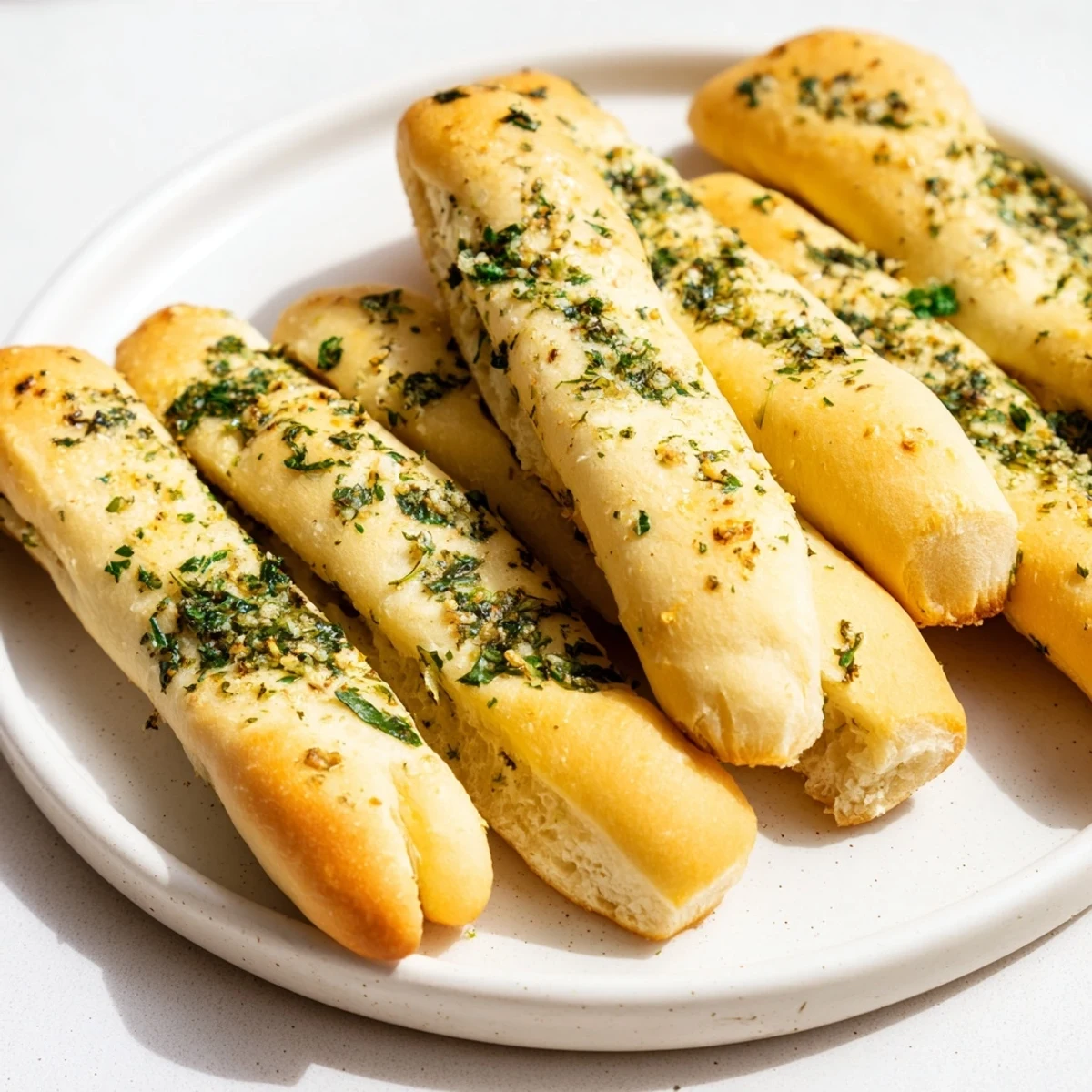
 Experience soft, fluffy breadsticks with a flavorful blend of garlic and fresh herbs. Yeast dough is kneaded and risen before being shaped and baked to golden perfection. A rich garlic herb butter is brushed on before and after baking for extra aroma and taste. These breadsticks pair wonderfully with marinara or pasta dishes, making them a delightful addition to any meal. Simple ingredients and straightforward steps yield a comforting Italian-inspired bread treat.
I'll never forget the first time I made garlic herb breadsticks from scratch for my family dinner. My kitchen filled with that unmistakable yeasty aroma, and my kids came running from the other room asking when they'd be ready. There's something magical about pulling warm, golden breadsticks from the oven—they're so simple yet feel like you've created something truly special.
I made these breadsticks for a dinner party last spring, and my friend Sarah asked for the recipe before dessert even arrived. She said they reminded her of the ones from her favorite Italian restaurant, but better because they tasted like home. That's when I knew this recipe was a keeper.
Ingredients
- Active dry yeast: 2 1/4 teaspoons (1 packet). This is your magic ingredient—it's what makes the dough rise and become light and airy. Make sure it's fresh and not past its expiration date, or your breadsticks won't rise properly.
- Warm water: 1 cup at 110°F/43°C. The temperature matters here—if it's too hot, you'll kill the yeast; too cold and nothing happens. Think of it like a warm bath for waking up the yeast.
- Granulated sugar: 2 tablespoons. This feeds the yeast and helps it activate, plus it adds a subtle sweetness that balances the savory herbs.
- All-purpose flour: 3 cups. This is the foundation of your dough. I've learned that measuring by weight is more precise, but spooning and leveling works fine too.
- Salt: 1 1/2 teaspoons for the dough plus 1/2 teaspoon for the herb butter. Salt enhances flavor and helps control yeast fermentation—it's not just seasoning, it's essential.
- Unsalted butter: 2 tablespoons melted for the dough, plus 4 tablespoons melted for the herb coating. Butter makes everything richer and helps the breadsticks brown beautifully.
- Fresh garlic: 2 cloves minced. Fresh garlic is non-negotiable here—it's what transforms these from plain bread to something irresistible. The aroma alone will sell this dish.
- Fresh parsley: 2 tablespoons finely chopped. Fresh herbs make a real difference. If you can't find fresh parsley, use what you have, but dried just isn't the same.
- Dried oregano and basil: 1 teaspoon and 1/2 teaspoon respectively. These dried herbs are convenient and pack a punch of Italian flavor.
Instructions
- Wake up the yeast:
- In a large bowl, dissolve the yeast and sugar in the warm water and let it sit for 5 minutes. You'll know it's working when you see bubbles and foam on the surface—this means your yeast is alive and ready to go. If nothing happens, your yeast might be old and you'll need to start over.
- Bring the dough together:
- Add the flour, salt, and melted butter to your yeast mixture and mix until a soft dough forms. It'll look a bit shaggy at first, and that's exactly right. Don't worry about it being perfect yet.
- Knead with intention:
- Turn the dough onto a lightly floured surface and knead for 5 to 7 minutes. You'll feel the dough transform under your hands—it starts sticky and rough but becomes smooth and elastic. This is where the magic happens. You'll know it's ready when it springs back gently when you poke it.
- Let it rise:
- Place the dough in a greased bowl, cover it with a clean towel, and set it in a warm place. A cozy corner of your kitchen works great. Let it rise for about 1 hour or until it's doubled in size. This is a good time to prep your workspace and gather your remaining ingredients.
- Prepare your stage:
- While the dough rises, preheat your oven to 400°F (200°C) and line a baking sheet with parchment paper. This small step prevents sticking and makes cleanup easier.
- Shape with confidence:
- Punch down the dough—yes, really punch it!—and divide it into 12 equal pieces. Roll each piece into a 7-inch rope using your palms. Don't stress about perfection; they don't all need to be identical. Place them on your prepared baking sheet.
- Second rise:
- Cover the shaped breadsticks and let them rise for 15 minutes. They'll puff up a bit more, preparing themselves for the oven.
- Make the magic butter:
- While they're rising, combine the melted butter, minced garlic, fresh parsley, oregano, basil, and salt in a small bowl. Stir it together and let the flavors mingle. This is where the soul of the recipe lives.
- Brush before baking:
- Generously brush half of the garlic herb butter over the breadsticks. This first coating will cook into them, infusing every bite with flavor.
- Bake until golden:
- Bake for 12 to 15 minutes, watching them turn from pale to golden brown. Your kitchen will smell absolutely incredible. You'll know they're done when they're brown on top and sound hollow if you tap them.
- Finish with fresh herb butter:
- Remove the breadsticks from the oven and brush them immediately with the remaining garlic herb butter while they're still warm. This final touch seals in the flavor and makes them shine.
- Serve with joy:
- Serve them right away while they're still warm. They're best enjoyed fresh from the oven with friends or family nearby.
 Save to Pinterest
 There was this Tuesday night when my daughter came home upset from school, and I made these breadsticks just to see her smile. She sat at the kitchen counter and ate three of them warm with marinara sauce, and suddenly her whole day seemed better. That's when I realized these aren't just breadsticks—they're comfort food that brings people together.
The Secret to Fluffy Breadsticks
The key to achieving that perfect texture is all in the rising time and the kneading. I've experimented with shorter rises, and they just don't develop the same air pockets that make breadsticks so satisfying to bite into. The yeast needs time to do its work, and rushing it shows. I also learned that proper kneading develops the gluten structure, which traps the gas bubbles the yeast creates. It seems counterintuitive, but the more you work the dough, the lighter it becomes.
Garlic Herb Butter Is Everything
If there's one element that makes these breadsticks special, it's the garlic herb butter. I once made a batch with store-bought garlic powder instead of fresh garlic—thinking it would be fine—and they tasted flat and one-dimensional. Since then, I've never cut corners on this step. The fresh garlic and parsley bring brightness that dried herbs alone can't achieve. It's worth spending the extra minute mincing fresh garlic.
Variations and Occasions
These breadsticks are incredibly versatile. I've topped them with everything from Parmesan cheese to everything bagel seasoning. They work for weeknight dinners, fancy dinner parties, and even packed cold in lunchboxes the next day. My favorite variation is sprinkling grated Parmesan right before baking for an extra savory punch.
- Try adding a pinch of red pepper flakes for a subtle heat that guests will love
- Use fresh rosemary instead of some of the oregano for a more earthy flavor profile
- Make them vegan by swapping in plant-based butter without changing anything else
 Save to Pinterest
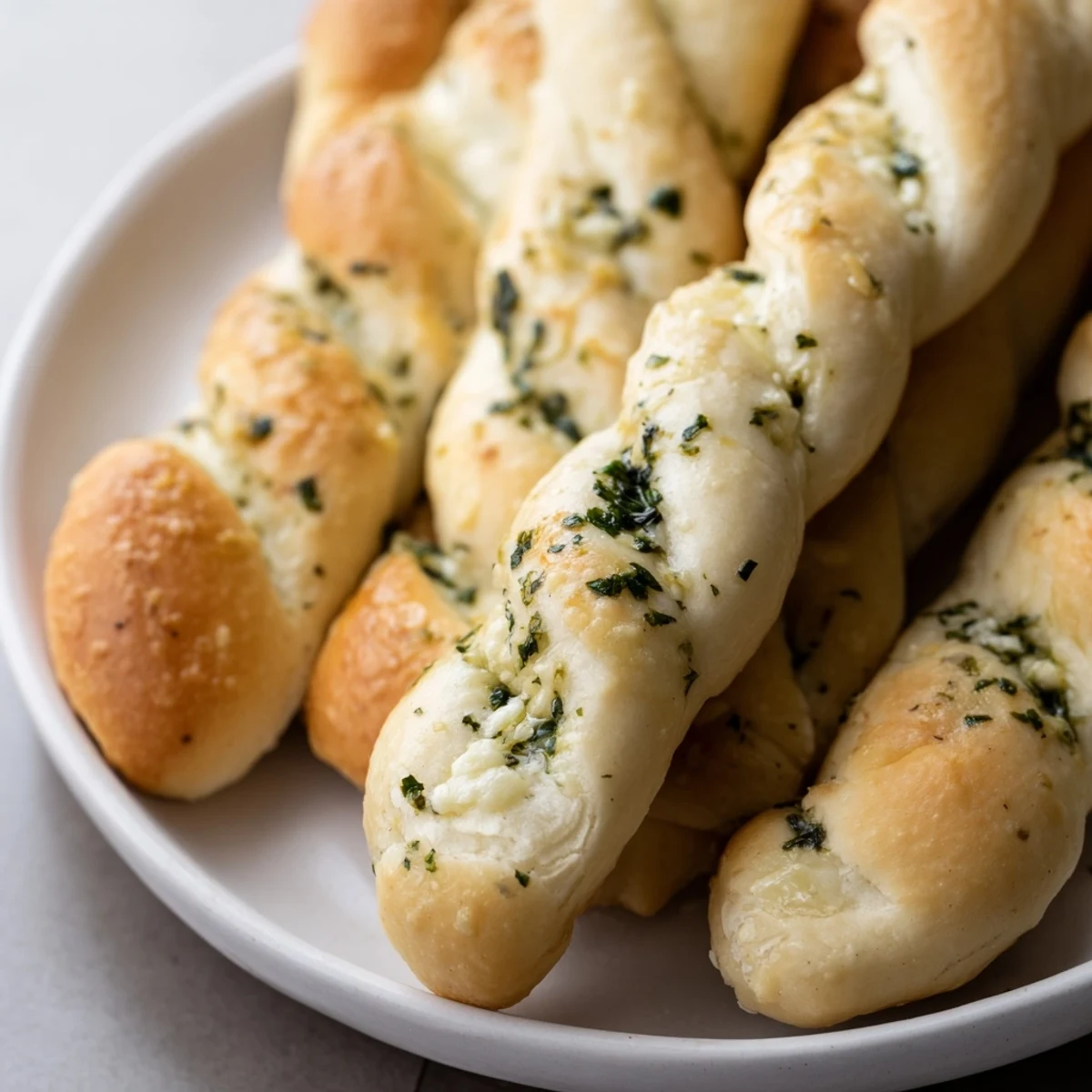
 These garlic herb breadsticks have become my go-to recipe when I want to feel like a baker without spending hours in the kitchen. They're the kind of recipe that makes you look like you've mastered something complicated, when really it's just yeast, time, and a little bit of care.
Recipe Questions & Answers
- → How do I achieve soft breadsticks?
-
Using warm water to activate the yeast and allowing the dough to rise fully creates a soft, fluffy texture in the breadsticks.
- → What herbs enhance the flavor best?
-
Fresh parsley combined with dried oregano and basil offers a balanced, aromatic herb blend that complements the garlic butter well.
- → Can I prepare the dough ahead of time?
-
Yes, you can refrigerate the dough after the first rise and shape it later to bake fresh breadsticks.
- → What are good serving suggestions?
-
Serve these breadsticks warm alongside marinara sauce or pasta dishes for a satisfying accompaniment.
- → How can I make these breadsticks vegan?
-
Substitute the butter with plant-based alternatives while maintaining the same preparation method for similar flavor.