
 Save to Pinterest
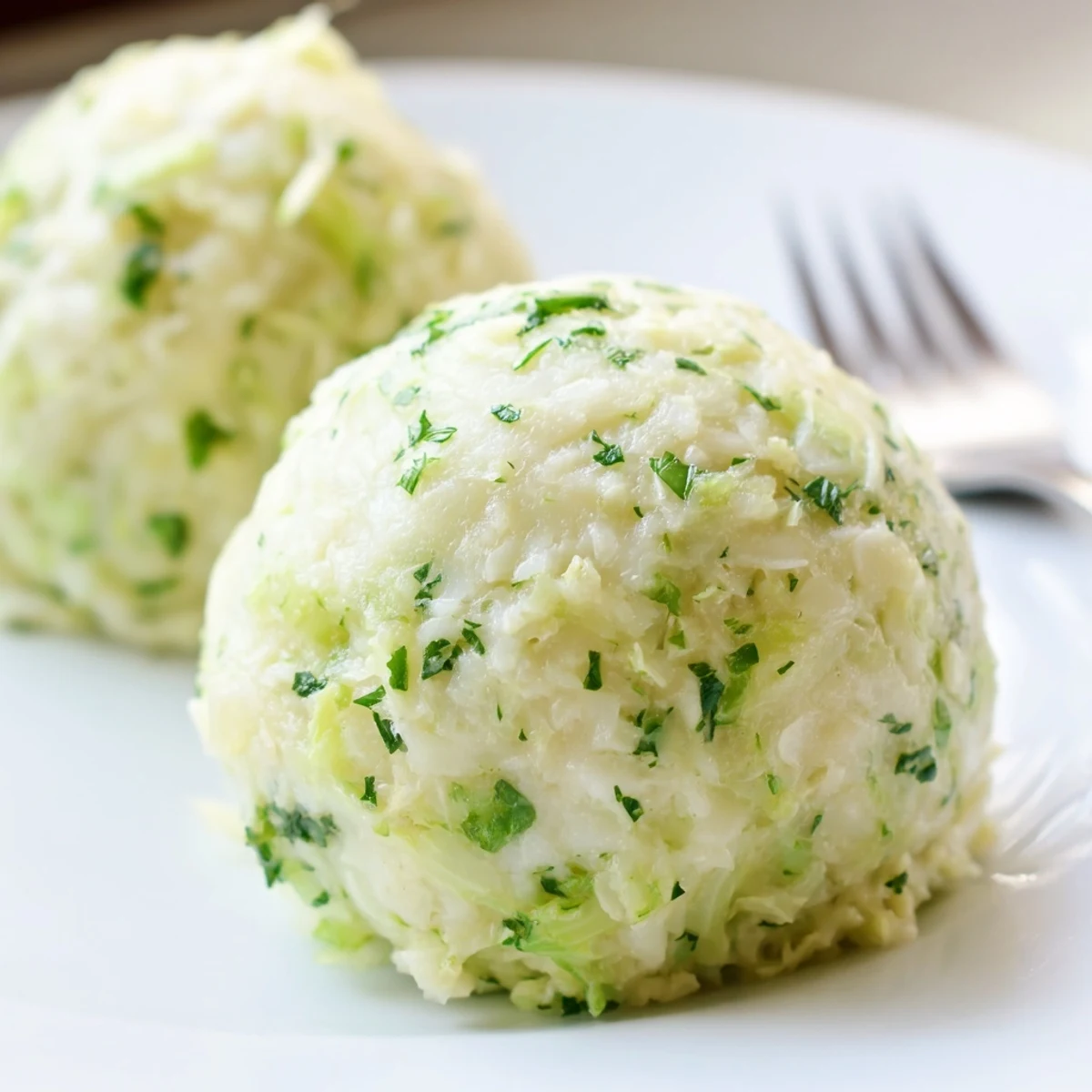
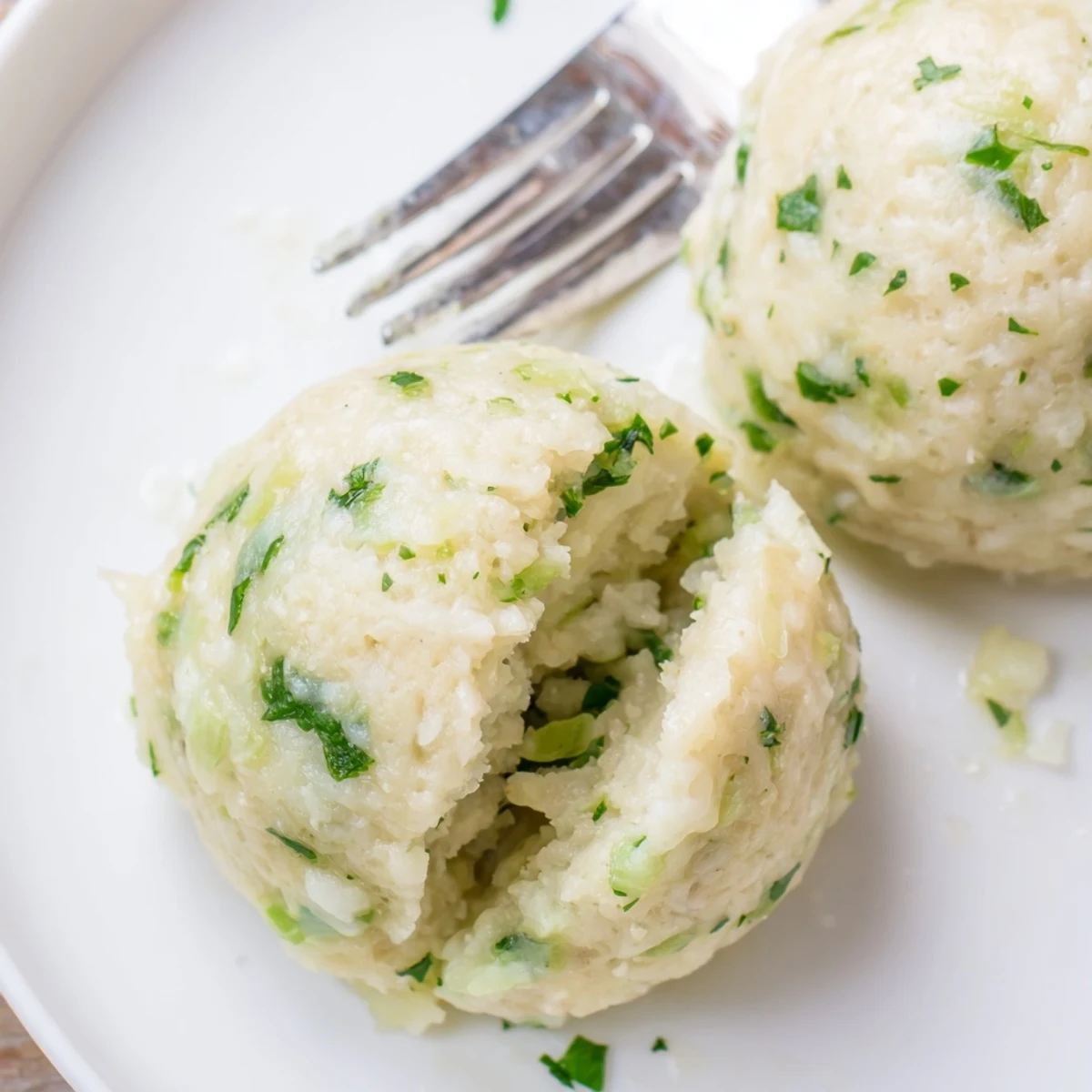
 These traditional German dumplings combine tender shredded cabbage with soft bread cubes, eggs, and warming spices like nutmeg and black pepper. The mixture is shaped into rounds and gently simmered in vegetable broth until light and fluffy. Perfect as a comforting main course or hearty side dish, they pair beautifully with creamy mushroom sauce or melted butter. Ready in about an hour for a satisfying vegetarian meal.
My grandmother's tiny kitchen in Munich always smelled like butter and cabbage when I visited as a child, but back then I turned up my nose at what I called 'boring peasant food.' Years later, standing in my own apartment with a head of cabbage and no dinner plans, those memories came flooding back and I finally understood what she'd been trying to teach me.
Last winter during that terrible week when the pipes burst and we were camping out in our own living room, I made a double batch on a hot plate. My husband ate three in a row without saying a word, which is basically his version of a standing ovation.
Ingredients
- 1 small head green cabbage: Finely shredded becomes sweet and silky when sautéed slowly in butter, transforming into something almost luxurious
- 1 medium onion: Diced small and cooked until translucent provides the aromatic foundation that makes everything else taste better
- 2 tbsp unsalted butter: Use the real thing here because the flavor carries through the entire dumpling
- 2 large eggs: Room temperature eggs will incorporate more evenly into the bread mixture
- 120 ml whole milk: Soaks into the bread cubes to create that tender, almost custard-like texture inside
- 200 g day-old white bread: Slightly stale bread with crusts removed works better than fresh because it absorbs milk without turning to mush
- 60 g all-purpose flour: Just enough to bind everything together while keeping the dumplings light
- 1/2 tsp ground nutmeg: The secret ingredient in German comfort cooking that adds warmth without screaming its presence
- 1/2 tsp ground black pepper: Freshly cracked gives you those little sparks of heat throughout
- 1 tsp salt: Essential for bringing out the cabbage's natural sweetness
- 2 tbsp fresh parsley: Finely chopped adds little flecks of color and a fresh note that cuts through the richness
- 1.5 liters vegetable broth: A gentle simmering bath that doubles as a serving liquid
Instructions
- Sauté the aromatics:
- Melt butter in a large skillet over medium heat, cook diced onion 2-3 minutes until translucent, then add shredded cabbage with a pinch of salt and cook 10-12 minutes until softened and sweet.
- Prepare the bread base:
- Combine bread cubes with milk in a large bowl and let soak 5-10 minutes until soft, then mash gently with a fork until you have a uniform mixture.
- Form the dough:
- Add eggs, flour, nutmeg, pepper, salt, parsley, and cooled cabbage to the soaked bread and mix well until slightly sticky dough comes together.
- Shape the dumplings:
- With damp hands to prevent sticking, form mixture into 8 round dumplings, pressing firmly but gently to remove air pockets.
- Simmer gently:
- Bring vegetable broth to a gentle simmer, carefully add dumplings, and cook 18-20 minutes until firm and cooked through, maintaining a slow bubble rather than a rolling boil.
- Serve immediately:
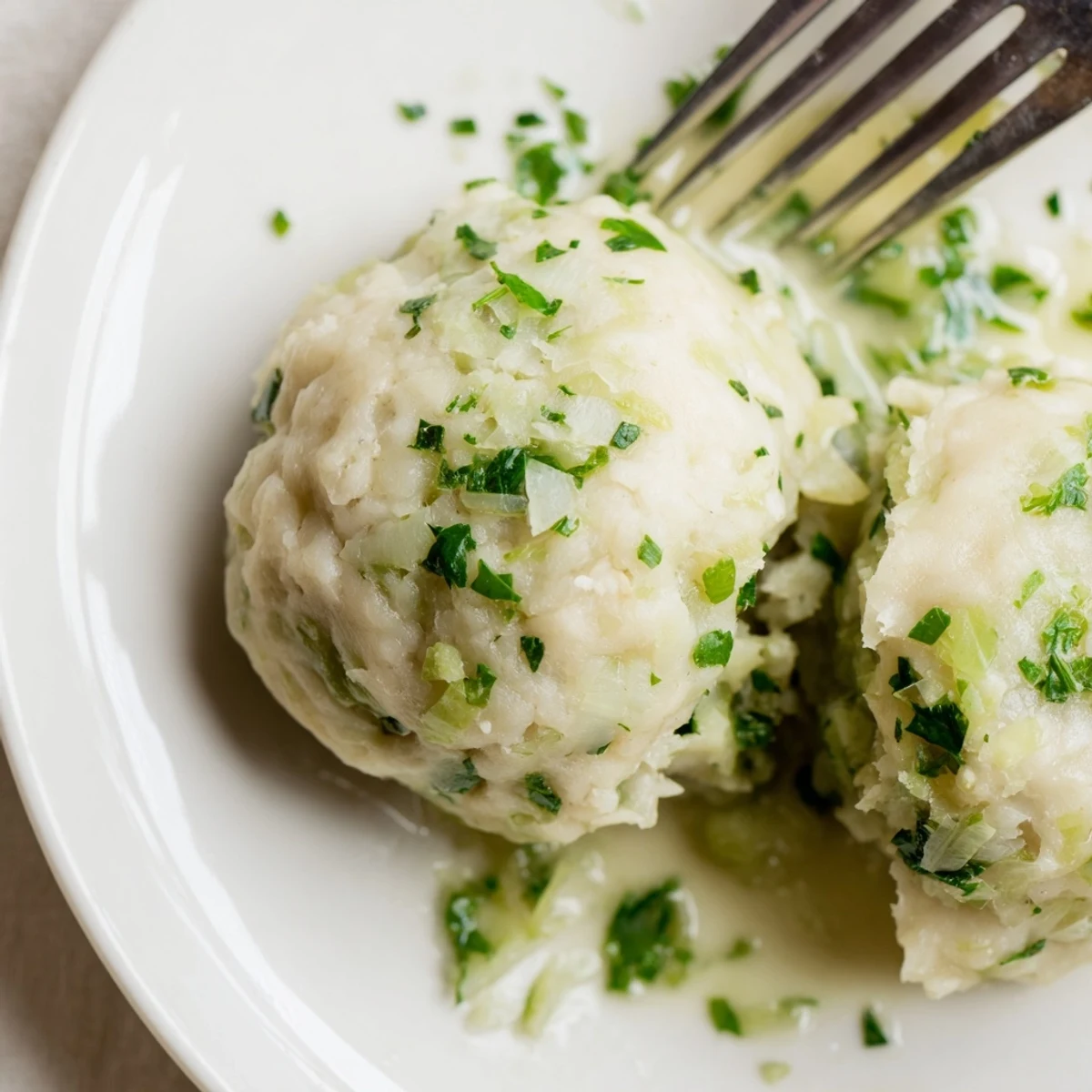
- Lift dumplings with a slotted spoon, serve in bowls with some of the cooking broth, and sprinkle with extra parsley if desired.
 Save to Pinterest
 These became my go-to comfort food during graduate school when money was tight and time was scarcer. Something about the process—shaping each dumpling by hand, watching them bob gently in the broth—felt meditative and grounding after long days of research.
Make Them Your Own
My friend Stefan adds a handful of grated Gruyère when he wants something richer, and I've discovered that a bit of grated apple in the cabbage mixture adds lovely brightness. The traditional version includes diced bacon with the onions if you eat meat, and honestly, that smoky flavor transforms the dish completely while still letting the cabbage shine.
Perfect Pairings
In German homes, these often appear alongside roasted meats or rich gravies, but they're substantial enough to stand alone as a main course. A simple green salad with sharp vinaigrette cuts through the richness beautifully, and if you want something warmer, sautéed mushrooms in cream sauce feel like the most natural companion in the world.
Making Ahead
You can assemble the dumplings earlier in the day and keep them covered on a baking sheet dusted with flour until ready to simmer. Leftovers reheat surprisingly well either in a pan with butter until crisped on the outside or steamed gently in a bit of broth.
- Cooked dumplings freeze well for up to three months
- Reheat directly from frozen in simmering broth for about 10 minutes
- Uncooked dumpling mixture can be refrigerated overnight and shaped the next day
 Save to Pinterest
 There's something deeply satisfying about turning the most ordinary ingredients into something that feels like a hug on a plate. Maybe that's what my grandmother was trying to show me all along.
Recipe Questions & Answers
- → What makes these dumplings German?
-
These dumplings follow traditional German preparation methods, combining bread cubes with milk and eggs to create a soft base, then incorporating sautéed cabbage and classic German spices like nutmeg for authentic flavor.
- → Can I make them gluten-free?
-
Yes, simply substitute gluten-free bread for the white bread cubes and use gluten-free all-purpose flour instead of regular flour. The texture remains deliciously tender.
- → How do I know when the dumplings are done?
-
The dumplings are ready when they feel firm to the touch and float slightly in the simmering broth. This typically takes 18–20 minutes of gentle simmering.
- → What should I serve with German cabbage dumplings?
-
They pair wonderfully with creamy mushroom sauce, melted butter, or rich gravy. They also complement roasted meats, sauerbraten, or can be enjoyed alone as a satisfying vegetarian main.
- → Can I prepare the dough ahead of time?
-
The cabbage mixture can be prepared and refrigerated up to a day in advance. Shape and simmer the dumplings just before serving for the best texture and flavor.
- → Why should I use day-old bread?
-
Day-old bread absorbs the milk better without becoming mushy, creating the perfect tender yet structured consistency that holds its shape during simmering.