
 Save to Pinterest
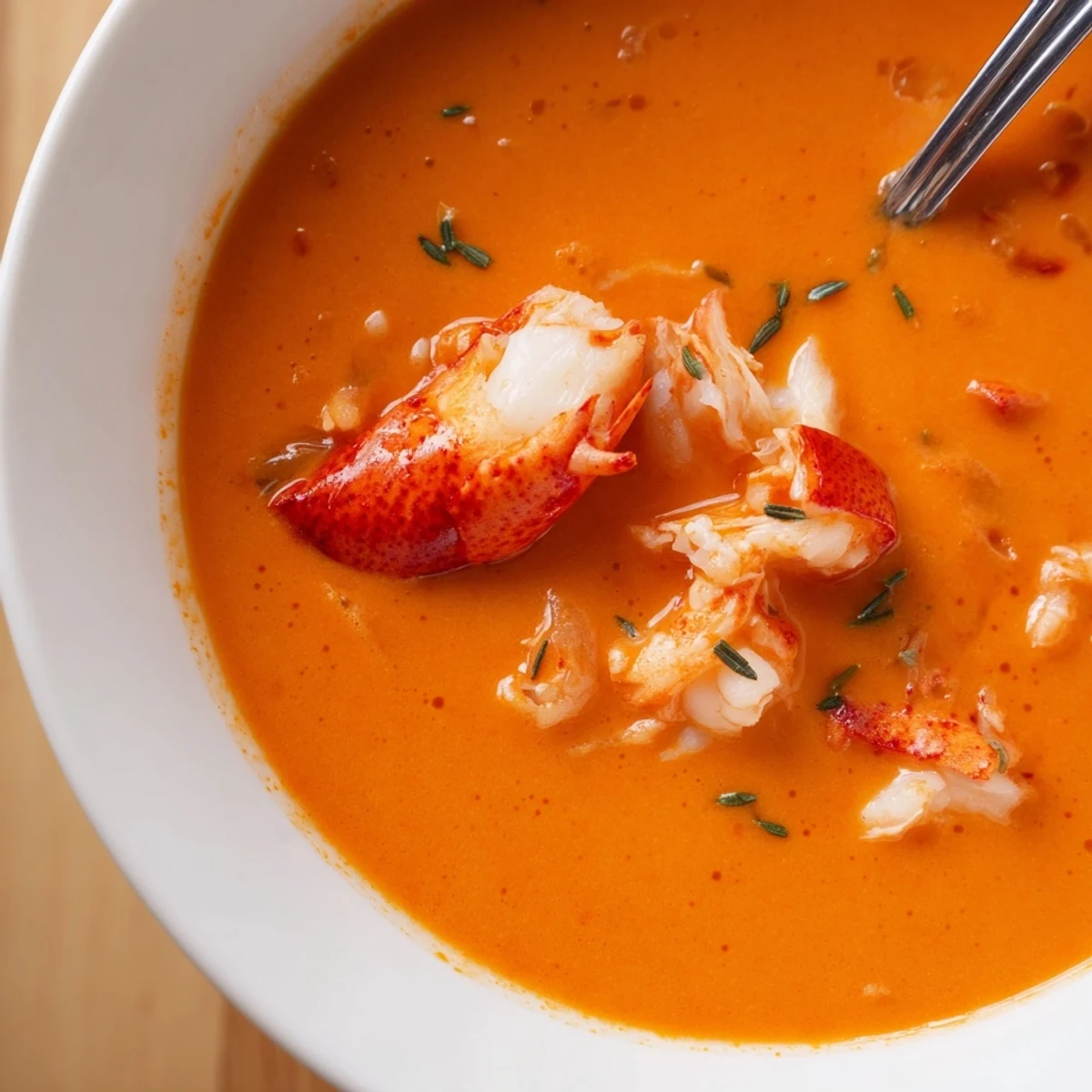
 This decadent French-style lobster bisque delivers an incredibly silky texture and deep seafood flavor. Live lobsters provide the foundation, their shells simmered with aromatic vegetables, tomato paste, and herbs before being strained and finished with heavy cream. The flambé technique with brandy adds depth, while fresh tarragon brings subtle anise notes. Result is a restaurant-quality starter that balances richness with bright acidity from lemon.
There was this tiny bistro in Paris where I first understood what lobster bisque could actually be. The server brought out this impossibly smooth copper colored soup and one spoonful changed everything about how I thought about shellfish. I spent the next three years trying to recreate that memory in my own kitchen. This Gordon Ramsay inspired version finally got me there.
I made this for my dads birthday last winter and watched him go quiet after the first bite. He looked up with this genuinely surprised expression and asked if I'd been secretly taking culinary classes. That moment of watching someone you love experience something that good is why I keep making this recipe even though it takes some effort.
Ingredients
- 2 live lobsters: The fresh shells are absolutely crucial here since they create the base flavor and frozen ones just wont give you the same depth
- 1 bay leaf and 1 tsp black peppercorns: These aromatics infuse the lobster boiling water which youll use later so they matter more than you might think
- 2 tbsp olive oil: Use a neutral one that wont compete with the delicate lobster flavor
- 1 onion 2 celery stalks and 2 carrots all finely chopped: This mirepoix forms the flavor foundation and the key is chopping everything small so it melts into the soup
- 3 garlic cloves minced: Fresh garlic is non negotiable here because the flavor needs to be bright not powdered
- 2 tbsp tomato paste: This adds both color and a subtle sweetness that balances the richness
- 1 leek white part only and 1 fennel bulb: These two vegetables are the secret weapons that make this bisque taste restaurant quality
- 1 sprig fresh thyme and 1 sprig fresh tarragon: Fresh herbs make such a difference and tarragon specifically pairs beautifully with shellfish
- ½ cup brandy or cognac: The alcohol burns off but leaves behind this incredible depth that you cant achieve any other way
- 1 cup dry white wine: Something drinkable is the rule here because the flavor concentrates
- 4 cups fish or lobster stock: Homemade is ideal but a good quality store bought one works in a pinch
- 1 cup heavy cream: This is what creates that silky restaurant texture so dont skip it
- Salt pepper pinch of cayenne and lemon juice: The acid at the end is what makes all the flavors pop
Instructions
- Prepare the lobsters:
- Bring a large pot of salted water to a boil with the bay leaf and peppercorns then add the live lobsters and cook for 6 to 8 minutes until they turn bright red. Remove them with tongs and reserve half a cup of that flavorful cooking liquid before letting them cool enough to handle. Twist off the tails and claws crack the shells and remove the meat then chop it into bite sized pieces while saving every single shell for the base.
- Build the flavor foundation:
- Heat the olive oil in a large pot over medium heat and add the onion celery carrots leek and fennel cooking for 5 to 7 minutes until softened and fragrant. Stir in the garlic and tomato paste and let them cook for 2 minutes until the tomato paste darkens slightly and becomes aromatic.
- Add the shells:
- Toss in all those reserved lobster shells along with the thyme and tarragon then sauté for 5 minutes stirring occasionally. This is where all that incredible lobster flavor gets extracted into the vegetables.
- Flambé:
- Pour in the brandy or cognac and if youre feeling brave carefully ignite it with a long lighter to burn off the alcohol and let the flames subside naturally. Add the white wine and that reserved lobster cooking liquid then pour in the stock and bring everything to a boil before reducing heat and simmering uncovered for 30 to 40 minutes.
- Strain and blend:
- Remove from heat and discard the herb sprigs then use an immersion blender right in the pot to break everything down. Strain through a fine sieve into a clean pot pressing firmly with a spoon to extract every last drop of liquid then discard all the solids.
- Finish the bisque:
- Bring the strained bisque back to a gentle simmer and stir in the heavy cream then season with salt pepper and cayenne. Add the chopped lobster meat reserving a few pretty pieces for garnish and let everything simmer for 2 to 3 minutes just to heat through. Taste and adjust with lemon juice until the flavors really sing.
- Serve:
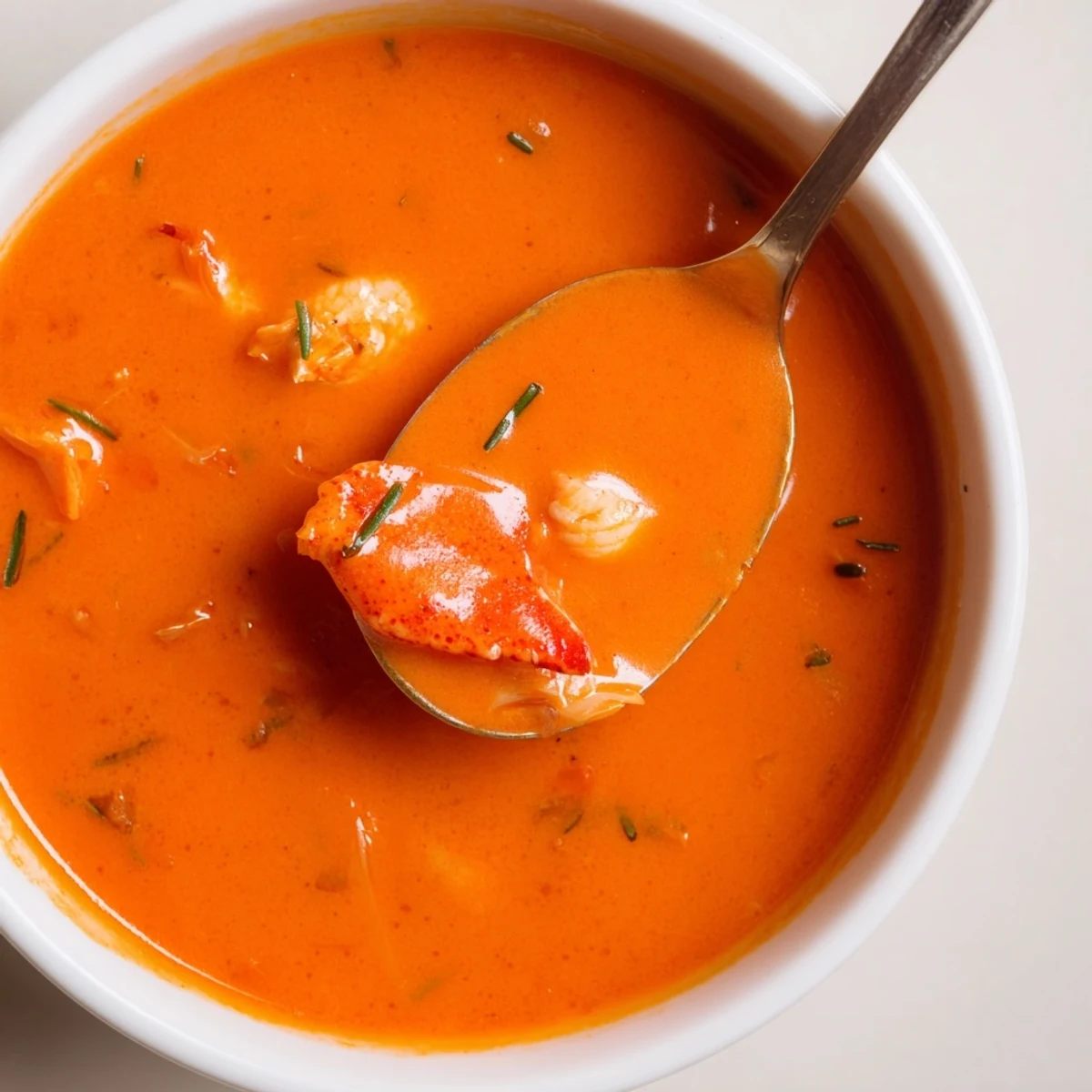
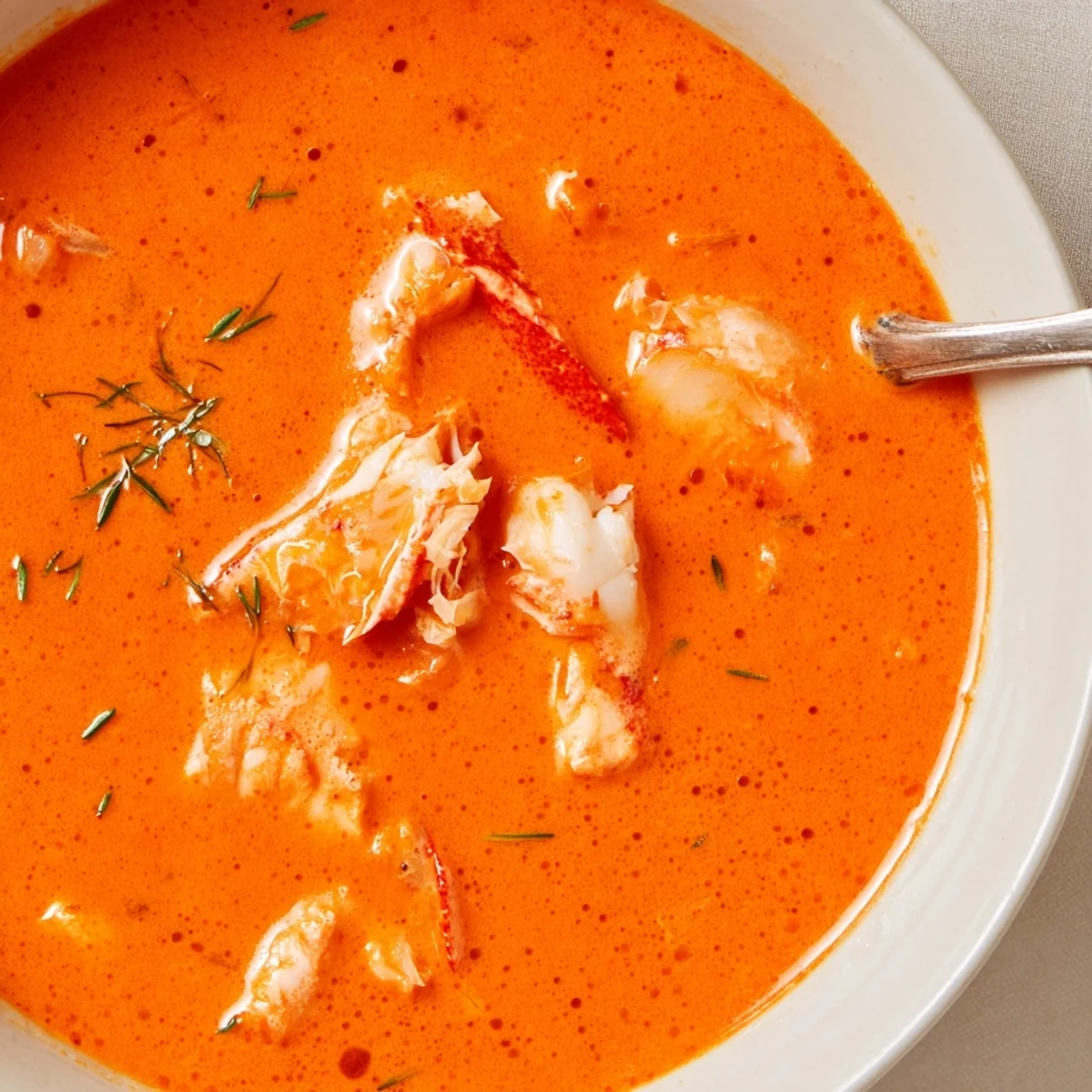
- Ladle into warm bowls and top with those reserved lobster pieces and a few fresh tarragon leaves for something that looks as impressive as it tastes.
 Save to Pinterest
 This has become my go to for dinner parties because it makes people feel special without me having to stand over the stove all night. Something about serving lobster bisque transforms an ordinary Tuesday into a celebration.
Make Ahead Magic
Ive learned that the base actually tastes better the next day so I often make everything except the cream and lobster meat up to two days ahead. The flavors have time to marry and develop in a way that feels almost professional. When Im ready to serve I just rewarm it stir in the cream and add the fresh lobster.
Wine Pairing Secret
A crisp Chardonnay or Sauvignon Blanc chilled properly cuts through the richness of the cream while complementing the sweet lobster meat. I pour the same wine I used in the recipe because it creates this beautiful continuity that people notice even if they cant quite put their finger on why it works so well.
Texture Troubleshooting
The difference between good and great bisque comes down to straining. Once through a sieve is fine but pressing it through cheesecloth or even running it through a fine mesh strainer twice gives you that velvety texture that makes restaurant soup so distinctive. I learned this the hard way after serving a slightly grainy version to some very polite friends.
- If the bisque seems too thick add a splash more stock rather than thinning with water
- Never let the cream boil after adding it or it might separate and ruin the silky texture
- Always warm your bowls before serving because hot soup in cold bowls loses heat too quickly
 Save to Pinterest
 Theres something profoundly satisfying about turning a whole lobster into something this elegant. Every shell every drop of liquid gets used and nothing goes to waste.
Recipe Questions & Answers
- → What makes a proper bisque different from regular soup?
-
A bisque is a smooth, creamy French soup made with shellfish. The defining characteristic is the base created from simmering shells with aromatics, then straining and blending. This process extracts maximum flavor and creates the signature silky texture.
- → Why flambé the brandy?
-
Flambéing burns off alcohol while caramelizing sugars, creating complex flavor compounds that enhance depth. The technique also adds a dramatic presentation element and ensures no raw alcohol taste remains in the final bisque.
- → Can I make this ahead of time?
-
Absolutely. The base can be prepared 1-2 days ahead and refrigerated. Add cream and lobster meat just before serving, as dairy can separate if reheated multiple times. The flavors actually develop and intensify overnight.
- → What's the purpose of roasting shells first?
-
Roasting lobster shells at high heat caramelizes their natural proteins and sugars, creating deeper, more concentrated seafood flavor. This extra step mimics restaurant techniques and significantly enhances the bisque's richness.
- → How do I achieve the silkiest texture?
-
Double-straining through a fine-mesh sieve removes all solids. Blend thoroughly after straining, then pass through the sieve again. Using heavy cream rather than milk also ensures luxurious smoothness. Avoid boiling after adding cream.
- → What wine pairs best with lobster bisque?
-
A crisp Chardonnay complements the creaminess while cutting through richness. Sauvignon Blanc offers bright acidity that balances the velvety texture. Choose well-chilled whites with good mineral notes to enhance the delicate lobster flavors.