
 Save to Pinterest
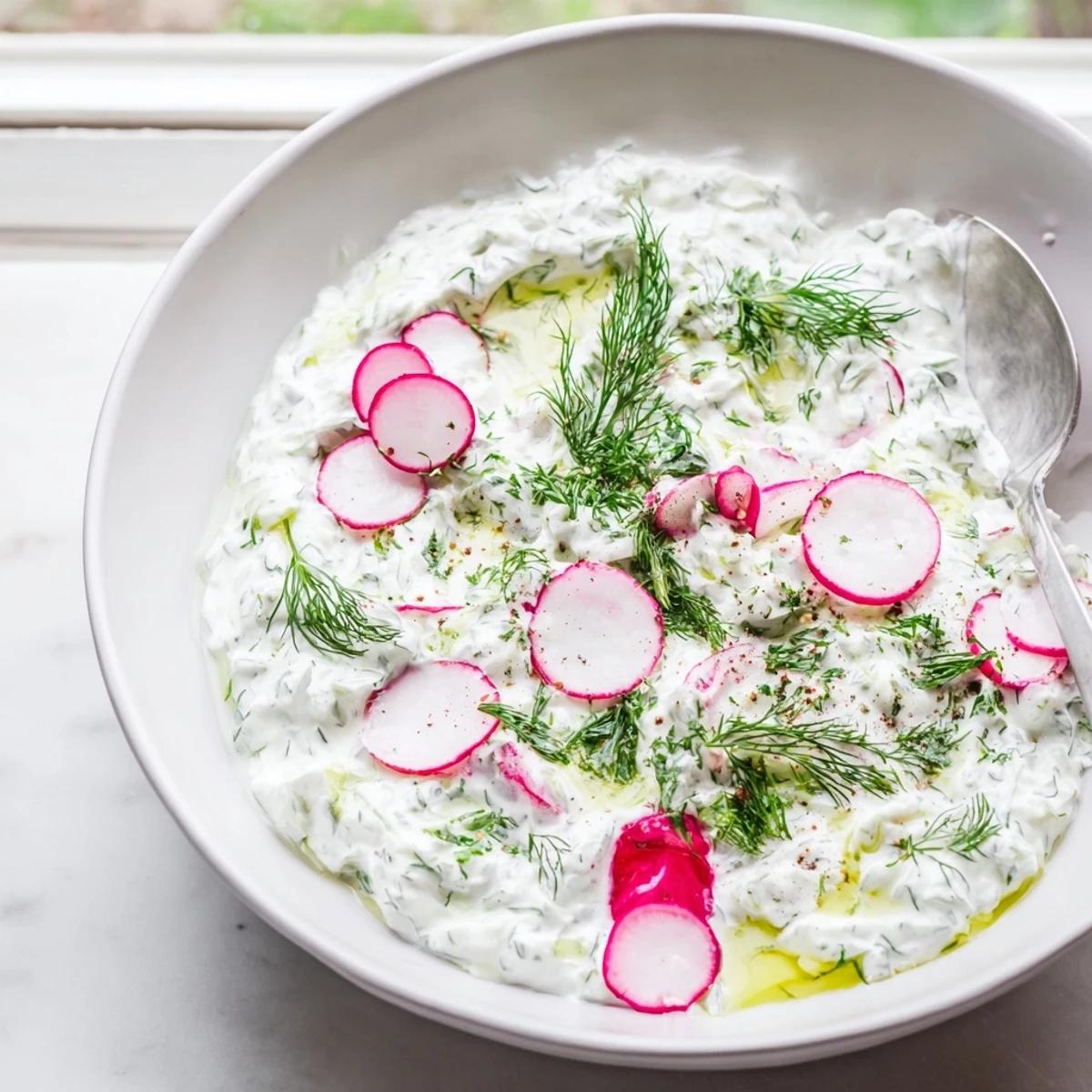
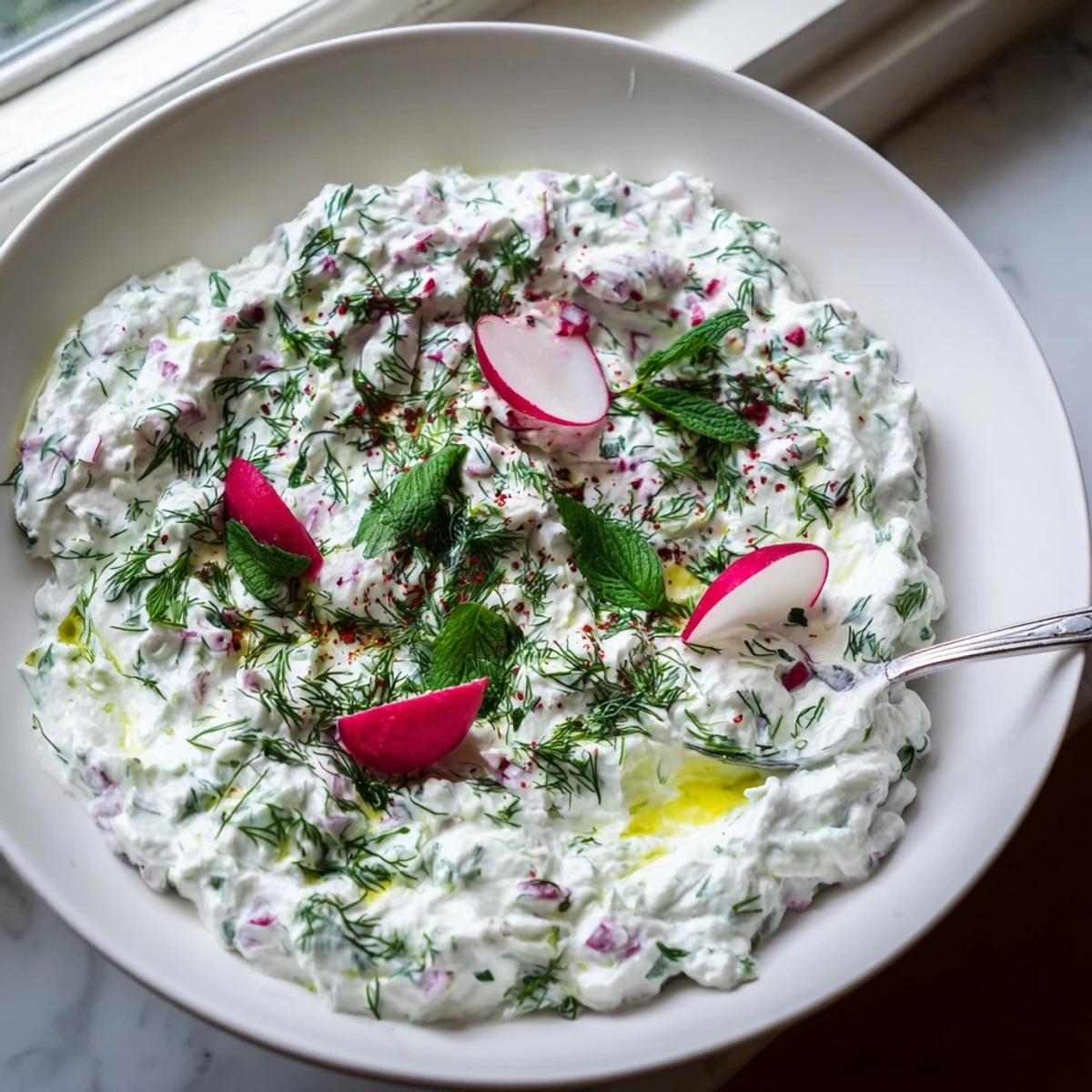
 This vibrant tzatziki variation swaps traditional cucumber-heavy ratios for a balanced mix of crisp radishes and cooling cucumber. The radishes add a delightful peppery bite and satisfying crunch that elevates the classic Mediterranean dip. Greek yogurt creates a creamy base while fresh dill, mint, and lemon juice provide bright, herbaceous notes. Perfect for summer gatherings, light lunches, or as a versatile condiment for grilled vegetables and meats.
I was wandering through the farmers market last spring when I stumbled upon a bundle of radishes so vibrant they stopped me in my tracks. The vendor told me they were perfect raw, but I had this wild idea about tzatziki that wouldn't leave my head. My Greek grandmother would probably raise an eyebrow, but sometimes the best discoveries happen when you break tradition. That afternoon, my kitchen became a laboratory of possibility.
Last summer, I brought this to a potluck and watched it disappear within minutes. My friend Sarah, who claims to hate radishes, went back for thirds. She couldn't believe I'd replaced half the cucumber with those gorgeous pink roots. Now she texts me every week asking if I've made another batch.
Ingredients
- 8 medium radishes: The star of the show, bringing that signature peppery bite and stunning pink color that makes this dip unforgettable
- 1 small cucumber: Provides classic tzatziki freshness and balances the radishes with familiar cool flavors
- 1 garlic clove: Minced finely so it disperses evenly throughout without overwhelming the delicate herbs
- 1 cup Greek yogurt: The creamy foundation that ties everything together, whether you choose low-fat or full-fat is entirely up to you
- 2 tablespoons fresh dill: Essential for that authentic Mediterranean brightness that cuts through the richness
- 1 tablespoon fresh mint: Optional but highly recommended for an extra layer of cool complexity
- 1 tablespoon lemon juice: Freshly squeezed adds just the right acidic brightness to wake up all the flavors
- 1 teaspoon extra-virgin olive oil: A finishing touch that adds luxurious mouthfeel and fruity depth
- ½ teaspoon salt and ¼ teaspoon black pepper: Simple seasonings that let the fresh vegetables truly shine
Instructions
- Prep your vegetables:
- Grate those radishes and cucumber until you have a fragrant, colorful pile, then wrap them in a clean kitchen towel and squeeze with all your might until you've extracted every drop of excess liquid
- Mix the base:
- In a medium bowl, fold together your Greek yogurt with the squeezed vegetables, minced garlic, chopped herbs, lemon juice, olive oil, salt, and pepper until everything is beautifully incorporated
- Taste and adjust:
- Scoop a tiny bit onto a spoon and let yourself really taste it, then add more salt, pepper, or lemon juice until it sings exactly the way you want it to
- Let it rest:
- Pop the bowl in the fridge for at least 30 minutes if you can, because this time allows all the flavors to become best friends
- Serve it up:
- Pile it into a serving bowl, drizzle with a little extra olive oil, and sprinkle with fresh herbs because we eat with our eyes first
 Save to Pinterest
 My version of tzatziki has become such a staple at our weekly family dinners that my niece now requests it specifically whenever she comes over. There's something magical about watching someone take that first tentative bite, eyes widening as they realize radishes can be this transformative.
Make It Your Own
I've discovered that adding a pinch of red pepper flakes creates this beautiful warmth that balances the cool vegetables perfectly. Some days I'll throw in some chopped parsley for extra green, or swap the mint for basil when I'm feeling rebellious. The recipe forgives all kinds of experimentation.
Serving Ideas
Beyond the obvious veggie platter, try slathering this on a turkey burger or using it as a sauce for grilled fish. I've even stirred it into scrambled eggs for breakfast, which sounds strange but trust me on this one. It's incredibly versatile.
Storage and Make-Ahead Tips
This dip keeps beautifully in an airtight container for about two days, though the texture may become slightly more watery as time goes on. A quick stir brings it right back to life. Honestly, it rarely lasts that long in my house anyway.
- Use the coarse side of your grater for better texture
- Room temperature vegetables grate more easily than cold ones
- Save a few radish slices for garnish
 Save to Pinterest
 There's nothing quite like watching someone fall in love with radishes for the first time through this dip. It's become my go-to for convincing skeptics that the humblest ingredients can create something extraordinary.
Recipe Questions & Answers
- → What makes this radish tzatziki different from traditional versions?
-
This version incorporates grated radishes alongside cucumber, adding a subtle peppery bite and extra crunch. The radishes provide more texture and a slightly spicier flavor profile compared to traditional cucumber-only preparations.
- → How long does this dip last in the refrigerator?
-
Store in an airtight container for up to 2 days. The flavors actually develop and meld better after sitting for a few hours, though the texture may become slightly more watery as vegetables release moisture.
- → Can I make this dairy-free?
-
Absolutely. Substitute Greek yogurt with any unsweetened plant-based yogurt alternative. Coconut, almond, or soy yogurts work well, though the texture and flavor profile will vary slightly from the traditional version.
- → Do I really need to squeeze out the liquid from the grated vegetables?
-
Yes, this step is crucial. Removing excess moisture prevents your dip from becoming watery and ensures a creamy, thick consistency. Use a clean kitchen towel or cheesecloth to squeeze out as much liquid as possible.
- → What are the best serving suggestions?
-
Serve chilled with fresh vegetable sticks, pita bread, or crackers. It also works beautifully as a sauce for grilled meats, a spread for sandwiches, or a topping for baked potatoes and roasted vegetables.
- → Can I adjust the herbs used in this preparation?
-
Certainly. Fresh dill and mint are classic choices, but you can experiment with parsley, basil, or even cilantro. Keep the total herb quantity similar to maintain the balanced flavor profile.