
 Save to Pinterest
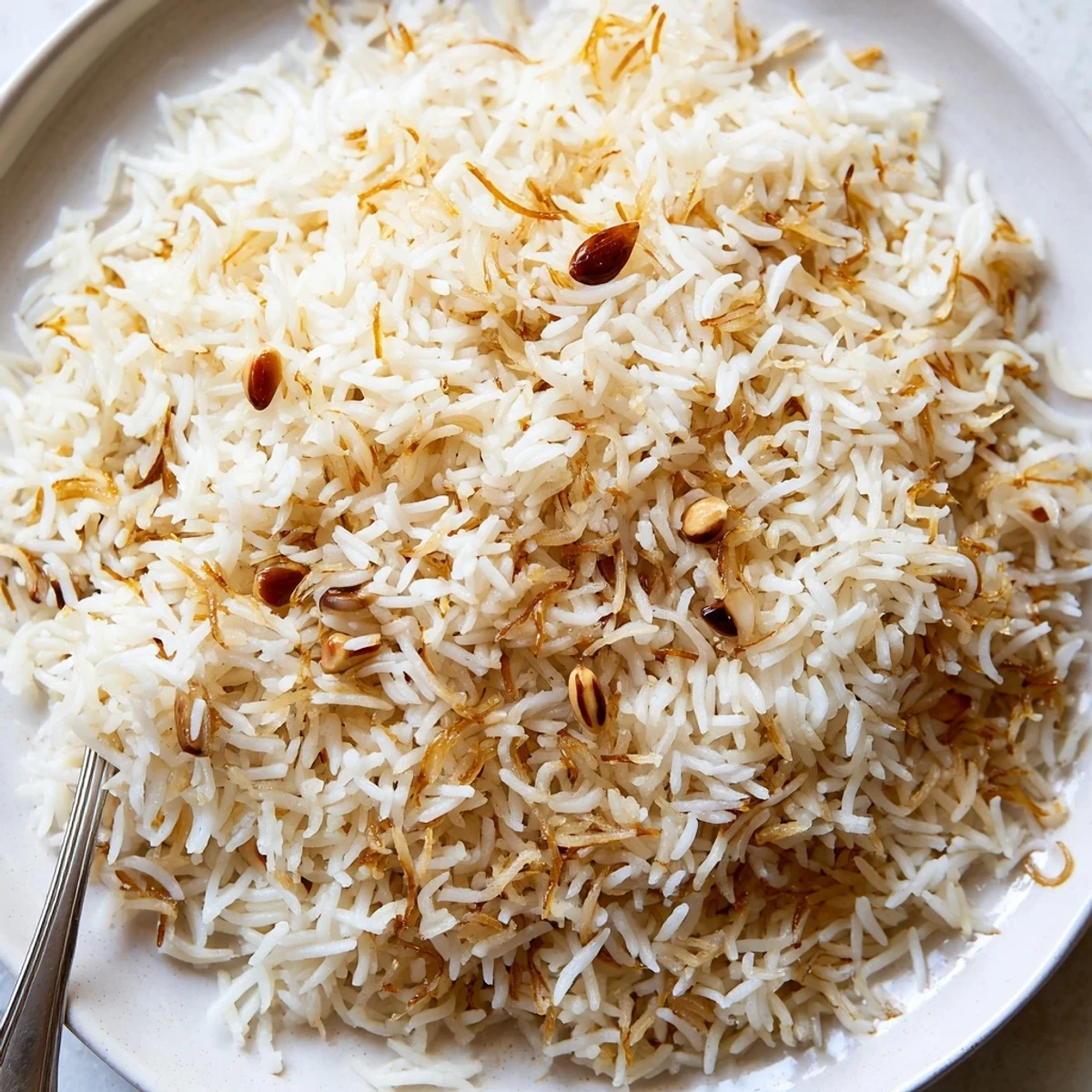
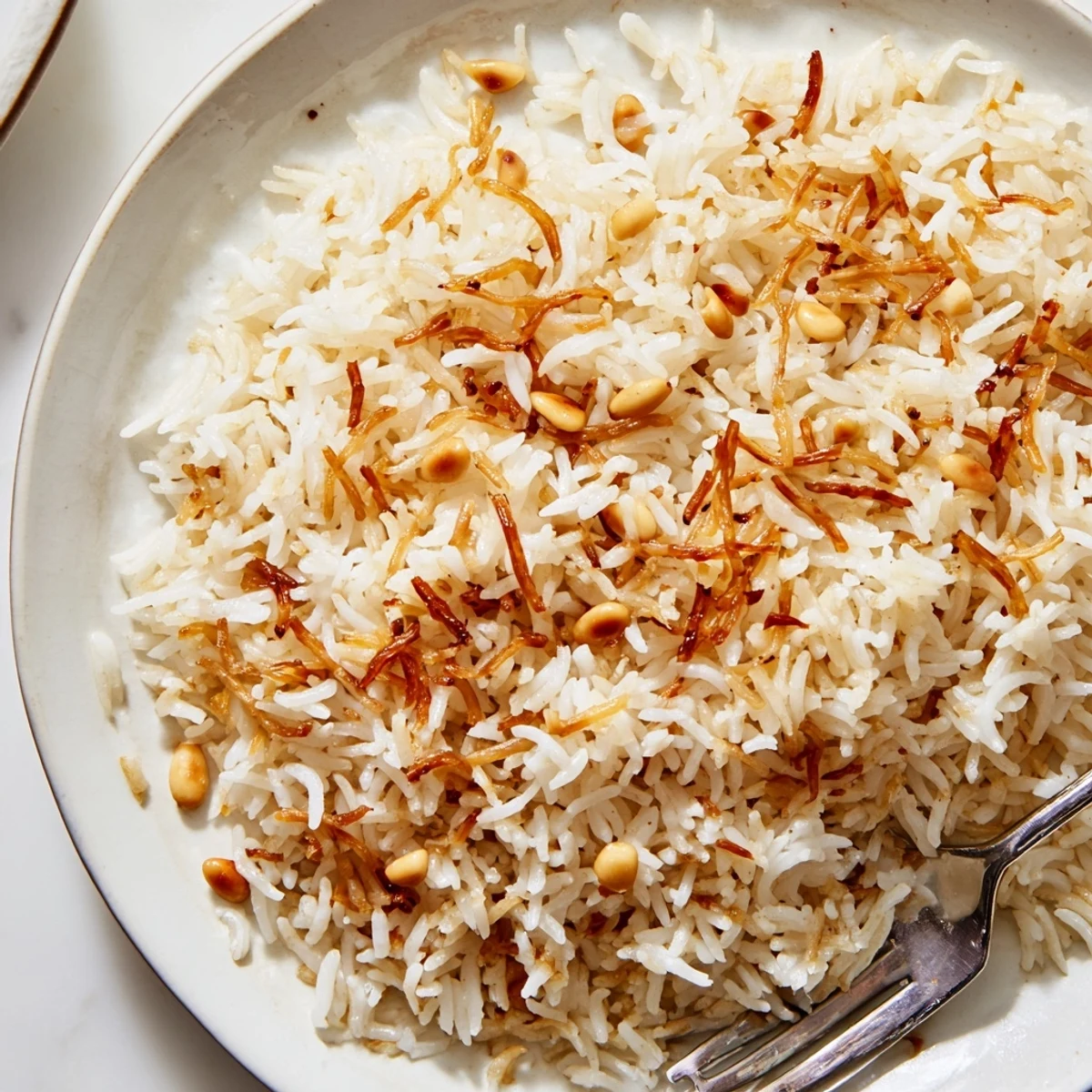
 This classic Lebanese rice combines long-grain basmati with toasted vermicelli noodles sautéed in butter and olive oil until deeply golden. The rice is rinsed, then coated in the fragrant fats before simmering in water or broth until perfectly fluffy.
Ready in just 30 minutes with minimal hands-on time, this versatile side pairs beautifully with grilled kebabs, rich stews, or roasted vegetables. A few whole spices like cinnamon or cardamom can elevate the aroma, and a finishing sprinkle of butter-toasted pine nuts adds traditional crunch.
The sound of vermicelli hitting hot butter is one of those kitchen noises that instantly transports me, a rapid crackle and hiss that promises something golden and wonderful. My neighbor Hala once taught me that Lebanese rice isnt just a side dish, its the quiet hero of the entire table. She tossed a handful of broken pasta into her saucepan without measuring, shrugged, and said the rice already knows what to do. She was right, and Ive been making it her way ever since.
I once brought a pot of this to a backyard cookout, fully expecting the grilled meats to steal the show, but three different people asked me for the rice recipe before the evening was over.
Ingredients
- Long grain white rice (1 cup, basmati preferred): The foundation of the dish, basmati gives you those separate, elegant grains that never clump together.
- Vermicelli noodles or broken angel hair pasta (1/2 cup): This is the soul of Lebanese rice, toasting it in butter transforms it into something deeply savory and fragrant.
- Unsalted butter (2 tablespoons): Richness and flavor, always unsalted so you control the seasoning.
- Olive oil (1 tablespoon): Keeps the butter from browning too quickly and adds a subtle fruity note.
- Water or vegetable broth (1 3/4 cups): Broth adds another layer of flavor, but water works beautifully when the rice shares the plate with a saucy stew.
- Salt (1/2 teaspoon): Just enough to make everything taste like itself.
Instructions
- Wash the rice well:
- Rinse the rice under cold running water, swirling it with your fingers, until the water turns from cloudy to perfectly clear. This removes surface starch and is the single most important step for achieving that fluffy, separate grain texture.
- Toast the vermicelli:
- Melt the butter and olive oil together in a medium saucepan over medium heat, then add the vermicelli and stir constantly as it turns from pale blonde to a deep, toasty gold. Watch it like a hawk because the line between perfectly golden and burnt is only about thirty seconds.
- Coat the rice:
- Stir the drained rice into the pan and let it sizzle in the buttery pasta mixture for about a minute, coating every single grain. You will hear a gentle crackling sound and smell something wonderfully nutty.
- Add liquid and bring to a boil:
- Pour in the water or broth and add the salt, stir just once to distribute everything evenly, then let it come to a gentle rolling boil. Resist the urge to keep stirring from this point forward.
- Steam until tender:
- Drop the heat to its lowest setting, clamp on a tight fitting lid, and walk away for 15 to 18 minutes while the rice absorbs every drop of liquid undisturbed. Lifting the lid even once releases steam that the rice needs to cook properly.
- Rest and fluff:
- Take the pot off the heat entirely and let it sit with the lid still on for 5 full minutes, then fluff gently with a fork, lifting rather than mashing. This resting period is what gives the grains their final tender push and keeps them from sticking.
 Save to Pinterest
 There was a Tuesday night when this rice, a simple tomato salad, and some leftover chicken turned into one of those meals where nobody spoke because everyone was too busy eating.
Variations Worth Trying
Toss a cinnamon stick or a couple of lightly crushed cardamom pods into the pot with the liquid for a warming, aromatic twist that fills the whole kitchen with spice.
Making It Vegan
Replace the butter with an additional tablespoon of olive oil and you lose none of the magic, the vermicelli still toasts beautifully and the rice remains just as fluffy and satisfying.
Serving Suggestions
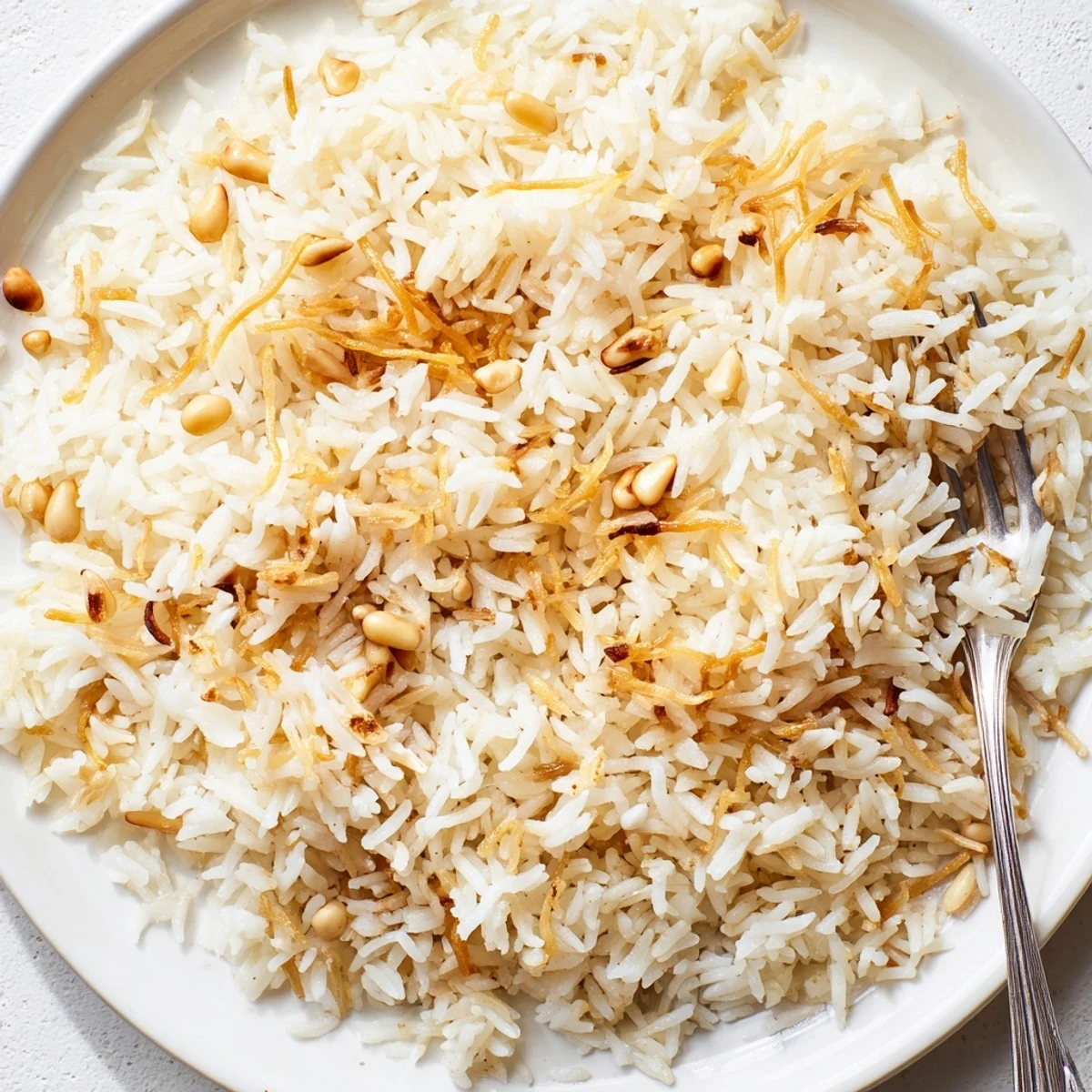
This rice is a natural companion to anything saucy or grilled, but it also shines on its own with a scattering of butter toasted pine nuts on top.
- Spoon it alongside lamb kofta or chicken shawarma for a classic Lebanese spread.
- Use leftovers as a base for a next day grain bowl with roasted vegetables and a drizzle of tahini.
- Always fluff with a fork, never a spoon, to keep every grain light and distinct.
 Save to Pinterest
 Some dishes earn their place at the table through complexity, but this one wins by being simple, reliable, and genuinely comforting every single time.
Recipe Questions & Answers
- → Can I make Lebanese rice without vermicelli?
-
Yes, you can omit the vermicelli and simply cook the rice in butter and olive oil. However, the toasted vermicelli is what gives this dish its signature nutty flavor and traditional Lebanese character, so it's highly recommended to include it.
- → What type of rice works best for this dish?
-
Long-grain white rice such as basmati is ideal because it produces fluffy, separate grains. Medium or short-grain rice will result in a stickier texture that doesn't match the traditional Lebanese style.
- → How do I prevent the vermicelli from burning while toasting?
-
Keep the heat at medium and stir the vermicelli constantly once it starts browning. It can go from golden to burnt very quickly, usually within 2–3 minutes. Remove the pan from heat momentarily if browning too fast.
- → Can I make this dish vegan?
-
Absolutely. Simply replace the butter with additional olive oil or a plant-based butter alternative. The vermicelli will still toast beautifully, though you'll lose some of the characteristic buttery richness.
- → How should I store and reheat leftover Lebanese rice?
-
Store cooled rice in an airtight container in the refrigerator for up to 4 days. To reheat, sprinkle a few drops of water over the rice and warm it in the microwave covered, or gently steam it on the stovetop to restore fluffiness.
- → Why do I need to rinse the rice before cooking?
-
Rinsing removes excess surface starch that causes rice grains to clump together and become gummy. For Lebanese rice, you want each grain to be separate and fluffy, so rinsing until the water runs clear is an essential step.