
 Save to Pinterest
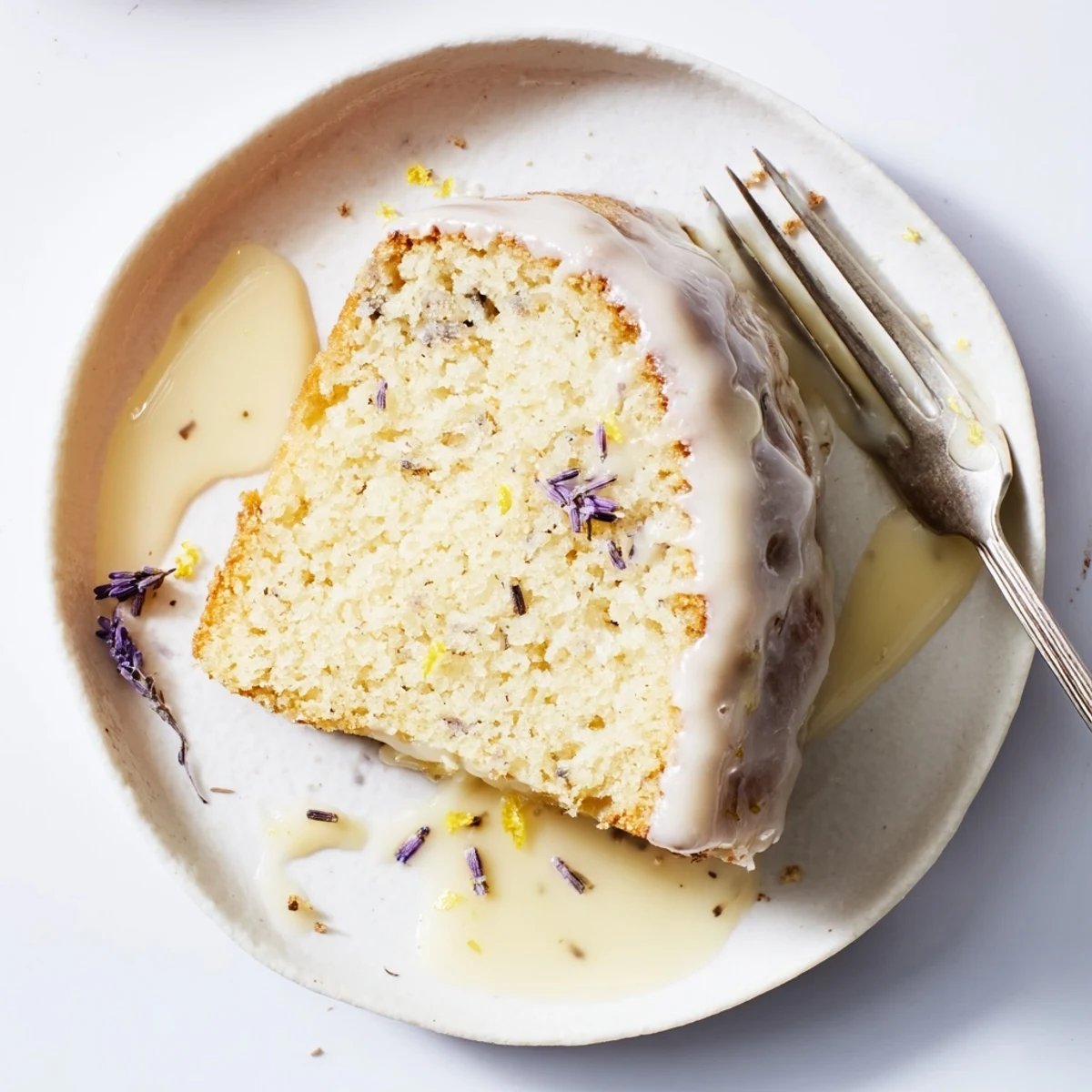
 This delicate European-style cake brings together the bright freshness of lemon with the gentle floral aroma of lavender. The result is a wonderfully moist, tender crumb that feels special enough for spring gatherings yet simple enough for everyday baking.
The key to success is using culinary-grade lavender and thoroughly rubbing the lemon zest into the sugar to release those aromatic oils. The combination creates something uniquely sophisticated—neither flavor overpowers the other, instead they balance beautifully in each bite.
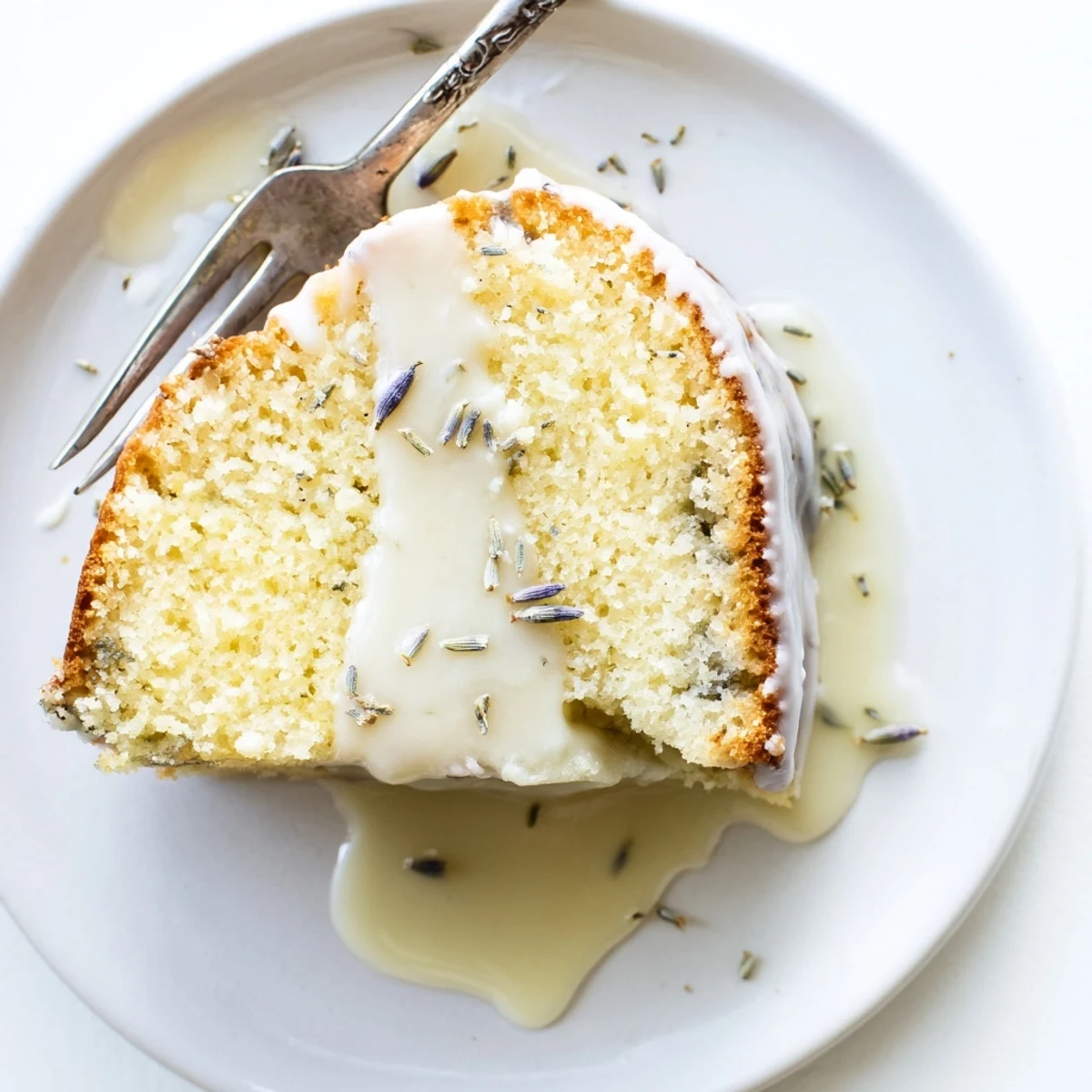
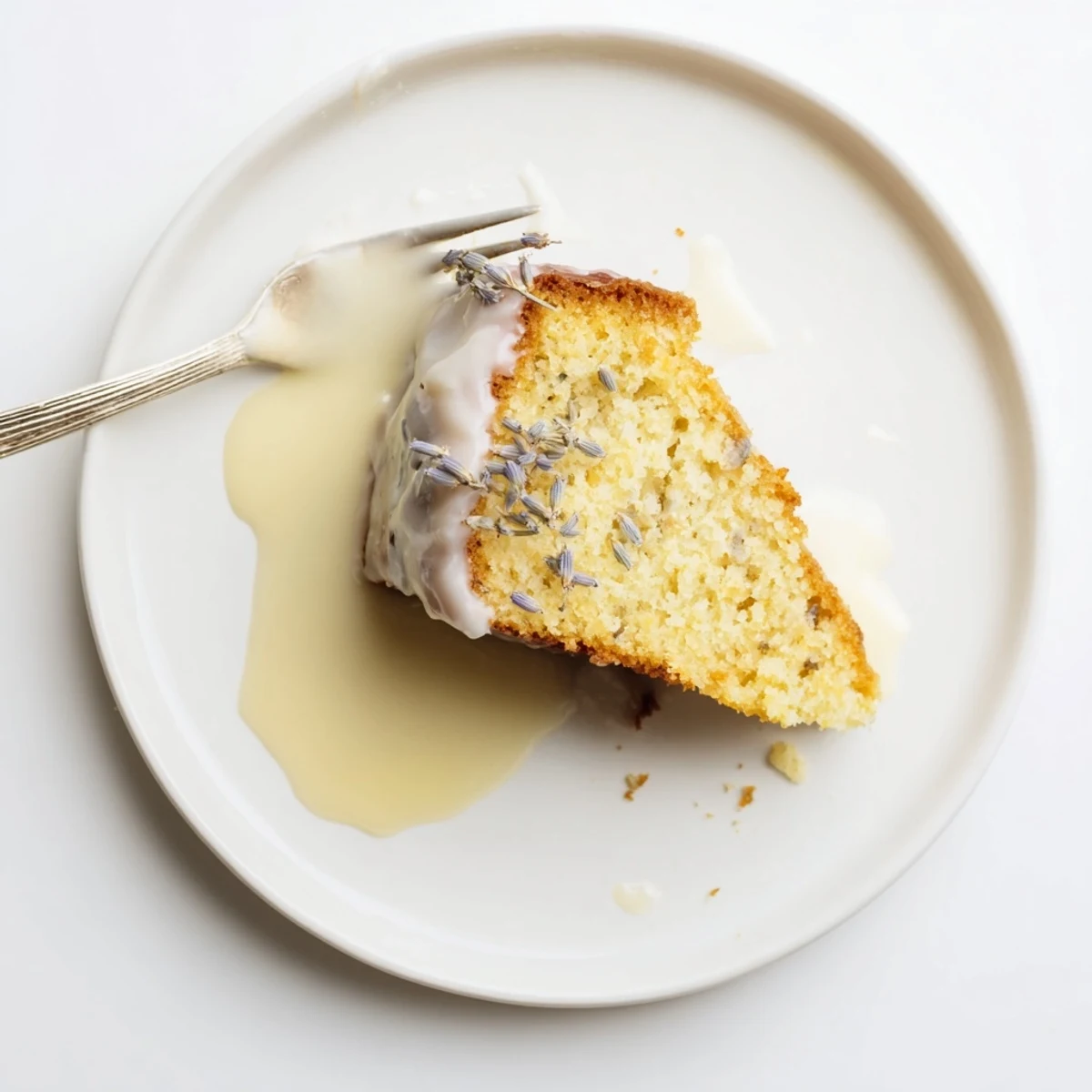
A tangy lemon glaze adds the perfect finishing touch, while optional lavender garnish makes for stunning presentation. Serve alongside Earl Grey or chamomile tea to complement the floral notes.
The first time I baked with lavender, I accidentally used twice the amount called for and my kitchen smelled like a spa for days. My roommate walked in, took one breath, and asked if we were starting a soap business. That mishap taught me exactly how potent those little purple buds can be—just enough makes something magical, too much and you are eating perfume.
I made this cake last spring for my mothers birthday, and she literally stopped mid-conversation after her first bite. She asked what the secret ingredient was, and when I told her lavender, her eyes lit up. Now it is her requested cake for every special occasion, and I have learned to always keep a jar of culinary lavender in my pantry.
Ingredients
- 2 cups all-purpose flour: The foundation that gives this cake its tender crumb
- 1 ½ teaspoons baking powder: Helps the cake rise beautifully without becoming too dense
- ½ teaspoon baking soda: Works with the acidic lemon juice for extra lift
- ¼ teaspoon salt: Balances sweetness and enhances all the flavors
- 1 tablespoon dried culinary lavender: The star ingredient—make sure it is labeled for food use
- 1 cup granulated sugar: Sweetens while letting the floral notes shine through
- Zest of 2 lemons: Rub this into the sugar to release all those fragrant oils
- ½ cup unsalted butter, softened: Creates richness and a tender texture
- 2 large eggs, room temperature: Bring these to room temp for better emulsification
- 1 teaspoon vanilla extract: Adds warmth and depth to the flavor profile
- ¾ cup whole milk: Makes for a moist, velvety crumb
- ⅓ cup fresh lemon juice: Provides brightness and activates the baking soda
- 1 cup powdered sugar: For the glaze that ties everything together
- 2–3 tablespoons fresh lemon juice: Adjust this to get your ideal glaze consistency
- ½ teaspoon dried culinary lavender, optional: A beautiful garnish that hints at what is inside
Instructions
- Preheat your oven and prepare the pan:
- Heat to 350°F and generously grease a 9-inch round pan, then dust with flour for easy release later.
- Whisk together your dry ingredients:
- Combine flour, baking powder, baking soda, salt, and chopped lavender in a medium bowl.
- Infuse the sugar with lemon:
- Rub the lemon zest into the granulated sugar with your fingers until it becomes fragrant and moist.
- Cream the butter and sugar:
- Beat the butter into the lemon sugar until light and fluffy, about 3 full minutes.
- Add the eggs and vanilla:
- Beat in eggs one at a time, then add vanilla and mix until everything is incorporated.
- Combine wet and dry ingredients:
- Alternate adding the dry mixture and milk, starting and ending with dry, then fold in the lemon juice gently.
- Bake until perfectly done:
- Pour batter into your prepared pan and bake for 30–35 minutes until a toothpick comes out clean.
- Cool completely before glazing:
- Let the cake rest in the pan for 10 minutes, then cool fully on a wire rack.
- Make the finishing touch:
- Whisk powdered sugar with lemon juice until smooth and drizzle over the cooled cake.
 Save to Pinterest
 This cake has become my go-to for new neighbors and condolence meals alike. There is something about the combination of citrus and flowers that feels like comfort food with an elegant twist, and people always ask for the recipe before they even finish their first slice.
Making It Ahead
I have learned that this cake actually tastes better the next day, giving the lavender time to mellow and meld with the lemon. Wrap it tightly once cooled, and it will stay moist on the counter for up to three days—though it rarely lasts that long in my house.
Serving Suggestions
This cake shines when served alongside a cup of Earl Grey or chamomile tea, the floral notes complementing each other beautifully. A dollop of lightly sweetened whipped cream on the side never hurt anyone either.
Getting The Lavender Right
Chop the lavender buds finely before adding them to the dry ingredients, which helps distribute the flavor evenly throughout the cake. If you are worried about it being too floral, start with half the amount and taste the batter—you can always add more but cannot take it back.
- A quick rub of the buds between your fingers before chopping releases even more aroma
- Store your culinary lavender in a dark place to maintain its potency
- If the lavender flavor seems too strong at first, give the cake a day to soften
 Save to Pinterest
 There is something deeply satisfying about serving a cake that looks and tastes this special. I hope this recipe finds its way into your own collection of favorites.
Recipe Questions & Answers
- → Can I use fresh lavender instead of dried?
-
Yes, fresh lavender works beautifully. Use three times the amount of dried lavender called for, as fresh herbs are less potent. Make sure it's culinary-grade and hasn't been treated with pesticides.
- → How do I store this cake?
-
Keep at room temperature in an airtight container for up to 3 days. The glaze may soften slightly, but the flavors actually develop more depth after a day. Refrigerate for up to a week if your kitchen is warm.
- → Can I make this as cupcakes?
-
Absolutely. Portion the batter into a standard 12-cup muffin tin and reduce baking time to 18-22 minutes. You'll get about 15-18 cupcakes. Top with the same glaze once cooled.
- → What if I don't have culinary lavender?
-
You can substitute with dried rosemary or thyme for an herbal twist, or simply make it as a lemon cake. The lemon itself carries the dessert beautifully without the floral element.
- → Why rub the zest into the sugar?
-
This technique releases the essential oils from the lemon zest, infusing the sugar with maximum citrus flavor throughout the entire batter rather than having distinct pockets of lemon taste.
- → Can I freeze this cake?
-
Yes, freeze the unglazed cake wrapped tightly in plastic and foil for up to 3 months. Thaw overnight at room temperature, then add the glaze just before serving for the freshest appearance.