
 Save to Pinterest
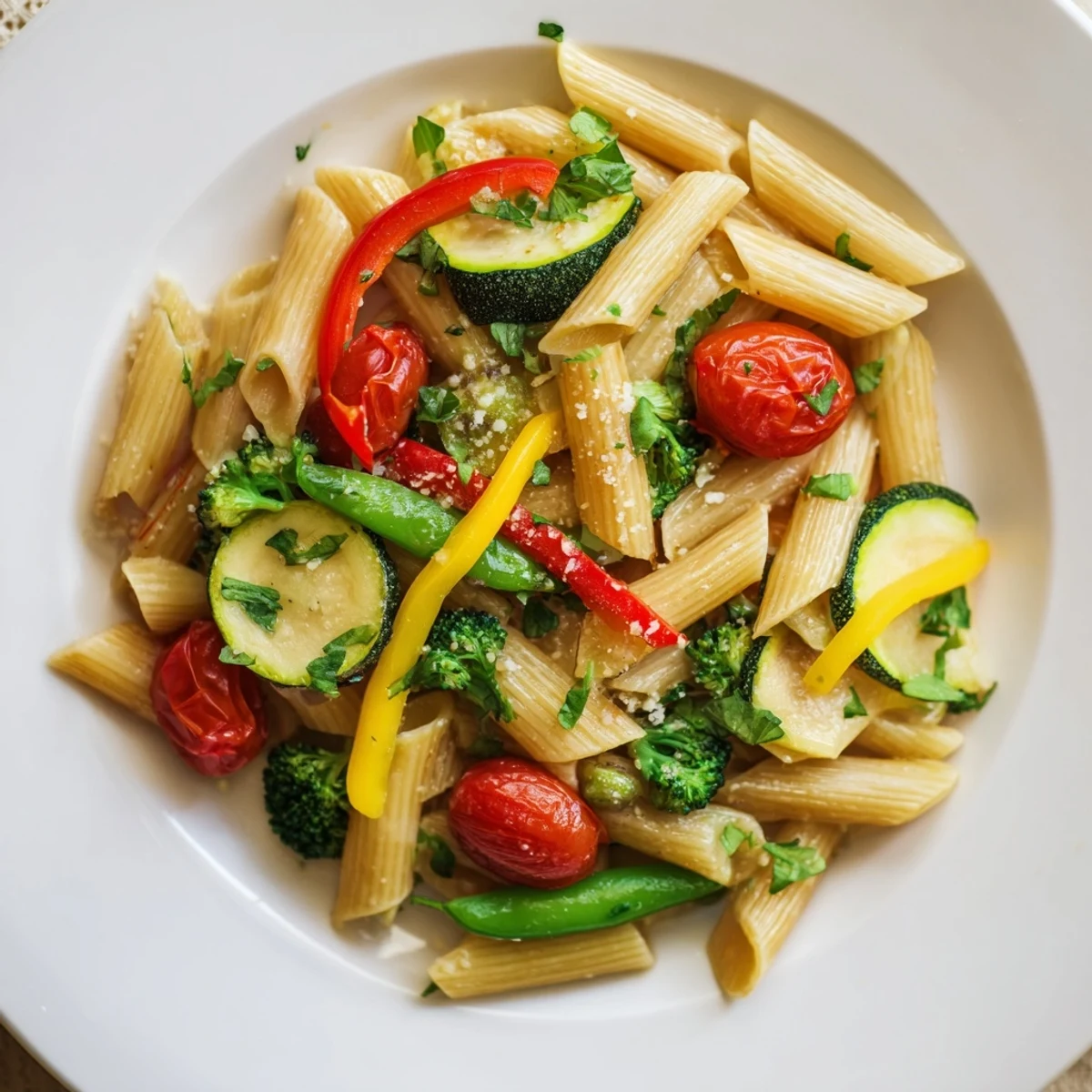
 This classic Italian dish combines perfectly cooked penne or spaghetti with an array of colorful spring vegetables. The zucchini, yellow squash, bell pepper, broccoli, cherry tomatoes, and sugar snap peas are sautéed until tender-crisp, then tossed with the pasta in a light sauce made with olive oil, garlic, vegetable broth, and fresh lemon juice. Finished with grated Parmesan, basil, and parsley, this vibrant meal comes together in just 40 minutes and serves four people beautifully.
The first time I made Pasta Primavera, I was trying to use up a random assortment of vegetables from my CSA box before they went bad. I ended up throwing in whatever was in the crisper drawer, and my roommate walked in asking what smelled so incredible. That happy accident taught me that the best version of this dish is whatever fresh vegetables you have on hand, though this particular combination has become my go-to for dinner parties.
Last spring, I made this for my friend who swears she hates vegetables. She took a hesitant bite, then went back for seconds and thirds, asking exactly what I did to make zucchini taste so good. There is something magical about how the vegetables caramelize slightly in the olive oil while staying crisp-tender, then get coated in that bright, garlicky sauce.
Ingredients
- 400 g penne or spaghetti: The shapes catch the sauce and vegetables perfectly, though any pasta works beautifully here.
- 1 small zucchini and yellow squash: Slice them thin so they cook quickly and get those gorgeous golden edges.
- 1 red bell pepper: Julienned into strips for sweetness and a pop of color that makes the dish sing.
- 1 cup cherry tomatoes: They burst in the pan and create little pockets of juicy sweetness in every bite.
- 1 cup sugar snap peas: These add incredible crunch and keep their vibrant green color for a beautiful presentation.
- 1 cup broccoli florets: Cut them small so they become tender without turning mushy.
- 3 tablespoons extra virgin olive oil: This becomes the base of your sauce, so use the good stuff.
- 3 cloves garlic: Minced fresh because jarred garlic cannot compare to the aroma of sautéing fresh cloves.
- 1/2 teaspoon crushed red pepper flakes: Optional, but I love the subtle warmth that lingers.
- 1/2 cup vegetable broth: Creates a silky sauce without being heavy.
- Juice of 1 lemon: The acid brightens everything and makes the vegetables taste fresher.
- 1/4 cup grated Parmesan: Salty and umami-rich, it ties all the flavors together.
- Fresh basil and parsley: Chopped and added at the very end for that just-picked herb aroma.
Instructions
- Get your pasta water going:
- Bring a large pot of salted water to boil and cook pasta until al dente, then drain while reserving that precious half cup of starchy pasta water.
- Build your flavor base:
- Heat olive oil in a large skillet over medium heat and sauté garlic and red pepper flakes for one minute until your kitchen smells amazing.
- Add the hearty vegetables:
- Toss in zucchini, squash, bell pepper and broccoli, sautéing for four to five minutes until they are just tender and starting to color.
- Add the quick-cooking vegetables:
- Add cherry tomatoes and sugar snap peas for another two to three minutes until the tomatoes start to burst.
- Create the sauce:
- Pour in vegetable broth and lemon juice, letting it simmer for two minutes and seasoning with salt and pepper.
- Bring it all together:
- Add the drained pasta to the skillet with Parmesan and a splash of pasta water, tossing until everything is glossy and coated.
- Finish with fresh herbs:
- Stir in basil and parsley, taste for seasoning, and serve immediately with extra Parmesan on the table.
 Save to Pinterest
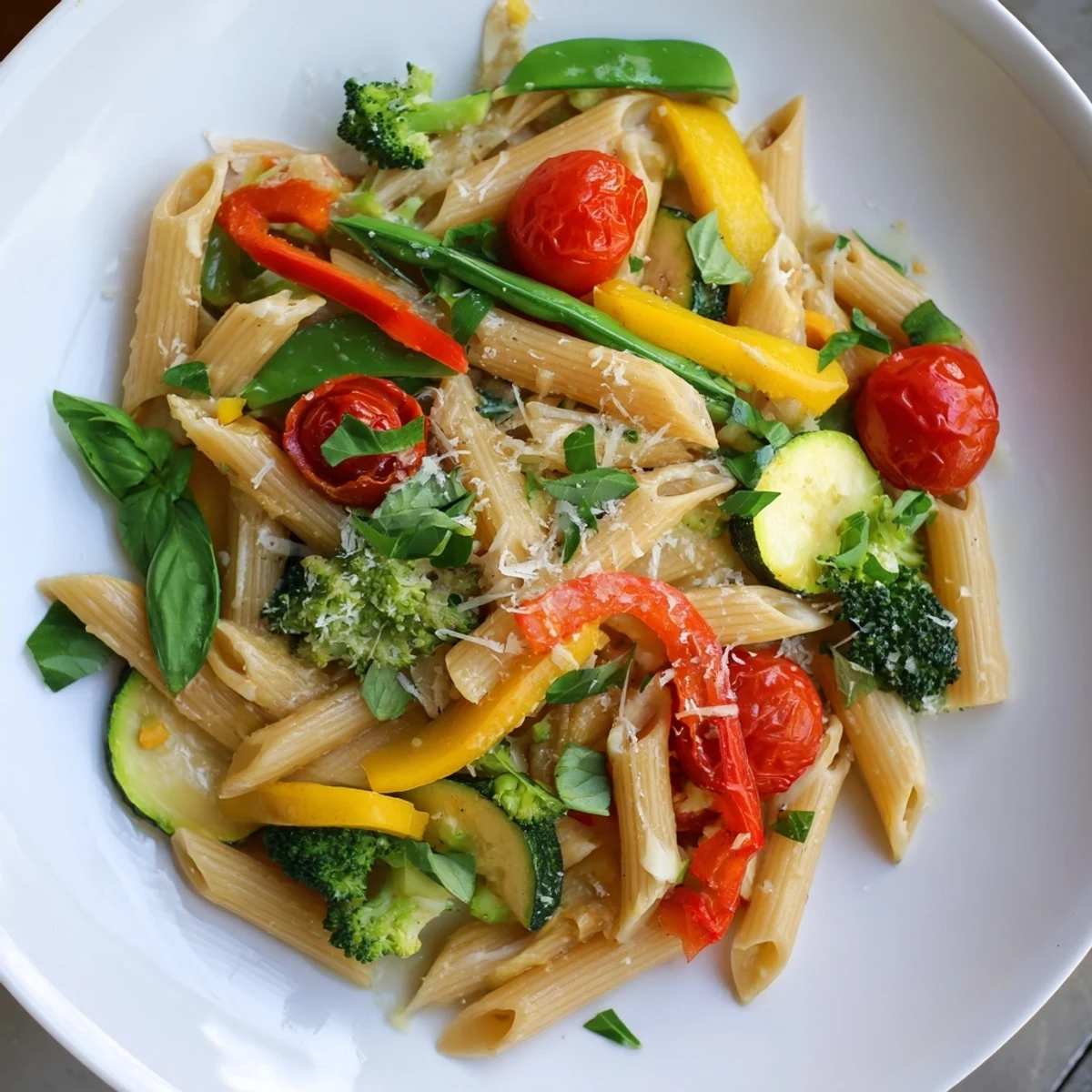
 This became my signature dish for casual dinner parties after I served it on a warm June evening and everyone sat around the table for hours, just talking and going back for small portions. The way the light hits those colorful vegetables and fresh herbs makes it feel like a celebration on a plate, no matter how ordinary a Tuesday night might be.
Making It Your Own
I have learned that Pasta Primavera is more of a template than a strict recipe, especially when vegetables are coming in and out of season. In summer I swap in corn and fresh asparagus, while winter versions might feature roasted butternut squash and kale. The key is keeping the vegetables in similar sized pieces so they cook evenly.
Perfecting The Timing
The biggest mistake I see is people adding all the vegetables at once, which leaves you with some mushy and some undercooked pieces. Stagger the additions based on cooking time, and do not be afraid to taste as you go. That final squeeze of lemon and handful of herbs should happen off the heat so their brightness stays intact.
Serving Suggestions
A simple green salad with a vinaigrette cuts through the richness while letting the pasta shine as the star. I love serving this with crusty bread to sop up any sauce left in the bowl. The dish actually travels well for potlucks if you keep the pasta and vegetables separate until serving time.
- Grate extra Parmesan at the table because watching it mound up on the pasta is part of the experience.
- A glass of crisp white wine makes this feel like an Italian vacation.
- Leftovers keep beautifully for lunch the next day, though the vegetables will soften.
 Save to Pinterest
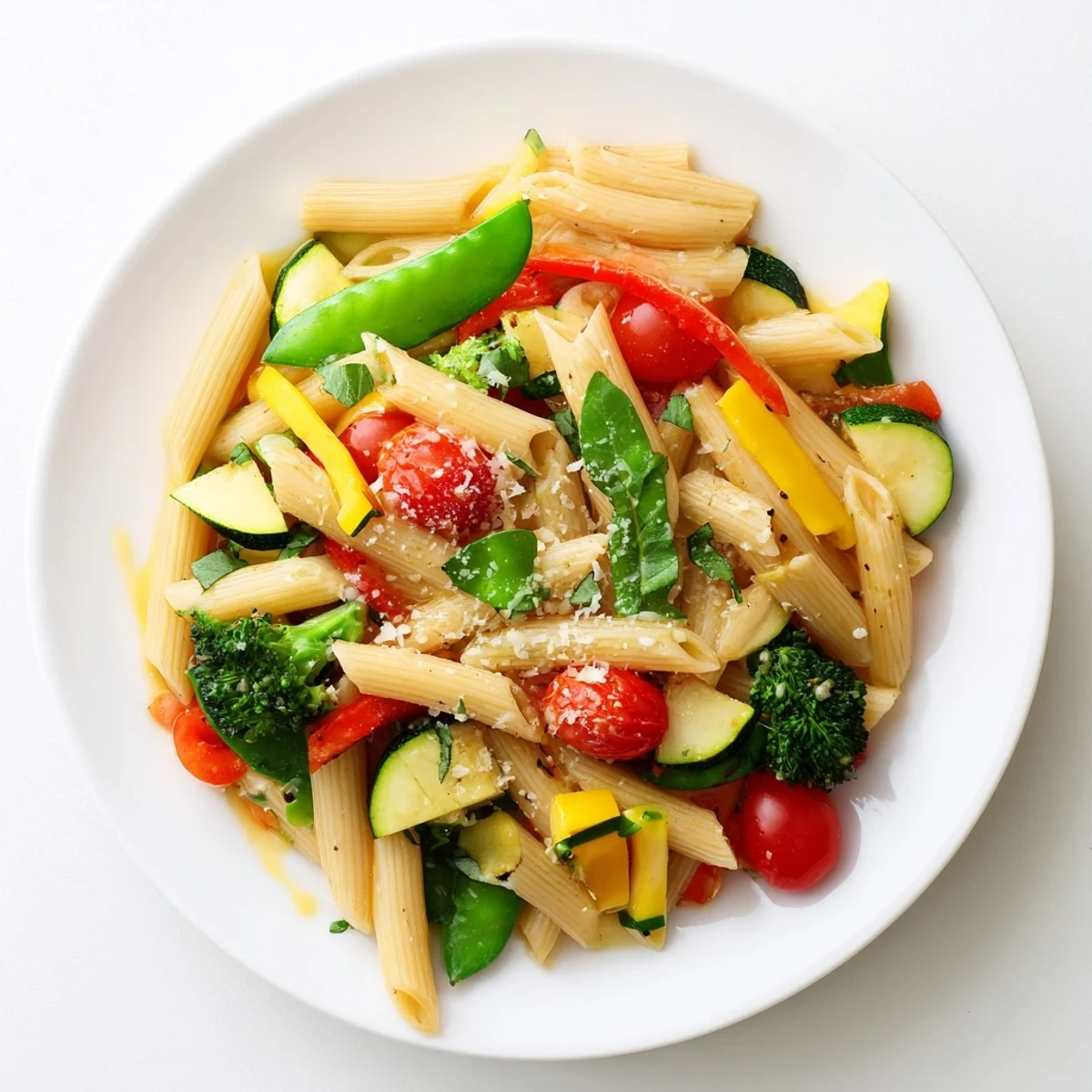
 There is something so satisfying about a dish that looks impressive but comes together in under an hour, using ingredients you probably already have. I hope this becomes one of those recipes you turn to again and again, adjusting the vegetables to match whatever is fresh and beautiful at the market.
Recipe Questions & Answers
- → What vegetables work best in pasta primavera?
-
Spring vegetables like zucchini, yellow squash, bell peppers, broccoli, cherry tomatoes, and sugar snap peas work beautifully. You can also add asparagus, green beans, or peas depending on the season.
- → How do I prevent the vegetables from becoming mushy?
-
Sauté the harder vegetables first (zucchini, squash, peppers, broccoli) for 4-5 minutes, then add softer vegetables like cherry tomatoes and snap peas for just 2-3 minutes. This keeps everything tender-crisp.
- → Can I make pasta primavera ahead of time?
-
It's best served fresh, but you can prepare the vegetables and sauce ahead. Cook the pasta just before serving and toss everything together while hot.
- → What pasta shapes work well for primavera?
-
Penne, spaghetti, fusilli, or farfalle all work wonderfully. Choose shapes that will catch the sauce and vegetables in their ridges or curves.
- → How can I add more protein to this dish?
-
Add cooked chicken, chickpeas, white beans, or shrimp. You could also stir in some ricotta cheese or top with mozzarella for extra protein and richness.
- → What wine pairs well with pasta primavera?
-
A crisp Pinot Grigio or Sauvignon Blanc complements the fresh vegetables and light sauce beautifully. Serve chilled to balance the warm pasta.