
 Save to Pinterest
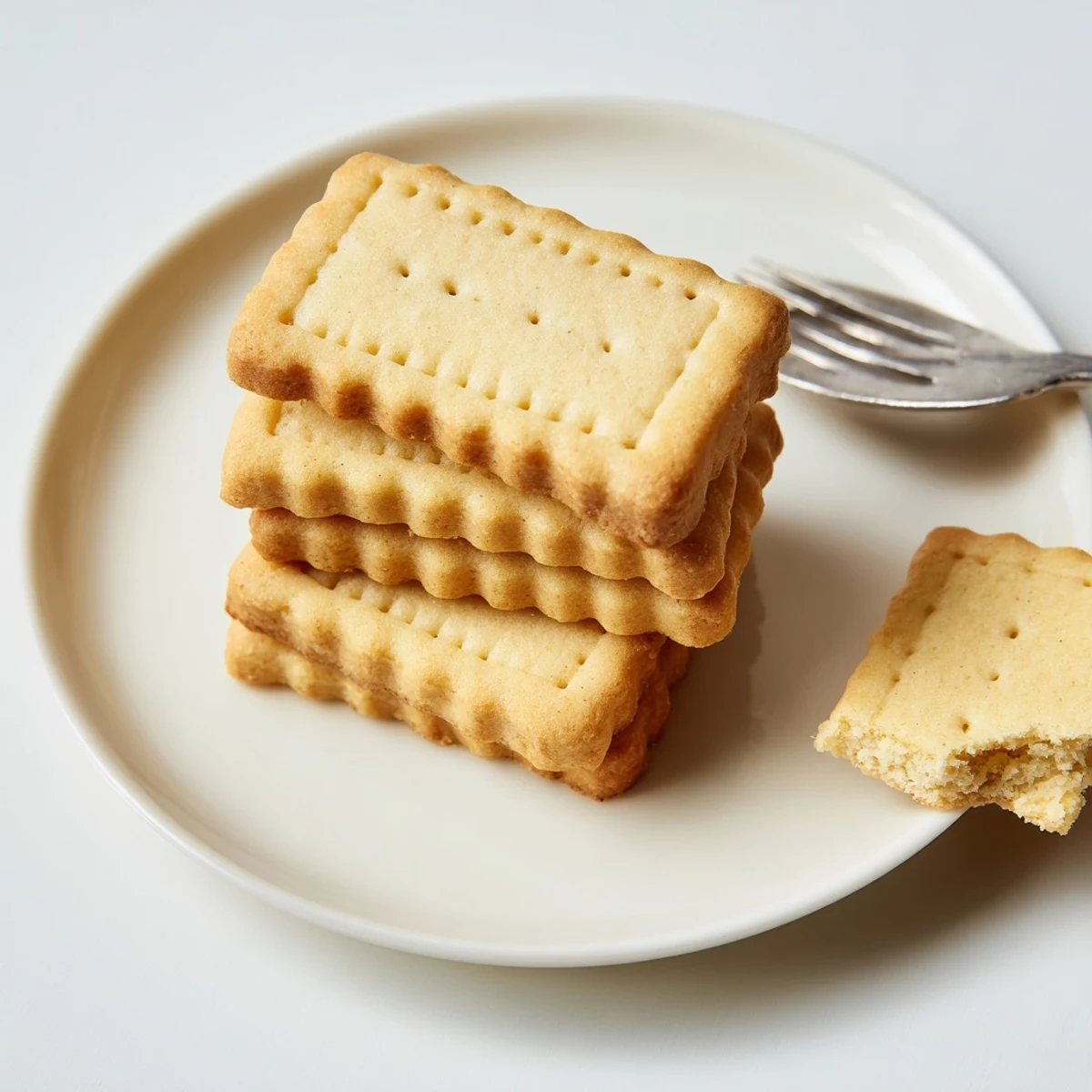
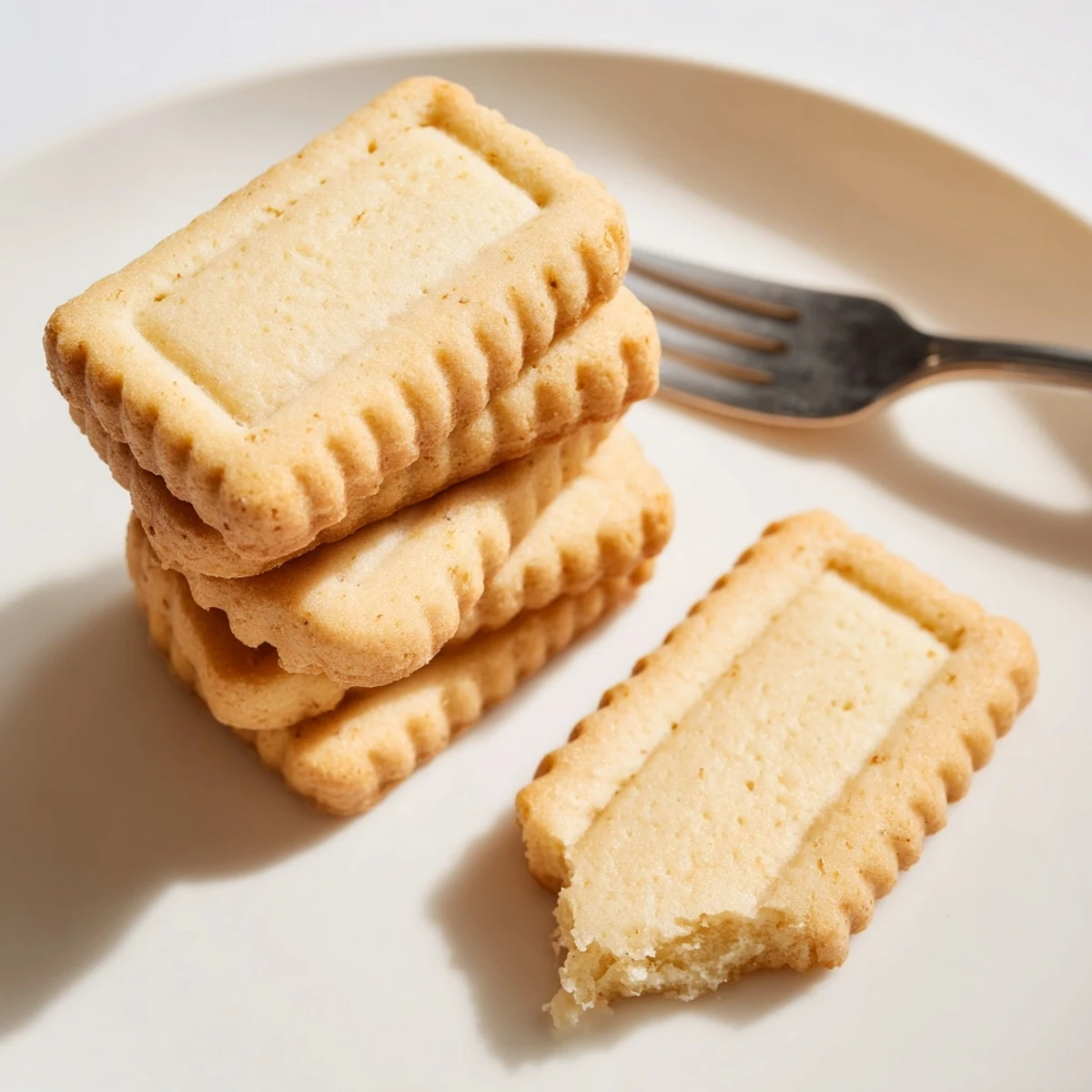
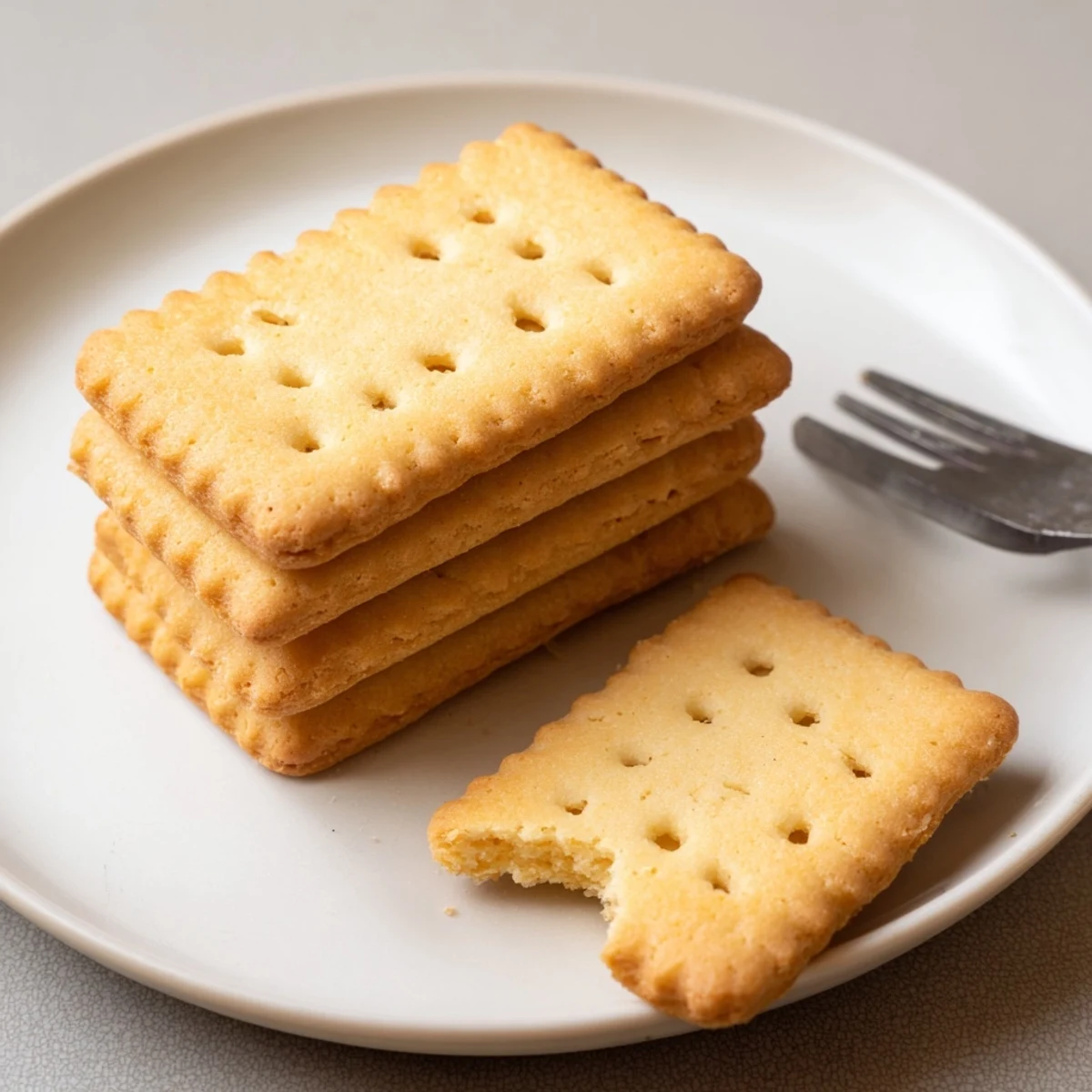
 Les petits beurre sont des biscuits français emblématiques, reconnaissables à leur forme rectangulaire cannelée et leurs petits trous caractéristiques. Dorés et croustillants, ils se préparent avec des ingrédients simples : farine, beurre, sucre et un soupçon de vanille.
La pâte nécessite un repos d'une heure au réfrigérateur pour faciliter le découpage et obtenir la texture parfaite. Une fois étalée finement sur 3 à 4 mm, on découpe les biscuits à l'emporte-pièce avant de les piquer à la fourchette et de les enfourner 12 minutes à 180°C.
Ces biscuits se conservent jusqu'à deux semaines dans une boîte hermétique et peuvent être personnalisés avec des zestes de citron ou un enrobage au chocolat.
The afternoon I burnt my first batch of petit beurre, I stood in the kitchen laughing at myself while the smoke alarm serenaded the whole apartment. My grandmother had always made these look effortless, her hands moving with the quiet confidence of someone who had rolled out dough a thousand times. It took me three more tries before I understood that patience with the resting dough is everything. Now the smell of warm butter and vanilla settling into flour brings me right back to that stubborn, flour dusted afternoon.
I made a double batch last winter for a neighborhood gathering and watched a retiring schoolteacher eat six of them standing by the punch bowl, pretending he was just holding them for his wife. There is something about a simple, honest biscuit that strips away all pretense and makes people genuinely happy.
Ingredients
- 200 g all purpose flour: The backbone of every petit beurre and regular flour works perfectly, just sift it to keep the texture light.
- 100 g granulated sugar: Not too sweet, just enough to round out the butter and let the vanilla shine through.
- 100 g unsalted butter: Good butter makes or breaks this recipe since there are so few ingredients to hide behind.
- 50 ml whole milk: Whole milk gives the dough a soft pliability that skim simply cannot match.
- 5 g baking powder: A gentle lift that keeps the biscuits from turning into crackers without making them cakey.
- 1 pinch of salt: Always salt your cookie dough, it wakes up every other flavor in the bowl.
- 1 vanilla bean or 1 packet vanilla sugar: The scraped seeds from a real pod are worth the splurge, though vanilla sugar will do in a pinch.
Instructions
- Melt and marry the wet ingredients:
- Gently warm the butter with the milk in a saucepan over low heat, then stir in the sugar and vanilla until the mixture is completely smooth and fragrant.
- Cool the mixture slightly:
- Pour the warm liquid into a large mixing bowl and let it sit until you can comfortably rest your finger in it without flinching.
- Bring the dough together:
- Add the flour, baking powder, and salt all at once and stir with a wooden spoon until the dough pulls away from the sides and feels soft and uniform.
- Rest the dough in the fridge:
- Shape the dough into a ball, wrap it snugly in plastic film, and let it chill in the refrigerator for one full hour so it firms up enough to roll cleanly.
- Preheat your oven:
- Set the oven to 180 degrees Celsius with conventional heat and give it a good fifteen minutes to reach temperature before your first tray goes in.
- Roll and cut:
- Flour your work surface lightly and roll the dough to an even three to four millimeter thickness, then cut out rectangles with a fluted cutter for that classic petit beurre silhouette.
- Arrange and dock:
- Place each biscuit on a parchment lined baking sheet and gently prick the surface a few times with a fork, which helps them bake evenly and gives them their signature look.
- Bake until golden:
- Slide the tray into the center of the oven for twelve minutes, watching for the edges to turn a warm golden brown while the centers stay pale.
- Cool completely:
- Transfer the biscuits to a wire rack immediately and resist the urge to stack them until they are completely cool and crisp.
 Save to Pinterest
 One rainy Tuesday I packed a tin of these into my bag and brought them to a friend who had just moved into a bare apartment with nothing but a mattress and a kettle. We sat on the floor dipping biscuits into hot tea and the place already felt like home.
Ways to Make Them Your Own
A tablespoon of finely grated lemon zest folded into the dough transforms these into something bright and surprising that pairs beautifully with afternoon tea. You can also melt dark chocolate and dip half of each cooled biscuit, setting them on parchment until the shell hardens into a satisfying snap.
Keeping Them Fresh
Store your petit beurre in an airtight tin at room temperature and they will stay crisp and delicious for a full two weeks, though they rarely last that long in my household. Avoid stacking them while they are still even slightly warm because trapped moisture will soften the bottoms and undo all your careful baking work.
A Few Final Thoughts
Baking these biscuits is less about precision and more about paying attention to how the dough feels under your hands. Trust your instincts, learn from each batch, and enjoy the quiet rhythm of rolling and cutting.
- A fluted rectangular cutter gives the authentic look, but any shape you love will taste just as wonderful.
- If the dough cracks while rolling, let it sit at room temperature for five minutes before trying again.
- Always check your oven with a separate thermometer, because built in dials can be shockingly unreliable.
 Save to Pinterest
 Every tin of petit beurre you bake carries a little piece of French kitchen tradition into your own home. Share them generously and often.
Recipe Questions & Answers
- → Pourquoi faut-il laisser reposer la pâte au réfrigérateur ?
-
Le repos d'une heure au frais permet au beurre de se solidifier, ce qui rend la pâte plus facile à étaler et à découper. Il détend également le gluten de la farine, évitant que les biscuits ne rétrécissent à la cuisson.
- → Peut-on congserver les petits beurre plus longtemps ?
-
Oui, les petits beurre se congèlent très bien. Placez-les dans un sac hermétique adapté à la congélation et ils se conserveront jusqu'à 3 mois. Laissez-les décongeler à température ambiante avant de les déguster.
- → Comment obtenir des biscuits bien réguliers ?
-
Étalez la pâte de manière uniforme sur 3 à 4 mm d'épaisseur en utilisant des cales de guidage si nécessaire. Utilisez un emporte-pièce rectangulaire cannelé et espacez suffisamment les biscuits sur la plaque pour une cuisson homogène.
- → Peut-on remplacer la levure chimique ?
-
Vous pouvez utiliser un mélange de bicarbonate de soude et de crème de tartre en proportions égales, ou simplement ajouter une pincée supplémentaire de bicarbonate alimentaire. Les biscuits seront légèrement moins aérés mais tout aussi savoureux.
- → Pourquoi piquer les biscuits avec une fourchette ?
-
Le piquage traditionnel à la fourchette permet à la vapeur de s'échapper pendant la cuisson, évitant ainsi que les biscuits ne gonflent ou ne se déforment. C'est aussi ce qui donne aux petits beurre leur aspect caractéristique et authentique.
- → Quelle farine utiliser pour des petits beurre parfaits ?
-
La farine de blé tout usage type T55 est idéale pour obtenir la texture croustillante caractéristique. Évitez les farines trop riches en gluten qui rendraient les biscuits durs, ou les farines trop légères qui les rendraient friables.