
 Save to Pinterest
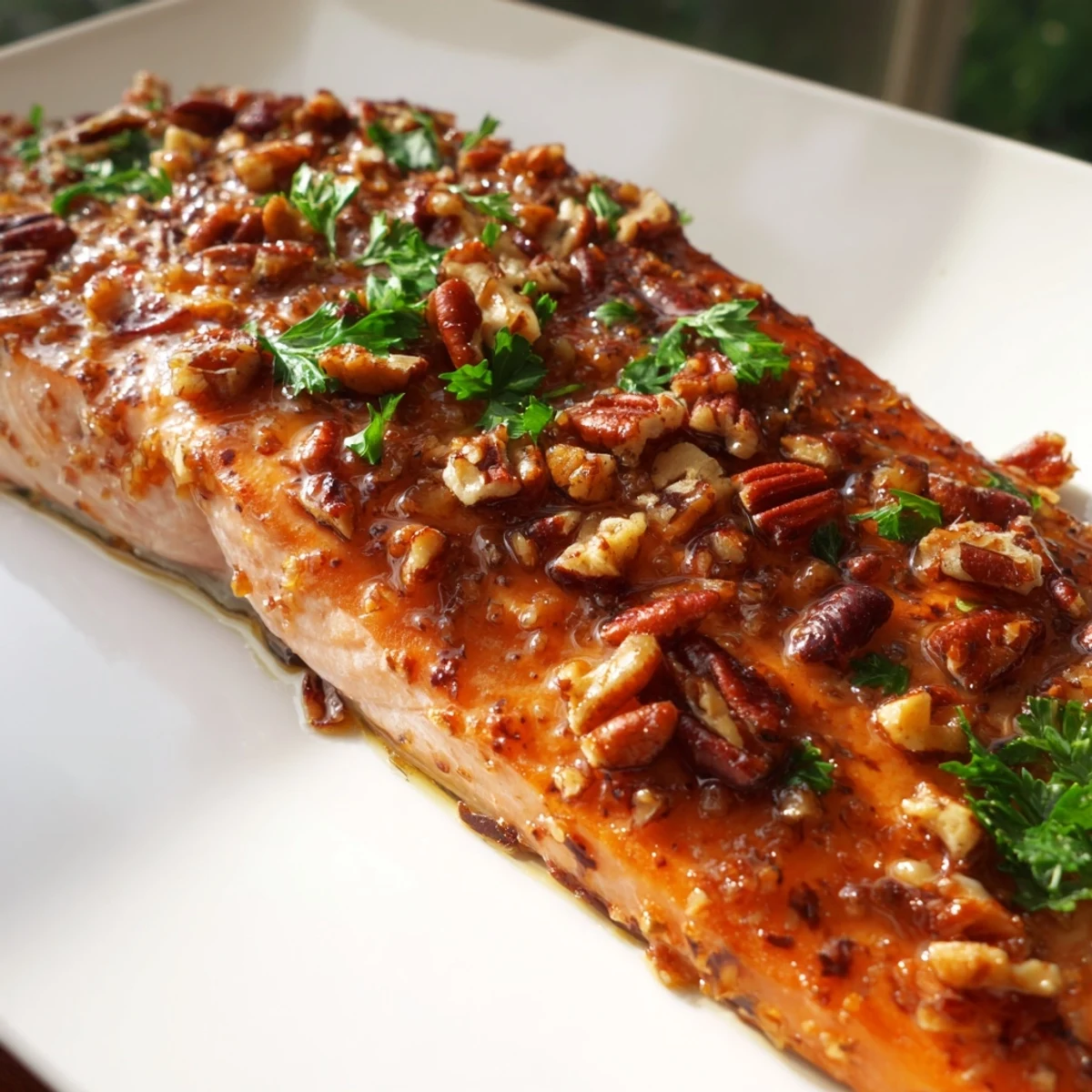
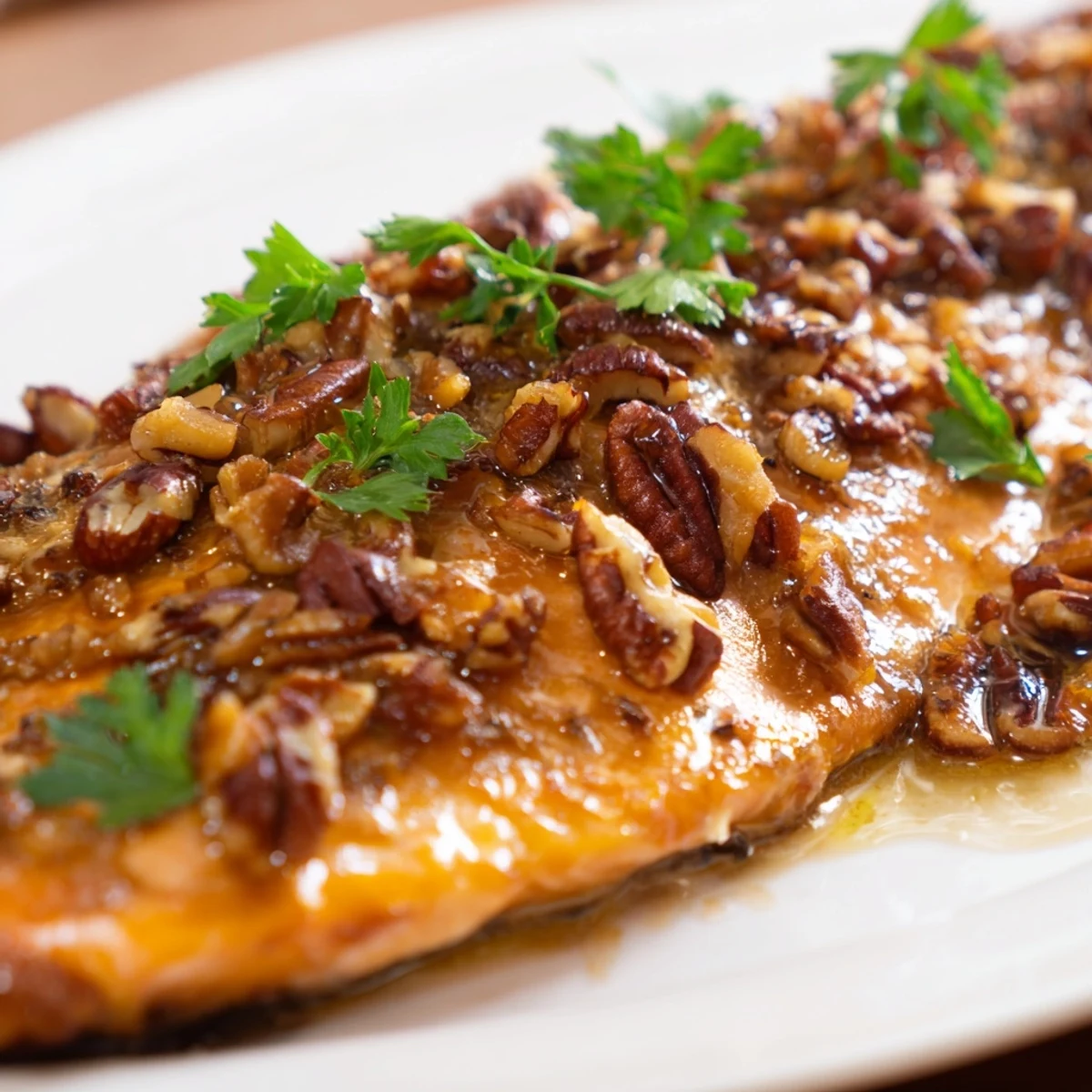
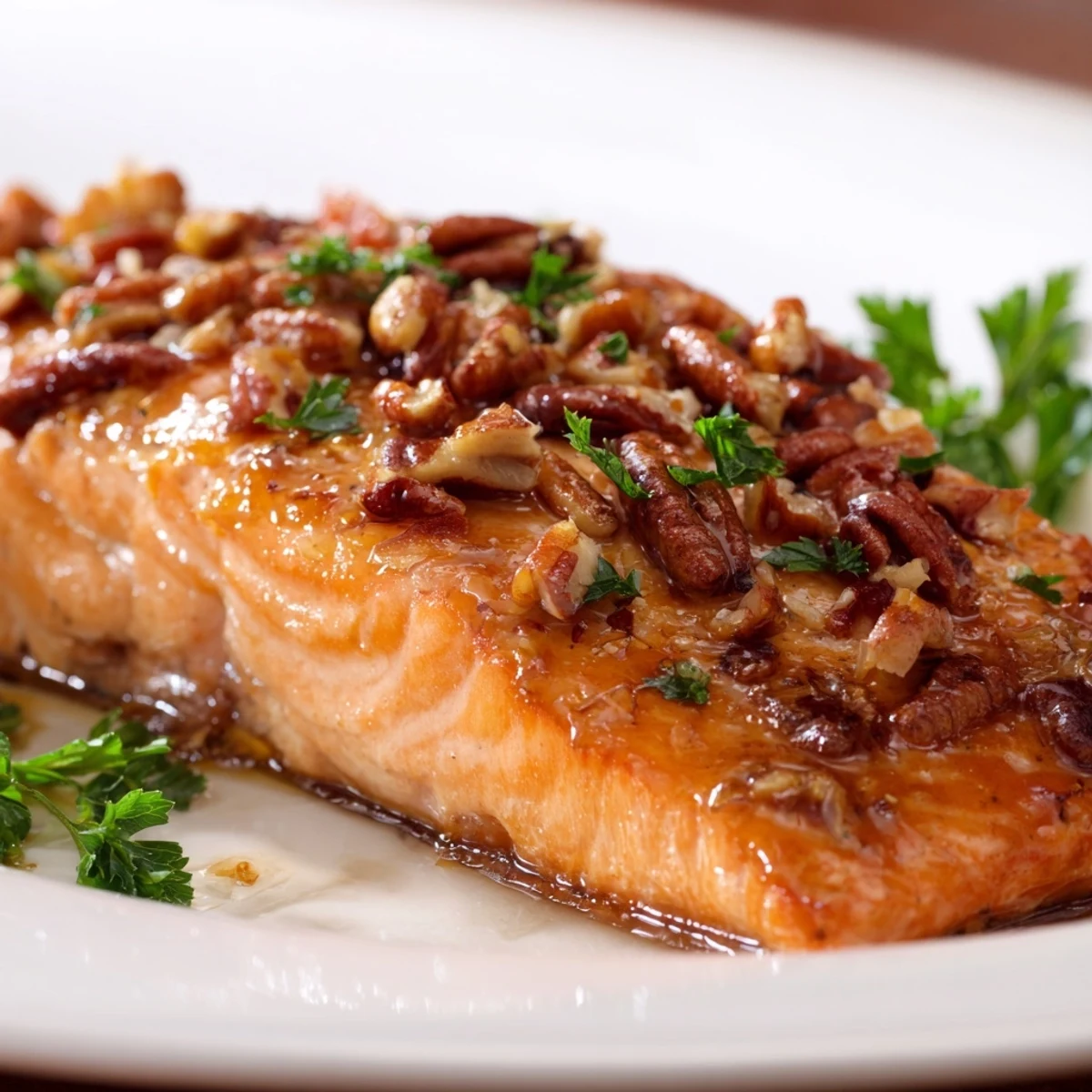
 This elegant main dish combines tender salmon fillets with a maple-Dijon glaze and toasted pecans for a sophisticated yet simple dinner. The fish is baked until flaky while the pecans add a satisfying crunch, creating delightful texture contrasts.
Perfect for weeknight meals or entertaining, this North American-inspired dish comes together in under 30 minutes. The glaze balances sweet maple syrup with tangy lemon and mustard, complementing the rich salmon beautifully.
The first time I made maple-glazed salmon, it was during a snowstorm that had us housebound for the weekend. With limited ingredients and a craving for something warm and satisfying, I discovered this wonderful combination of sweet maple, tangy mustard, and rich salmon. The kitchen filled with a caramelized aroma as the glaze bubbled around the edges of the fish, making our little snow-trapped home feel like the coziest restaurant in town.
Last autumn, I served this at a small dinner gathering where my friend Sarah, who claimed to dislike salmon, took a reluctant courtesy bite. I caught her sneaking seconds later, and she whispered that it was the maple-pecan combination that won her over. Now she asks for the recipe whenever salmon goes on sale at her local market.
Ingredients
- Salmon fillets: Look for pieces of even thickness so they cook at the same rate, and dont worry if theyre skin-on or skinless, both work beautifully.
- Pure maple syrup: Please use the real stuff, not pancake syrup, as the authentic maple flavor is what makes this dish sing.
- Dijon mustard: This provides the perfect tangy counterpoint to the sweetness, creating balance in every bite.
- Pecans: Their natural buttery flavor complements the richness of the salmon while adding essential textural contrast.
Instructions
- Prep your canvas:
- Preheat your oven to 400°F and line a baking sheet with parchment paper, then arrange your salmon fillets skin-side down. The parchment prevents sticking and makes cleanup remarkably easy.
- Create your glaze:
- In a small bowl, whisk together maple syrup, Dijon, soy sauce, lemon juice, and seasonings until smooth. The mixture should look glossy and smell wonderfully complex.
- Glaze with intention:
- Spoon the mixture generously over each salmon fillet, making sure to cover the entire surface. This glaze will caramelize beautifully in the oven.
- Add the crunch factor:
- Sprinkle chopped pecans evenly over the glazed fillets, gently pressing them to stick. Theyll toast as the salmon cooks, developing deeper flavor.
- Bake to perfection:
- Slide the tray into your preheated oven and bake for 15-18 minutes until the salmon flakes easily. You want the edges to get slightly caramelized while the center remains moist.
- Garnish and serve:
- Finish with a sprinkle of fresh parsley and lemon wedges on the side for brightness. The contrast of colors makes the dish look as good as it tastes.
 Save to Pinterest
 On my husbands birthday last year, our power went out just as I was about to start dinner. Determined not to cancel our celebration, I fired up our small camping stove on the back porch and adapted this recipe to cook in a cast iron pan under a makeshift foil tent. The slightly smoky flavor that developed became his favorite version yet, and now he occasionally asks if we can make the power outage salmon again.
Serving Suggestions
This salmon truly shines when paired with simple sides that allow it to remain the star. Wild rice pilaf soaks up any extra glaze that drips onto the plate, while roasted asparagus or Brussels sprouts provide a vegetal counterpoint to the richness of the fish. For summer meals, I often serve it with a crisp fennel and citrus salad that cuts through the sweetness beautifully.
Make-Ahead Options
While salmon is best enjoyed freshly cooked, you can prepare the glaze up to three days in advance and store it in the refrigerator. The nuts can also be chopped and toasted ahead of time, stored in an airtight container. This prep work makes the actual cooking process incredibly quick for busy weeknights when youre rushing to get dinner on the table but still want something special.
Variations Worth Trying
This recipe framework welcomes creative adaptations based on what you have available. I once substituted walnuts when I was out of pecans, and the slightly bitter notes worked surprisingly well against the sweet glaze.
- Swap the maple syrup for honey and add a pinch of cayenne for a spicy-sweet twist that wakes up the palate.
- Try using different mustards like whole grain or honey mustard to change the flavor profile and texture of the glaze.
- For a more Asian-inspired version, increase the soy sauce slightly and add a teaspoon of grated ginger to the glaze.
 Save to Pinterest
 This maple pecan salmon has been my go-to impressive-but-easy dish for years now, proving that sometimes the most memorable meals come from the simplest combinations. May it bring the same warmth to your table that its brought to mine.
Recipe Questions & Answers
- → How do I know when the salmon is perfectly cooked?
-
The salmon is done when it flakes easily with a fork and the flesh is opaque throughout. This typically takes 15–18 minutes at 400°F. Avoid overcooking, as salmon can dry out quickly.
- → Can I prepare the glaze ahead of time?
-
Yes, you can whisk the glaze ingredients together up to 2 hours in advance and store it in an airtight container. Stir well before applying to the salmon.
- → What are good side dishes to serve with this?
-
Roasted vegetables like asparagus or broccoli, wild rice, quinoa, or a crisp green salad pair beautifully. These complement the sweet glaze without overwhelming the delicate salmon flavor.
- → How can I make the glaze sweeter or less sweet?
-
For a sweeter glaze, add an extra tablespoon of maple syrup. For less sweetness, reduce the maple syrup by one tablespoon or increase the Dijon mustard for more tang.
- → Can I substitute the pecans with other nuts?
-
Absolutely. Walnuts, almonds, or hazelnuts work wonderfully as alternatives. Toast them lightly beforehand to enhance their flavor and crunch.
- → Is this dish suitable for dietary restrictions?
-
This dish is naturally pescatarian and gluten-free when using certified gluten-free soy sauce. Always verify ingredient labels if you have allergies, as it contains fish and tree nuts.