
 Save to Pinterest
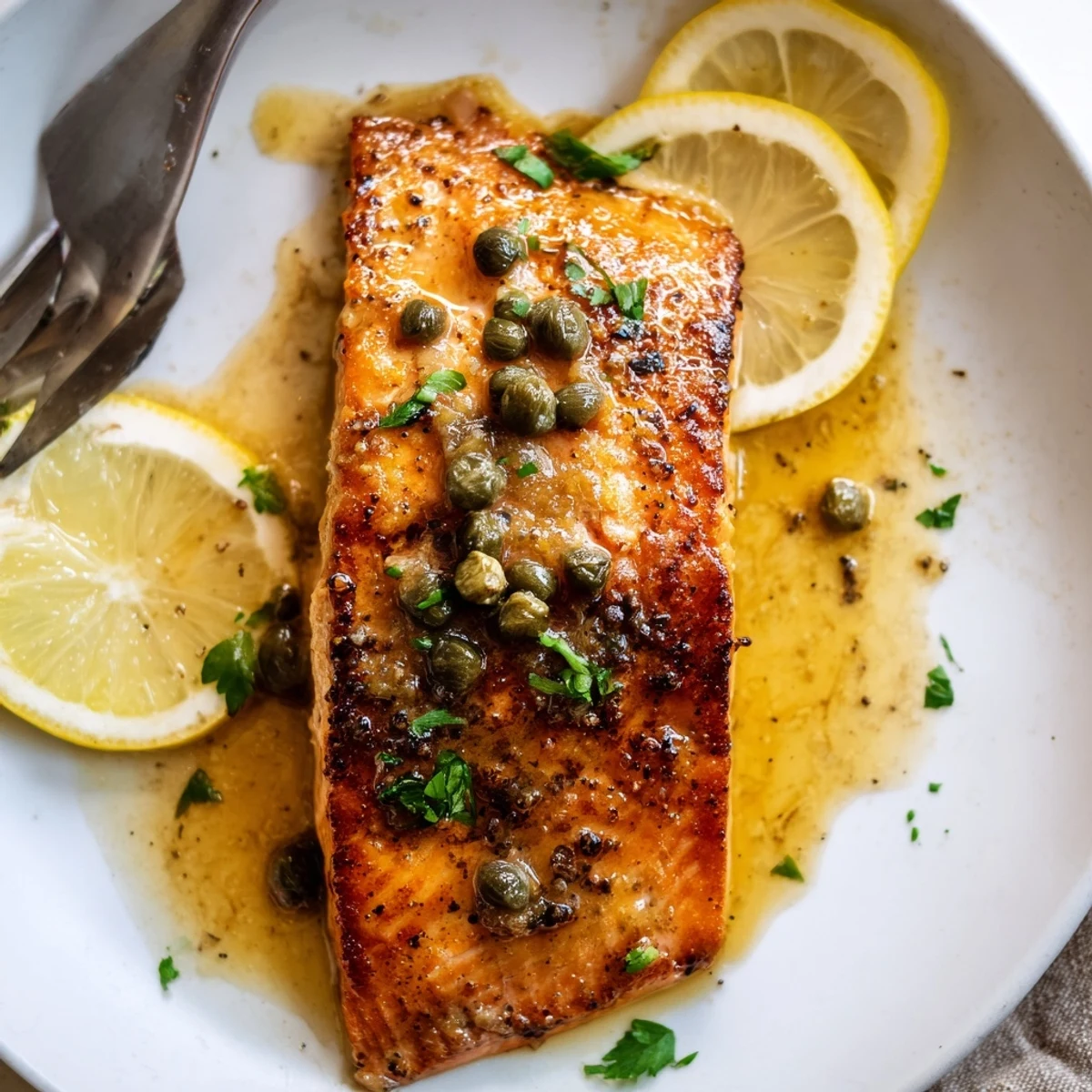
 Salmon Piccata pairs pan-seared fillets with a bright lemon-caper pan sauce. Pat fish dry, season, and lightly dredge in flour for a crisp finish or omit for gluten-free. Sear 3–4 minutes per side until golden, then remove. Deglaze the skillet with white wine, add lemon, capers and broth, reduce briefly, return fish and spoon sauce over to warm through.
Garnish with parsley and lemon slices; serve with sautéed greens, steamed beans or pasta. Chardonnay or Pinot Grigio complements the dish.
My apartment smelled like a seaside trattoria the evening I threw together salmon piccata on a whim, using half a bottle of leftover Pinot Grigio and a jar of capers I had been ignoring for months. The sizzle of fish hitting a hot pan is one of those sounds that instantly makes a kitchen feel alive. I called my neighbor over to share and we ended up standing at the counter eating straight from the skillet.
I have since made this for a rainy Tuesday dinner party where everyone leaned over their plates soaking up sauce with crusty bread, and nobody believed it took less than thirty minutes from fridge to table.
Ingredients
- 4 salmon fillets (about 150 to 180 g each), skinless: Try to buy fillets of similar thickness so they cook evenly without any guesswork.
- Salt and black pepper: Season generously on both sides because the flour coating will mute the salt slightly.
- 2 tbsp all purpose flour (or gluten free flour): A light dredge gives a golden crust that holds up to the sauce without getting soggy.
- 2 tbsp olive oil: Use a decent quality oil here since it is doing the heavy lifting for the sear.
- 2 tbsp unsalted butter: Split between cooking the fish and building the sauce so each stage gets its own richness.
- 2 garlic cloves, minced: Fresh garlic makes a real difference so please skip the jarred version for this one.
- 120 ml dry white wine: Pinot Grigio or Chardonnay work beautifully and you can pour the rest into your glass.
- 60 ml fresh lemon juice (about 2 lemons): Roll the lemons on the counter before juicing to get every last drop out.
- 3 tbsp capers, drained: These little briny gems are the soul of piccata so do not skimp on them.
- 60 ml low sodium chicken or fish broth: Low sodium lets you control the salt level throughout the dish.
- 2 tbsp chopped fresh parsley: Added at the end for a fresh pop of color and herbal brightness.
- Lemon slices for garnish (optional): A few thin rounds make the plate look like something from a restaurant.
Instructions
- Prep the fish:
- Pat each salmon fillet completely dry with paper towels and season both sides well with salt and pepper. If you are using flour, give each fillet a light even coat and shake off the excess so you get a crust and not a paste.
- Sear the salmon:
- Heat olive oil and one tablespoon of butter in a large skillet over medium high heat until the butter starts to foam. Lay the fillets in gently and cook for three to four minutes per side until you see a deep golden crust forming, then move them to a plate and tent loosely with foil.
- Wake up the garlic:
- Add the remaining tablespoon of butter to the same pan along with the minced garlic, stirring for about thirty seconds until your whole kitchen smells incredible. Watch closely because garlic can go from fragrant to bitter in seconds.
- Build the sauce:
- Pour in the white wine and use your spatula to scrape up all those golden brown bits stuck to the pan because that is concentrated flavor right there. Add the lemon juice, capers, and broth then let everything simmer for two to three minutes until it reduces and thickens slightly.
- Bring it all together:
- Return the salmon to the skillet and spoon the bubbling sauce over the top repeatedly so the fish absorbs all that tangy goodness. Let it simmer for just one to two minutes more to warm the fillets through without overcooking them.
- Finish and serve:
- Scatter the chopped parsley over everything and tuck a few lemon slices around the pan for color. Serve immediately while the sauce is still sizzling and the fish is perfectly juicy.
 Save to Pinterest
 The night I realized this recipe had become part of my regular rotation was when a friend texted asking for it and I had already memorized every step without looking.
What to Serve Alongside
Sautéed spinach wilting in the leftover pan juices is a move I highly recommend, though steamed green beans or a tangle of angel hair pasta work just as well for soaking up every bit of that lemon caper sauce.
Picking the Right Wine
A crisp Pinot Grigio keeps things light and lets the salmon shine, while a buttery Chardonnay leans into the richness of the dish and creates a rounder flavor profile.
Getting the Sear Right
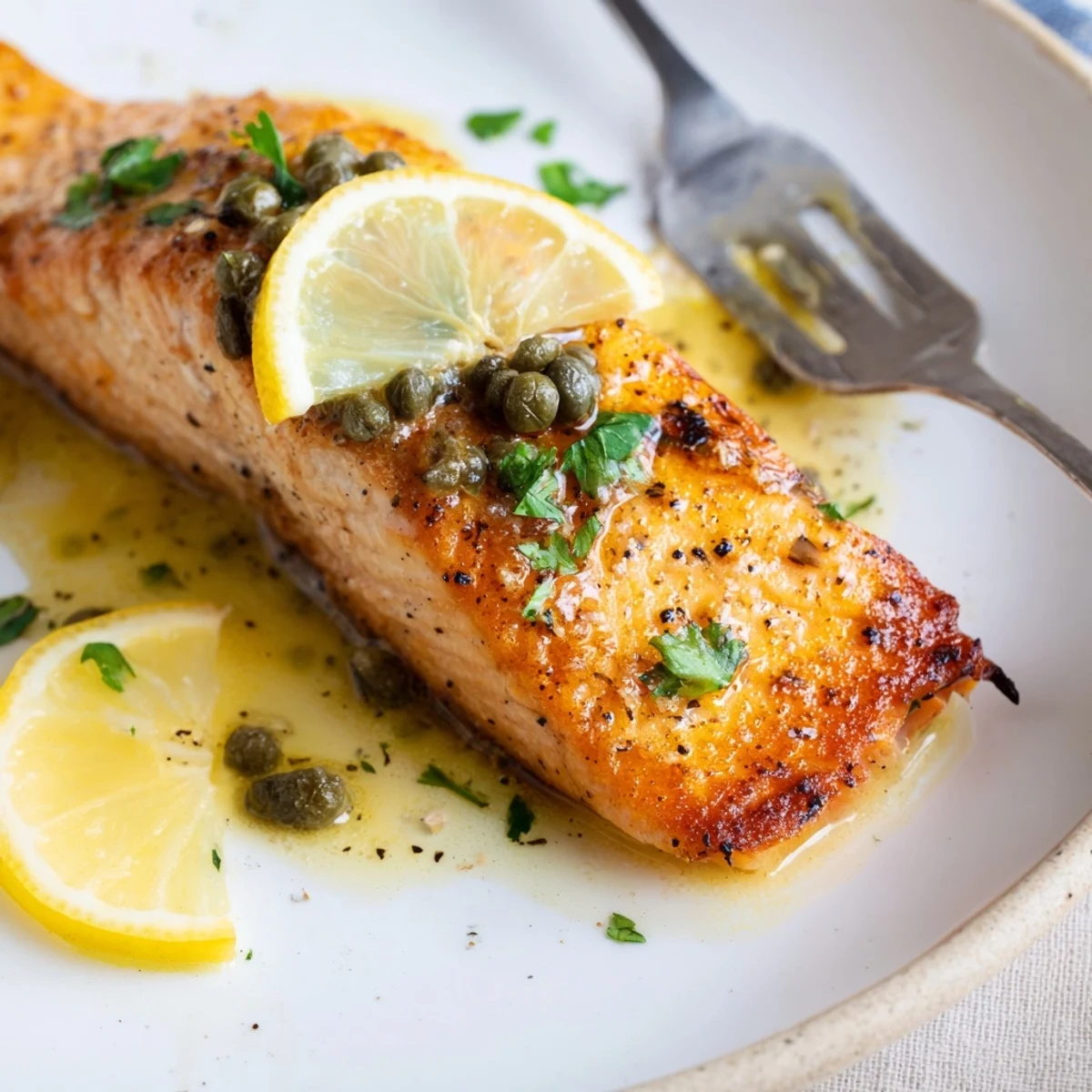
The difference between a pale fillet and one with a deeply caramelized crust comes down to heat and patience, so let the pan get properly hot before the fish goes in. Resist the urge to move the fillets around while they cook because they will release naturally when the crust is ready.
- Press the thickest part of the fillet gently and it should spring back slightly when done.
- If the flour coating starts looking patchy your oil might not be hot enough yet.
- Always let the salmon rest for a minute before serving so the juices redistribute.
 Save to Pinterest
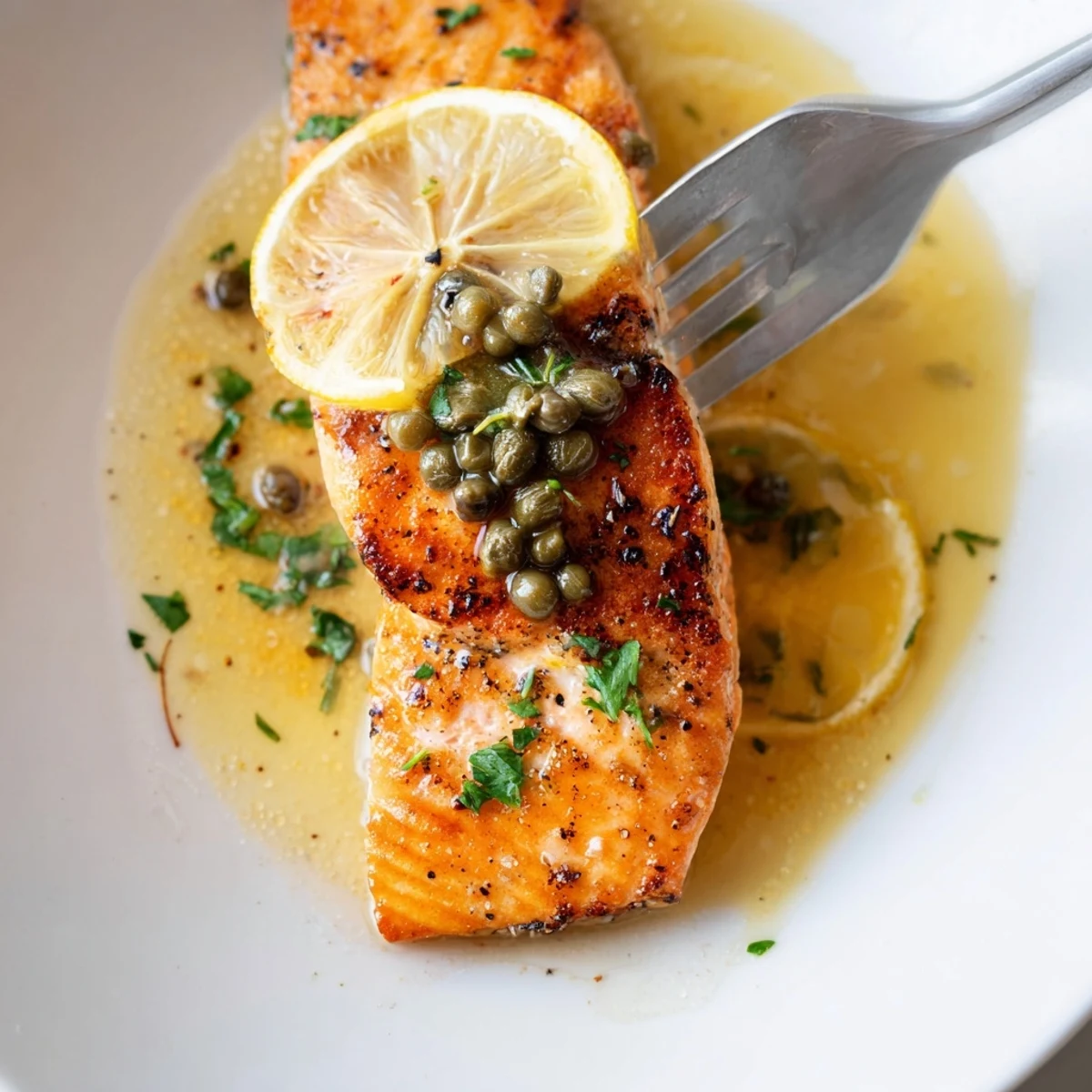
 Some dinners are just dinner, but this one has a way of turning an ordinary evening into something that feels a little special. Keep it in your back pocket for the nights when you want to impress yourself.
Recipe Questions & Answers
- → What type of salmon works best?
-
Choose firm, even-thickness fillets such as Atlantic or sockeye for reliable searing and a moist interior. Thicker cuts hold up well to the sauce.
- → How do I get a crisp exterior on the fillets?
-
Pat the fish dry, season well, and lightly dredge in flour. Heat the skillet until hot and use a mix of oil and butter to promote browning; avoid overcrowding the pan.
- → Can I skip the flour for a gluten-free version?
-
Yes. Skip the dredge or use a gluten-free flour substitute. The sauce still clings nicely and the salmon will be tender without the coating.
- → What wine works best in the pan sauce?
-
Use a dry white wine such as Pinot Grigio or Chardonnay to deglaze the pan; it brightens the sauce and pairs well with the lemon and capers.
- → How long should I simmer the sauce?
-
Simmer the wine, lemon and broth 2–3 minutes to reduce slightly and concentrate flavor. Avoid over-reducing to keep the sauce balanced and glossy.
- → What sides pair well with this dish?
-
Sautéed spinach, steamed green beans, or angel hair pasta are classic companions. Light starches and simple greens let the lemon-caper flavors shine.