
 Save to Pinterest
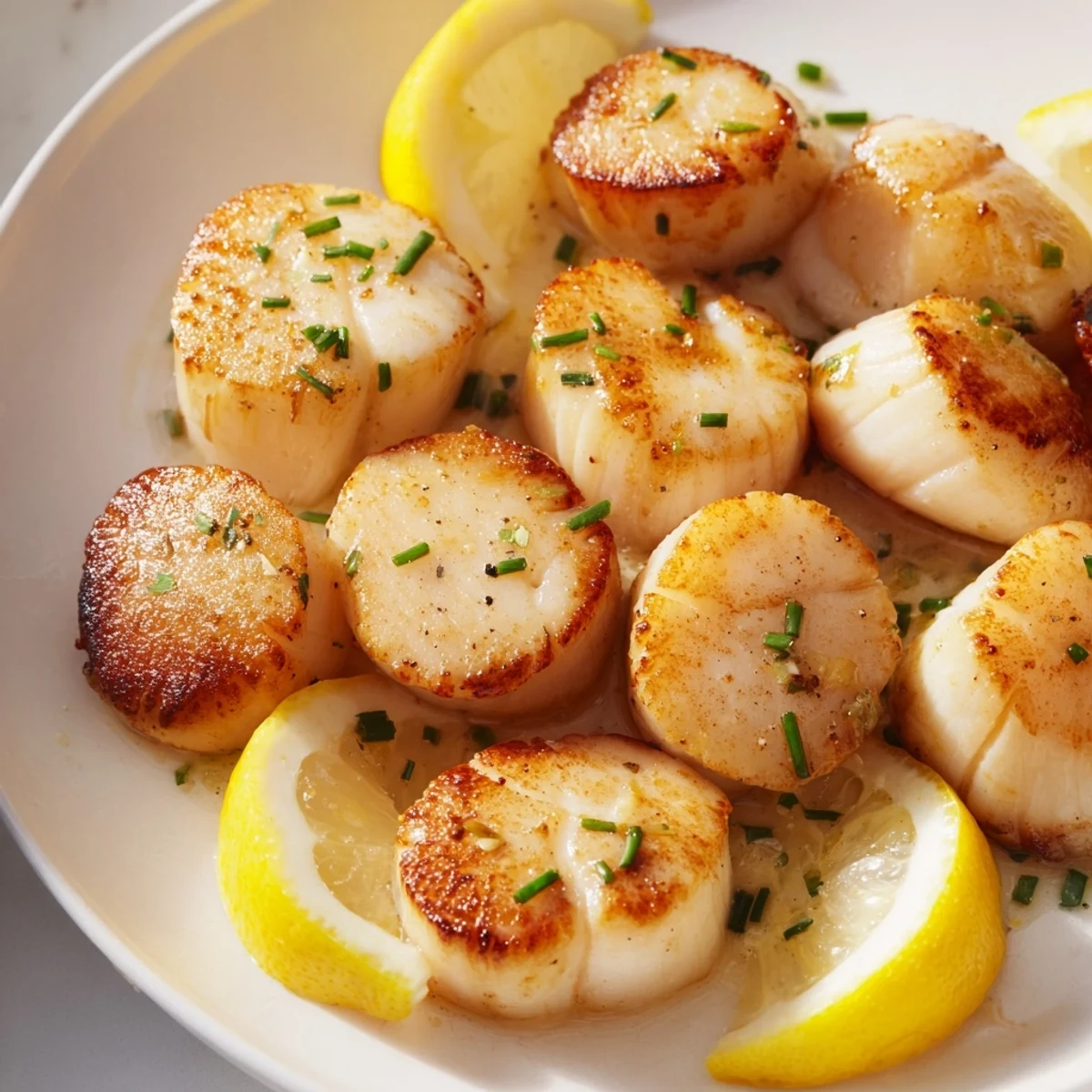
 Seared scallops achieve a tender, golden crust by cooking them in butter and olive oil over high heat. Ensuring scallops are dry before searing helps form a delicate crust while maintaining a buttery finish. Garnished with fresh herbs and served with lemon wedges, these scallops work well as an elegant starter or light main dish, complementing a variety of sides like pea purée or risotto.
Proper seasoning with kosher salt and black pepper enhances the natural flavors, and the cooking technique requires careful attention to timing—searing each side just until a deep crust forms and the scallops turn opaque in the center. This method preserves the scallops’ tender texture while adding a rich buttery taste.
I'll never forget the first time I seared scallops properly. It was at a little beachside restaurant where the chef showed me the secret: absolute dryness and unwavering heat. That moment changed everything. Now, whenever I'm in the kitchen with a hot pan and those beautiful sea creatures, I feel that same thrill of creating something restaurant-quality in my own home.
I made these scallops for my partner on our anniversary, and the way their eyes lit up when they took that first bite reminded me that the best meals aren't about complexity—they're about intention. That plate of golden scallops with a squeeze of lemon became one of our favorite memories in the kitchen.
Ingredients
- 16 large sea scallops (about 500 g), patted dry: This is the foundation of everything. Scallops release moisture as they thaw, and that moisture is the enemy of a beautiful crust. Pat them dry with paper towels right before cooking—I learned this the hard way after too many steamed scallops
- 1/2 teaspoon kosher salt: Kosher salt has larger crystals that dissolve more evenly than table salt, giving you that perfect seasoning without harsh pockets
- 1/4 teaspoon freshly ground black pepper: Grind it right before cooking if you can. There's a reason restaurants do this—the difference is real
- 2 tablespoons unsalted butter: Unsalted lets you control the salt level, and butter creates that gorgeous golden foam that basts the scallops into something special
- 1 tablespoon olive oil: The oil raises the smoke point so your butter doesn't burn while the pan gets screaming hot
- 2 tablespoons chopped fresh chives or parsley: This is your finishing touch—a little brightness and color that says you care
- 1 lemon, cut into wedges: A squeeze of fresh lemon is the scallop's best friend, cutting through the richness with clean, bright acidity
Instructions
- Prepare the scallops:
- Remove that little side muscle you'll find on each scallop (it's tougher than the rest), then pat them completely dry with paper towels. I mean really dry—moisture is the enemy of a golden crust. Spend the extra 30 seconds here; it changes everything
- Season with intention:
- Sprinkle salt and pepper on both sides. Don't be shy. The seasoning should look generous, like you're truly flavoring the scallop, not just dusting it
- Get your pan ripping hot:
- Place a large skillet (cast iron or stainless steel work best) over high heat. Let it sit there for a couple of minutes until it's genuinely hot. You want to feel the heat radiating from it
- Add fat and wait for the foam:
- Pour in the olive oil and 1 tablespoon of butter. Watch it carefully. When the butter melts and the foam subsides, you'll see it just starting to brown and smell nutty. That's your signal
- Sear without moving:
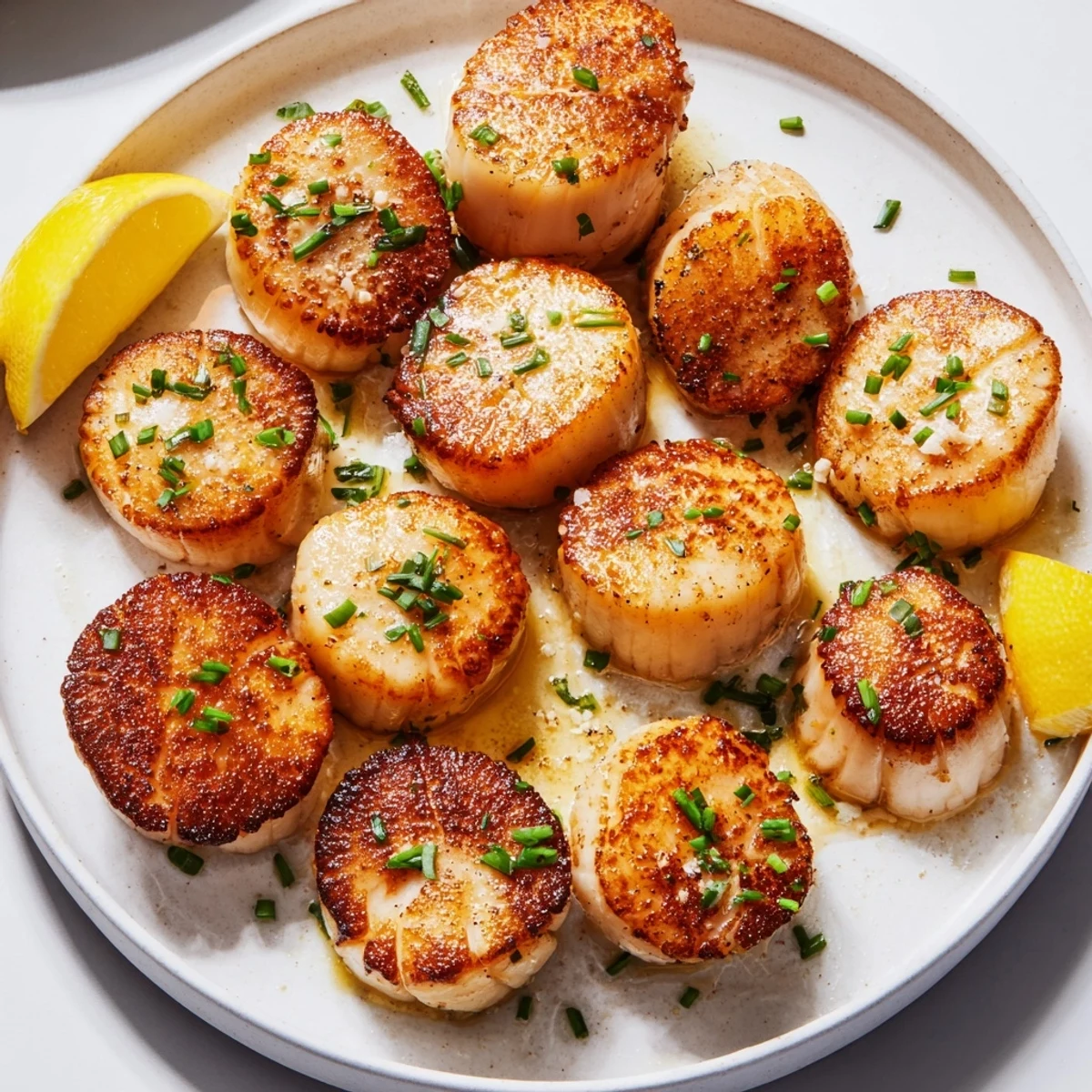
- Gently place scallops in a single layer with space between each one. Now comes the hard part: don't touch them. Leave them for 1.5 to 2 minutes, resisting every urge to peek or flip. You're building a deep golden crust, and movement interrupts that process
- Flip and baste:
- When you flip, add the remaining 1 tablespoon of butter to the pan. As it melts and foams, use a spoon to baste the scallops with that buttery liquid for another 1 to 1.5 minutes. This is when the magic happens—the scallops absorb that butter and turn glossy and opulent
- Finish and plate:
- Transfer to a plate the moment they're just opaque in the center. They'll continue cooking slightly from residual heat. Shower them with fresh chives or parsley, and serve immediately with lemon wedges on the side
 Save to Pinterest
 There was a moment when I cooked these scallops for someone I was trying to impress, and halfway through, I realized I wasn't nervous anymore. The technique felt natural, the pan was singing, and all I could focus on was creating something beautiful. That's when cooking stops being a performance and becomes a conversation with the food.
Why Cast Iron or Stainless Steel Matters
Non-stick pans have their place, but not here. Cast iron holds heat like nothing else, giving you that even, aggressive sear. Stainless steel gives you precision and control. Both will give you a crust that non-stick simply can't achieve. If you only have non-stick, lower the heat slightly and accept that your crust won't be quite as golden—it's still delicious, just different.
Building Your Scallop Moment
Scallops deserve a moment. Serve them over silky pea purée, creamy risotto, or alongside a crisp green salad. Pair with a cold glass of Sauvignon Blanc or Chardonnay. The simplicity of the scallop means everything else should step back and let it shine. What you're really serving is elegance in 15 minutes.
The Small Details That Change Everything
I've learned that cooking isn't about following rules, it's about understanding why the rules exist. That hot pan, that dry scallop, that moment of stillness before flipping—these aren't restrictions, they're invitations to create something remarkable.
- If you can source "diver scallops" from a trusted fishmonger, they're usually fresher and often larger, making them even easier to cook perfectly
- Ghee can replace butter for a nuttier, slightly different flavor profile that works beautifully if you love that deeper taste
- Serve these within minutes of searing. Scallops are best enjoyed at their moment of perfection, when they're still warm and that crust is still crisp
 Save to Pinterest
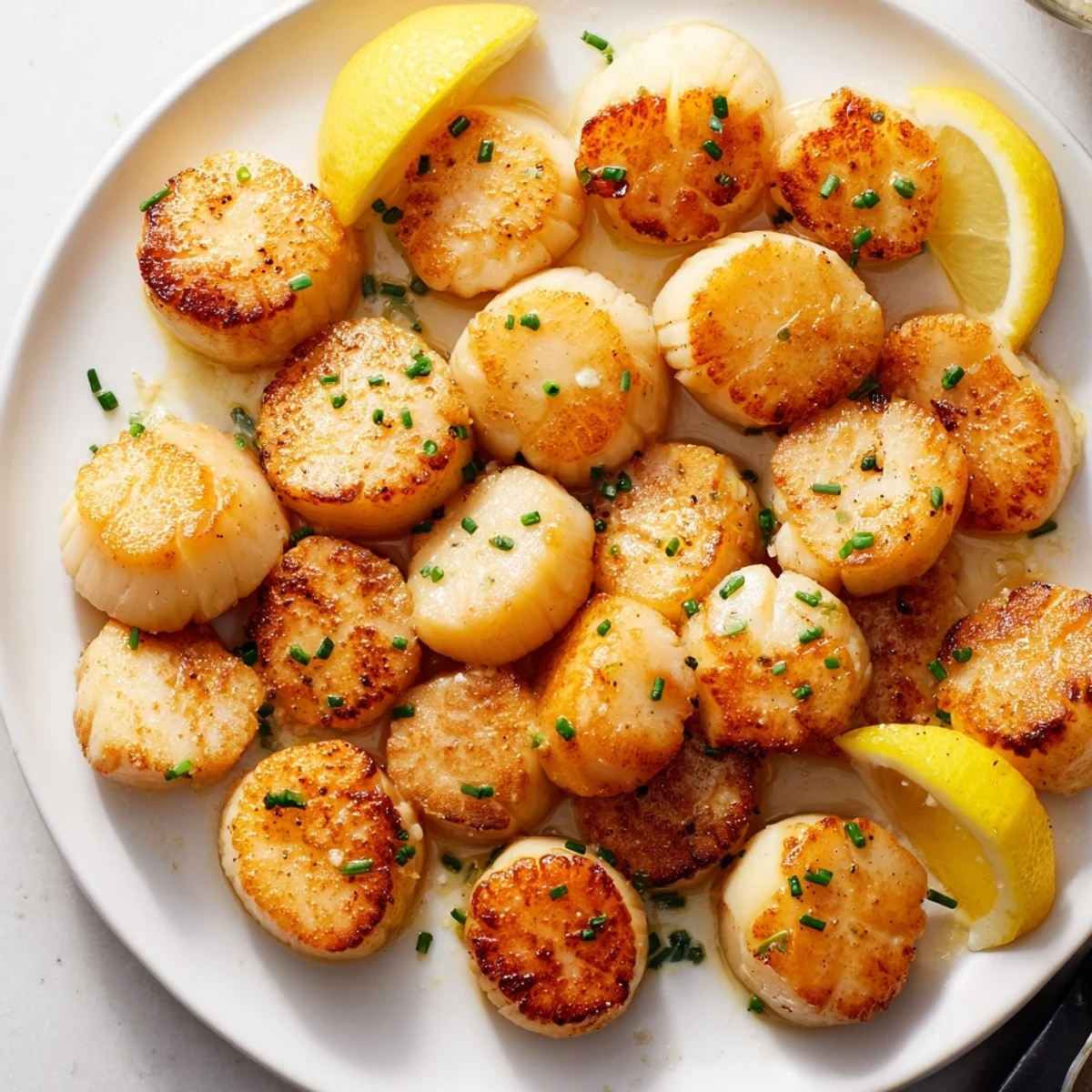
 Seared scallops remind me why I fell in love with cooking in the first place. They're simple, honest, and when you get it right, they taste like something you could only eat at a fancy restaurant. Except now you know the truth—it was never about complexity. It was always about presence and a hot pan.
Recipe Questions & Answers
- → How do I achieve a perfect golden crust on scallops?
-
Ensure the scallops are thoroughly dried before searing and use a hot skillet with butter and olive oil. Avoid overcrowding the pan and sear without moving them until a deep crust forms.
- → Can I substitute butter in the searing process?
-
Yes, ghee can be used for a nuttier flavor or olive oil for a lighter finish. Adjust cooking temperature accordingly to avoid burning.
- → What side dishes pair well with seared scallops?
-
Pea purée, risotto, or a simple fresh salad complement the scallops nicely and balance the buttery richness.
- → How can I tell when scallops are cooked perfectly?
-
They should have a golden crust on each side and be just opaque in the center, maintaining a tender texture without dryness.
- → What wine pairs best with seared scallops?
-
Crisp white wines like Sauvignon Blanc or Chardonnay beautifully enhance the delicate flavors and buttery finish.