
 Save to Pinterest
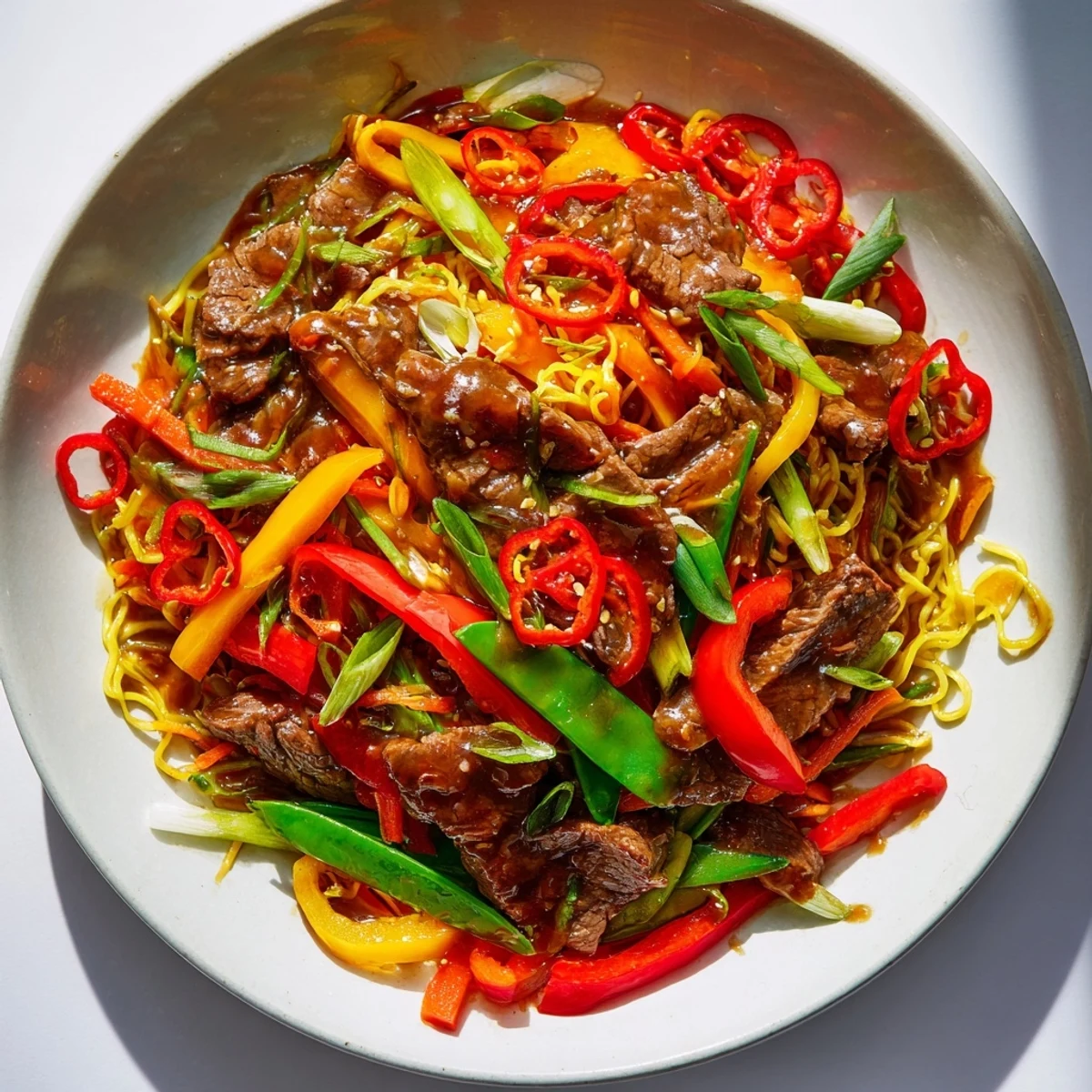
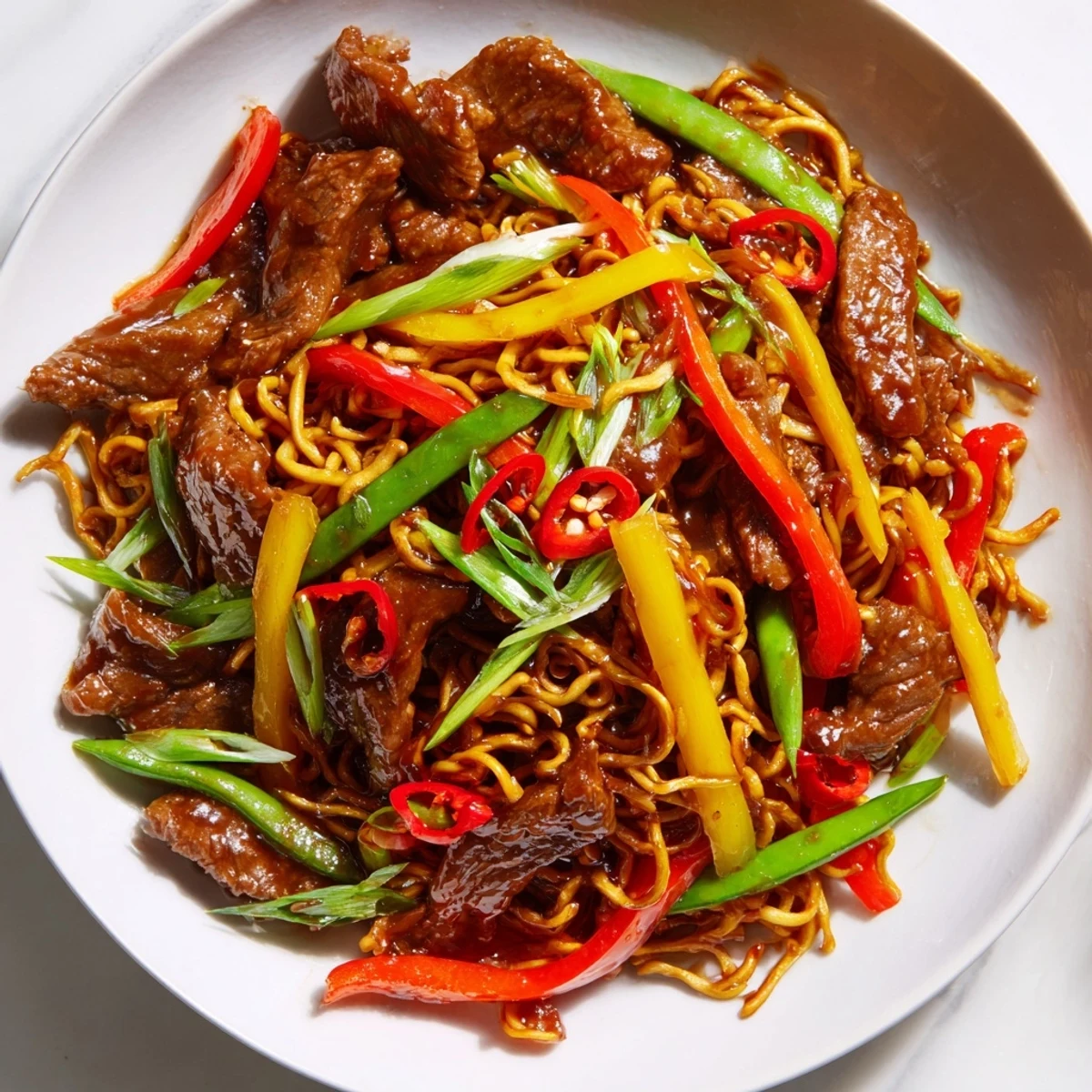
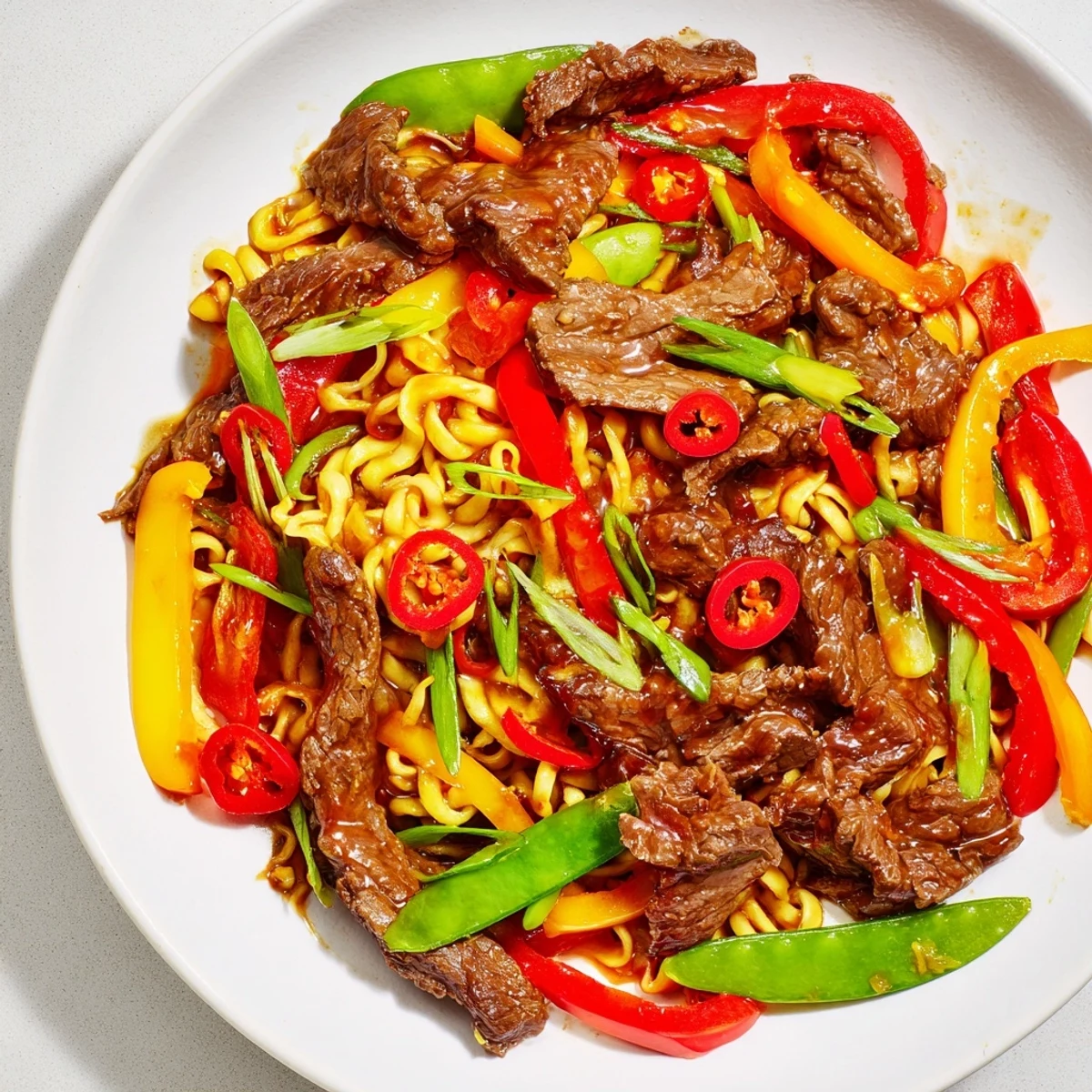
 This dish features tender marinated beef strips quickly cooked in a hot wok alongside colorful bell peppers, sugar snap peas, and crunchy carrots. The noodles soak up a spicy, savory sauce made with soy, oyster, hoisin, and sriracha, delivering layers of flavor and heat. Garnished with fresh spring onions, it’s a perfect Asian-inspired main dish that’s ready in under 40 minutes and offers a balanced blend of textures and bold tastes.
There's something about the sound of a wok hitting high heat that makes you feel like you're in control, even when everything is moving at once. The first time I made this spicy beef stir fry, I was trying to impress someone who'd casually mentioned loving bold Asian food, and I nearly burned the garlic in my nervousness. Now, years later, it's become the dish I make when I want to feel confident in the kitchen, when I need the ritual of high heat and quick hands to silence my mind.
I made this for my roommate on a Tuesday night when she'd had a terrible day at work, and by the time the smell of ginger and garlic hit the air, I could see her shoulders drop. She ate it standing at the counter, and didn't say much, but she came back for seconds and thirds. That's when I knew this recipe wasn't just good—it was the kind of food that heals something small but real.
Ingredients
- Beef sirloin or flank steak (400 g): Slice it thin and against the grain, which I learned the hard way makes all the difference in tenderness. The marinade is quick but essential—it keeps the meat from toughening under the intense heat of the wok.
- Soy sauce, sesame oil, and cornstarch (for marinade): This trio creates a protective coating that locks in moisture and flavor. The sesame oil adds a toasty depth you can't replicate with anything else.
- Egg or rice noodles (250 g): Cook them just until tender, then shock them in cold water to stop them from turning mushy. This step is worth the extra minute.
- Bell peppers, carrot, and sugar snap peas: The vegetables are your texture game—they should stay crisp and bright, not soft and sad. Cut everything uniform so it cooks evenly.
- Garlic, ginger, and fresh red chilies: These three are the soul of the stir fry, so don't skip the mincing and grating. Buy fresh ginger and smell it before you buy—it should smell alive and peppery.
- Soy sauce, oyster sauce, hoisin, rice vinegar, and sriracha (for sauce): This combination sounds complicated but it's actually balanced—each ingredient has a job. The hoisin brings sweetness, the vinegar brings brightness, and the sriracha brings heat.
Instructions
- Marinate the beef:
- Toss your thin beef slices with soy sauce, sesame oil, and cornstarch, then let it sit for 10 minutes. This isn't a long wait, but it changes everything about how the beef cooks—it'll brown better and stay tender.
- Cook the noodles:
- Follow the package timing, but aim for tender not mushy. Drain them well and run them under cold water to cool them down and prevent sticking.
- Make the sauce:
- Whisk all your sauce ingredients together in a small bowl before you start cooking. Having it ready means you won't scramble to measure and mix while the wok is screaming hot.
- Sear the beef:
- Heat 1 tablespoon of oil until it's smoking slightly, then add the beef in a single layer if you can. Don't stir for the first minute—let it brown hard on one side, then toss it around until just cooked through (about 2–3 minutes total).
- Stir-fry the vegetables:
- Add the remaining oil, then toss in your peppers, carrot, and snap peas. The key is high heat and constant motion—you want them to just start to soften but still have a snap when you bite them.
- Build the aromatics:
- Once the vegetables are nearly done, add the garlic, ginger, and chilies all at once. The smell that rises up is intoxicating—that's when you know you're on the right track.
- Bring it together:
- Return the beef to the wok, add the cooled noodles and sauce, then toss everything together for 2–3 minutes until it's all hot and coated. If it looks dry, add a splash of water—the sauce should cling to everything.
- Finish and serve:
- Top with fresh spring onions and taste it before it goes to the table. This is your moment to adjust the heat or balance the flavors to your preference.
 Save to Pinterest
 There's a moment in every stir fry, right when you add the sauce and the noodles, when it all becomes more than the sum of its parts—when it stops being a collection of ingredients and becomes something alive and whole. That moment, to me, is why I keep making this dish.
The Heat Balance
Spice is personal, and I've learned that the hard way by making this too hot for guests and then too mild the next time. Start with one red chili and taste as you go—you can always add more sriracha at the table, but you can't take it back. If you're cooking for mixed tolerances, keep some of the sauce separate and let people adjust their own bowls.
Swaps and Substitutions
I've made this with chicken, shrimp, and tofu, and each one works beautifully if you adjust the cooking time slightly. Chicken takes about the same time as beef, shrimp needs just 1–2 minutes until they curl and turn pink, and tofu should be pressed first and added near the end so it doesn't fall apart. The sauce and vegetable base stay exactly the same, so the core magic is still there.
Wine and Pairing Thoughts
I used to think this dish needed beer, and it does pair beautifully with a crisp lager, but a chilled Riesling or Sauvignon Blanc can be lovely too—the slight sweetness in the Riesling bridges nicely with the hoisin and brown sugar in the sauce. If you're not drinking alcohol, ice-cold ginger ale or a sparkling yuzu drink both work.
- Prep all your ingredients before you turn on the heat—stir frying moves too fast to chop while cooking.
- Use a wok if you have one, but a large skillet works almost as well as long as it has high sides and heats evenly.
- Leftovers actually taste better the next day when the flavors have had time to meld.
 Save to Pinterest
 This spicy beef stir fry has become my anchor recipe, the one I return to when I want to remember why I love cooking. It's fast enough for a weeknight but satisfying enough for a celebration.
Recipe Questions & Answers
- → What cut of beef works best?
-
Use sirloin or flank steak thinly sliced against the grain for tender, quick-cooking strips that absorb flavors well.
- → Can I substitute other noodles?
-
Yes, egg noodles or rice noodles both work well. Choose gluten-free noodles for dietary needs.
- → How to adjust the spice level?
-
Modify the number of red chilies or add chili oil to increase heat, or omit for milder taste.
- → What cooking equipment is required?
-
A large wok or skillet is ideal for high-heat stir frying to get the right texture and flavor.
- → How long should the beef marinate?
-
Marinate the beef strips for about 10 minutes to enhance flavor without toughening the meat.