
 Save to Pinterest
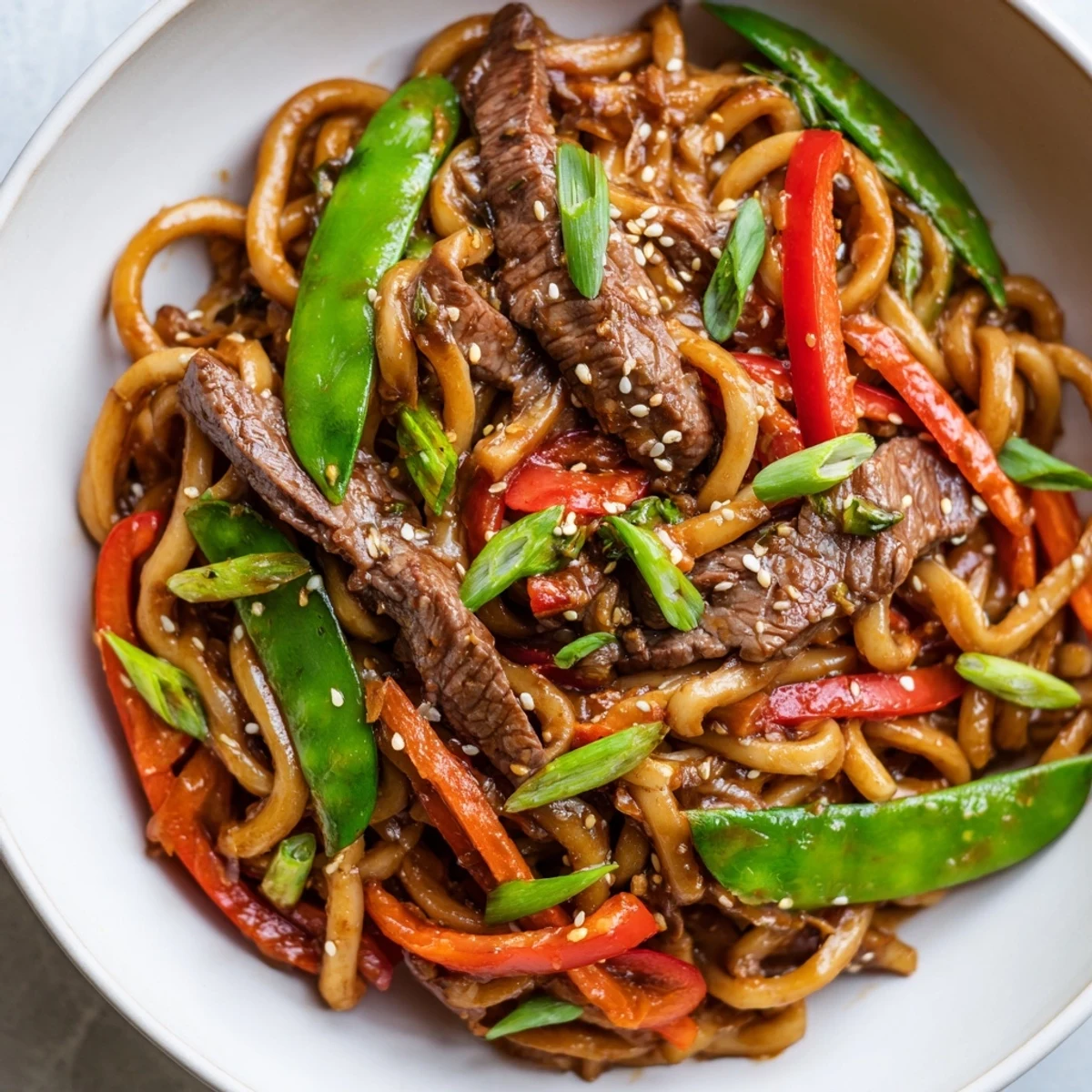
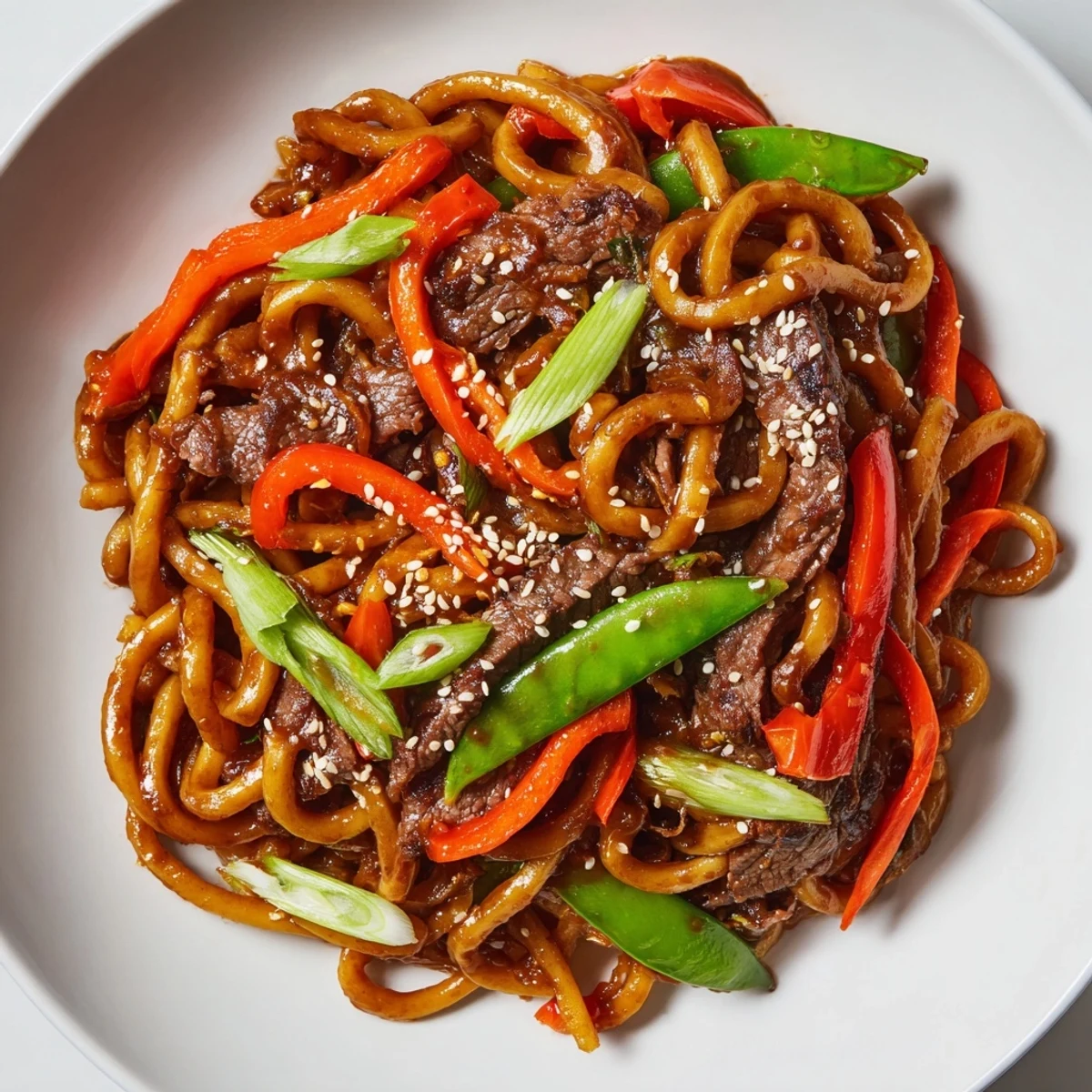
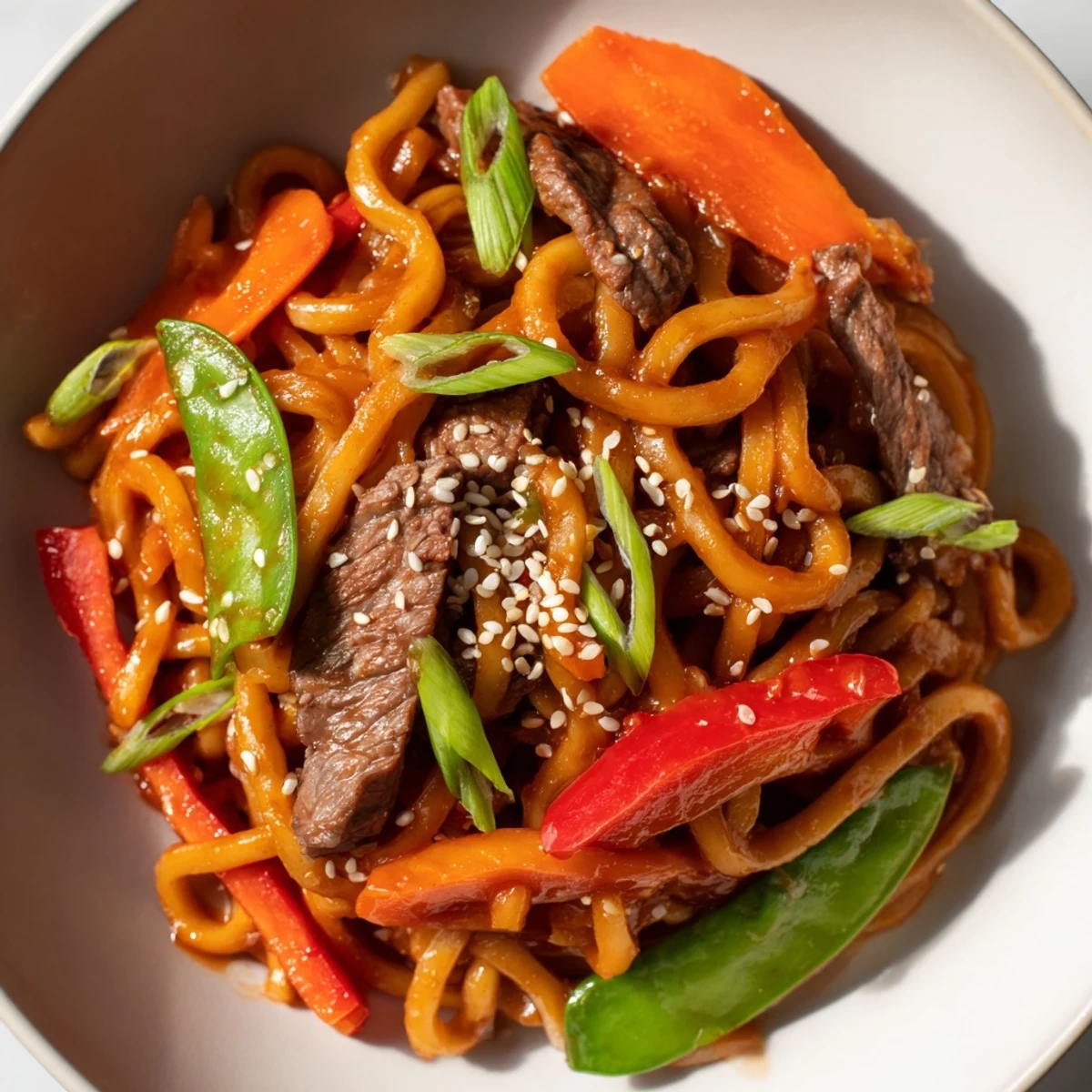
 This dish features tender sirloin beef marinated and seared to perfection, combined with fresh udon noodles and a medley of crisp vegetables including bell pepper, carrot, and sugar snap peas. A flavorful sauce blends soy, oyster, sriracha, and aromatics, creating a spicy, savory coating that brings the components together. Garnished with spring onions and toasted sesame seeds for added texture and aroma, it's a quick yet vibrant meal ready in under 40 minutes.
There's this moment when you're standing in front of a hot wok, beef sizzling loud enough that you can barely hear yourself think, and you realize this is exactly what dinner should be. My first real stir fry was nothing like the takeout I'd ordered a hundred times—it was faster, hotter, and somehow more honest. The trick, I learned that night, was respecting the heat and not overthinking it.
I made this for a friend who said they couldn't cook, and halfway through watching me work, they grabbed a spatula and took over the stir fry. Their face when they tasted it—that mix of surprise and pride—reminded me that good food doesn't have to be complicated to feel like a victory.
Ingredients
- Sirloin steak, thinly sliced: The beef is your star here, so don't skip the slicing thinly part. I learned to cut against the grain and partially freeze it first, which makes a real difference in tenderness.
- Cornstarch and sesame oil: This coating seals in the beef's flavor and gives it a subtle sheen that restaurant stir fries have.
- Red bell pepper: It stays bright and snappy if you don't overcook it, which is the whole point of stir frying.
- Fresh udon noodles: These chewy, substantial noodles are the foundation that makes this meal feel complete, not just a side dish.
- Garlic and ginger: Mince them fine and add them early—their fragrance filling the kitchen is a sign you're on track.
- Soy sauce, oyster sauce, and sriracha: Together these create that savory, slightly sweet, spicy sauce that coats everything perfectly.
- Mirin and brown sugar: A touch of sweetness balances the heat and soy, creating depth you didn't know you needed.
- Rice vinegar: Just a splash brightens the whole sauce and keeps it from tasting flat.
Instructions
- Prep your beef:
- Toss your thin sliced sirloin with cornstarch, soy sauce, and sesame oil in a bowl. This simple coating will make the beef taste tender and almost glossy when it hits the hot oil. Let it sit for 10 minutes—patience here pays off.
- Mix your sauce:
- Whisk together soy sauce, oyster sauce, sriracha, mirin, brown sugar, and rice vinegar in a small bowl. Taste it now if you want—this is your flavor map, so adjust the heat or sweetness before everything hits the heat.
- Cook the noodles:
- Follow the package instructions for your udon, which usually means boiling for a few minutes until they're tender but still chewy. Drain them well so they don't steam themselves into mush.
- Sear the beef:
- Heat 1 tablespoon of oil in your wok or large skillet over high heat until it's almost smoking. Add the beef in a single layer and let it sit for a minute or two—don't stir constantly or it won't brown properly. It should look golden and seared, not gray and boiled.
- Cook the vegetables:
- Push the beef to the side, add the remaining oil, then add garlic and ginger first. Let them perfume the oil for about 30 seconds, then add bell pepper, carrot, and sugar snap peas. Stir frequently and stop when the vegetables are still crisp and bright—usually 2 to 3 minutes.
- Bring it all together:
- Return the beef to the wok with the cooked noodles and pour in your sauce. Toss everything for 2 to 3 minutes until the sauce coats everything and the noodles are heated through. This is when your kitchen will smell unbelievably good.
- Finish and serve:
- Stir in your spring onions at the very end so they stay fresh and sharp. Plate immediately while everything is hot, and sprinkle sesame seeds on top if you have them.
 Save to Pinterest
 There's something almost meditative about a well-executed stir fry, the way everything comes together in those final two minutes and suddenly your kitchen smells like a restaurant you'd actually want to go back to. It's the kind of dinner that reminds you why cooking matters.
The Heat Question
Sriracha is a starting point, not a law. I've made this for people who wanted it almost mild and others who craved the kind of heat that makes your eyes water in the best way. Start with one tablespoon, taste the sauce raw, and adjust from there. You can always add more spice, but you can't take it back once it's in the noodles.
Why Udon Matters
Fresh udon noodles have a chewiness that dried noodles can't quite match, and for a stir fry where the noodles are meant to soak up sauce and stand up to the vegetables, that texture is everything. If you can only find dried udon, they'll still work—just cook them slightly less than the package suggests so they don't fall apart when you toss them.
Making It Your Own
This recipe is flexible enough to bend to what's in your kitchen or your mood that day. The technique is what matters—searing, then building, then finishing—and once you know that, the rest is just variations.
- Swap the beef for chicken thighs, sliced tofu, or even shrimp if that's what you're craving.
- Bean sprouts added at the very end give you extra crunch and freshness.
- A squeeze of lime juice after plating brightens everything up.
 Save to Pinterest
 This is the kind of meal that makes you feel competent in the kitchen and satisfied at the table. It's worth making again and again.
Recipe Questions & Answers
- → How do I prevent the beef from becoming tough?
-
Slice the beef thinly across the grain and marinate briefly with cornstarch and soy sauce to tenderize before cooking quickly on high heat.
- → Can I substitute udon noodles with another type?
-
Yes, thick wheat noodles or even rice noodles can be substituted, but cooking times may vary accordingly.
- → How can I adjust the spice level?
-
Modify the amount of sriracha or chili garlic sauce in the sauce mixture to suit your preferred heat intensity.
- → What vegetables work best in this dish?
-
Bell peppers, carrots, sugar snap peas, and spring onions provide a crisp and colorful balance, but feel free to add bean sprouts or other crunchy veggies.
- → Is it necessary to use oyster sauce in the sauce mix?
-
Oyster sauce adds depth and umami but can be replaced with mushroom sauce or extra soy sauce for a vegetarian adaptation.