
 Save to Pinterest
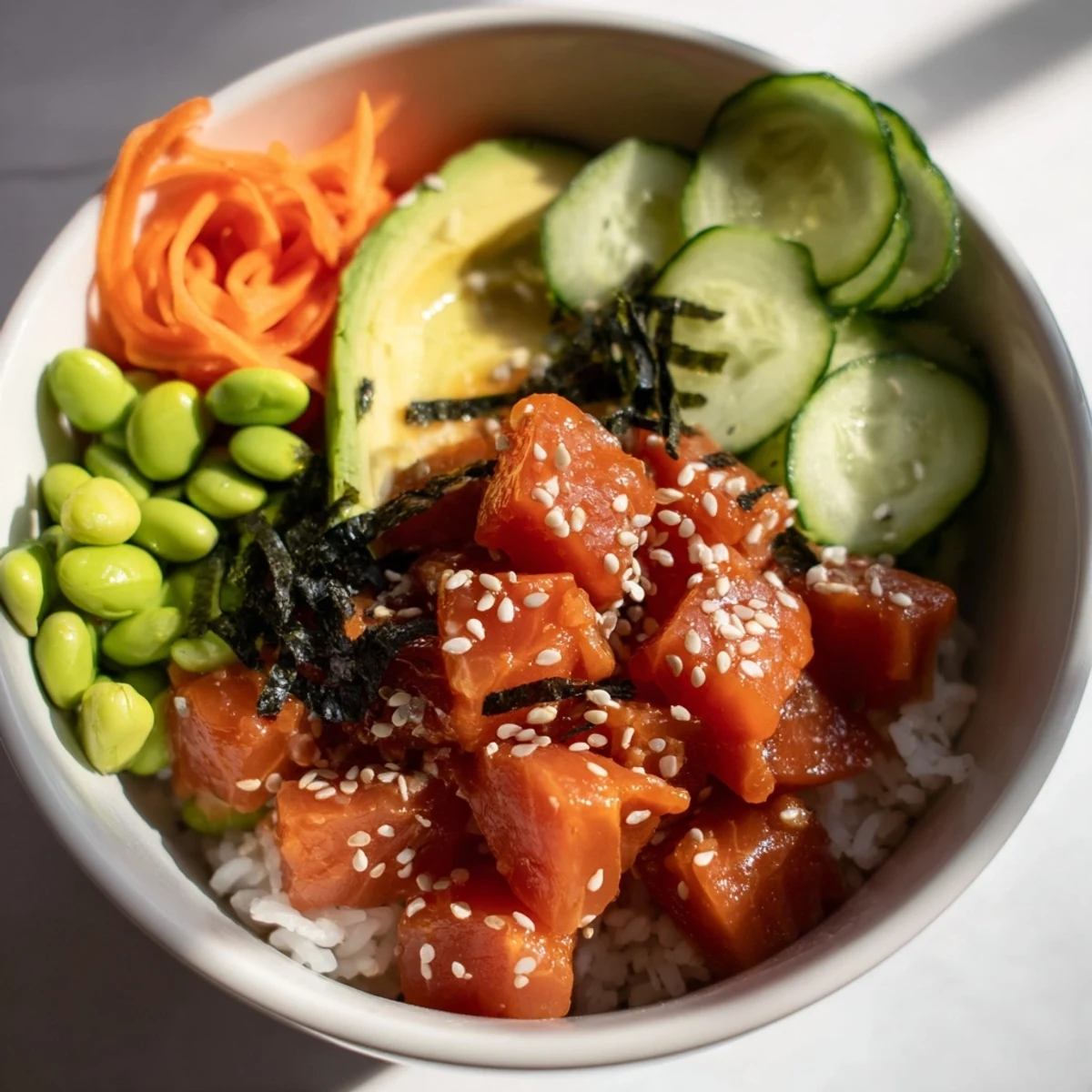
 Prepare sushi rice and season with vinegar, sugar, and salt. Coat sushi-grade tuna cubes in a spicy mayonnaise and Sriracha blend with sesame oil and lime. Assemble bowls with rice, then arrange the spicy tuna alongside fresh avocado slices, crisp cucumber, and optional edamame. Garnish with sesame seeds, nori strips, and green onions for a refreshing, flavorful dish ready in minutes.
The first time I made poke at home, I was chasing a memory of a tiny restaurant on Oahu where the chef barely looked up from his cutting board while assembling bowls with the efficiency of someone who'd done it ten thousand times. I bought sushi-grade tuna from a Japanese market, came home thinking it would be straightforward, and somehow turned it into something I craved every week after. This spicy tuna poke bowl became my answer to when I wanted restaurant-quality food without leaving the kitchen.
I made this for my partner on a Thursday when neither of us felt like eating out, and something about assembling it together at the counter, tasting the spice level, deciding if we wanted more lime, felt more intimate than sitting across from each other at a restaurant. That bowl became our shorthand for a good weeknight, the kind where you're too tired to pretend you're not hungry but too awake to compromise on flavor.
Ingredients
- Sushi-grade tuna: The quality here makes everything else possible, so buy from a fishmonger who actually knows their inventory and ask when it arrived.
- Kewpie mayonnaise: Japanese mayo has more yolk and a subtle sweetness that regular mayo can't replicate, and the difference matters here.
- Sriracha sauce: Start with less than you think you need, because it blooms as the tuna sits.
- Soy sauce: If you're avoiding gluten, check your bottle first because not all soy sauce is created equal.
- Toasted sesame oil: A drizzle does more work than a pour; it's concentrated flavor.
- Lime juice: Fresh is non-negotiable, and a microwave heat for 10 seconds before squeezing gets you more juice.
- Sushi rice: The foundation, and seasoning it warm makes the vinegar actually penetrate instead of sitting on top.
- Rice vinegar: This and sugar are your seasoning, so taste as you go rather than adding all at once.
- Avocado: Slice it last, just before assembling, or it starts turning that sad brownish color.
- Cucumber: Thin slices soak up the flavors better than chunks.
- Sesame seeds: Toast them yourself if you have five minutes; the difference is quiet but real.
- Nori: The umami punctuation mark that makes people ask what they're tasting.
Instructions
- Cook your rice right:
- Follow the package directions, but here's the thing: the rice has to still be warm when you season it so the vinegar actually gets absorbed instead of running off the top. If it cools, it closes up.
- Make the spicy coat:
- Whisk mayonnaise, Sriracha, soy sauce, sesame oil, lime, and green onion together, then fold in the tuna gently like you're tucking it in, not like you're making tuna salad. Chill it while you prep everything else so the flavors have time to wake up.
- Get your toppings ready:
- Slice the avocado, cucumber, and carrot, and have everything lined up on your cutting board before you touch the rice. This matters because avocado waits for no one.
- Build with intention:
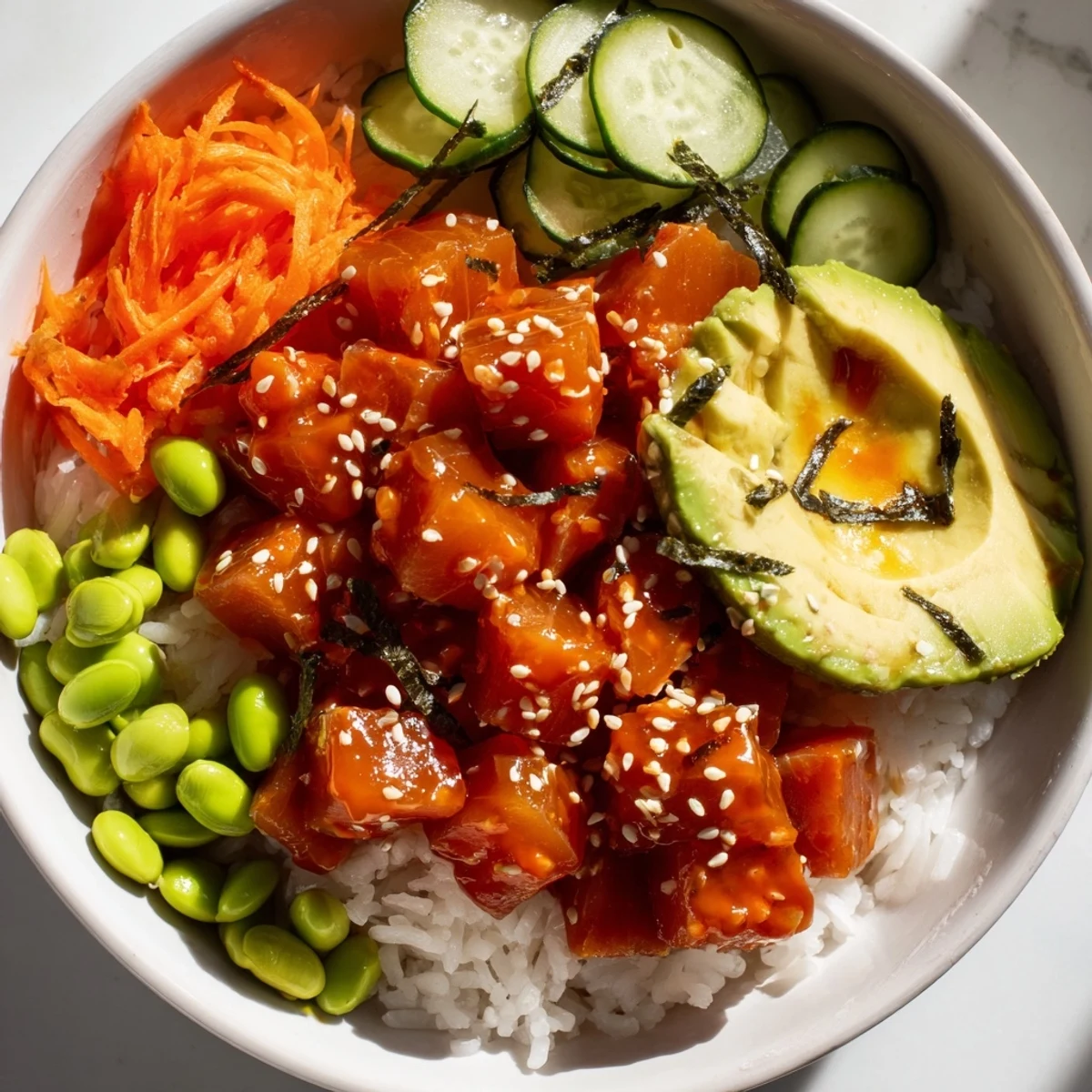
- Start with rice as your base, then arrange the tuna and vegetables like you're composing something, not just filling a bowl. Leave a little space so everything touches the rice underneath.
- The final layer:
- Sesame seeds first, then nori, then a scattering of green onion and whatever extra Sriracha your mood demands. Serve right away while the rice is still a little warm and everything hasn't become one muted color.
 Save to Pinterest
 What surprised me about this bowl is that it became the thing I'd make when someone I cared about was having a rough day, because it feels too nice for regular Tuesday dinner but doesn't require you to spend three hours justifying the effort. There's something about handing someone a bowl that beautiful and spicy and cold and creamy all at once that says I was thinking about you without saying it out loud.
The Spice Temperature Equation
The play between heat and cool in this bowl is deliberate. The spicy mayo warming as it hits the warm rice creates this interesting flavor amplification, while the cold avocado and cucumber act as counterargument. If you're sensitive to heat, use less Sriracha in the initial coating and offer extra mayo on the side instead of extra spice. Your guests won't know you planned it that way, and neither does the bowl.
Rice as a Foundation
People skip proper sushi rice seasoning and end up with something that tastes like it's missing something. The vinegar, sugar, and salt aren't optional flavor add-ons, they're how you make the rice interesting enough to stand up to everything you're piling on top. A properly seasoned rice grain tastes almost savory and slightly sweet, which is why it catches the Sriracha so well instead of just being a vehicle for it.
Building Flavor Through Texture
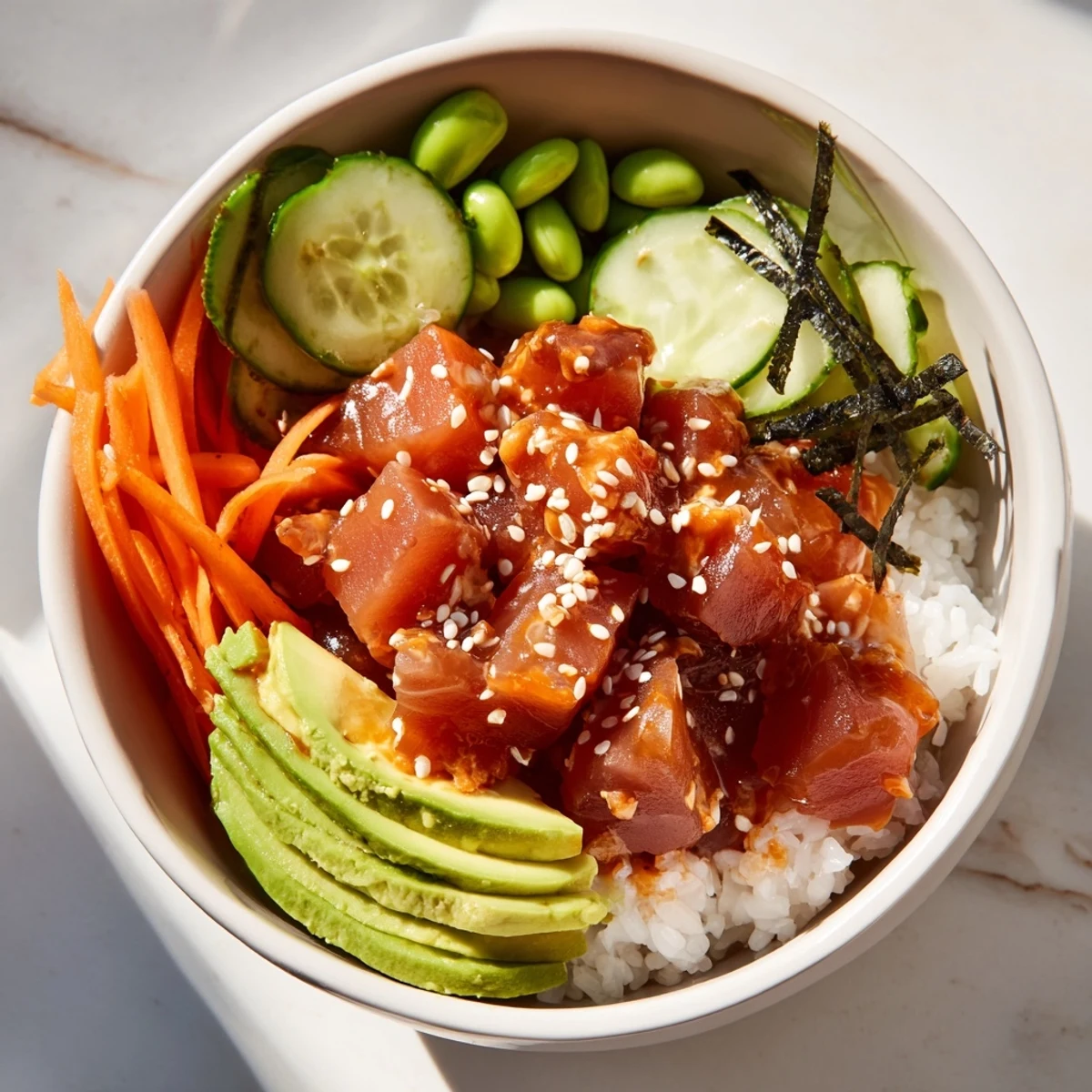
The real genius of poke bowls is texture stacking. You're hitting creamy, crisp, soft, crunchy, and chewy all in the same bite, and each one highlights the other. The cucumber wouldn't feel so fresh without the avocado next to it, and the tuna wouldn't feel so delicate without the sesame seeds between your teeth. This isn't accidental, it's how you make people actually taste what they're eating.
- Julienne your carrot thin so it adds crunch without trying to compete with the cucumber.
- Don't skip the nori because sea vegetable is the secret flavor that makes people ask what you did differently.
- If you want extra crunch, scatter some pickled ginger or fried onions on top just before serving.
 Save to Pinterest
 This bowl taught me that restaurant-quality food at home is mostly about respecting ingredients and timing, not complicated techniques. Make it once and it becomes your thing to reach for on nights when you want to feel taken care of.
Recipe Questions & Answers
- → How long does preparation take?
-
The total preparation time is approximately 20 minutes, involving no actual cooking aside from preparing the rice.
- → Can I use a different fish?
-
Yes, sushi-grade salmon is a popular alternative that works beautifully with the spicy marinade and fresh vegetables.
- → Is this dish gluten-free?
-
It can be gluten-free if you ensure the soy sauce used is replaced with tamari or a certified gluten-free alternative.
- → What type of rice is best?
-
Sushi rice is recommended for its sticky texture and mild flavor, which complements the spicy tuna perfectly.
- → Can I adjust the spice level?
-
Absolutely, simply increase or decrease the amount of Sriracha sauce in the tuna marinade to suit your taste preference.