
 Save to Pinterest
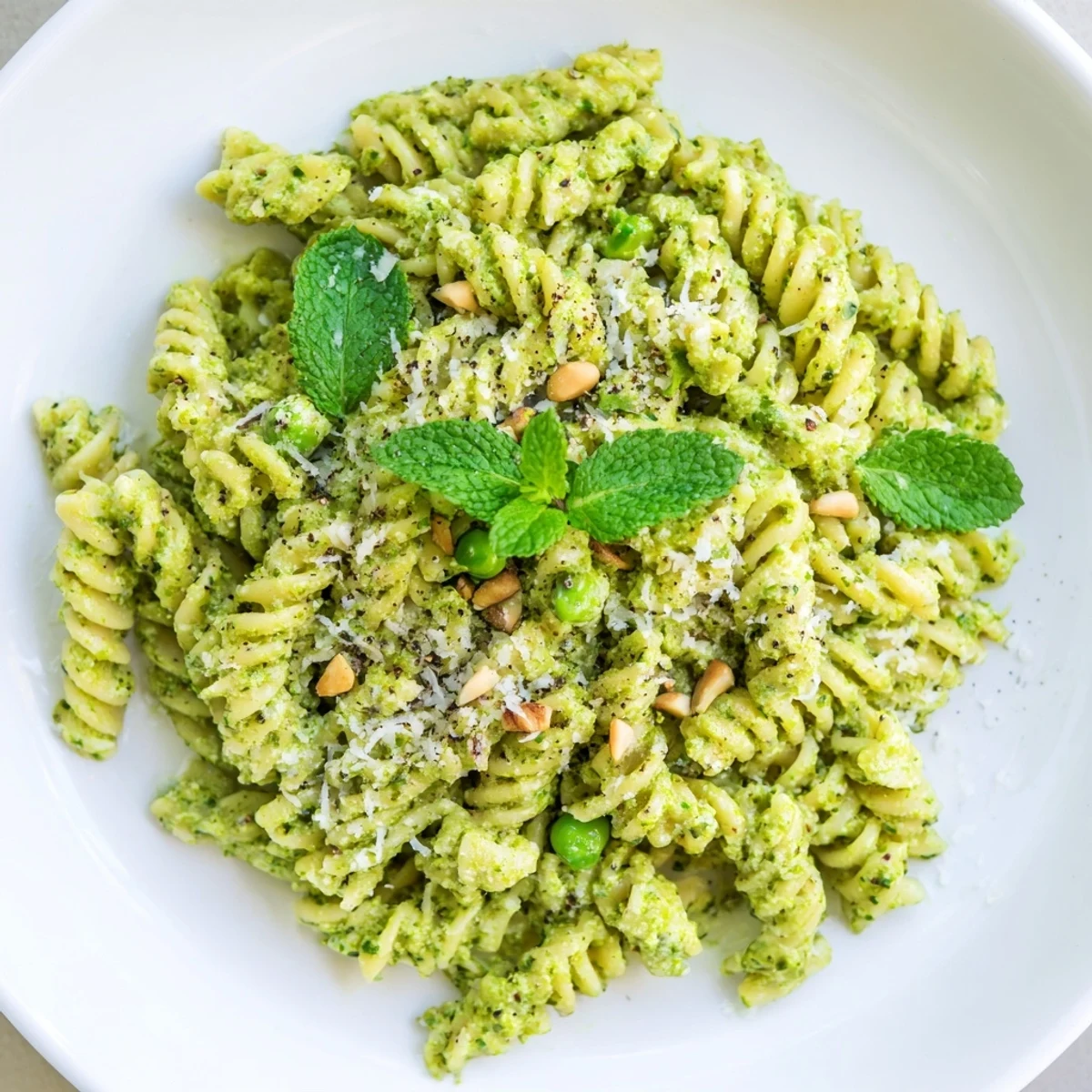
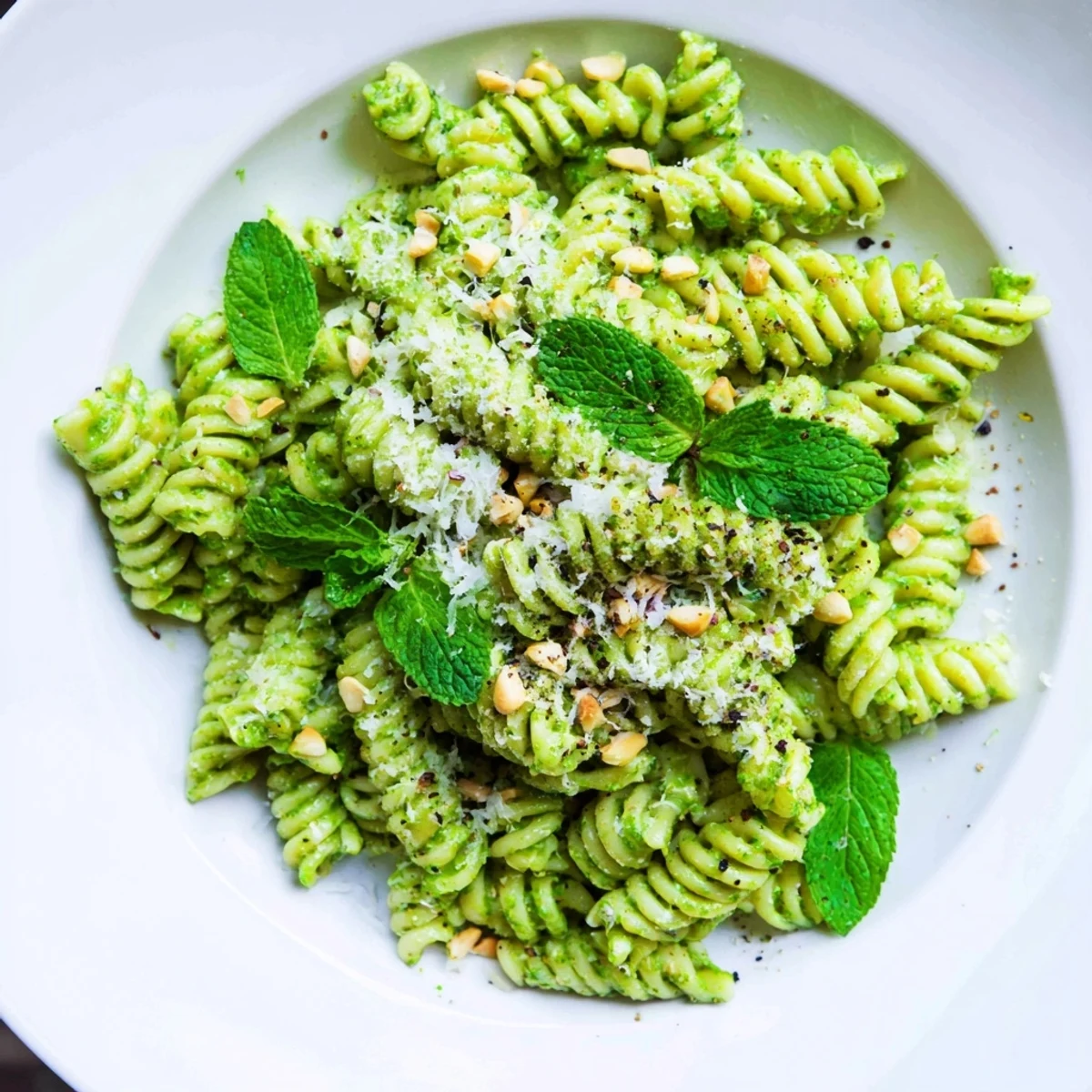
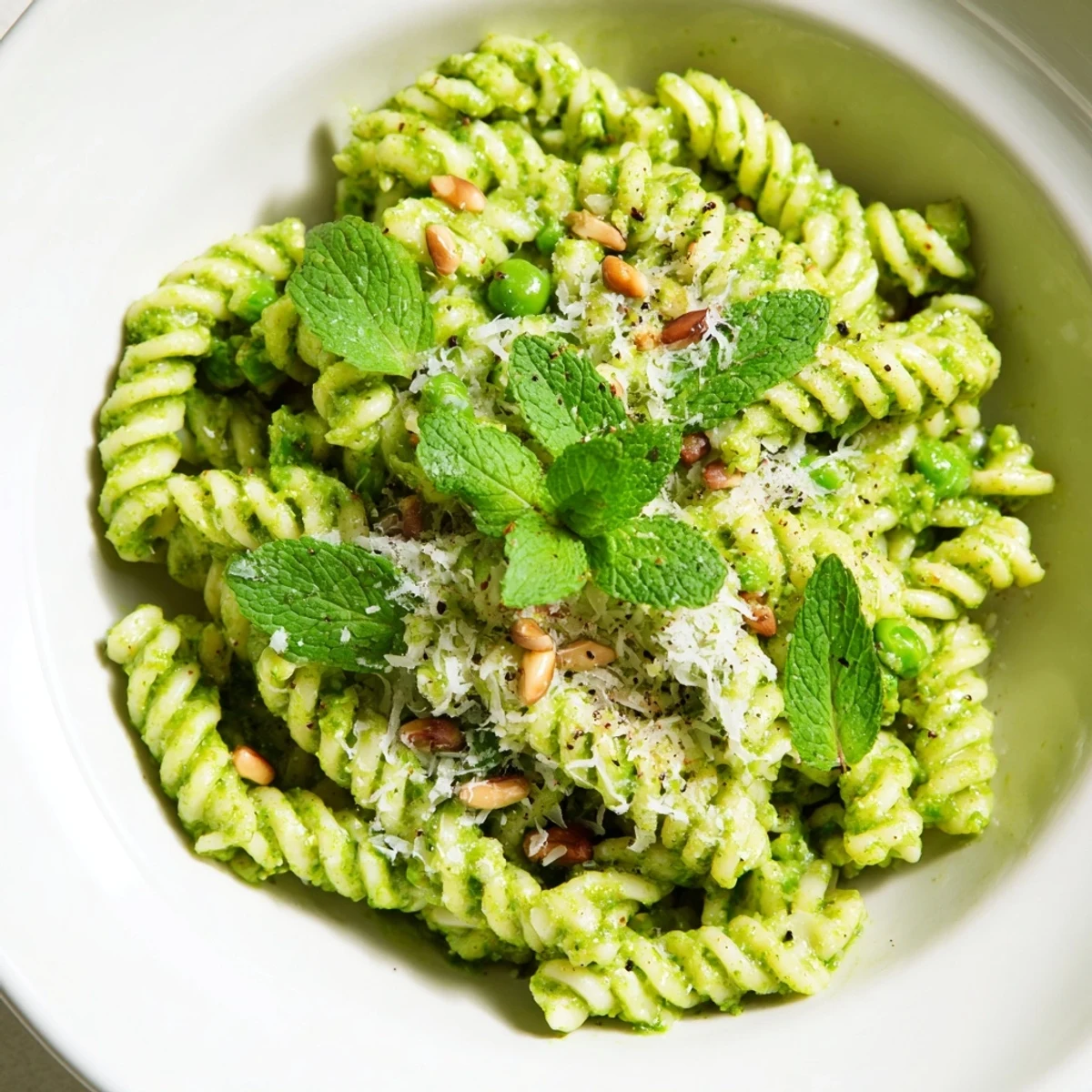
 This dish combines tender pasta with a bright green pesto made from sweet spring peas, fresh mint leaves, toasted pine nuts, and creamy Parmesan cheese. Blended with garlic, lemon zest, and olive oil, the sauce brings liveliness and richness. The pasta is cooked al dente and lightly coated with the pesto, resulting in a light yet satisfying meal. Garnishes of extra cheese, mint, and freshly ground pepper add freshness and depth. Perfect for easy, flavorful dining.
The first time I made this pesto, I wasnt even planning to cook. Id bought too many peas at the farmers market, just because they looked so perfect and green, and my mint patch was threatening to take over the entire herb garden. My sister dropped by unexpectedly, and I threw everything into the food processor while we caught up about her new job. That accidental dinner became one of those recipes I make whenever I need something that feels special but requires zero real effort.
Last June, I served this at a friends birthday dinner when someone mentioned they couldnt eat garlic. I simply left it out, and honestly, nobody missed it. The peas brought such natural sweetness that the pesto didnt need the extra kick. Since then, I have made it both ways depending on my mood, and each version has its own quiet charm.
Ingredients
- 350 g dried pasta: Fusilli catches the pesto beautifully, but penne or spaghetti work just as well. Choose something with texture so every bite holds onto the sauce.
- 200 g fresh or frozen peas: If using frozen, thaw them completely and pat them dry. Fresh peas are incredible during season but frozen are surprisingly reliable year round.
- 50 g fresh mint leaves: This sounds like a lot, but the mellow sweetness balances beautifully. Dont be shy with it.
- 30 g toasted pine nuts: Walnuts make a lovely, budget friendly substitute if pine nuts feel too precious for a Tuesday night.
- 60 g grated Parmesan cheese: Use freshly grated if possible. Pre grated cheese often has anti caking agents that make the pesto grainy.
- 1 garlic clove: Optional but adds a nice backbone. If you love garlic, add two. If you prefer it mild, leave it out entirely.
- 60 ml extra virgin olive oil: Good oil matters here since the flavors are so clean and simple.
- 1 lemon: Both zest and juice. The acid cuts through the rich cheese and wakes everything up.
Instructions
- Get your pasta water going:
- Bring a large pot of salted water to boil. The water should taste like the sea. This is your only chance to season the pasta itself.
- Start the pesto while water heats:
- In a food processor, combine the peas, mint, nuts, Parmesan, and garlic if using. Pulse until everything is roughly combined and slightly textured.
- Add the lemon:
- Toss in the lemon zest and juice. Pulse again to incorporate. The lemon will brighten everything instantly.
- Stream in the olive oil:
- With the processor running, slowly pour in the olive oil. Watch as the mixture transforms into a creamy, vibrant green sauce that still holds some texture.
- Season to taste:
- Add salt and pepper, then taste. Adjust until it sings. Remember the Parmesan is already salty, so go easy at first.
- Cook your pasta:
- Drop the pasta into boiling water and cook until al dente. Reserve about 120 ml of the starchy cooking water before draining.
- Bring it together:
- Toss the hot pasta with the pesto in a large bowl. Add pasta water a little at a time until the sauce coats each piece lightly.
- Plate and garnish:
- Serve immediately with extra Parmesan, a few fresh mint leaves, and plenty of black pepper on top.
 Save to Pinterest
 I once doubled this recipe for a neighborhood potluck and watched three kids who claimed they hated pesto go back for thirds. There is something about the sweetness of the peas that makes this approachable even for people who think they dont like green sauces. That night reminded me that the best recipes are often the ones that surprise us.
Making It Your Own
Sometimes I add sautéed asparagus or snap peas for extra crunch and substance. The dish becomes more of a complete meal rather than just pasta with sauce. Other times I keep it simple and let the pesto shine on its own. Both ways feel right depending on the day.
Wine Pairing
A crisp white wine cuts through the creaminess beautifully. Something bright and acidic works wonders here. I have served it with everything from Sauvignon Blanc to a light Pinot Grigio, and the match never disappoints.
Make Ahead Tips
The pesto keeps well in the refrigerator for up to three days, though the mint will fade slightly. Press plastic wrap directly onto the surface to prevent oxidation. You can also freeze portions in ice cube trays and thaw as needed for quick weeknight dinners.
- If freezing, skip the Parmesan and add it fresh when you serve
- Leftover pesto makes an incredible sandwich spread the next day
- Toss any extra pesto with roasted vegetables for an instant side dish
 Save to Pinterest
 This pasta has become my go to for nights when I want something fresh and lively but dont want to spend hours in the kitchen. Spring in a bowl, any time of year.
Recipe Questions & Answers
- → What type of pasta works best?
-
Short pasta shapes like fusilli or penne hold the pesto well, but spaghetti also works nicely for a lighter texture.
- → Can I use frozen peas for the pesto?
-
Yes, thawed frozen peas are an excellent choice and maintain the bright flavor needed for the pesto.
- → How do I make a vegan version of this dish?
-
Substitute Parmesan with nutritional yeast to keep a cheesy flavor while omitting all dairy.
- → What nuts can replace pine nuts if unavailable?
-
Walnuts are a great alternative, providing similar texture and a mild nutty flavor.
- → What wine pairs well with this pasta?
-
A crisp white wine complements the fresh pea and mint flavors beautifully, enhancing the lightness of the dish.