
 Save to Pinterest
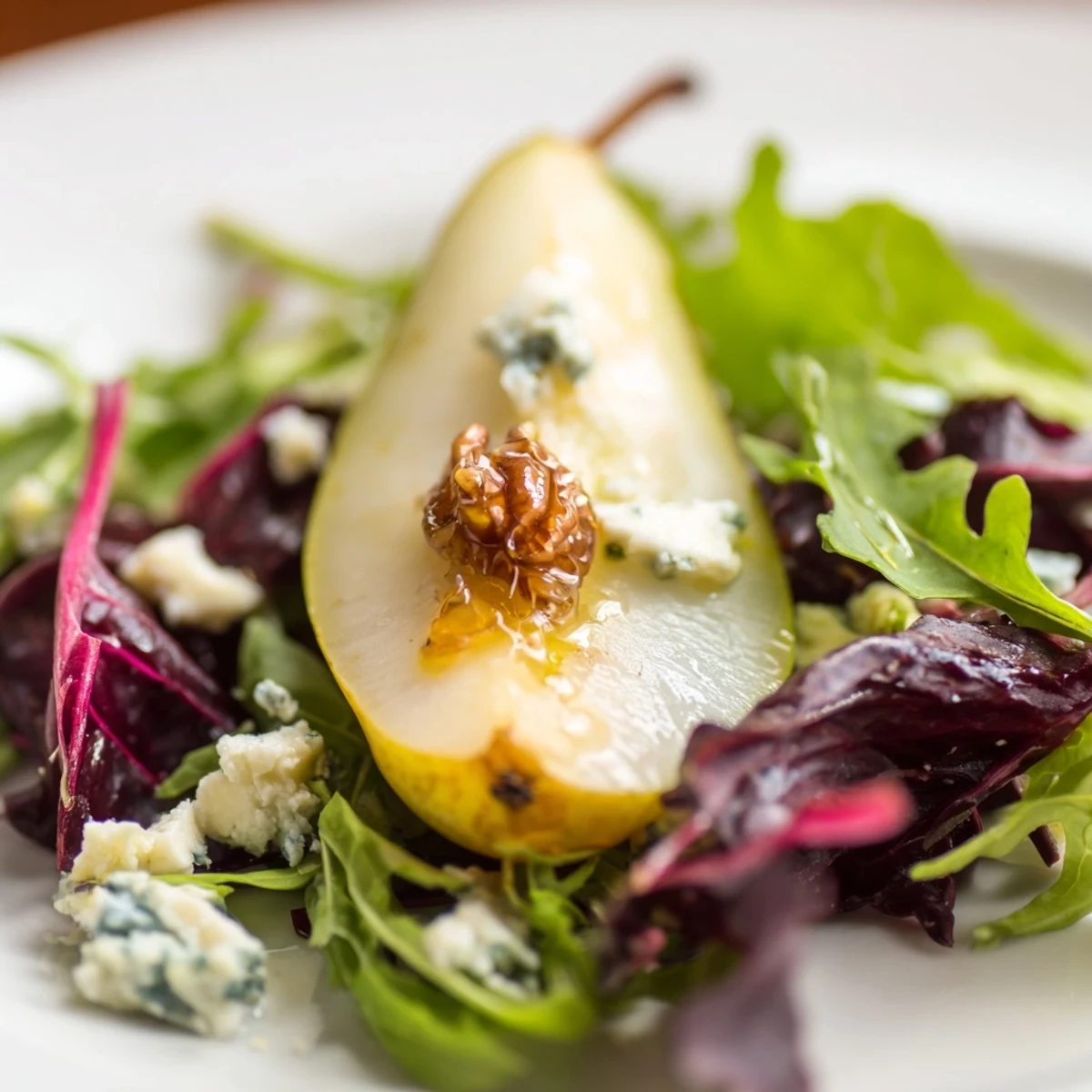
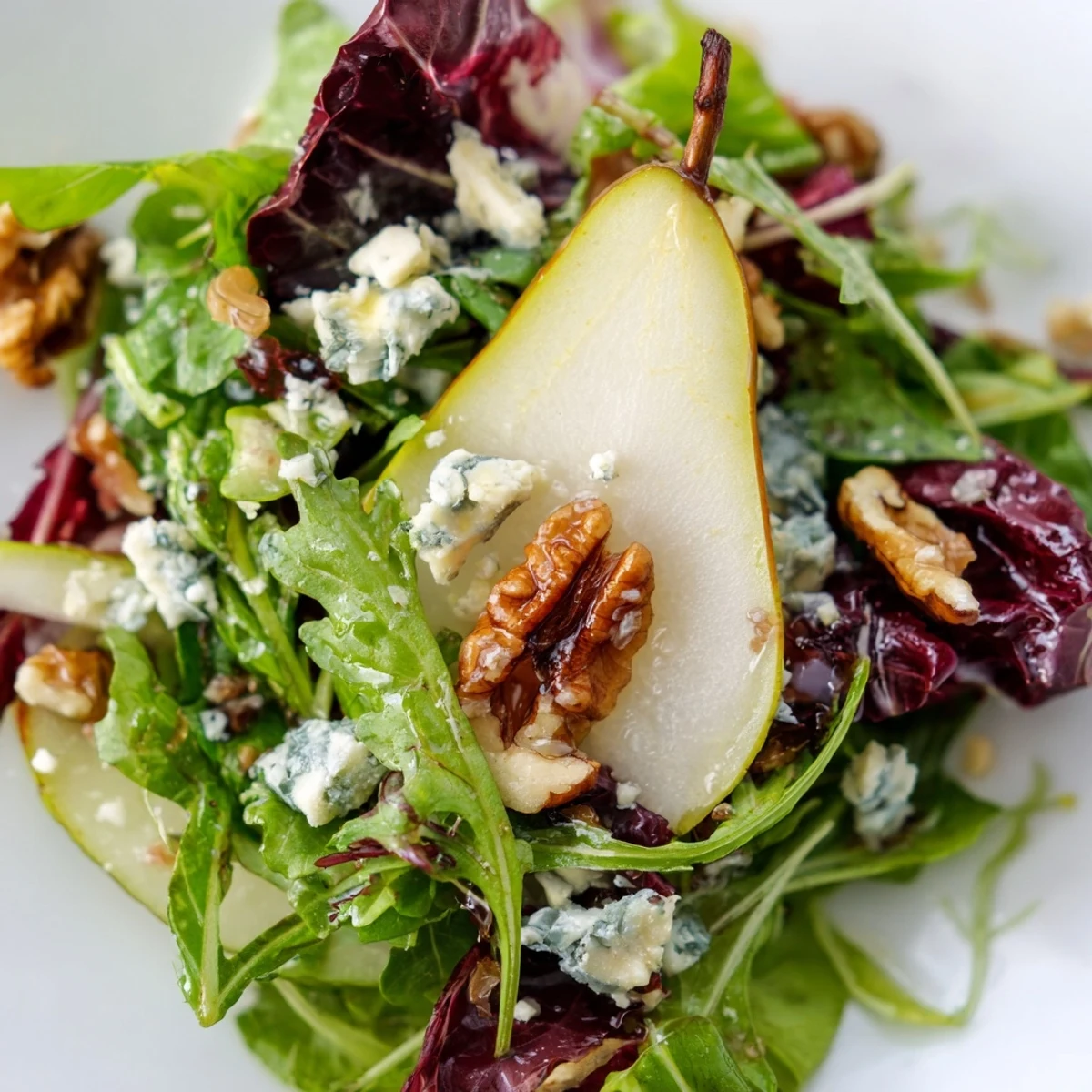
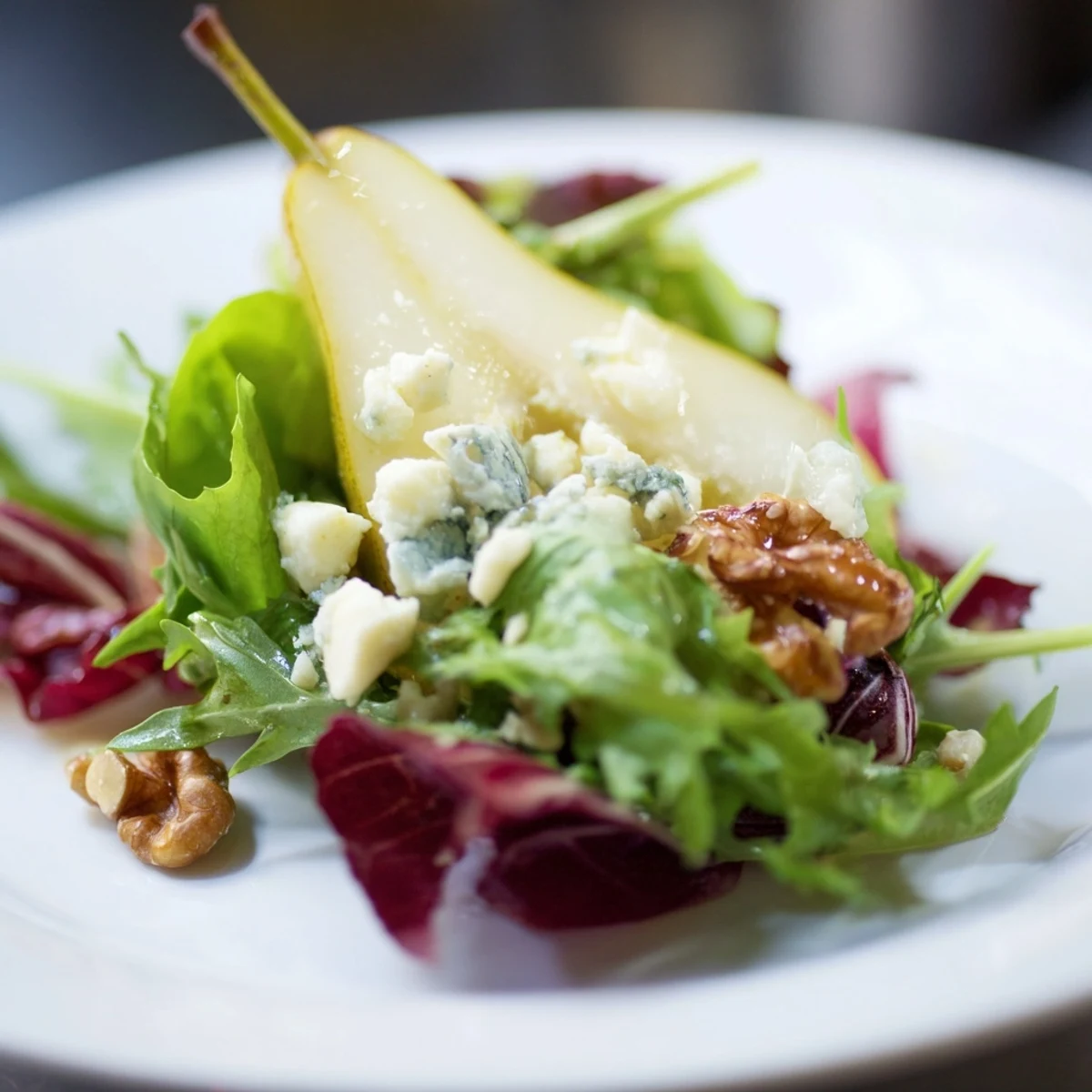
 This dish showcases a fresh mix of winter greens combined with thinly sliced ripe pears and crunchy candied walnuts, all brought together with a tangy vinaigrette. The candied walnuts add a delicate sweetness and texture contrast, while the cheese and red onion layers provide depth. It's ideal for a light lunch or elegant starter, balancing freshness, sweetness, and a hint of acidity. Simple preparation steps and readily available ingredients make this plate approachable yet refined.
There's something about the first crisp evening in late autumn when you realize salads don't have to be summer's exclusive territory. I was standing in the market one October, caught between the last of the summer greens and the bold winter varieties, when a perfectly ripe pear caught my eye. That's when it clicked: a salad that celebrates what's best about colder months, with toasted walnuts adding warmth and crunch that makes you feel taken care of.
I made this for a dinner party once when the main course ran late, and it became the star of the evening anyway. My friend Sarah, who usually skips salad entirely, came back for seconds and asked for the recipe while reaching for another walnut. That's when I knew this wasn't just a side dish—it was the kind of food that changes how people think about what's possible on a plate.
Ingredients
- Mixed winter greens: Arugula, spinach, frisée, and radicchio create layers of flavor and texture that actually improve with colder weather, so don't settle for iceberg.
- Ripe pears: This is the moment to stop and taste before you buy—the pear should give just slightly to thumb pressure and smell faintly floral.
- Crumbled blue cheese or goat cheese: The funk and tang here is essential; it's the voice that makes everything else sing.
- Red onion: Sliced paper-thin, it sharpens the whole salad without overpowering it.
- Walnut halves: Raw walnuts are crucial because candying them brings out their natural oils in a way pre-roasted ones can't match.
- Granulated sugar: This caramelizes into a thin, crunchy coating that shatters when you bite.
- Unsalted butter: It helps the sugar adhere and adds a subtle richness that makes you taste the butter, not just sweetness.
- Extra-virgin olive oil: Don't use your cooking oil here; this is where a good oil's fruitiness matters.
- Apple cider vinegar: The slight warmth of cider vinegar complements pear better than white vinegar ever could.
- Dijon mustard: It emulsifies the vinaigrette so it clings to the greens instead of pooling.
- Honey: A teaspoon is enough to bridge the sweet and savory, creating complexity instead of sweetness.
Instructions
- Toast and candy the walnuts:
- Heat a nonstick skillet over medium heat and combine walnuts, sugar, and butter, stirring constantly for 3 to 4 minutes until the sugar becomes a light caramel coating each piece. You'll smell the exact moment it's done—a warm, toasted aroma that means the sugar has crystallized.
- Cool them completely:
- Spread the walnuts immediately on parchment paper and let them sit until they're room temperature, or they'll clump together. This is when patience pays off; rushing this step ruins the texture.
- Build the vinaigrette:
- In a small bowl, whisk olive oil, apple cider vinegar, Dijon mustard, honey, salt, and pepper together until the mixture thickens slightly. The emulsification happens as you whisk, so don't skip that step.
- Dress the greens:
- Toss the winter greens with half the vinaigrette in a large bowl so every leaf gets coated without the salad becoming soggy. The greens should glisten, not swim.
- Arrange and layer:
- Spread the dressed greens on a platter or individual plates, then scatter the pear slices, red onion, and cheese across the top. This is where the salad becomes beautiful, so take a moment to arrange it like you mean it.
- Finish and serve:
- Top everything with the cooled candied walnuts and drizzle with the remaining vinaigrette just before serving. Waiting until the last moment keeps the walnuts crisp instead of softening them into the vinaigrette.
 Save to Pinterest
 What made this salad stick with me wasn't just how it tasted but how it felt to serve it. There's something grounding about putting together something so simple that's also unexpected enough to feel thoughtful. It's the kind of dish that makes you look forward to the seasons changing instead of resisting them.
The Art of Candying Anything
Once you learn to candy walnuts, you'll want to try it with pecans, hazelnuts, or even seeds. The technique is always the same: medium heat, constant stirring, and the discipline to pull them off the heat at the exact moment when the sugar stops being wet and starts being crystalline. The window is maybe 30 seconds, which is why some cooks swear by medium-low heat instead—it gives you more time to react. I've had better luck with medium and a watchful eye, but every stove is temperamental in its own way.
Why Pears Matter in Winter
Pears have a delicate flavor that gets lost next to acidic vinaigrettes, which is why apples often seem like the safer choice. But a ripe pear brings a subtle sweetness and a buttery texture that complements bitter greens without competing with the other flavors. If you can't find good pears, absolutely use apples—I once made this with a firm Granny Smith when pears were out of season, and it was delicious but different, less refined. The pear version feels like an occasion.
Making It Your Own
This salad is a frame, not a formula, so feel free to shift things around. I've added roasted beets, swapped the cheese for crumbled feta, and even used a sherry vinaigrette when I had a bottle open. The only thing that matters is that you keep the walnut-to-green ratio high enough that you get some candied walnut in every bite.
- If you're making this for guests who don't eat cheese, leave it off the platter and let people add their own—it keeps the salad flexible without watering down the core recipe.
- A quick spin in a salad spinner makes the biggest difference in texture; wet greens dilute the vinaigrette, so dry them well.
- Assemble this right before serving for the crispest, most satisfying experience.
 Save to Pinterest
 This salad proves that winter food doesn't have to be heavy or warming—sometimes it's crisp, elegant, and alive. Make it when you want to feel like you've taken care of yourself and anyone sitting across from you.
Recipe Questions & Answers
- → What greens work best in this salad?
-
Mixed winter greens like arugula, spinach, frisée, and radicchio add varied textures and flavors, enhancing the overall freshness.
- → How can I make candied walnuts at home?
-
Heat walnuts with sugar and butter in a skillet until sugar melts to coat them, then cool on parchment to harden.
- → Can I substitute the cheese used here?
-
Blue cheese or goat cheese complements the ingredients well, but you may opt for other crumbly cheeses or omit for vegan versions.
- → Is there a recommended dressing adjustment?
-
The vinaigrette balances honey’s sweetness with apple cider vinegar’s tang; adjust seasoning and mustard to taste.
- → What wines pair nicely with this dish?
-
Light, crisp whites like Sauvignon Blanc or lightly oaked Chardonnay enhance the flavors without overpowering them.