
 Save to Pinterest
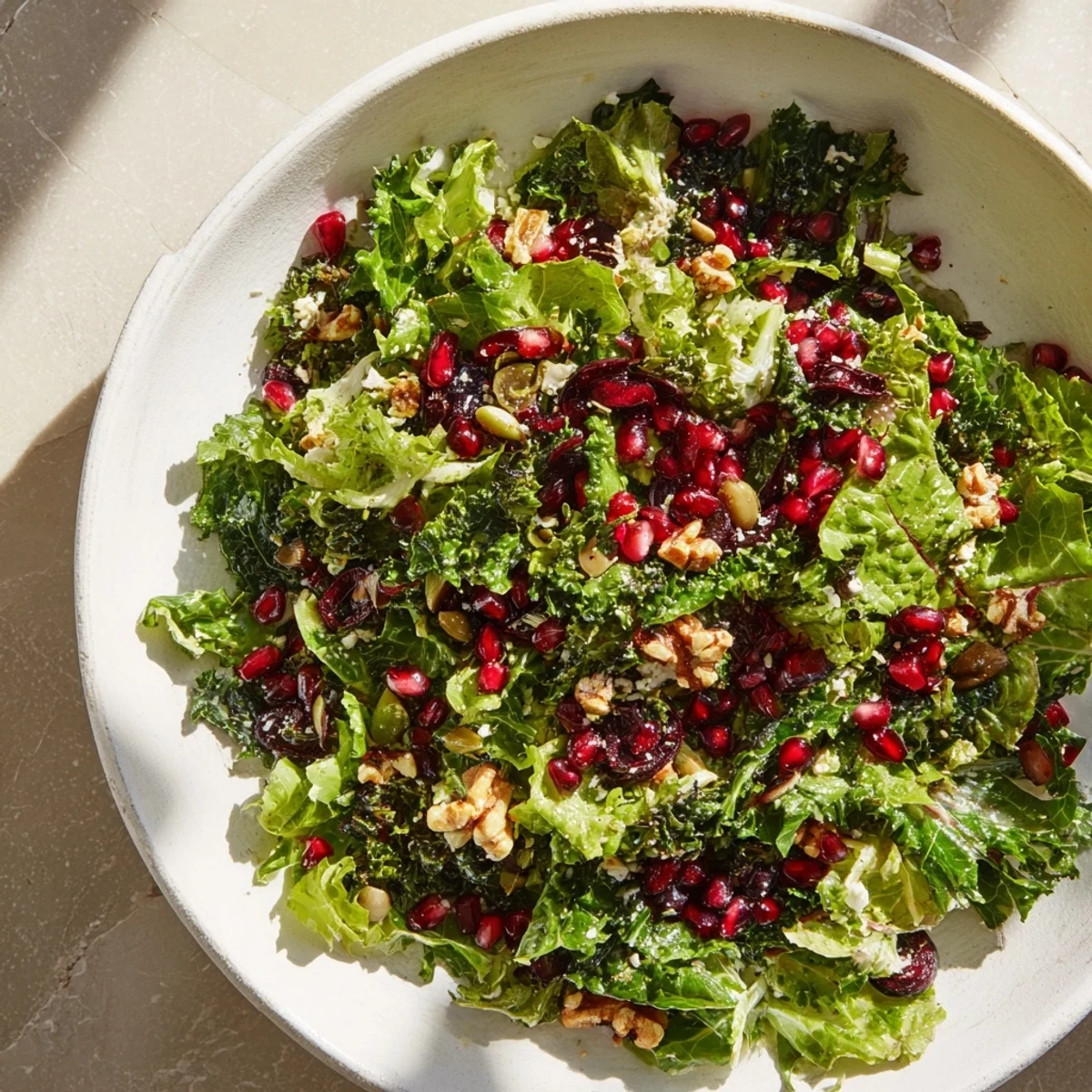
 This dish combines tender winter greens such as kale, spinach, and arugula with a lively pomegranate vinaigrette crafted from juice, vinegar, Dijon mustard, honey, and olive oil. The salad is topped with crunchy toasted nuts and ruby-red pomegranate seeds, offering a balance of textures and flavors. It’s a fresh, easy-to-prepare dish that brightens cold-weather meals and suits vegetarian and gluten-free diets. Optional crumbled cheese adds creaminess, while additional fruit like pears or apples can bring sweetness. A simple yet elegant option for a vibrant, nutritious addition to any table.
I discovered this salad one crisp winter morning when my farmer's market haul overflowed with jewel-toned pomegranates and bundles of hardy winter greens. I'd been craving something bright and alive during those grey months, and this combination just clicked—it became the salad I now make weekly from December through February, each bite a little burst of sunshine on the plate.
The first time I served this at a winter dinner party, someone asked for the recipe before they'd even finished their first bite. That's when I knew I'd stumbled onto something special—a salad that felt both comforting and impressive, the kind that makes people slow down and actually taste their food.
Ingredients
- Mixed winter greens (6 cups): Kale, baby spinach, arugula, and Swiss chard together create a wonderful complexity of flavors and textures. I love how hardy these greens hold up to the vinaigrette without wilting into mush. Wash them well and tear by hand—it's gentler on the leaves.
- Pomegranate juice (3 tablespoons): This is the star of the dressing. Fresh juice makes all the difference, but if pomegranates aren't in season, look for unsweetened pomegranate juice in the natural foods aisle. The tartness balances the sweetness beautifully.
- Red wine vinegar (1 tablespoon): Sharp and sophisticated, it adds depth. Don't skip it or substitute—this is what gives the vinaigrette its backbone.
- Dijon mustard (1 teaspoon): A touch of mustard helps emulsify the dressing and adds a subtle grain that makes people wonder what that complex note is.
- Honey or maple syrup (1 teaspoon): I go back and forth between these depending on what I'm serving the salad with. Honey is more neutral, maple adds earthiness that's lovely with winter flavors.
- Sea salt and black pepper (1/4 teaspoon and 1/8 teaspoon): Taste as you go—you may need more salt than you think. Freshly ground black pepper makes a noticeable difference here.
- Extra virgin olive oil (3 tablespoons): Good oil matters. This is where you use the bottle you actually enjoy tasting, not the cooking-only one.
- Pomegranate seeds (1/2 cup): These are worth the effort to extract. The burst of juice and the slight tartness they add is non-negotiable. Save the white pith if you're arilling them yourself—compost gold.
- Toasted walnuts or pecans (1/4 cup): Toasting them yourself takes two minutes and transforms them. You'll taste the difference immediately. Chop them roughly so you get big, satisfying pieces in each bite.
- Crumbled feta or goat cheese (1/4 cup, optional): The creamy, tangy cheese plays beautifully against the pomegranate brightness. If you skip it, the salad is still wonderful, just slightly lighter.
Instructions
- Make the Vinaigrette Magic:
- In a small bowl, whisk together the pomegranate juice, red wine vinegar, Dijon mustard, honey, salt, and pepper. This is where patience pays off—really whisk for about 30 seconds to let the flavors marry. Then, slowly drizzle in your olive oil while whisking constantly. You'll feel it emulsify as you work, becoming silky and slightly thickened. Stop when it looks like liquid silk.
- Dress the Greens:
- Place your winter greens in a large salad bowl—don't chop them too small, you want those beautiful whole leaves visible. Pour the vinaigrette over the greens and toss gently with your hands or salad tongs, as if you're handling something precious. You want every leaf kissed with dressing, but not drenched. This takes about a minute of gentle tossing.
- The Finishing Touch:
- Sprinkle the pomegranate seeds across the top like rubies, then scatter your toasted nuts and cheese if using. Don't toss this in—let the toppings sit on top so they stay crunchy and distinct from the greens.
- Serve Immediately:
- This salad is best served right away while the greens are cool and crisp and the nuts are still at their crunchiest. Plate it gently, making sure each bowl gets a generous scatter of pomegranate seeds and nuts.
 Save to Pinterest
 There was a moment last January when my daughter came home from school upset about something I can't even remember now, and I made this salad for dinner. Something about the brightness of it, the colors, the care involved in preparing it—it shifted the whole mood at the table. That's when I realized this isn't just a salad recipe, it's my winter comfort in edible form.
Keeping It Fresh
The beauty of this salad is its simplicity, but that means quality ingredients matter tremendously. Choose the freshest greens you can find—they should snap when you tear them, not feel tired or limp. If your greens have been sitting in the crisper drawer for a few days, revive them in an ice bath for 15 minutes before using. For pomegranates, look for ones that feel heavy for their size and have deep color. Store pomegranate seeds in the refrigerator in a sealed container for up to 5 days, and they actually taste better on day two or three as the flavors concentrate.
When You're Missing Something
This salad is forgiving in the best way. If you don't have pomegranate juice, use a combination of cranberry juice and a splash of lime juice. No pomegranate seeds? Dried cranberries or tart dried cherries add that needed tartness and jewel-tone color. Can't find your preferred winter greens? Use whatever hearty greens you can access—the vinaigrette is flexible enough to shine with any of them. Even the nuts can change based on what you have on hand. I've made this with almonds, hazelnuts, and even sunflower seeds when I was looking for nut-free options.
Serving Ideas That Clicked
This salad stands beautifully on its own as a light lunch, but it also plays well with others. I serve it alongside roasted chicken or turkey during the holidays, and it's become my go-to first course for winter dinner parties. For a vegetarian main, add roasted chickpeas or white beans tossed with a little cumin and you have a complete meal. Try pairing it with crusty bread and some good cheese for a simple, elegant dinner. It's also perfect alongside heartier foods like roasted root vegetables or grain bowls—the bright, sharp vinaigrette cuts through richness beautifully. One last thing as you leave the kitchen—make extra vinaigrette because you'll want to use it on other salads all week long. And remember, if anyone asks, you spent ages on this salad. Let them believe it. You know the truth—15 minutes of actually enjoying the process of making something beautiful.
 Save to Pinterest
 Winter greens with pomegranate vinaigrette has become my quiet ritual during the darkest months—a way to bring brightness to the table when the world outside is grey. Make this salad for yourself, make it for people you love, and notice how a simple combination of good ingredients and a little care can transform an ordinary day.
Recipe Questions & Answers
- → What greens work best for this salad?
-
Mixes like kale, baby spinach, arugula, and Swiss chard provide a robust and varied texture ideal for this dish.
- → How do I make the vinaigrette smooth and well blended?
-
Whisk the pomegranate juice, vinegar, mustard, honey, salt, and pepper first, then slowly drizzle in the olive oil while whisking until emulsified.
- → Can I toast the nuts for better flavor?
-
Yes, toasting walnuts or pecans in a dry skillet over medium heat for 2-3 minutes enhances their aroma and crunch.
- → Are there alternative toppings to cheese?
-
For a dairy-free option, omit the cheese or use a plant-based alternative. Thinly sliced fruits like pears can also add texture and sweetness.
- → How does this dish fit into different diets?
-
Suitable for vegetarian and gluten-free preferences. Removing nuts or cheese can adapt it for allergy considerations.
- → What dishes pair well with this salad?
-
This salad complements roasted poultry or works beautifully as a bright starter during colder months.