
 Save to Pinterest
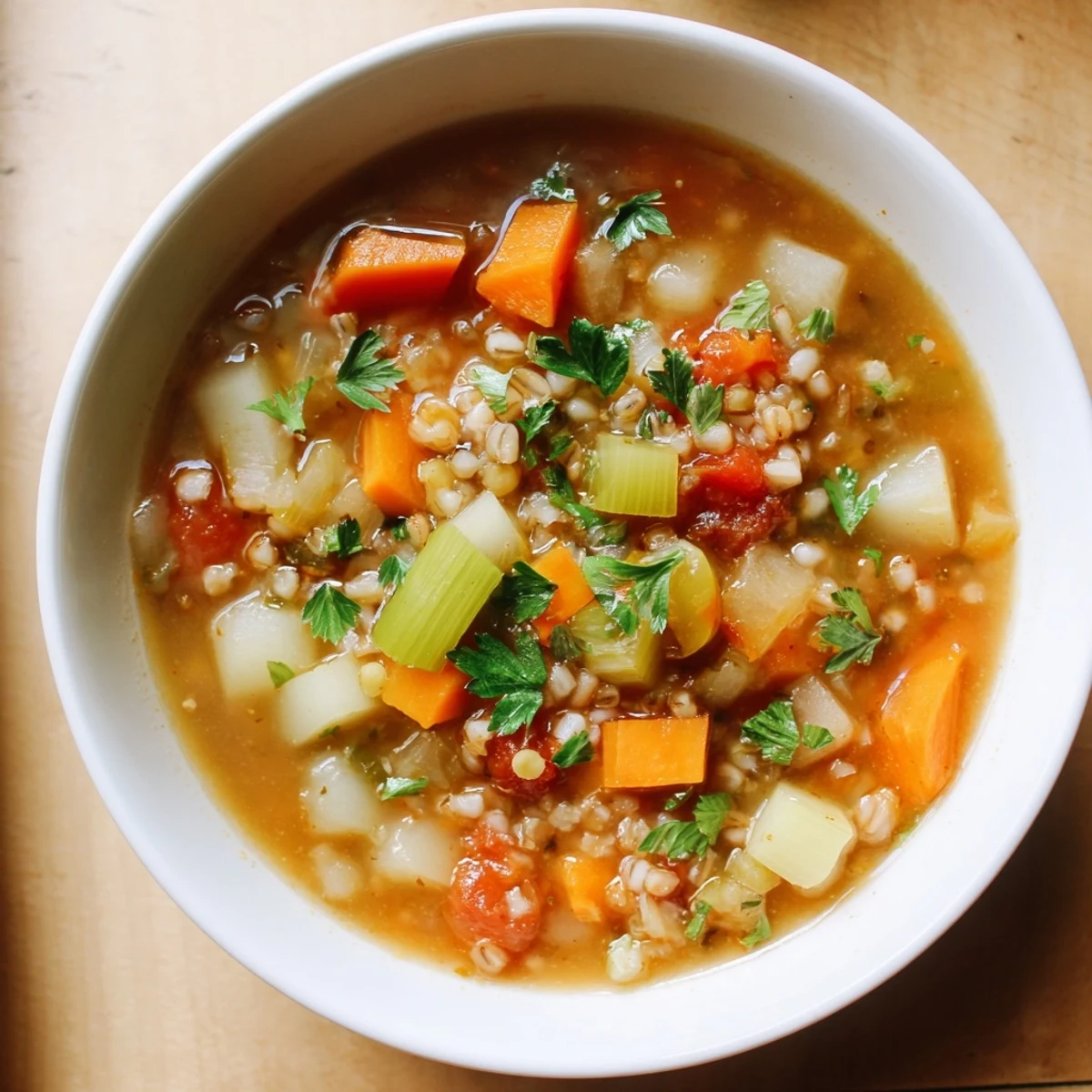
 This dish combines an array of winter root vegetables like carrots, parsnips, rutabaga, and potatoes with nutty pearl barley. Sautéed onions and garlic provide a fragrant base, while herbs such as thyme and oregano add depth. Simmered slowly in vegetable broth with diced tomatoes, the hearty mixture becomes tender and richly flavored. Finished with fresh peas and parsley, it’s an ideal warming bowl that celebrates the seasonal harvest with wholesome ingredients and simple cooking techniques.
I was halfway through a January cleaning out the back of my pantry when I found a bag of pearl barley I'd forgotten about. Outside, sleet tapped against the window, and I had a pile of root vegetables that needed using. That's how this soup happened: not from a plan, but from what was there, and it turned out to be exactly what I needed.
The first time I made this, I doubled the batch without thinking and ended up bringing containers to three different neighbors. One of them still asks if I have any soup going whenever we run into each other. It became the thing I make when someone needs something warm and real, not fancy.
Ingredients
- Olive oil: Just enough to soften the aromatics without making the soup greasy, use what you have on hand.
- Onion and garlic: These build the base flavor, don't skip the step of letting them cook until they smell sweet.
- Carrots, parsnips, celery, rutabaga, potatoes: The mix of roots gives you layers of earthiness and sweetness, and they all cook at roughly the same pace if you dice them evenly.
- Leek: Adds a gentle onion flavor that's softer and more delicate than the sharp bite of raw onion.
- Frozen green peas: These go in at the end to keep their bright color and little pop of sweetness.
- Pearl barley: Rinse it first to get rid of excess starch, it swells as it cooks and soaks up all the broth.
- Vegetable broth: Homemade is lovely, but a good store-bought one works just fine if that's what you have.
- Diced tomatoes: They add acidity and a hint of brightness that balances all the starchy vegetables.
- Bay leaves, thyme, oregano: Dried herbs work beautifully here because they have time to bloom in the long simmer.
- Salt, black pepper, fresh parsley: Season at the end when you can actually taste it, and the parsley makes it look like you tried harder than you did.
Instructions
- Start with the aromatics:
- Heat olive oil in a large pot over medium heat, then add the diced onion and minced garlic. Let them sizzle gently for a few minutes until the kitchen smells warm and the onion turns translucent.
- Add the root vegetables:
- Toss in the carrots, parsnips, celery, rutabaga, and potatoes, stirring them around for about 5 minutes. You'll hear them start to soften and smell the earthiness coming through.
- Stir in leek and barley:
- Add the sliced leek and rinsed barley, stirring for a couple of minutes so the barley gets coated and starts to toast just a little.
- Pour in the liquids and seasonings:
- Add the vegetable broth, canned tomatoes with all their juices, bay leaves, thyme, and oregano. Stir everything together and bring it up to a boil.
- Simmer until tender:
- Lower the heat, cover the pot, and let it simmer gently for 40 minutes, stirring now and then. The barley will plump up and the vegetables will start to break down at the edges.
- Finish with peas:
- Stir in the frozen peas, leave the lid off, and simmer for another 8 to 10 minutes. The peas will brighten the whole pot.
- Season and serve:
- Fish out the bay leaves, taste the soup, and add salt and pepper until it tastes right to you. Ladle it into bowls, scatter fresh parsley on top, and serve it hot.
 Save to Pinterest
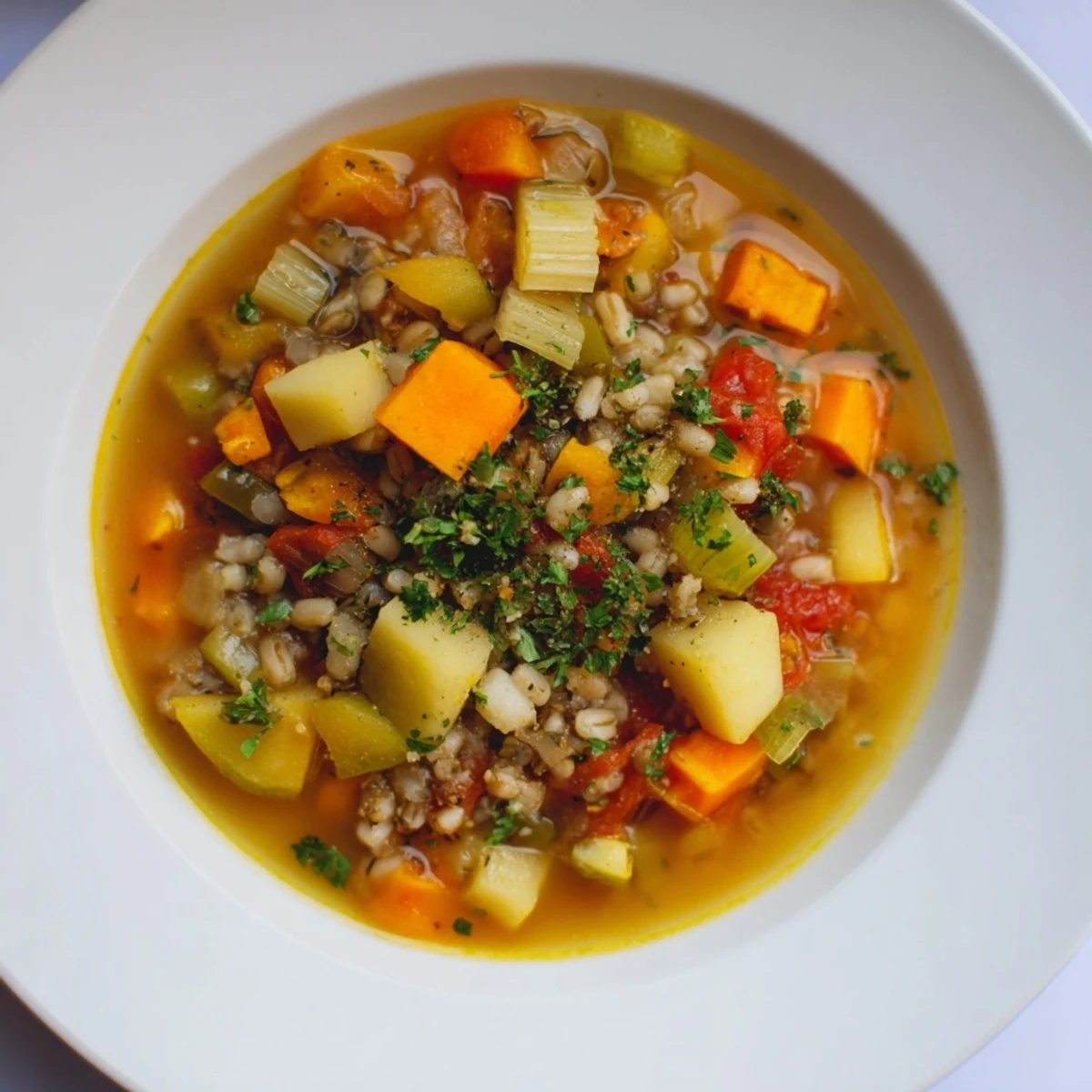
 There's a moment when the soup is almost done and you lift the lid to stir it, and the steam hits your face with all that thyme and tomato and sweet cooked vegetables. That's when it stops being a list of ingredients and starts being the thing that makes your house smell like someone cares. I've served this to people who said they didn't like soup, and they always go quiet after the first spoonful.
Making It Your Own
If you can't find rutabaga or just don't like it, swap in turnips or even a small sweet potato. I've also thrown in a handful of chopped kale in the last few minutes when I had some wilting in the fridge, and it only made it better. This soup is forgiving, it wants you to use what you have.
What to Serve It With
A thick slice of whole-grain bread with salted butter is all you really need, but I've also served it with a simple green salad and a glass of crisp white wine when I wanted it to feel a little more like dinner. Leftovers taste even better the next day when the barley has soaked up more of the broth and everything has melded together.
Storage and Reheating
This keeps in the fridge for up to four days in a covered container, and it freezes beautifully for up to three months. The barley will soak up liquid as it sits, so add a splash of water or broth when you reheat it on the stove. I usually make a big batch on Sunday and eat it all week without getting bored.
- Let it cool completely before you cover and refrigerate it, or condensation will make it watery.
- Reheat gently over medium-low heat, stirring often so nothing sticks to the bottom.
- Freeze in individual portions if you live alone, it makes weeknight dinners so much easier.
 Save to Pinterest
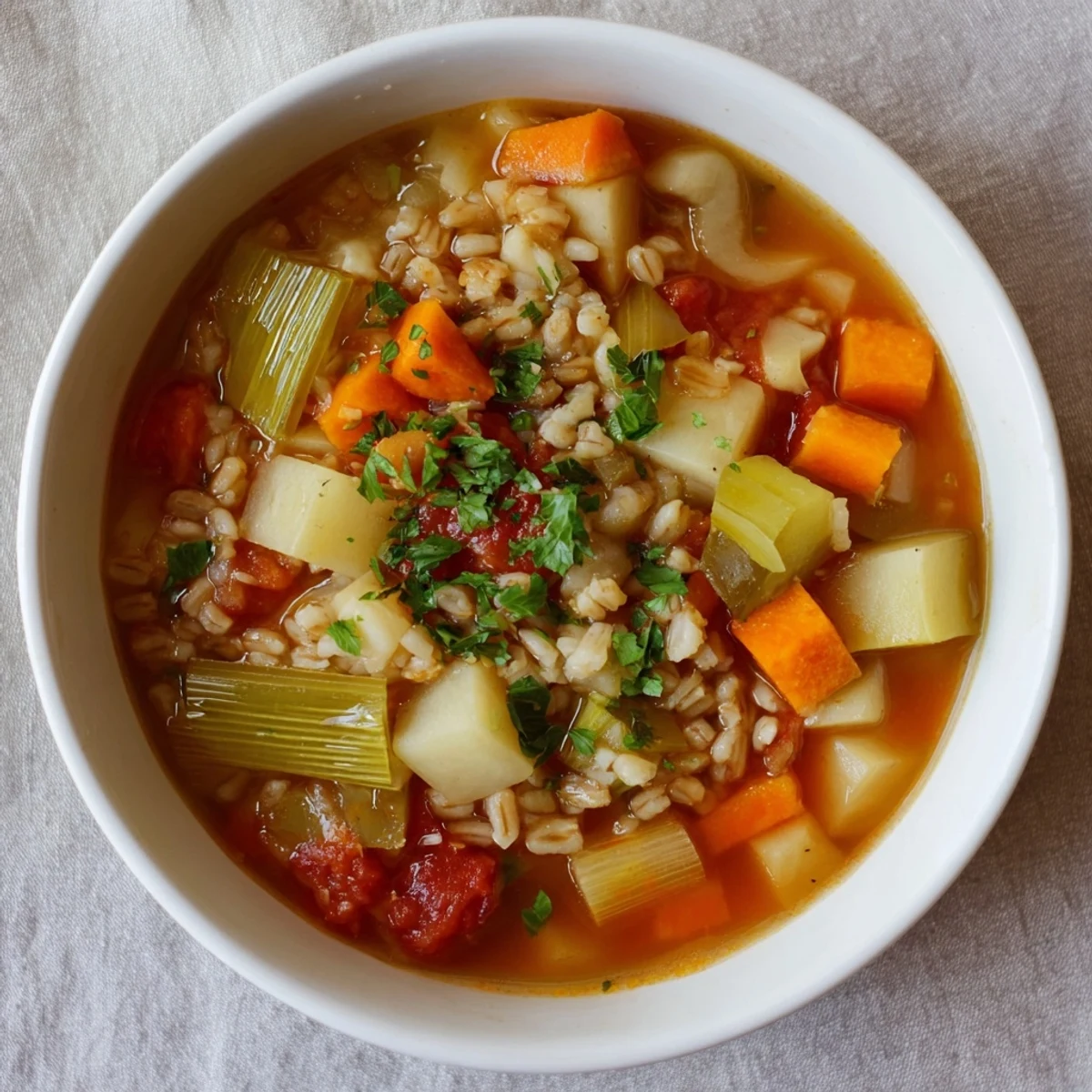
 This soup won't win awards or show up on anyone's feed, but it'll fill your kitchen with warmth and your bowl with something honest. That's enough.
Recipe Questions & Answers
- → What is the best way to prepare the barley?
-
Rinse the pearl barley thoroughly before adding it to the soup to remove excess starch. Cooking it with the vegetables and broth allows it to absorb flavors and become tender.
- → Can the root vegetables be substituted?
-
Yes, parsnips or rutabaga can be swapped for turnips or sweet potatoes to vary the flavor and texture while maintaining the hearty character.
- → How do the herbs enhance the dish?
-
Thyme and oregano introduce earthy and aromatic nuances that complement the sweetness of the vegetables and the nuttiness of the barley.
- → When should the peas be added?
-
Frozen green peas are stirred in during the last 8 to 10 minutes of simmering to retain their color and slight crispness without overcooking.
- → What serving suggestions work well with this dish?
-
This hearty soup pairs beautifully with rustic whole-grain bread and a crisp white wine, enhancing the overall comforting experience.