
 Save to Pinterest
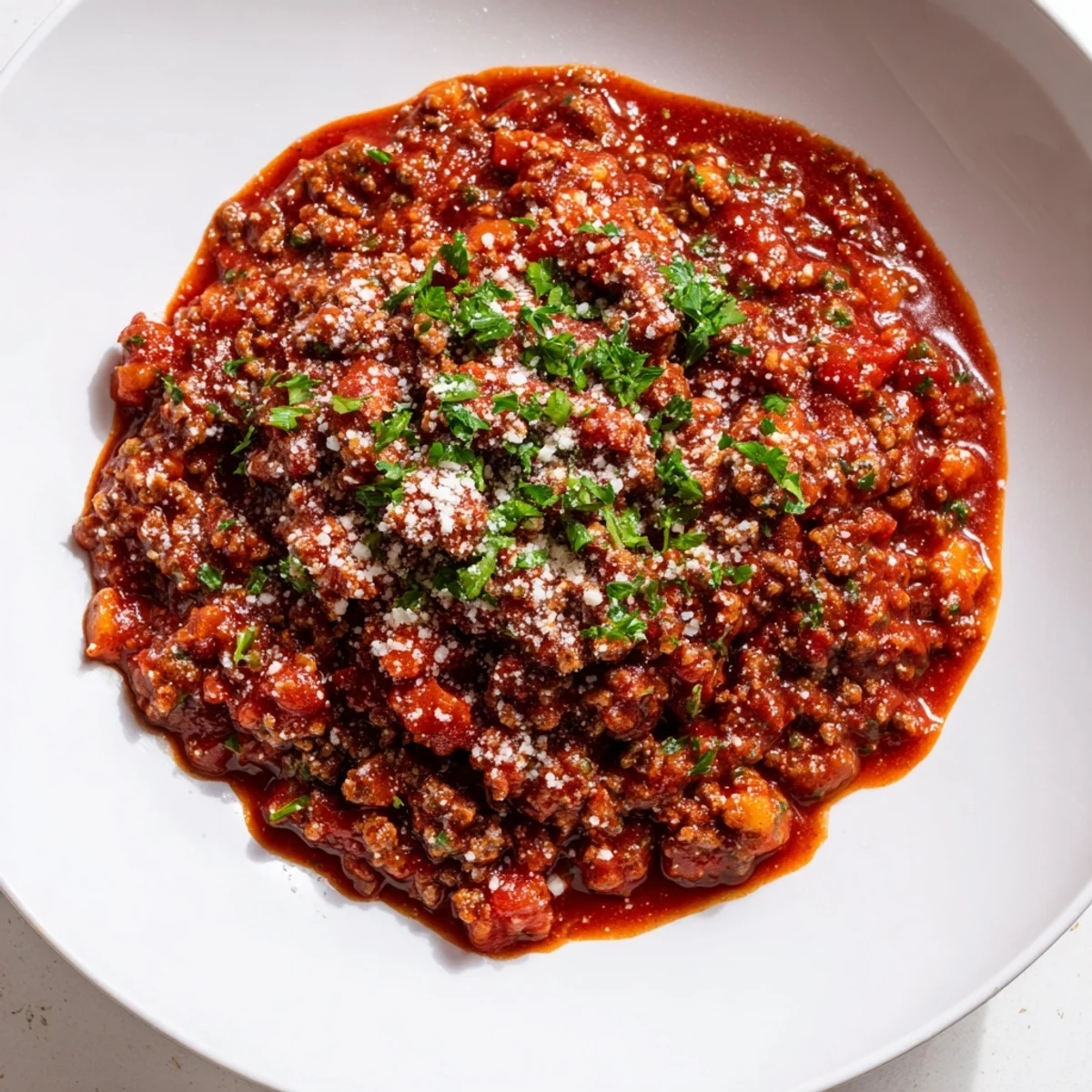
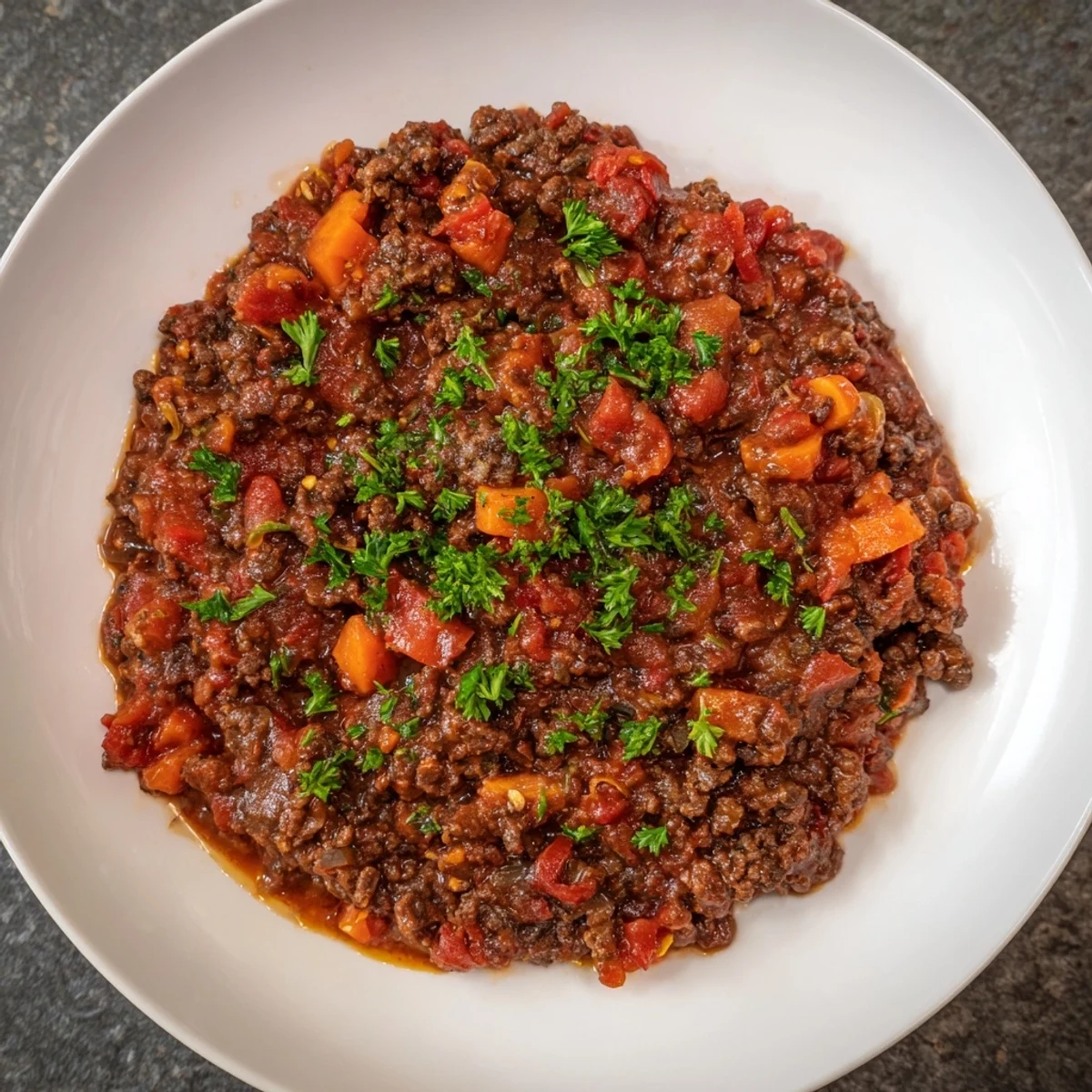
 This rich Italian meat sauce blends ground beef with sautéed onions, carrots, and celery, enhanced by garlic and aromatic herbs. Simmered slowly with crushed tomatoes, red wine, and tomato paste, it develops deep, savory flavors. Finished with a touch of milk for creaminess, the sauce pairs perfectly with a variety of pasta shapes. Garnish with fresh basil or parsley and grated Parmesan for an authentic touch. Ideal for a comforting main dish that fills the home with enticing aromas.
I still remember the first time I made beef bolognese from scratch in my tiny apartment kitchen. My Italian neighbor, Maria, had just moved in upstairs, and the aroma of her simmering sauce would drift down through the vents on Sunday afternoons. One day, she caught me in the hallway and insisted I learn to make it properly—not from a jar, but the way her nonna taught her. That afternoon, standing elbow-to-elbow in my modest kitchen, she guided me through each step, teaching me that patience and good ingredients were the real secrets. Now, whenever I make this sauce, I'm transported back to that moment, and somehow it always tastes like friendship.
I made this sauce for my book club one evening, and instead of discussing the assigned novel, we spent three hours talking about how the flavors had evolved as it simmered. Someone asked for the recipe before dessert was even served. That's when I knew this wasn't just a sauce—it was the kind of thing that brings people together.
Ingredients
- Ground beef (500 g, 80/20 blend): The ratio matters more than you'd think—the fat renders into the sauce and creates that silky mouthfeel that elevates everything. Don't use lean beef; it'll taste dry and one-dimensional.
- Onion (1 medium, finely chopped): This is your flavor foundation. Take time to chop it fine; it'll practically disappear into the sauce and become the backbone of sweetness and depth.
- Carrots (2, finely diced): They add natural sweetness that balances the acidity of tomatoes. The finer you dice them, the more they integrate into the sauce rather than remaining visible pieces.
- Celery (2 stalks, finely diced): Part of the holy trinity that Italian cooks have relied on for centuries. It adds an herbal, delicate complexity that you won't consciously taste but absolutely will miss if it's not there.
- Garlic (3 cloves, minced): Add it after the soffritto (onion, carrot, celery) has cooked, otherwise it'll burn and turn bitter. Timing is everything with garlic.
- Dry red wine (120 ml): Use something you'd actually drink—the sauce will taste as good as the wine you put in it. The wine reduces and becomes sweet and integrated, not boozy.
- Canned whole tomatoes (800 g, crushed by hand): Crush them yourself rather than buying crushed tomatoes; they taste fresher and you control the texture. Whole tomatoes also have better flavor than pre-crushed versions.
- Tomato paste (2 tbsp): This concentrates the tomato flavor dramatically. Cook it in the pot for a minute or two after adding it; this caramelizes it slightly and removes that raw, tinny taste.
- Whole milk (240 ml): This is the secret ingredient that separates a good bolognese from an authentic one. It mellows the acidity and creates incredible depth. Add it toward the end so it doesn't break or curdle.
- Olive oil (2 tbsp): Use a good quality oil for sautéing. Extra virgin is too delicate for high heat, so use a regular olive oil here.
- Dried oregano (1 tsp): Fresh would be lovely, but dried works beautifully in a long simmer. It softens and distributes evenly.
- Bay leaf (1): Don't skip this. It adds a subtle floral note that rounds out the earthiness. Always remember to fish it out before serving.
- Dried thyme (½ tsp): A quiet herb that adds complexity without announcing itself. It's particularly good with beef.
- Salt and black pepper: Taste as you go. The salt brings everything into focus; the pepper adds a gentle warmth.
- Fresh basil or parsley for garnish: Add this at the very end—fresh herbs wilt and lose their brightness if cooked into the sauce.
- Freshly grated Parmesan cheese: Grate it yourself; pre-grated has anti-caking agents that prevent it from melting smoothly over hot pasta.
Instructions
- Build your flavor base:
- Heat the olive oil in a large, heavy-bottomed pot over medium heat until it shimmers slightly. Add the chopped onion, carrots, and celery. You want to hear a gentle sizzle as they hit the oil. Stir occasionally and let them soften for 7 to 8 minutes—they should be fragrant and just beginning to turn golden at the edges. This is the soffritto, the holy foundation that Italian cooking is built on.
- Wake up the garlic:
- Once your vegetables are soft, stir in the minced garlic and cook for just 1 minute. You want to smell that pungent, fresh garlic aroma, but you're not cooking it into submission. If you leave it longer, it'll turn bitter and remind you why patience matters.
- Brown the beef:
- Add the ground beef to the pot and break it up with your wooden spoon as it cooks. This takes about 8 to 10 minutes. You're looking for the meat to lose its pink color and develop a light golden-brown crust in places. Don't rush this step—let the meat have time to brown, not just cook through. Browning develops flavor through the Maillard reaction, which is fancy kitchen speak for deliciousness.
- Deepen with tomato paste:
- Stir in the tomato paste and cook for 2 minutes, stirring constantly. The paste will darken slightly and smell almost caramel-like. This short cooking time is crucial—it removes the metallic edge and gives the paste a richer, more integrated flavor.
- Deglaze with wine:
- Pour in the red wine and use your wooden spoon to scrape up all those flavorful brown bits stuck to the bottom of the pot—that's liquid gold called fond. Let the wine simmer for about 4 minutes until it's mostly reduced and you can barely smell the alcohol anymore. The wine should have mellowed into something sweet and integrated.
- Marry the flavors:
- Add the crushed tomatoes, milk, oregano, bay leaf, thyme, salt, and pepper. Stir everything together until well combined. The milk will swirl into the red tomato sauce in beautiful clouds before it all comes together into a rich, deep orange-brown color.
- Let time do the work:
- Bring the sauce to a simmer, then reduce the heat to low. Partially cover the pot with a lid (leave it slightly ajar so steam can escape). Now comes the hardest part: waiting. Stir occasionally—every 15 minutes or so—and let it simmer gently for 1 and a half hours. The sauce will thicken, darken, and develop layers of flavor that quick cooking can never achieve. The longer you let it go, the better it becomes.
- Final touches:
- Fish out the bay leaf, then taste a spoon of the sauce. Does it need more salt? A crack more pepper? This is your moment to adjust. Remember that the pasta water will add a bit of saltiness when you toss everything together, so season thoughtfully.
- Serve with love:
- Cook your pasta according to package directions, reserving a cup of the starchy pasta water before draining. Toss the hot pasta with the bolognese sauce, adding splashes of pasta water if it seems too thick. The starchy water helps the sauce cling to every strand. Finish with fresh herbs and freshly grated Parmesan.
 Save to Pinterest
 I made this sauce for my mother the week after she'd had surgery. She was weak and tired of hospital food, and when she tasted it, tears came to her eyes. She said it tasted like home. That's when I understood that bolognese isn't just dinner—it's comfort in a bowl.
The Magic of the Soffritto
Before you can make bolognese, you need to understand the soffritto. It's the holy trinity of Italian cooking: onions, carrots, and celery, chopped fine and sautéed gently until they become one unified flavor base. The French call it mirepoix, but Italian nonnas have been doing this for generations. The vegetables should be so finely chopped that as they cook, they start to dissolve into the oil, creating a sweet, aromatic paste. This is where your sauce gets its foundation of flavor—it's the bed upon which everything else rests. Don't rush this step. Let the vegetables soften completely, and you'll taste the difference in every spoonful of the finished sauce.
Making It Your Own
While authentic bolognese is a beautiful, classical thing, this sauce is also forgiving and personal. I've made it with half ground pork and half ground beef when I wanted something richer. I've added a splash of balsamic vinegar when the tomatoes tasted too sharp. I've let it simmer for three hours on a Sunday when I had nowhere to be. Each variation teaches you something new about how flavors work together. The recipe is a guide, not a commandment. Cook it, taste it, adjust it, and make it yours.
Pasta Pairings and Serving Wisdom
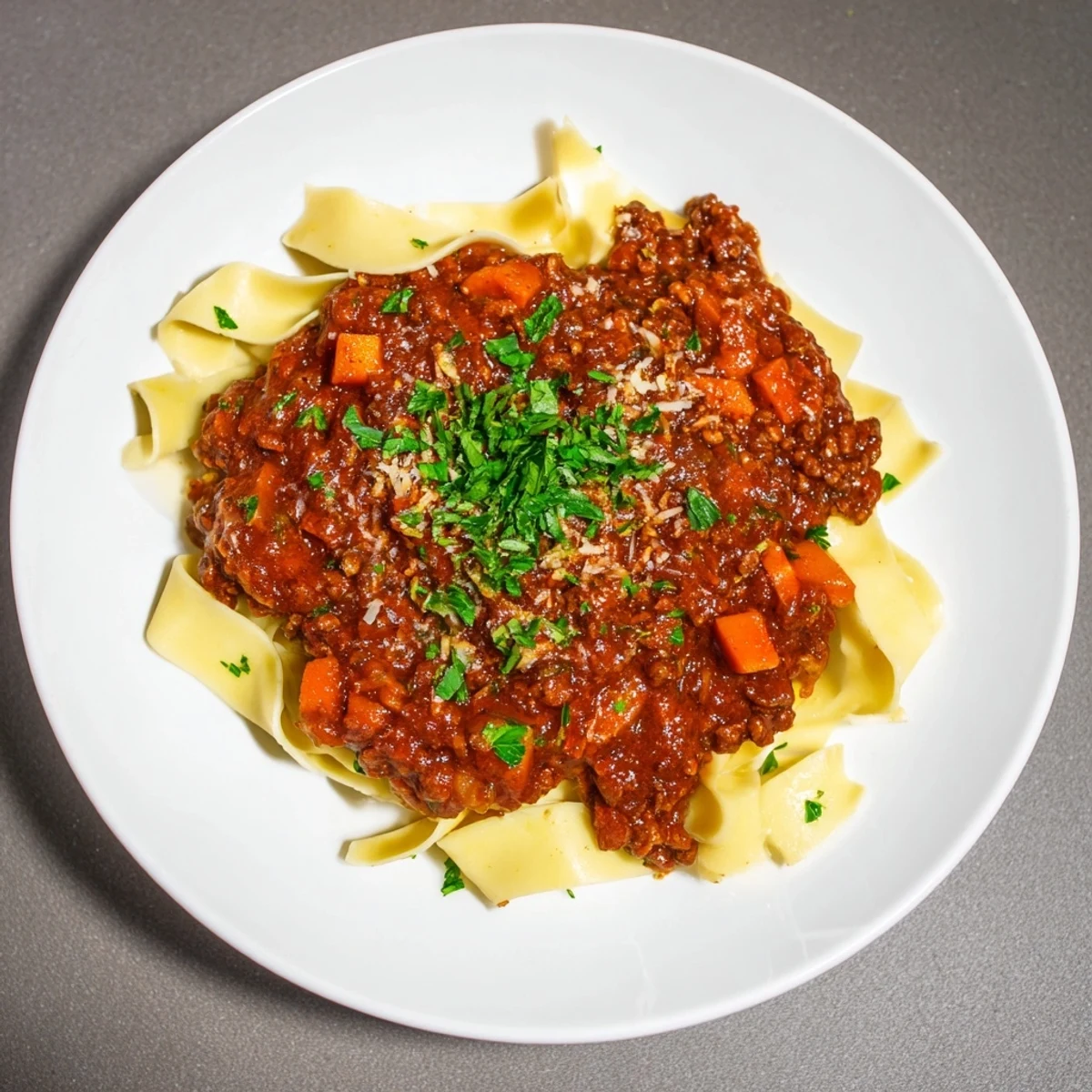
The shape of pasta matters more than people think. Wide, flat ribbons like tagliatelle or pappardelle are traditional because their surface area allows the sauce to cling beautifully. Short, tubular pasta like rigatoni also works wonderfully—the sauce nestles into the tubes. Avoid thin spaghetti, which can get lost under the weight of this hearty sauce. Always reserve a cup of the starchy pasta water before draining—a splash or two stirred into the finished dish helps the sauce coat every piece of pasta. The starch creates an emulsion that's absolutely essential.
- Freshly grated Parmesan, added at the table, makes all the difference—never skip this final touch
- A drizzle of good olive oil and some fresh basil right before serving adds brightness that cuts through the richness
- Make extra sauce if you can—it freezes beautifully for up to three months, and homemade bolognese in the freezer is like having edible gold on hand
 Save to Pinterest
 There's something profoundly grounding about standing at a stove, watching a sauce transform over time, filling your home with the smell of something being made with care. This bolognese is more than a recipe—it's an invitation to slow down and cook like someone who has time to let flavors develop.
Recipe Questions & Answers
- → What type of meat is best for this sauce?
-
Ground beef with an 80/20 lean-to-fat ratio ensures rich flavor and tender texture.
- → Can I use other meats in this sauce?
-
Yes, substituting half the beef with ground pork adds extra depth and richness.
- → How long should the sauce simmer for optimal flavor?
-
Simmer for at least 1.5 hours; longer cooking up to 3 hours deepens the flavors even more.
- → What pasta types pair well with this sauce?
-
Wide and textured pastas like tagliatelle, pappardelle, or rigatoni hold the sauce beautifully.
- → Can the sauce be frozen for later use?
-
Yes, this sauce freezes well and maintains quality for up to three months.
- → What herbs are used to season the sauce?
-
Dried oregano, bay leaf, and thyme create the aromatic foundation, complemented by fresh basil or parsley garnish.