
 Save to Pinterest
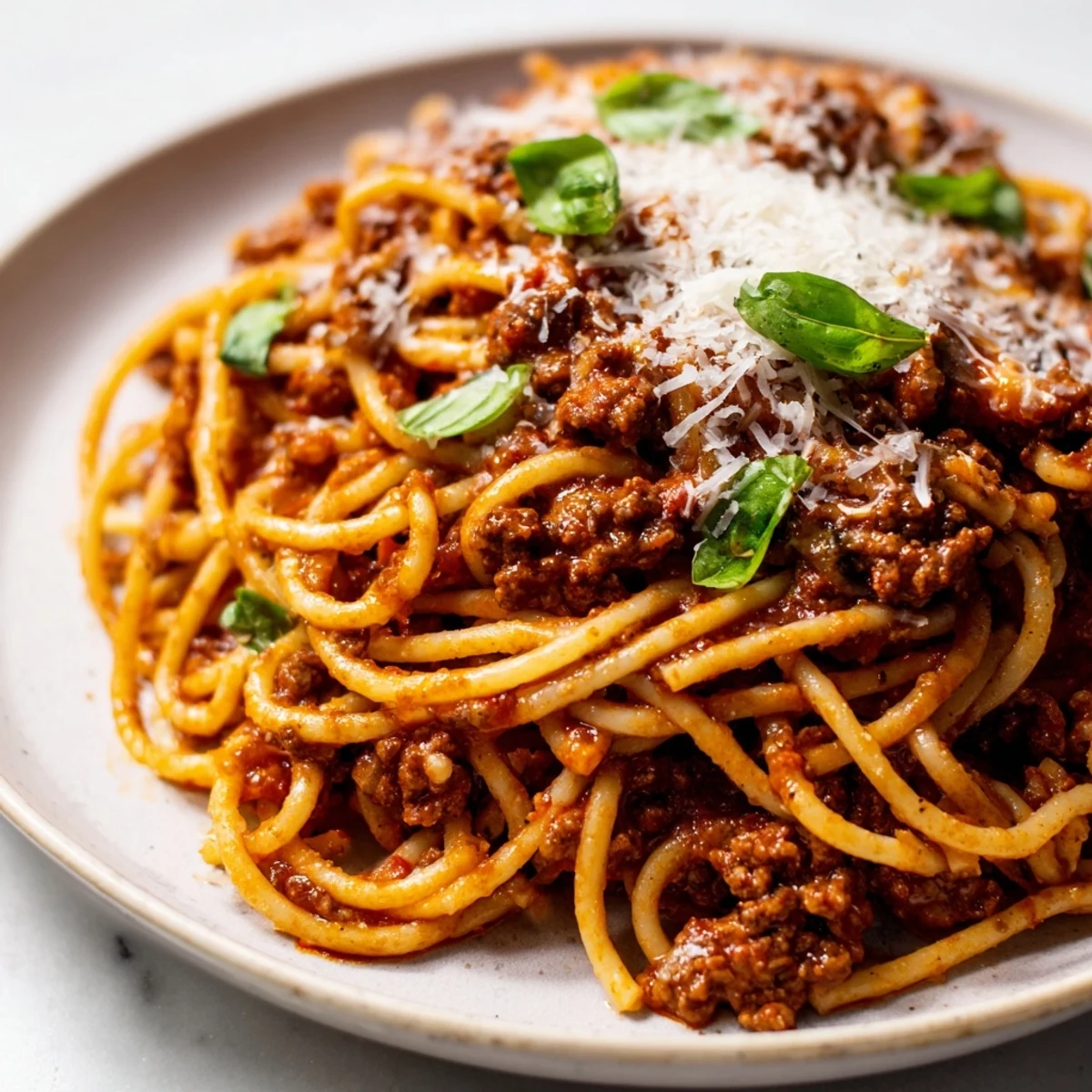
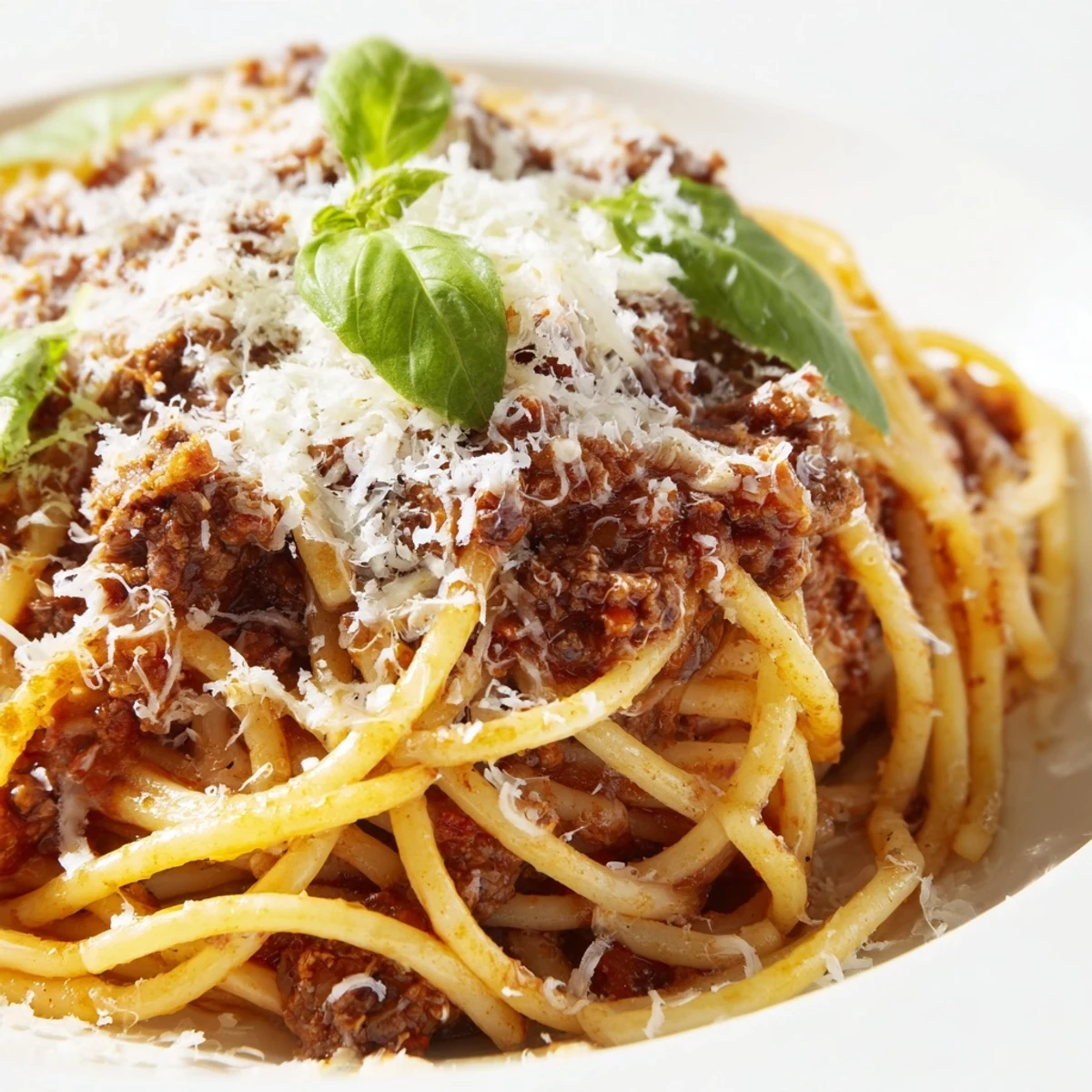
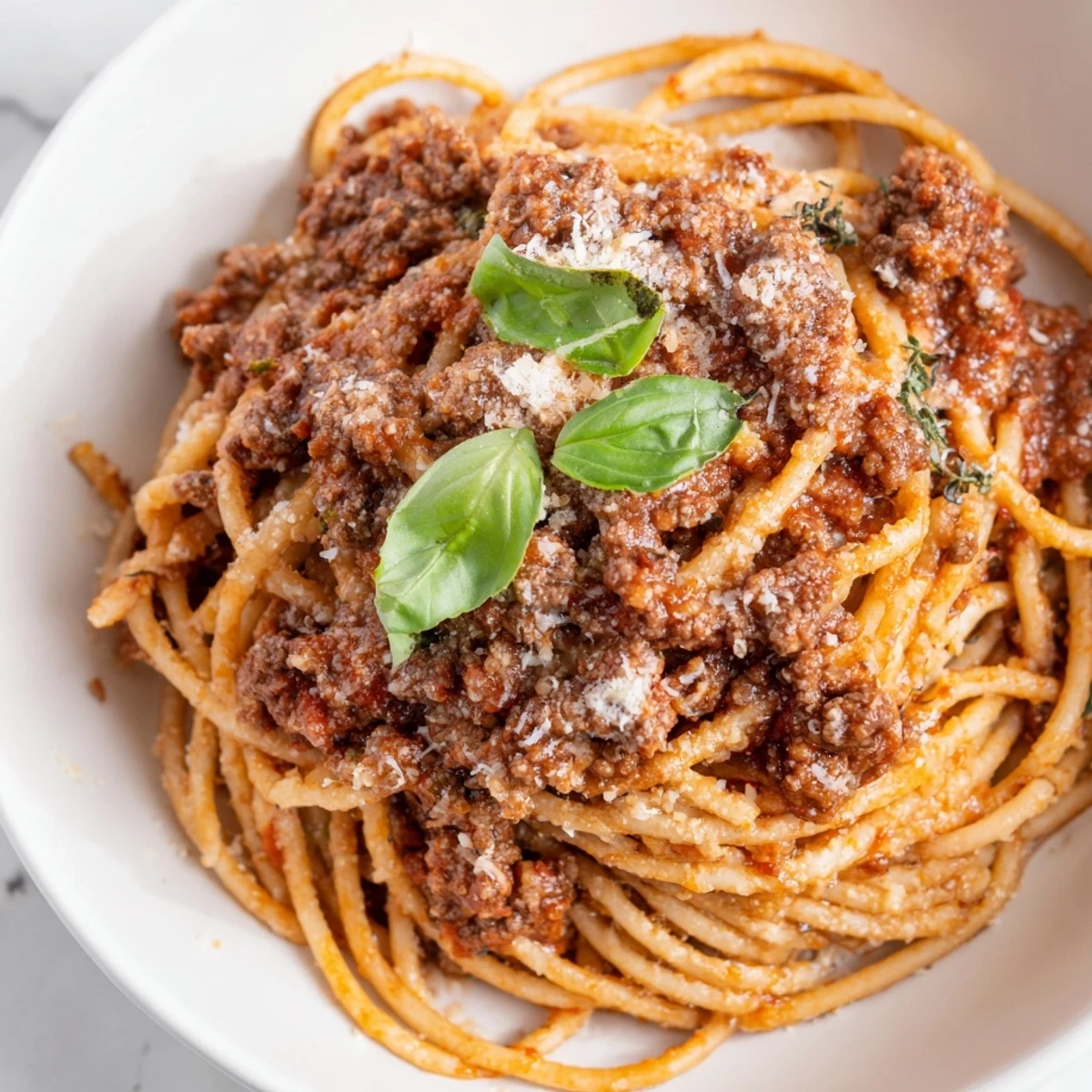
 This Italian-inspired dish combines tender ground beef slowly simmered with tomatoes, aromatic herbs, and a splash of red wine. The sauce is enriched with milk and gently cooked to develop deep flavors. Served over al dente spaghetti and garnished with freshly grated Parmesan and basil, it offers a satisfying and comforting experience perfect for family dinners or special occasions.
My first proper bolognese came together almost by accident on a Sunday afternoon when I had too much ground beef and not enough plans. The kitchen filled with the smell of caramelizing onions and garlic, and something about the slow simmer made me forget I'd meant to finish it quickly. That sauce taught me that good food isn't always about following rules—sometimes it's about giving yourself permission to let things take their time.
I made this for a friend who'd just moved into a tiny apartment with a half-sized stove, and we somehow turned cooking dinner into a three-hour conversation about everything that mattered. The sauce simmered quietly while we caught up, and by the time the pasta was done, the whole place smelled like home. That's when I realized bolognese isn't really a dish—it's an excuse to slow down.
Ingredients
- Ground beef (500 g, 80/20 blend): The fat ratio matters more than you'd think—it keeps the sauce silky instead of greasy, and the meat breaks down into something almost creamy as it simmers.
- Onion, carrot, and celery: This trio (called soffritto) is the backbone of real bolognese, and they soften into something you won't even notice you're eating—just pure flavor.
- Garlic (3 cloves): Mince it small so it disappears into the sauce and seasons everything from the inside out.
- Tomato paste and crushed tomatoes: The paste concentrates the flavor before you add the tomatoes, which is the small move that makes everything taste deeper and more intentional.
- Dry red wine (125 ml): The alcohol cooks off, but the acidity and body stay behind, making the sauce taste less one-note and more alive.
- Whole milk (125 ml): This is the secret that separates a good bolognese from a flat one—it mellows the tomato and adds a subtle sweetness that feels almost luxurious.
- Dried oregano and basil: Use dried here, not fresh—fresh herbs lose their punch in a long simmer, but dried ones actually intensify.
- Spaghetti (400 g): Cook it to actual al dente, not soft—it needs enough structure to hold the sauce without turning mushy.
- Parmesan (30 g, freshly grated): A shower of good Parmesan at the end does more than you'd expect for something so simple.
Instructions
- Build Your base:
- Heat olive oil over medium heat and cook the onion, carrot, and celery together for 7–8 minutes—you're looking for soft and translucent, not browned. This foundation is what carries everything else.
- Wake up the garlic:
- Add minced garlic and stir for just one minute so it doesn't burn, which would make everything taste bitter and regrettable.
- Brown the meat:
- Crank the heat to medium-high, add the ground beef, and break it up with a spoon as it cooks for about 6–8 minutes—you want it scattered and browned, not clumped into meatballs. This takes patience but makes a real difference in texture.
- Deepen the flavor:
- Stir in tomato paste and let it cook for 2 minutes, which transforms it from raw and sharp to rich and concentrated.
- Add the wine:
- Pour in red wine and scrape up all the browned bits stuck to the pan—that's flavor, not mess. Let it simmer for 2–3 minutes so the alcohol cooks off.
- Bring in the tomatoes:
- Add crushed tomatoes, oregano, basil, bay leaf, salt, and pepper, then bring everything to a gentle simmer—avoid a rolling boil, which makes the sauce taste thin and tired.
- The long simmer:
- Reduce heat to low, cover partially, and let it bubble quietly for 50–60 minutes, stirring occasionally so nothing sticks to the bottom. This is where the magic happens.
- Finish with milk:
- Stir in milk and simmer for another 10 minutes—it sounds strange, but it mellows the acidity and rounds everything out into something you'll want to keep tasting. Adjust salt and pepper if needed.
- Cook the pasta:
- While the sauce finishes, boil spaghetti in salted water according to package directions and drain it when it still has a little resistance to your bite.
- Bring it together:
- Remove the bay leaf, toss pasta with sauce or ladle sauce generously over individual bowls, then top with fresh Parmesan and basil if you have it.
 Save to Pinterest
 There's a moment near the end of the simmer when you take the lid off and the whole sauce looks different—darker, thicker, more intentional. That's when you know you've gotten it right. It's not fancy or complicated, just honest cooking that makes people want more.
Why This Sauce Tastes Like Something Special
The secret isn't a secret at all—it's time and intention. Each ingredient does something specific: the soffritto builds sweetness, the meat adds body, the tomato paste concentrates umami, the wine adds complexity, and the milk softens everything into something that doesn't taste like any single ingredient but like something whole. This is what happens when you don't rush.
How to Know When It's Ready
The sauce should look thick enough that a spoon dragged through it leaves a trail that doesn't immediately fill back in. It should smell deep and developed, not sharp or acidic. Taste it before you finish—if it tastes thin or flat, let it simmer a few minutes longer and taste again. There's no timer for this, just your instinct and your mouth.
What Happens Next
This sauce is more forgiving than most dishes because it actually improves with time. Make it a day or two ahead, store it in the fridge, and everything melds into something even better. It also freezes beautifully for up to two months, so you can have a head start on dinner without any of the actual effort.
- Reheat gently on the stove instead of blasting it in the microwave, which can scorch it and separate the milk.
- Serve with crusty bread to soak up every drop, because that's the whole point of bolognese.
- Don't be shy with the Parmesan—it's not a garnish, it's part of the dish.
 Save to Pinterest
 Bolognese is one of those dishes that teaches you cooking isn't about perfection—it's about building layers of flavor and having the patience to let them develop. Once you've made it once, you'll make it again and again.
Recipe Questions & Answers
- → What is the best meat for this dish?
-
Ground beef with an 80/20 lean-to-fat ratio works best, providing both flavor and richness for the sauce.
- → Can I substitute the milk in the sauce?
-
Yes, whole milk adds creaminess, but you can use alternatives like cream or lactose-free milk depending on dietary needs.
- → How long should the sauce simmer?
-
Simmer the sauce gently for 50–60 minutes to develop a rich, balanced flavor and tender texture.
- → What type of pasta pairs well with the sauce?
-
Traditional dried spaghetti cooked al dente is ideal, as it holds the hearty sauce perfectly.
- → Are there any suggested garnishes?
-
Freshly grated Parmesan cheese and fresh basil leaves add brightness and depth to the finished dish.
- → Can the sauce be prepared in advance?
-
Yes, it can be refrigerated up to 3 days or frozen for up to 2 months without losing flavor.