
 Save to Pinterest
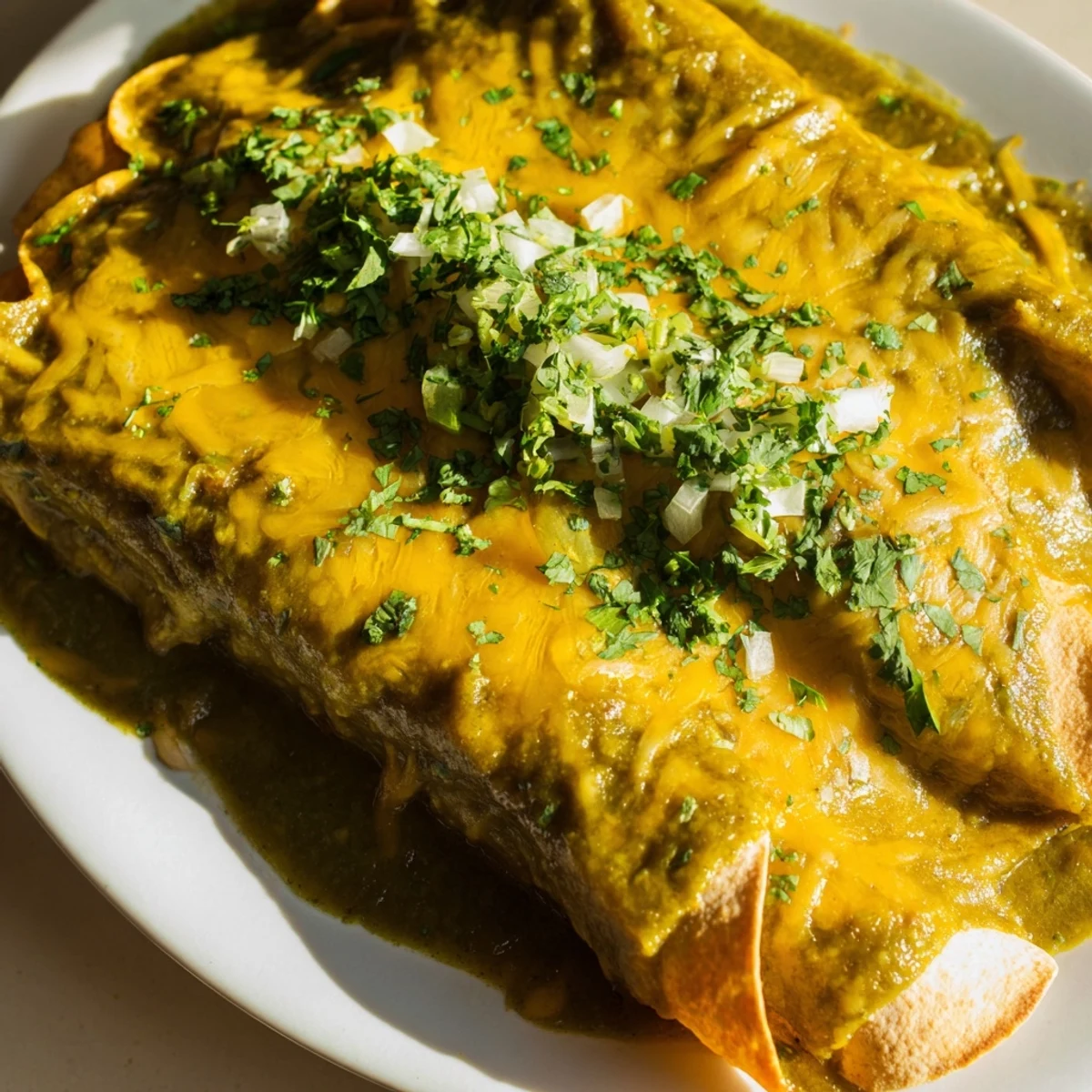
 This dish features tender shredded beef cooked with cumin, chili powder, and smoked paprika, simmered until juicy and flavorful. Wrapped in warm tortillas and layered with a vibrant green sauce, the enchiladas are topped with melted Monterey Jack cheese for a creamy finish. Garnished with fresh cilantro and optional jalapeño slices, the meal offers a satisfying blend of spicy, tangy, and savory notes, ideal for a comforting main course.
My neighbor Maria taught me to make enchiladas verde on a humid Saturday afternoon when she noticed I kept ordering takeout. She pulled out a worn notebook filled with her grandmother's notes and said, matter-of-factly, that real enchiladas were easier than I thought—just good beef, good sauce, and patience. Watching her work, I realized it wasn't about following rules; it was about understanding how flavors build and meld under heat. Now whenever I make them, I think of her kitchen and how she made cooking feel like a conversation.
I made these for a dinner party last year when a friend mentioned she'd never had homemade enchiladas, only the frozen kind from the grocery store. When that bubbling dish came out of the oven and she took her first bite, her whole face changed—it was like watching someone realize they'd been missing something essential. That moment reminded me why I love cooking for people; it's not about impressing anyone, it's about offering them a taste of something made with actual thought.
Ingredients
- Beef chuck or flank steak (1 lb): This cut breaks down beautifully when braised, becoming shred-able without falling apart entirely.
- Olive oil (1 tbsp): Just enough to build flavor without overwhelming the meat.
- Onion and garlic: These form the flavor base—don't skip the mincing step, as it helps them distribute evenly through the beef.
- Ground cumin, chili powder, smoked paprika (1 tsp each, plus 1/2 tsp paprika): Each spice does a different job; together they create depth rather than heat.
- Beef broth (1/2 cup): This keeps the beef moist during the long simmer and becomes part of the filling's sauce.
- Flour or corn tortillas (8 medium): Corn tortillas have more flavor, but flour ones are easier to work with if you're new to rolling.
- Green enchilada sauce (2 cups): This is your backbone; homemade is better if you have time, but a good jarred sauce works fine.
- Monterey Jack or mozzarella cheese (1 1/2 cups): Monterey Jack has more character, but mozzarella melts more evenly.
- Fresh cilantro, jalapeño, sour cream (optional garnish): These brighten everything at the end, adding freshness to what could otherwise feel heavy.
Instructions
- Heat your pan and soften the aromatics:
- Get the oil shimmering over medium heat, then add your onion and let it go translucent—this takes about three minutes and fills your kitchen with the smell of something good happening. Once it softens, drop in the garlic and stir until it becomes fragrant, just a minute more so it doesn't burn.
- Sear the beef until it browns:
- Push the onion to the side and lay the beef in there, letting it sit without moving for a minute so it gets a crust. Break it up as it cooks, and add your cumin, chili powder, paprika, salt, and pepper—about five minutes total until everything looks browned and smells incredibly savory.
- Braise the beef low and slow:
- Pour in the beef broth, cover the skillet, and turn the heat down low—you want a gentle simmer, not a rolling boil. Let it go for about twenty-five minutes, stirring occasionally, until the beef falls apart when you poke it with a fork.
- Shred and finish the filling:
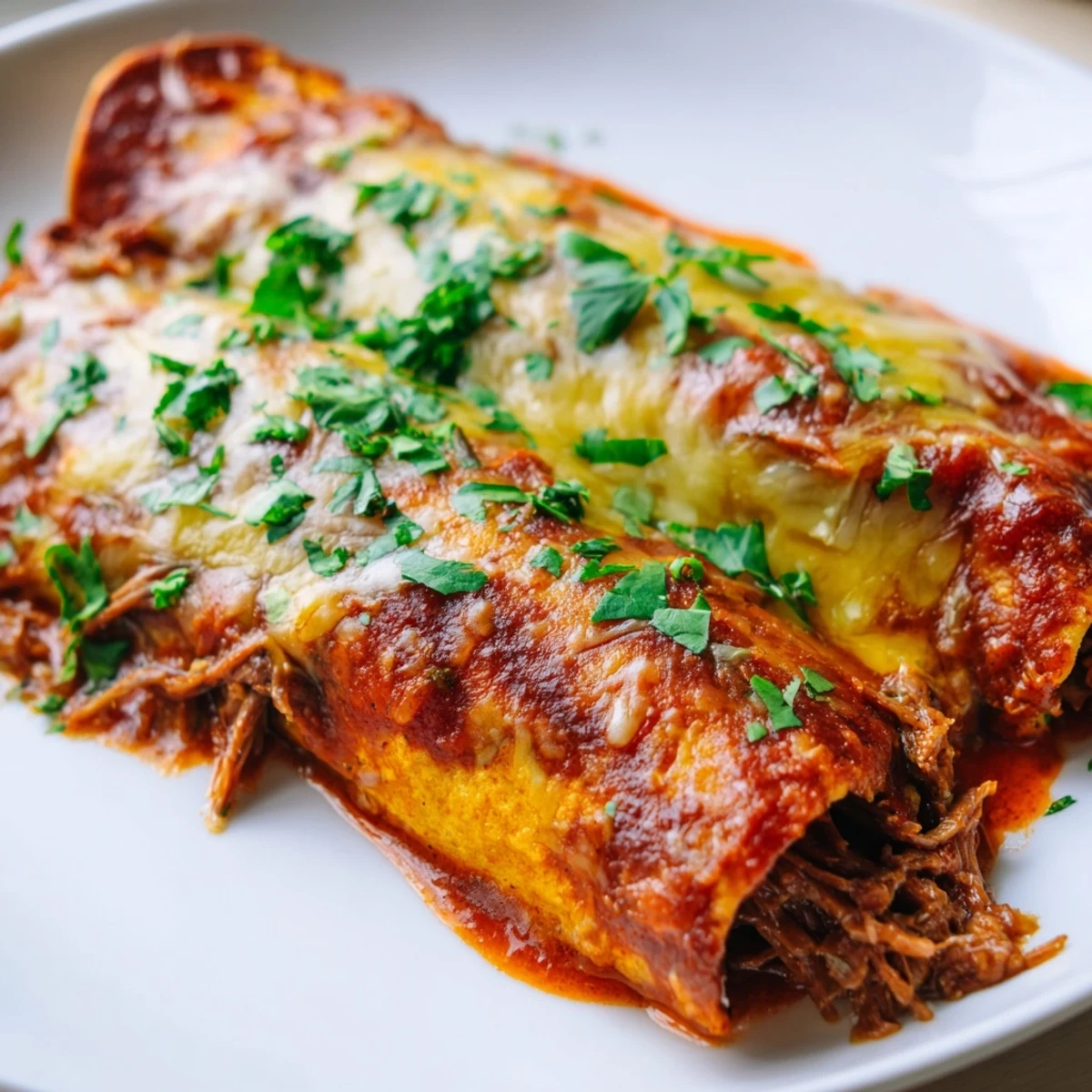
- Remove the meat to a cutting board and use two forks to pull it into tender shreds, then return it to the pan and stir it back into the onions and spices so everything mingles together.
- Warm your tortillas:
- A quick warm-up in a dry skillet or over a gas flame makes them pliable and forgiving to work with, less likely to crack or tear.
- Build the base of your dish:
- Spread about half a cup of green sauce on the bottom of your baking dish—this prevents sticking and ensures every enchilada gets sauce underneath. It's a small step that matters more than it sounds.
- Roll and arrange the enchiladas:
- Put a generous spoonful of beef down the center of each tortilla, roll it up snugly, and lay it seam-side down in the dish so it stays sealed. If you're nervous, you can hold it for a second before setting it down to make sure it's tight.
- Cover with sauce and cheese:
- Pour the remaining green sauce over the top, getting into the crevices, then sprinkle cheese evenly so every bite has some melted on top.
- Bake until bubbly:
- Twenty minutes at 375°F is usually right; you'll know it's done when the cheese is brown in spots and the sauce bubbles slightly at the edges.
- Garnish and serve:
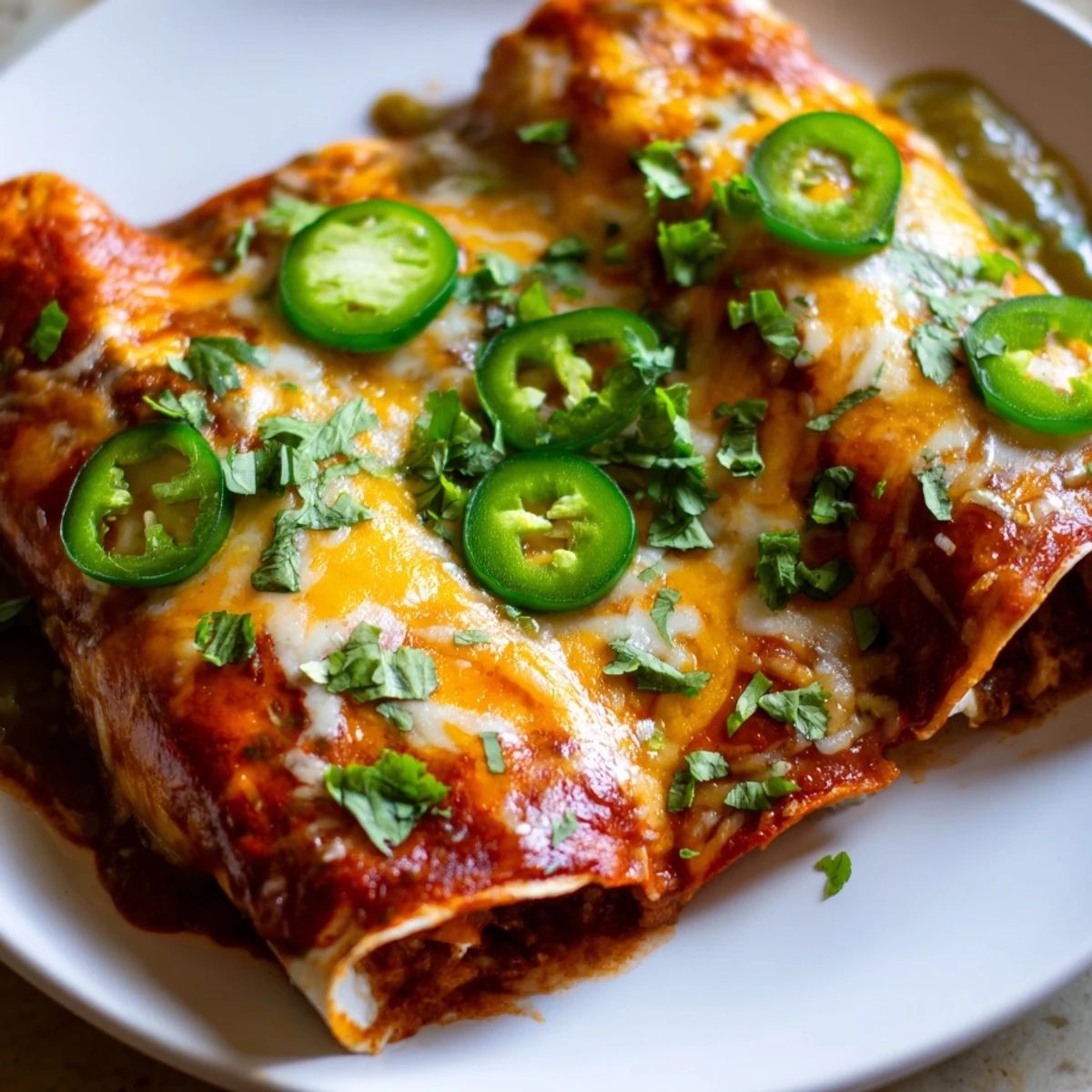
- Scatter cilantro and jalapeño across the top, add a dollop of sour cream if you like, and let people see what they're about to eat before you plate it.
 Save to Pinterest
 My best kitchen failure with these was the time I tried to rush the beef and turned up the heat, thinking I could finish faster. The meat ended up tough and stringy no matter how long I simmered it, and I had to pivot to shredding it finer and mixing it with extra broth to salvage the dish. It taught me that some things refuse to be hurried, and that's actually a gift—it gives you permission to slow down.
The Green Sauce Question
Early on, I thought homemade green sauce was mandatory, something that separated real cooking from shortcuts. Then I tasted a batch made with good jarred sauce and realized the real skill wasn't in making the sauce from scratch—it was in knowing how to layer flavors and treat each component with respect. If you're making these on a weeknight, a quality jarred sauce is absolutely your friend, and there's no shame in that choice.
Cheese and Heat: The Final Layer
The cheese isn't just a topping; it's a temperature regulator and a flavor bridge. Monterey Jack has more personality than mozzarella, but mozzarella melts more evenly and browns more predictably if you're still building confidence. Some people mix both, and that's honestly brilliant—you get the stability of mozzarella with the character of Jack.
Variations Worth Trying
Once you understand this recipe's structure, you can play with it gently. Swap the beef for shredded chicken if you want something lighter, or use black beans and cheese for a vegetarian version that's just as satisfying. The framework stays the same, but the personality changes, which is the whole point of cooking—adapting what you've learned to what you actually want to eat.
- Pepper Jack cheese adds genuine heat without being obnoxious about it.
- A handful of roasted green chiles stirred into the beef filling makes everything taste like you spent all day on this.
- Serve with Mexican rice or a simple salad dressed with lime vinaigrette to balance the richness.
 Save to Pinterest
 These enchiladas are the kind of dish that rewards you for showing up and paying attention, without ever making you feel like cooking is a burden. Make them once, and they'll become something you return to—not because they're complicated or impressive, but because they just taste like care.
Recipe Questions & Answers
- → What type of beef works best for this dish?
-
Chuck or flank steak are ideal because they become tender and shred easily after simmering.
- → Can I use corn tortillas instead of flour?
-
Yes, corn tortillas work well and can be used gluten-free; just warm them gently to soften.
- → How is the green sauce prepared for these enchiladas?
-
The sauce typically includes tomatillos, green chilies, cilantro, and spices for a zesty flavor.
- → What cheese varieties are recommended?
-
Monterey Jack or mozzarella cheese melt well and complement the tangy sauce perfectly.
- → How can I add more heat to the dish?
-
Incorporate jalapeño slices, pepper jack cheese, or chopped green chilies into the filling or as garnish.