
 Save to Pinterest
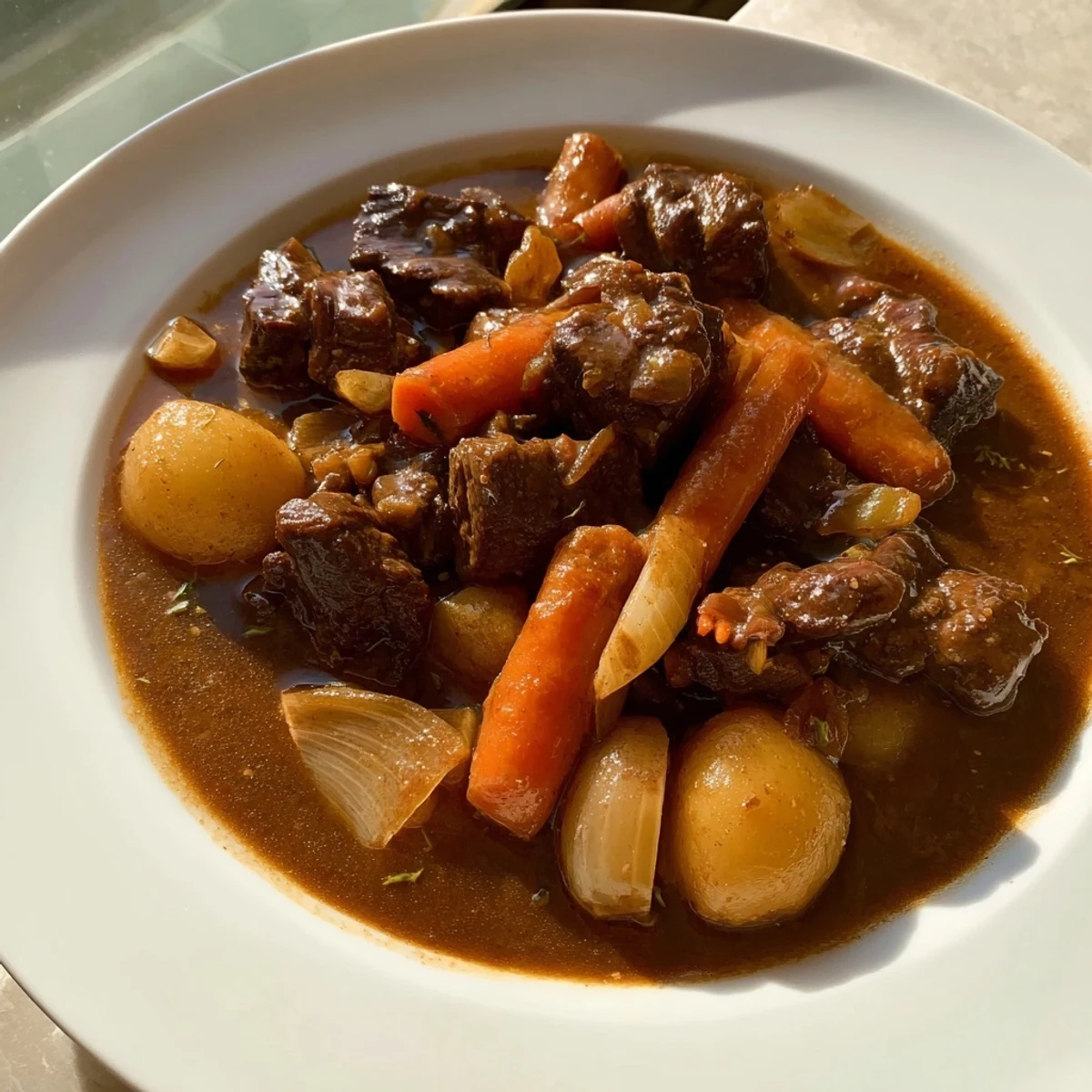
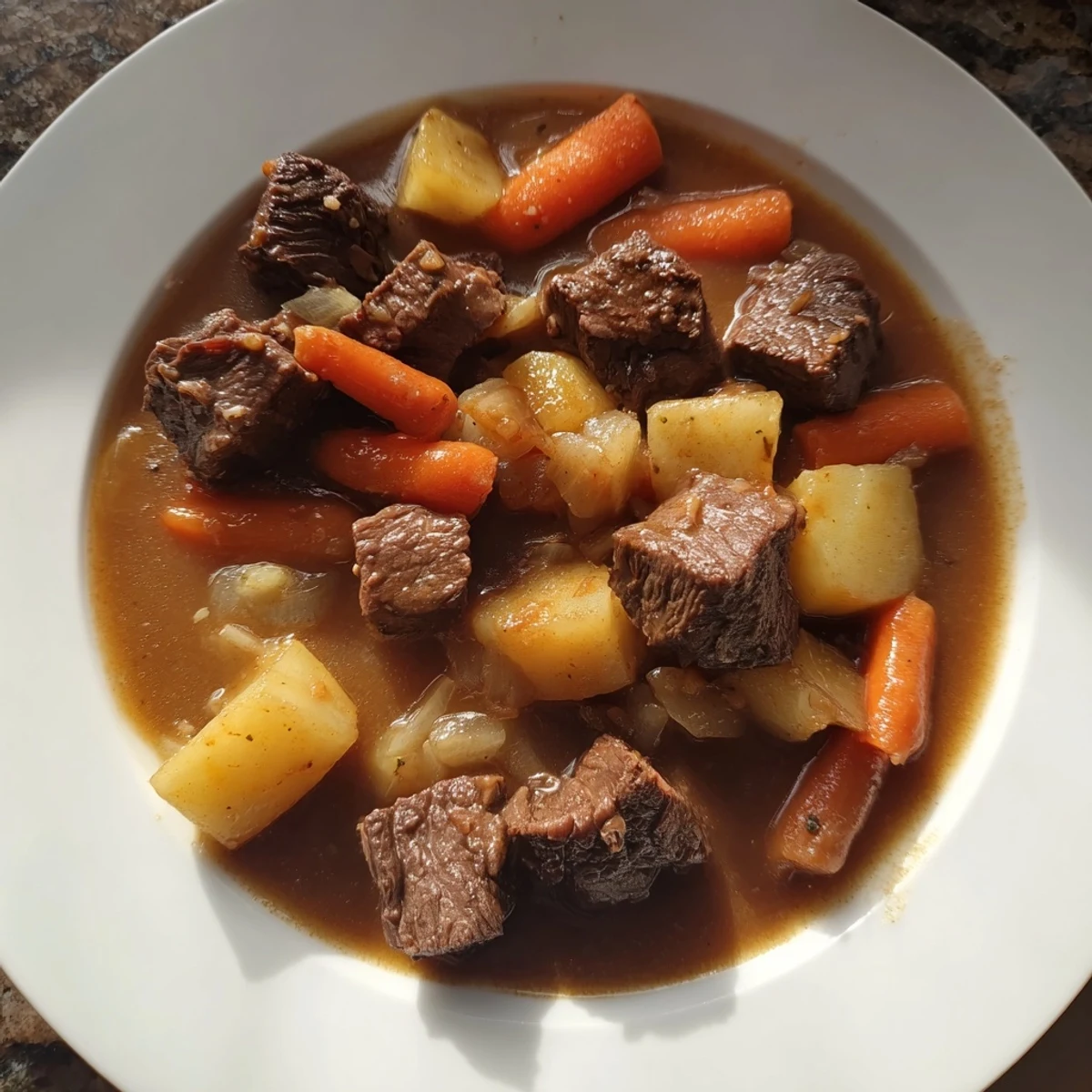
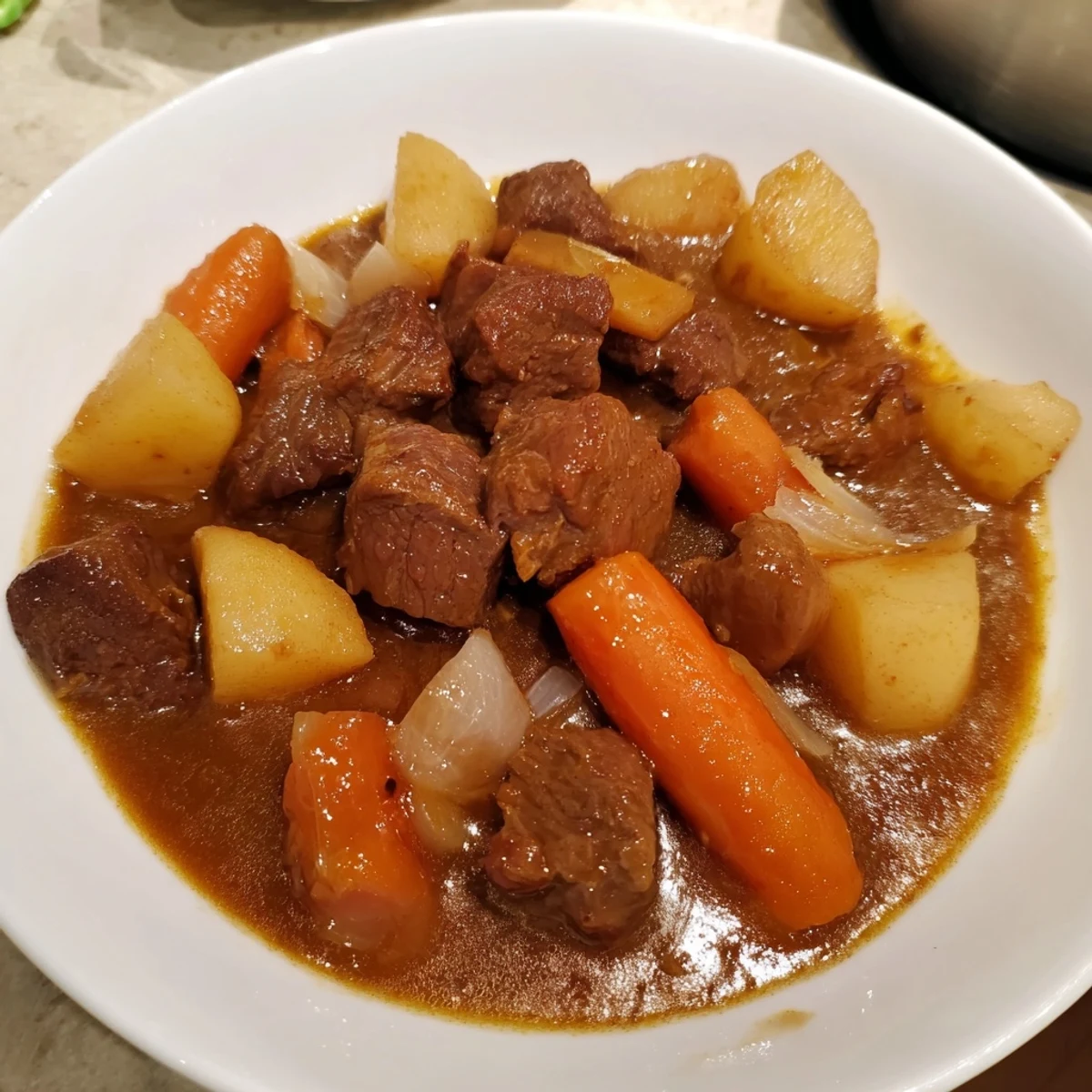
 This dish features succulent beef chuck cubes slowly simmered with a medley of root vegetables including carrots, parsnips, and potatoes. Aromatic herbs like thyme and bay leaves infuse the broth with warmth, while garlic, onion, and tomato paste add layers of flavor. Cooking low and slow ensures melt-in-the-mouth tenderness, making it an ideal warming meal for cooler evenings. Optional wine and thickening agents enhance richness and texture, delivering a satisfying and wholesome experience.
There's something about beef stew that takes me back to my grandmother's kitchen on cold winter afternoons. I remember watching her tend to a massive pot on the stove, the aroma of beef and root vegetables filling every corner of the house. That golden broth, those impossibly tender beef chunks—it became the dish I'd turn to whenever I needed comfort, whenever I wanted to recreate that feeling of being cared for through food.
I'll never forget the first time I made this successfully. I'd rushed through the browning step before, thinking it didn't matter. But that day, I took my time, let the beef develop that dark crust, and it changed everything. One taste and I understood why my grandmother never hurried this part—those browned bits held flavor gold.
Ingredients
- Beef chuck (2 lbs, cut into 1.5-inch cubes): This is the cut that understands long, slow cooking. The marbling and connective tissue transform into gelatin, which is what gives you that silky, luxurious broth. Don't skimp on quality here—you're building the foundation
- Carrots (2 large, peeled and sliced): I reach for carrots because they bring sweetness that balances the savory depth. Slice them chunky enough to hold their shape through the long cooking
- Parsnips (2, peeled and sliced): These are my secret weapon. They add an earthy sweetness that most people can't quite identify but always love. If you can't find them, turnips work, but parsnips are worth seeking out
- Potatoes (2 medium, peeled and cubed): Waxy potatoes hold their shape better than floury ones. I cube them generously so they're substantial in the bowl
- Onion (1 large, diced): The aromatics matter here. Take time to dice it fine so it almost disappears into the broth, becoming part of the base flavor
- Celery (2 stalks, sliced): Along with the onion, this creates that savory foundation. It's not about celery flavor—it's about building depth
- Garlic (3 cloves, minced): Fresh, good garlic makes a difference. Minced fine so it distributes throughout
- Beef stock (4 cups): Use the best stock you can find or make. This is the liquid that becomes your sauce, so its quality matters tremendously
- Dry red wine (1 cup, optional): I use it when I have it. The wine adds complexity that you can't quite put your finger on—it just makes everything taste more itself
- Tomato paste (2 tbsp): Just enough to add body and slight sweetness. Too much will overpower
- Salt (2 tsp, or to taste): Season as you go, not all at the end
- Black pepper (1 tsp, freshly ground): Always fresh. Pre-ground loses its bite
- Bay leaves (2): Classic aromatics that you must remember to fish out before serving
- Fresh thyme (3 sprigs, or 1 tsp dried): Fresh is noticeably better here, but dried works in a pinch
- Vegetable oil (2 tbsp): Just enough for browning without the beef steaming
- Cornstarch or arrowroot powder (2 tbsp, mixed with 2 tbsp cold water, optional): Only if you prefer a thicker stew—I usually skip this and let the long cooking naturally reduce and thicken the broth
Instructions
- Get Everything Prepped and Ready:
- Pat your beef cubes completely dry with paper towels—this is crucial. Wet beef won't brown, it'll steam. Season generously with salt and pepper. Meanwhile, prep your vegetables but don't cut them too far ahead or they'll oxidize and lose flavor. Have everything within arm's reach because once you start, you want to keep momentum
- Build That Golden Crust:
- Heat your oil in the Dutch oven until it shimmers and smells hot. Working in batches, brown the beef on all sides. Don't crowd the pan—give each piece room to develop that dark, caramelized exterior. This isn't rushing; it's about creating flavor. Listen for that satisfying sizzle. Transfer each batch to a plate as it finishes. The whole kitchen should smell incredible right now
- Create Your Aromatic Base:
- In the same pot (don't wash it—those browned bits are liquid gold), add your diced onion and sliced celery. Let them soften for a few minutes, stirring occasionally. You'll notice the bottom of the pot has all those caramelized beef bits stuck to it. When you add the garlic and tomato paste, stir everything together and let it cook for just a minute. The smell shifts—it becomes richer, deeper
- The Part Where Magic Starts Happening:
- Return all your beef to the pot. If you're using red wine, pour it in now and use a wooden spoon to scrape up every last bit of flavor from the bottom. Let it simmer for a couple of minutes—you'll see the wine reduce slightly and smell the alcohol cooking off. This step transforms everything
- Build Your Stew:
- Pour in the beef stock. Add your carrots, parsnips, and potatoes. Toss in the bay leaves and thyme. Give everything a good stir so the vegetables are nestled in with the beef. Bring it to a gentle simmer. You want bubbles breaking the surface quietly, not a rolling boil. Cover it and adjust your heat to low
- The Waiting Game (Where Patience Becomes Flavor):
- Let this cook for about 2 hours, stirring occasionally. The beef will gradually transform from firm to incredibly tender. Around the 1.5-hour mark, peek in and taste a piece of beef. You're looking for that moment when it falls apart if you press it. The vegetables should be soft but not mushy. The broth should smell like pure comfort
- Finish and Taste:
- If you want a thicker stew, mix your cornstarch with cold water until it's smooth, then stir it in. Let it simmer uncovered for another 5–10 minutes. But honestly, I often skip this step and let the slow cooking do the work. Fish out the bay leaves and thyme sprigs. Taste it. Season with more salt and pepper if needed. Serve it hot, and watch people close their eyes when they take that first spoonful
 Save to Pinterest
 This is the dish I make when someone I love is having a hard time. There's something about serving a bowl of this stew that says I was thinking of you, that I spent time on you. It's become my love language, really.
Keeping It Fresh
This stew actually gets better the next day once the flavors have settled and deepened. Store it in an airtight container in the fridge for up to four days. When you reheat it, do so gently on the stove over medium heat, stirring occasionally and adding a splash of stock or water if the broth has thickened too much. It freezes beautifully too—freeze it in portions for up to three months. Thaw overnight in the fridge before reheating.
When You're Missing Something
No parsnips? Turnips work wonderfully, or try rutabaga for an earthier note. Missing fresh thyme? Dried will do, but use just a teaspoon instead of three sprigs. If you don't have red wine, substitute more beef stock—you lose a bit of complexity but gain nothing in inconvenience. Some nights I add a splash of Worcestershire sauce or a teaspoon of smoked paprika when I want to deepen the flavors even more. These aren't shortcuts—they're variations I've discovered over many kitchen sessions.
Serving Ideas That Clicked
Crusty bread is the obvious choice—something you can use to soak up every last drop of broth. Over buttered egg noodles transforms it into something almost decadent. I've also served it over creamy mashed potatoes, and that combination of tender beef, silky vegetables, and rich broth pooling into the potatoes is genuinely transcendent. A robust red wine like Cabernet Sauvignon pairs perfectly, not just as a cooking ingredient but as something to sip alongside. The wine and stew echo each other's depth and warmth.
- Always serve in warmed bowls—it keeps the stew hot longer and feels more intentional
- Fresh cracked pepper on top at the end adds a final brightness
- If you have fresh parsley, a small handful of chopped parsley stirred in just before serving adds a subtle freshness that balances the richness
 Save to Pinterest
 This stew is proof that the best meals aren't complicated—they're just made with care and time. When you nail it, you're not just making dinner, you're creating a memory.