
 Save to Pinterest
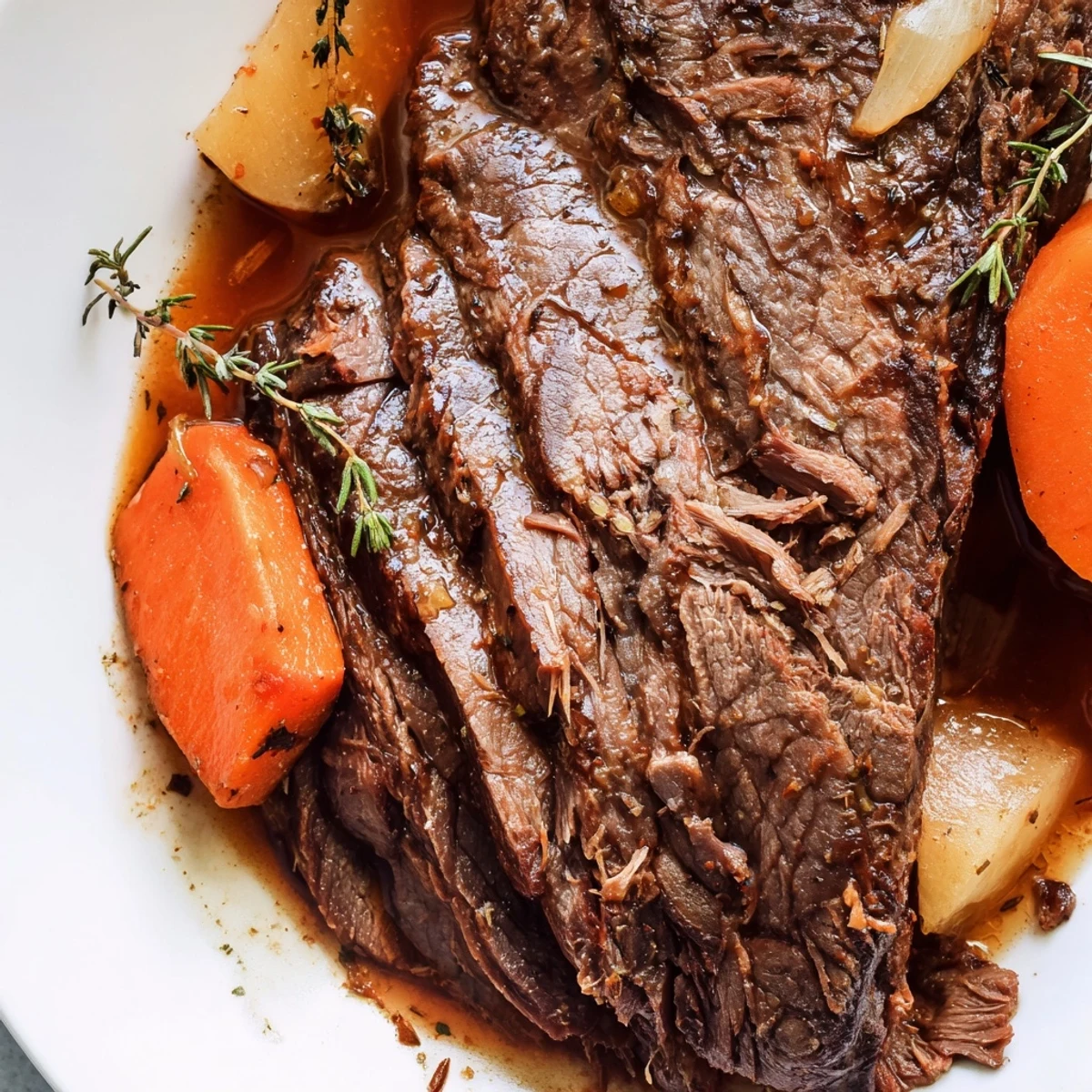
 This beef supper roast features a tender chuck roast seared to perfection, surrounded by carrots, potatoes, onions, and celery. Slow-cooked with herbs like thyme and rosemary in beef broth and red wine, it delivers deep, savory flavors. The dish offers a warm, satisfying meal ideal for family gatherings, with tips for thickening pan juices or swapping root vegetables for variety.
There's something about the smell of a beef roast hitting a hot Dutch oven that makes a kitchen feel like home. My grandmother used to make this on Sunday afternoons, and the whole house would fill with the aroma of thyme and caramelized beef by the time we'd finished setting the table. The first time I tried it myself, I was nervous about getting the sear right, but once that meat hit the pan and started browning, I knew I was onto something special. It became my go-to dish whenever I needed to feel grounded and feed people I cared about.
I made this for my partner during our first winter together, and I remember standing at the oven window, watching the pot bubble away, feeling this quiet certainty that things were going to be okay. The roast came out perfect that night, and it's been the dish I return to whenever I want to say something without words.
Ingredients
- Beef chuck roast (1.5 kg or 3.3 lbs): Chuck is the unsung hero of roasting because it has just enough marbling to stay juicy and tender after hours in the oven, unlike leaner cuts that can turn tough.
- Carrots and potatoes: Cut them into roughly equal-sized chunks so they cook at the same pace as the beef, and they'll get these caramelized edges you'll want to eat on their own.
- Onions, celery, and garlic: These build the flavor base, and the longer they roast, the sweeter and deeper they become.
- Olive oil: Use something decent but not your best bottle—you need it to get hot enough to create that golden crust on the meat.
- Dried thyme and rosemary: Fresh herbs can turn bitter in a long braise, so dried actually works better here; the flavors become concentrated and integrated.
- Bay leaves: Two is just right for the amount of liquid, adding earthiness without taking over.
- Beef broth and red wine: The wine adds acidity that balances the richness, but it's truly optional if you prefer to skip it.
Instructions
- Get your oven ready:
- Preheat to 160°C (325°F) before you touch the beef, so the temperature is steady when the pot goes in.
- Dry and season the meat:
- Pat the roast completely dry with paper towels because any moisture on the surface will steam instead of sear. Season generously with salt and pepper on all sides.
- Create the crust:
- Heat olive oil in your Dutch oven over medium-high heat until it shimmers, then place the roast in carefully and don't move it. You want a deep brown crust on the bottom before you flip, which takes about 2 minutes per side. This isn't just for looks; it's where all the flavor lives.
- Build the flavor base:
- Pull out the roast, add the onions, carrots, celery, and garlic, and let them soften for about 4 minutes, stirring occasionally. You'll notice the pan releases all these browned bits stuck to the bottom, which is exactly what you want.
- Bring it all together:
- Return the roast to the center of the pot, nestle the potatoes around it, and scatter the thyme, rosemary, and bay leaves over everything. Pour the broth and wine around the meat, not over it.
- Transfer to the oven:
- Cover the pot with its lid and place it in the oven. The low, steady heat will gently break down the collagen in the meat over 2 to 2.5 hours, turning it impossibly tender.
- Rest and serve:
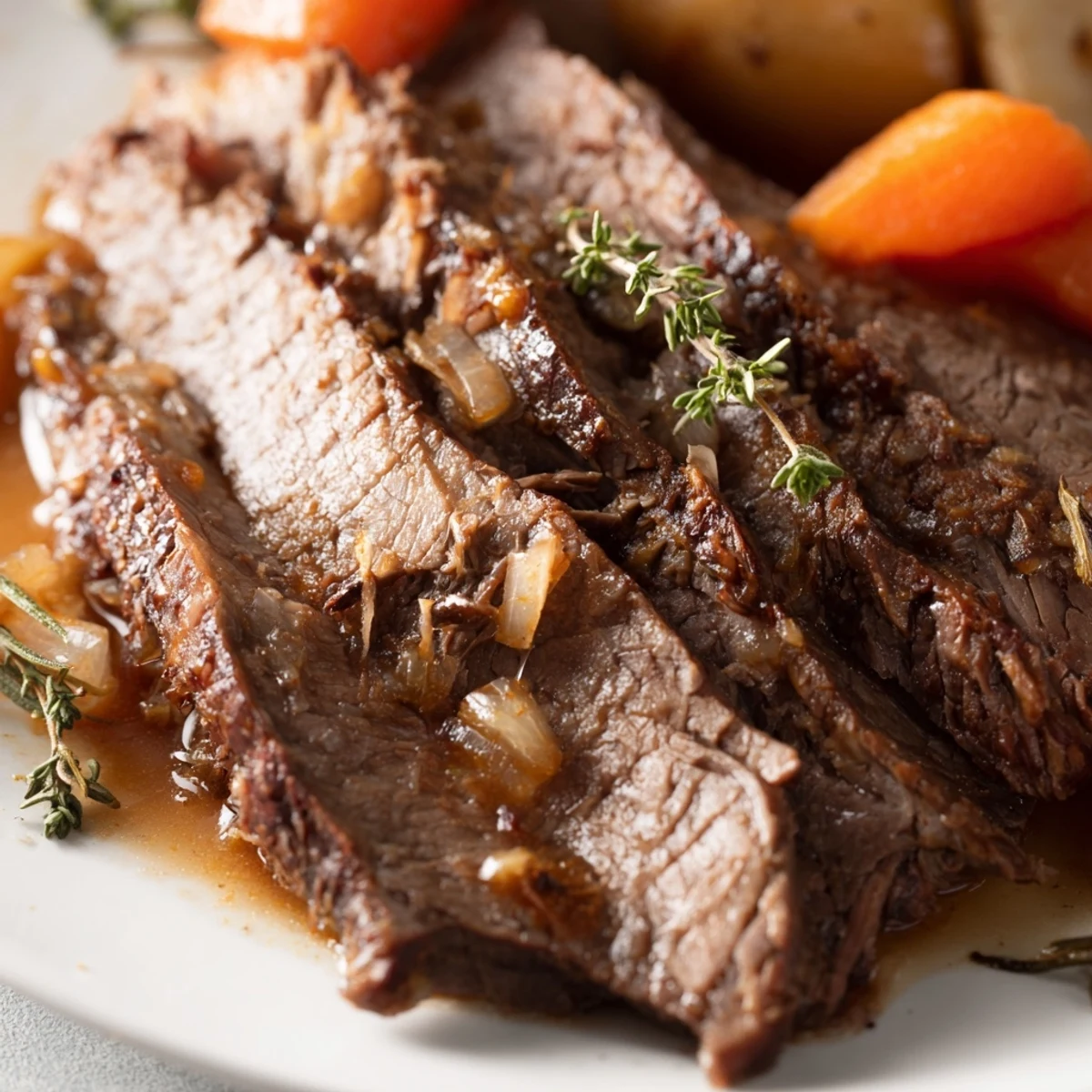
- Remove the pot from the oven and lift out the roast and vegetables with tongs. Let everything rest for 10 minutes before slicing, which keeps the beef from losing all its juices when you cut into it.
 Save to Pinterest
 One Sunday, my neighbor knocked on my door drawn by the smell and ended up staying for dinner. We didn't plan it, but that roast fed four people that night instead of two, and somehow it tasted even better shared with someone unexpected.
Making It Your Own
The beauty of this roast is how forgiving it is. If you can't find red wine, skip it entirely and add another half cup of broth instead. If root vegetables aren't your thing, swap in parsnips, turnips, or whatever you have on hand. I've even added mushrooms in the last 30 minutes for earthiness.
The Pan Sauce Secret
When the roast is done, pour those pan juices into a separate container if you want to taste them on their own—they're rich and deeply flavored. If you like a thicker sauce to spoon over everything, pour the drippings back into the pot and simmer them on the stovetop for about 10 minutes, letting some of the liquid reduce. For an even silkier finish, whisk together a little cornstarch and water, stir it in, and simmer for another minute until it coats the back of a spoon.
What to Serve Alongside
Since the roast comes with built-in vegetables, you don't need much else, but crusty bread to soak up the pan juices is never wrong. A simple green salad with a bright vinaigrette cuts through the richness beautifully. If you want to drink wine with it, something bold like Cabernet Sauvignon or a hearty Burgundy will match the depth of flavors in the pot.
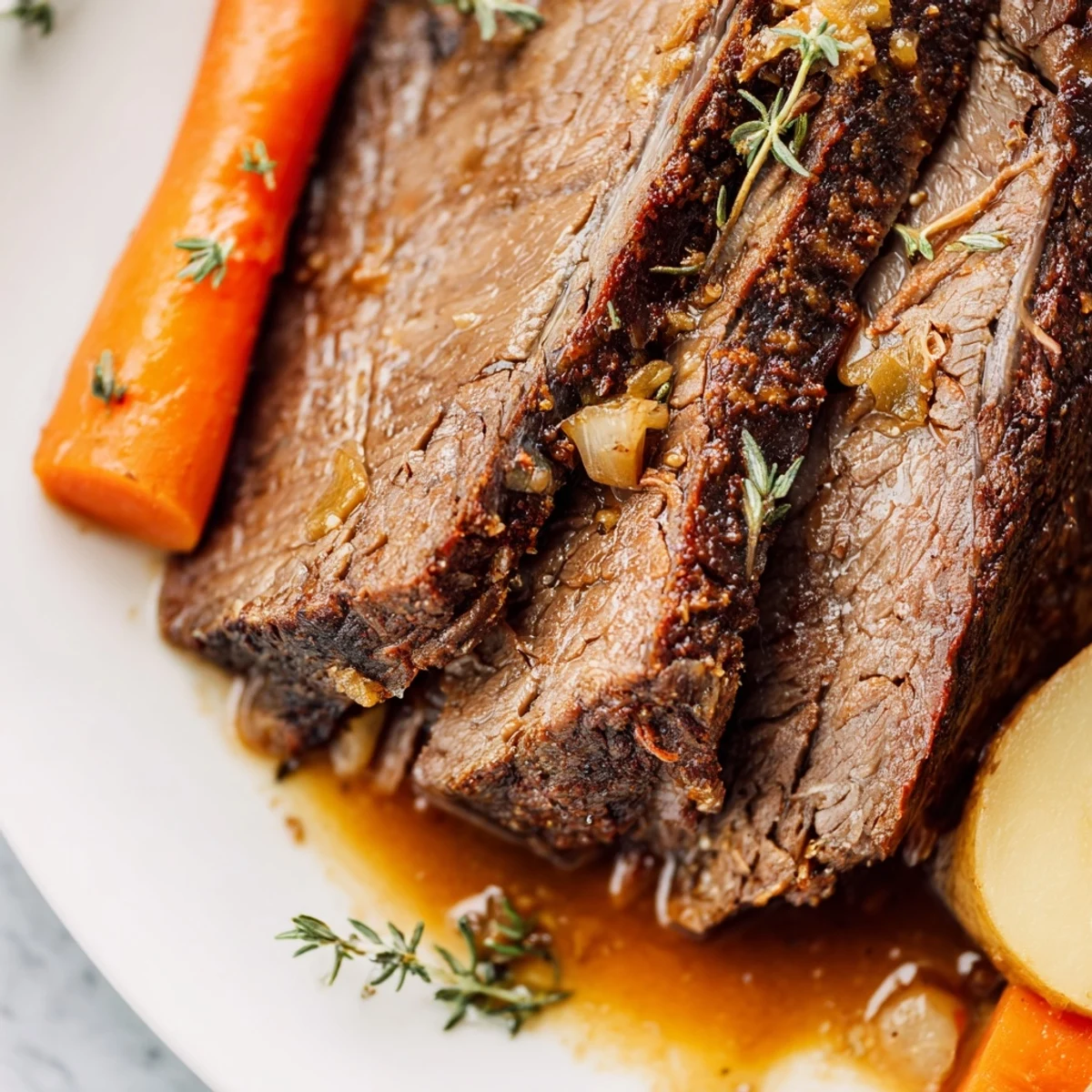
- Serve the roast sliced, surrounded by vegetables and a generous ladle of pan juices poured over everything.
- Leftovers are incredible shredded and tucked into sandwiches or scattered over a salad the next day.
- This dish actually tastes better the next day when the flavors have had time to marry together.
 Save to Pinterest
 This roast has fed my family through seasons and celebrations, and it never disappoints. There's real comfort in knowing that Sunday dinner is waiting for you.
Recipe Questions & Answers
- → What cut of beef is best for this dish?
-
Beef chuck roast works well due to its marbling, ensuring tenderness after slow cooking.
- → Can I substitute vegetables in this supper?
-
Yes, parsnips or turnips can replace potatoes for different flavor profiles.
- → How to thicken the pan juices into a sauce?
-
Simmer the juices on stovetop or stir in a cornstarch-water slurry to thicken.
- → Is red wine necessary in the cooking liquid?
-
Red wine is optional but adds depth to the broth; it can be omitted if preferred.
- → What side dishes pair well with this beef supper?
-
A robust red wine like Cabernet Sauvignon complements the rich flavors beautifully.