
 Save to Pinterest
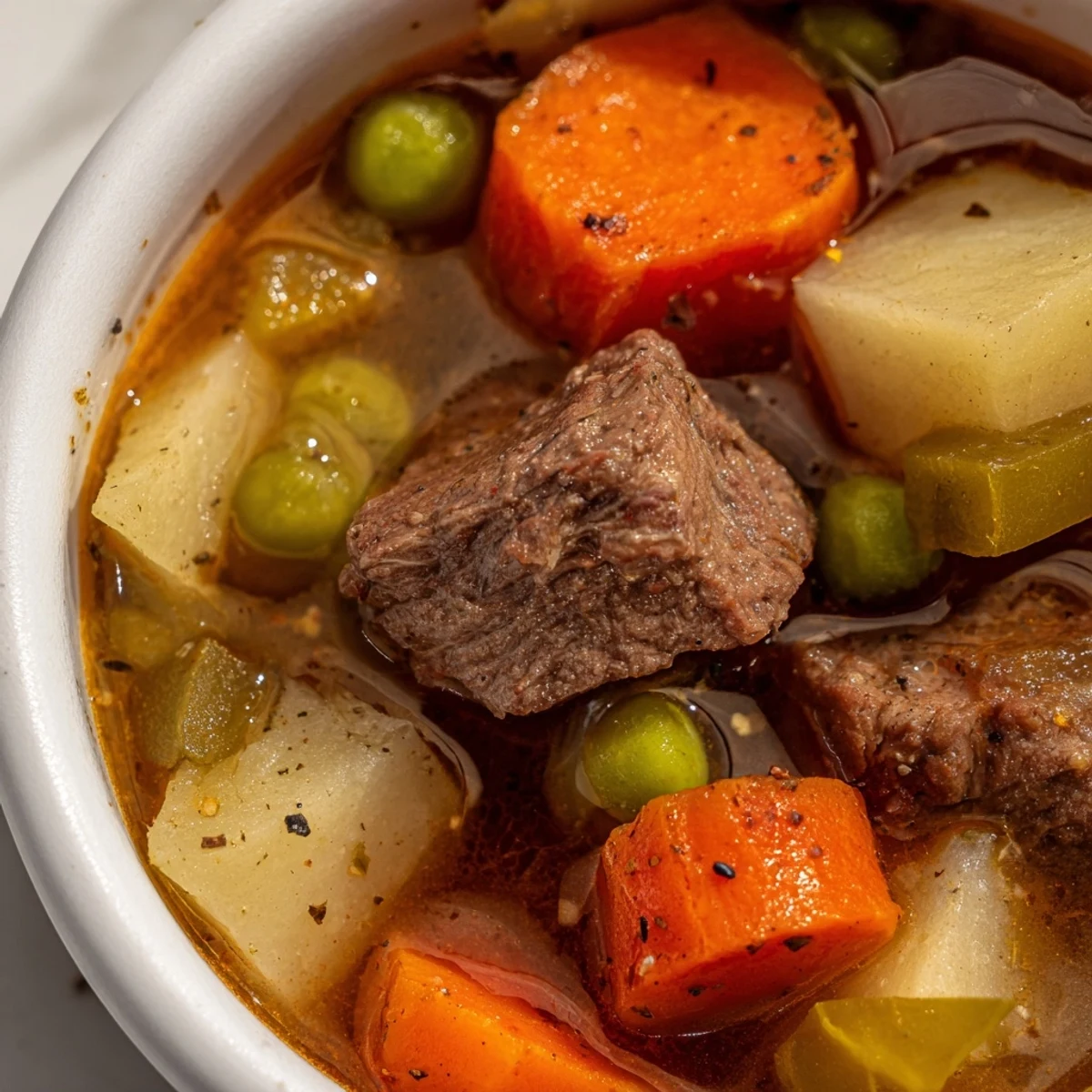
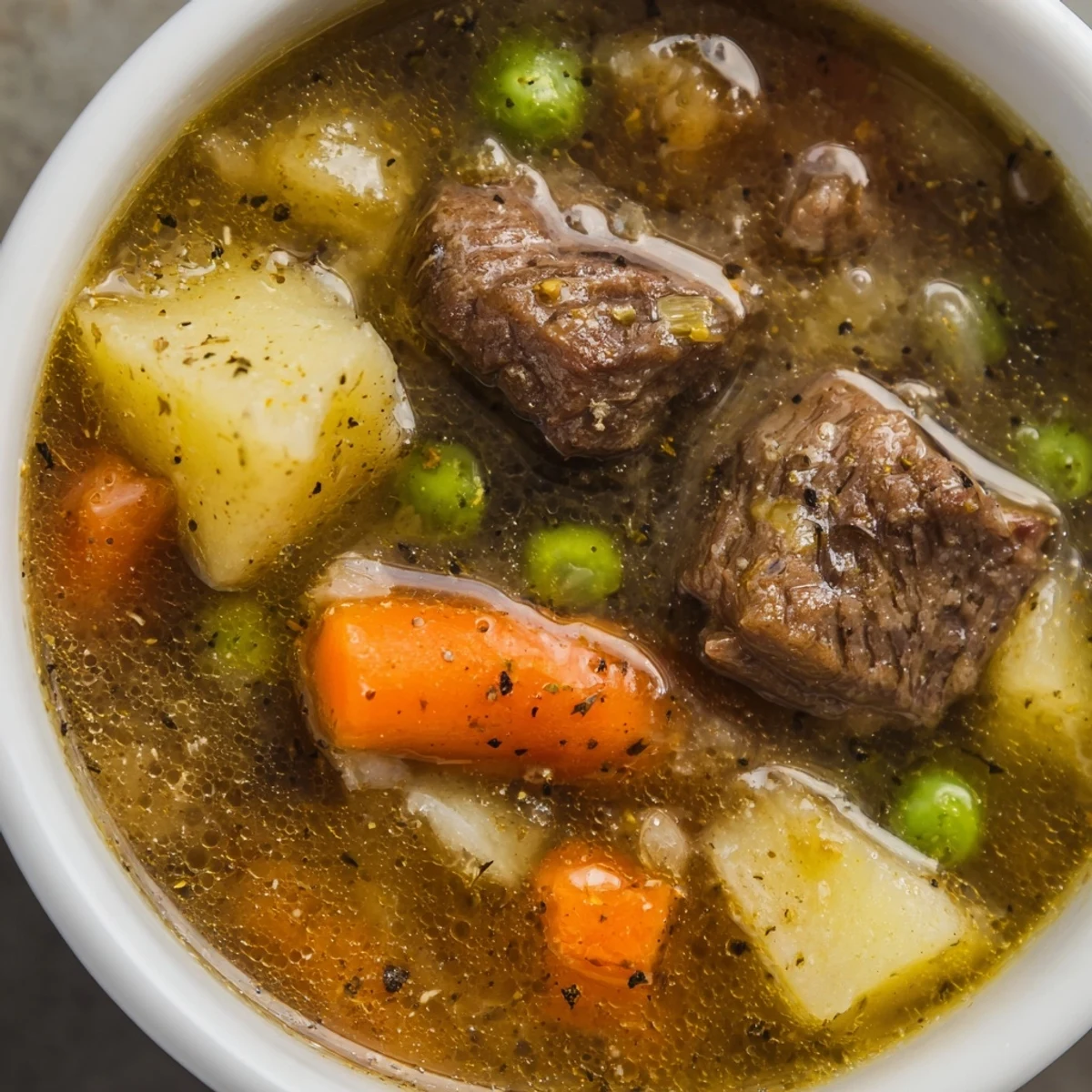
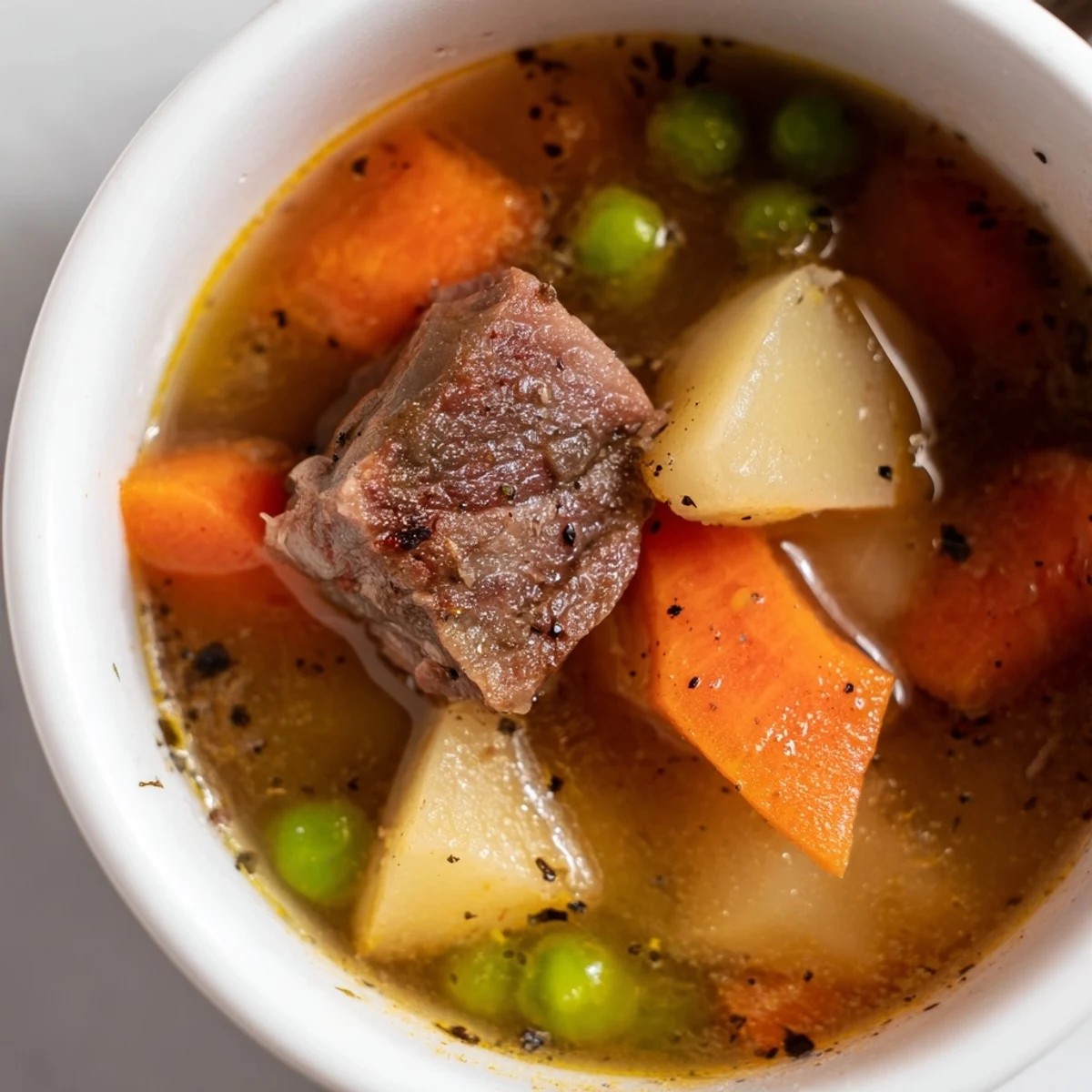
 This comforting dish combines tender chunks of beef with a medley of seasonal vegetables, including potatoes and sweet peas, simmered slowly in a flavorful broth. The broth is enhanced with herbs like thyme, parsley, and a touch of paprika, creating depth and warmth perfect for chilly days. With simple preparation and a long simmer, the result is a hearty meal full of rich textures and fresh flavors, ideal for sharing and pairing with crusty bread or greens.
There's something about the smell of beef browning in a hot pot that makes everything feel right. My neighbor once asked what I was cooking, and when I described this soup, she just laughed and said her whole apartment building smelled amazing. That's when I realized this wasn't just dinner—it was the kind of dish that announces itself before you even taste it. The combination of tender beef, soft vegetables, and that golden broth is exactly what I reach for when I want comfort in a bowl.
I made this soup on a random Tuesday afternoon when my partner came home early from work, tired and hungry. By the time they walked in, the kitchen was warm and fragrant, and I ladled out a big bowl while it was still steaming. That first spoonful led to three refills, and suddenly we were talking about our whole week over soup. It became our Tuesday tradition after that.
Ingredients
- Beef stew meat: The 1-inch cubes are your golden ticket—big enough to stay tender through simmering without disappearing into the broth, and small enough to cook through evenly.
- Olive oil: Use enough to create that sizzle when the beef hits the pot; this browning step is where all the flavor magic happens.
- Onion, carrots, and celery: This trio builds the flavor foundation, and sautéing them first softens their raw edges and deepens their sweetness.
- Potatoes: Dicing them uniformly helps them cook at the same rate, so you avoid mushy edges and hard centers.
- Frozen peas: These go in at the very end to stay bright and fresh instead of turning into little gray marbles.
- Garlic: Minced fine and added after the softer vegetables means it perfumes everything without becoming harsh.
- Diced tomatoes: The acidity balances the richness of the beef and adds depth you can't quite name but absolutely taste.
- Beef broth: This is your canvas; use a good quality broth because it flavors everything that follows.
- Bay leaves, thyme, parsley, and paprika: These seasonings whisper rather than shout, creating layers of flavor that unfold as you eat.
Instructions
- Prep and dry your beef:
- Pat the beef cubes completely dry with paper towels and season them generously with salt and pepper. This step ensures they'll brown properly instead of steaming in their own moisture.
- Brown the beef in batches:
- Heat the olive oil until it shimmers, then add the beef in a single layer—don't crowd the pot. Let each batch sit undisturbed for a few minutes to develop a golden crust before stirring. This takes patience, but it's where the soup's deep flavor comes from.
- Build the vegetable base:
- In the same pot, sauté the onion, carrots, and celery until they soften and turn golden at the edges, about 4–5 minutes. Add the minced garlic and cook for one more minute until fragrant, stirring constantly so it doesn't stick.
- Combine everything and simmer:
- Return the beef to the pot and add the potatoes, tomatoes with their juice, bay leaves, thyme, parsley, and paprika. Pour in the broth and stir well, making sure nothing sticks to the bottom. Bring it all to a boil, then lower the heat and cover, letting it simmer gently for about 1 hour.
- Add the peas and finish:
- Uncover the pot and stir in the frozen peas, letting them warm through for about 10 minutes—they'll turn a bright, appetizing green. Taste the broth and adjust the salt and pepper to your liking, keeping in mind that flavors will deepen as it cools.
- Final check and serve:
- Fish out the bay leaves before serving, as biting into one is an unpleasant surprise. Ladle the soup into bowls while it's hot, and if you have fresh parsley on hand, a small handful scattered on top adds a fresh note that cuts through the richness.
 Save to Pinterest
 I once made this soup when my daughter was sick, and she actually asked for a second bowl—something that had never happened with any of my cooking before. That moment taught me that sometimes the best meals aren't about impressing anyone; they're about making someone feel taken care of. This soup does that effortlessly.
Why Beef Matters Here
Not all beef cuts work equally in soup. Chuck or round cuts have enough marbling and connective tissue that they become incredibly tender when simmered, rather than tough and dry. Avoid lean cuts like sirloin, which will seize up and become chewy instead of fork-tender. The same goes for cutting your beef into uniform 1-inch cubes—consistency matters because it ensures everything finishes cooking at the same time. I learned this the hard way after serving a soup with some tender pieces and some rubbery ones, and I've never made that mistake twice.
Making It Your Own
While this recipe is perfect as written, I've discovered a few variations that keep things interesting. A splash of Worcestershire sauce adds a subtle depth that people often can't quite identify but always compliment. Swapping in sweet potatoes creates a slightly sweeter, earthier version that's especially nice in fall. Some nights I add a pinch of hot sauce to mine, just enough to add a whisper of heat without overwhelming the other flavors. You could also stir in a handful of fresh spinach in the last few minutes if you want to sneak in more greens without changing the character of the soup.
Pairing and Serving Suggestions
This soup is hearty enough to stand alone as a complete meal, but it sings when paired with the right sides. Crusty bread is the classic choice, perfect for soaking up every last drop of broth and getting you to scrape the bowl clean. A simple green salad with a sharp vinaigrette cuts through the richness beautifully, and a wedge of sharp cheddar on the side adds a creamy contrast. I've even served it with oyster crackers on the side for guests who like that little textural crunch, and everyone left satisfied.
- Toast thick slices of bread and rub them with a cut garlic clove before serving alongside bowls of steaming soup.
- A squeeze of fresh lemon juice stirred into each bowl brightens the flavors and adds unexpected lift.
- Make a double batch and freeze individual portions in containers for easy reheating on nights when cooking feels impossible.
 Save to Pinterest
 This soup has become my answer to almost every cooking question: when I don't know what to make, when someone's under the weather, or when I just need the kitchen to smell like home. Once you make it, you'll understand why.
Recipe Questions & Answers
- → How do I ensure the beef stays tender?
-
Browning the beef first seals in juices, and then simmering it slowly in broth breaks down fibers, resulting in tender meat.
- → Can I use fresh peas instead of frozen?
-
Yes, fresh peas can be used. Add them near the end of cooking to maintain their bright flavor and texture.
- → What can I substitute for potatoes?
-
Sweet potatoes make a flavorful alternative, adding a subtle sweetness and similar texture to the dish.
- → How can I adjust seasoning for more depth?
-
A splash of Worcestershire or a dash of hot sauce can enhance the savory and spicy notes of the broth.
- → Is this dish suitable for dairy-free diets?
-
Yes, omitting butter keeps the dish dairy-free while maintaining rich flavors from the broth and vegetables.
- → What sides pair well with this meal?
-
Crusty bread or a simple green salad complements the hearty textures and balances flavors nicely.