
 Save to Pinterest
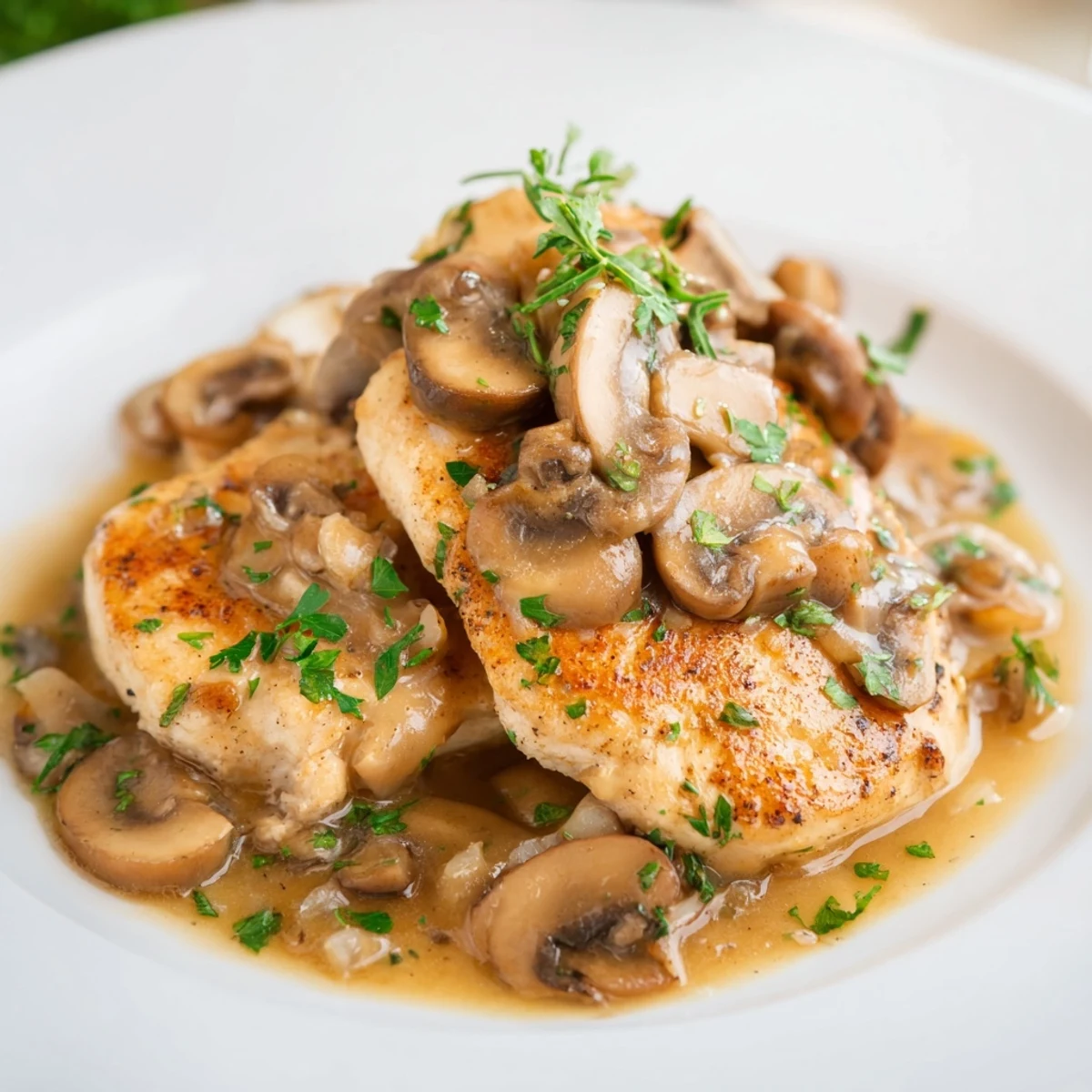
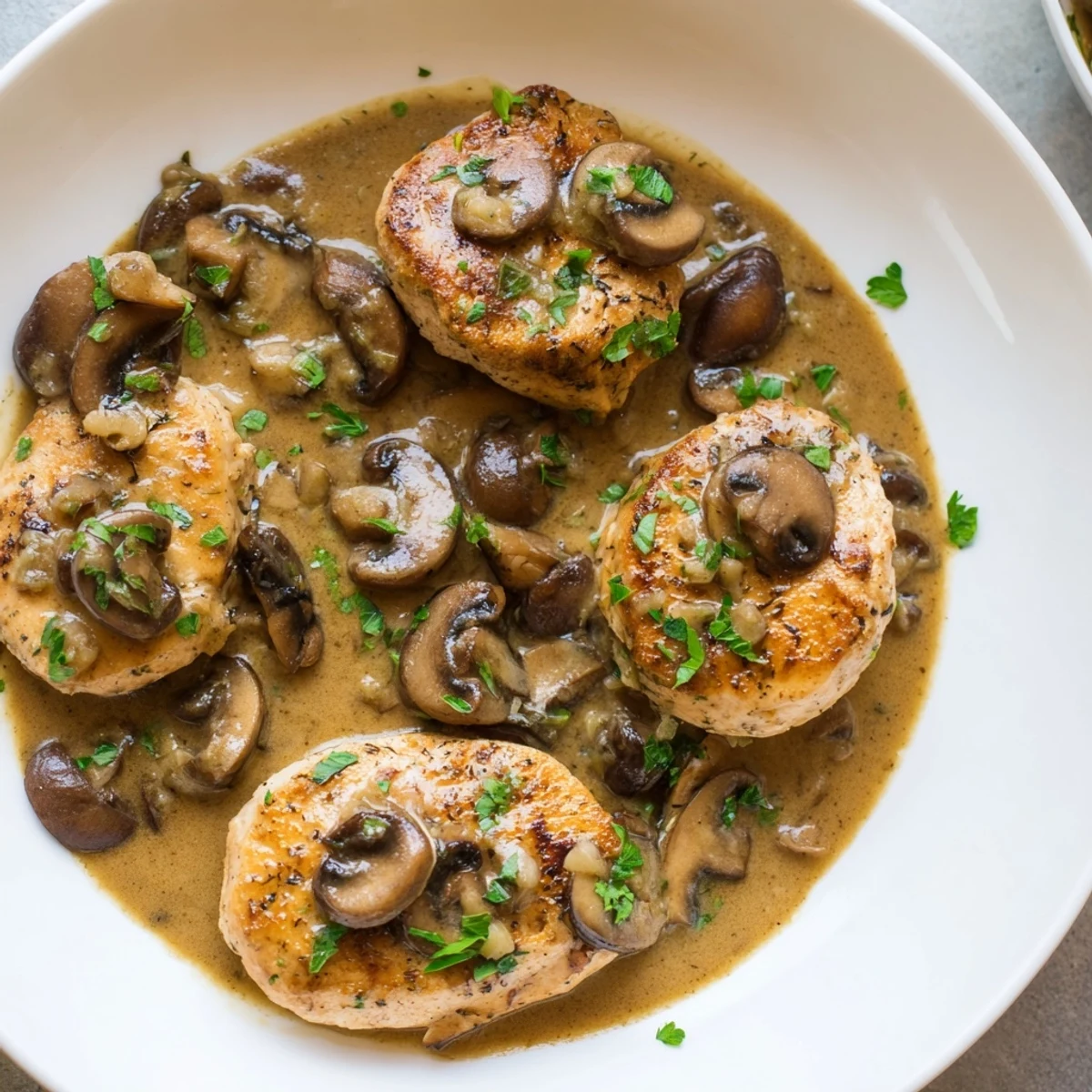
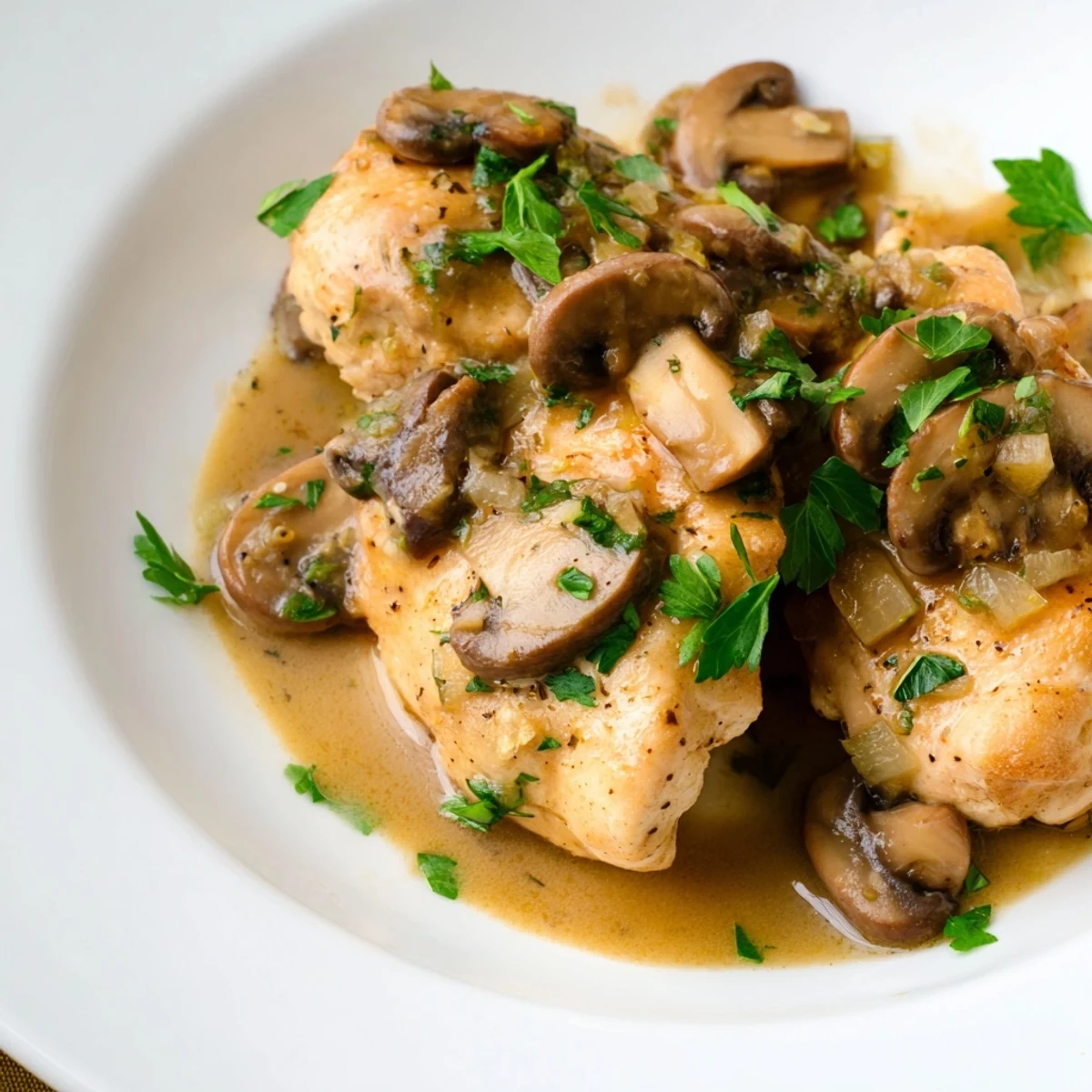
 This dish features tender chicken breasts lightly coated and cooked until golden, then simmered in a flavorful mushroom sauce enriched with garlic, shallots, and fresh parsley. The sauce balances savory and bright notes using white grape juice and lemon, creating a rich yet alcohol-free Italian-style meal. Perfect served alongside mashed potatoes or pasta, it offers a satisfying, medium-difficulty cooking experience that highlights fresh, wholesome ingredients.
I discovered this recipe one quiet Tuesday evening when my aunt called asking if I could make something elegant but completely alcohol-free for her book club dinner. She needed something that felt fancy without the Marsala wine, and that's when I realized the magic wasn't in the alcohol at all—it was in those golden-brown mushrooms and the way their umami deepened in the pan. That night taught me that constraints breed creativity, and this dish has become my go-to proof that you don't need traditional ingredients to make something restaurant-worthy.
I'll never forget when my picky eater nephew asked for seconds without a single complaint. He spent ten minutes just soaking up that sauce with mashed potatoes, and his mom looked at me like I'd performed some kind of kitchen miracle. That's when I knew this recipe wasn't just about feeding people—it was about creating those small, unexpected moments of genuine satisfaction at the dinner table.
Ingredients
- Boneless, skinless chicken breasts (4): Pound them evenly so they cook through at the same rate—no dry edges, no sad centers.
- All-purpose flour (1/2 cup): This is your golden crust, so don't skip the dredging step, and shake off excess flour to avoid a pasty coating.
- Salt and black pepper: Season both the flour and the chicken for layered flavor that builds as you cook.
- Olive oil and unsalted butter (2 tablespoons each): This combo gives you the high heat of oil with the richness that butter brings to browning.
- Cremini or white mushrooms (8 oz): Slice them thick enough to hold their shape but thin enough to soak up sauce—about 1/4 inch.
- Garlic and shallot: These are your aromatics that round out the earthiness of the mushrooms, so don't rush them.
- Low-sodium chicken broth (3/4 cup): The foundation of your sauce, so taste as you go if you're using store-bought.
- White grape juice (3/4 cup): This is your secret—it brings sweetness and depth that mimics the complexity of actual Marsala without any alcohol.
- Lemon juice and Dijon mustard: A teaspoon each adds brightness and subtle tang that lifts the whole dish.
- Cornstarch (optional): Keep this on hand if you prefer a thicker sauce, but honestly the mushrooms and broth create plenty of body on their own.
- Fresh parsley: Chop it right before serving so it stays vibrant green and fresh on the plate.
Instructions
- Pound the chicken to even thickness:
- Place each breast between plastic wrap and use firm, gentle strokes with a meat mallet—you want 1/2 inch of uniform thickness so everything cooks evenly. This small step makes all the difference between tender chicken and rubbery edges.
- Dredge and get that golden crust:
- Mix flour with salt and pepper in a shallow bowl, then coat each breast generously but shake off the excess so you get a thin, crispy layer. Too much flour makes a crust that tastes floury instead of golden.
- Brown the chicken until it's impossibly gorgeous:
- Heat your skillet until a drop of water sizzles immediately, then add the oil and butter. Lay the chicken down and don't move it for 4-5 minutes—this is how you get that caramelized, golden exterior that looks like you know what you're doing.
- Build the sauce base with mushrooms:
- In the same skillet, sauté the sliced mushrooms and chopped shallot until the mushrooms release their moisture and then begin to brown. This takes about 4-5 minutes and is absolutely worth the patience because those browned bits are where the flavor lives.
- Create depth with the Marsala swap:
- Pour in the chicken broth and white grape juice, then scrape the bottom of the pan with a wooden spoon to release those caramelized bits. Stir in the lemon juice and mustard, which add brightness and subtle tang without anyone noticing what you did.
- Thicken if you prefer a richer sauce:
- If you want body, mix cornstarch with cold water and stir it in, simmering for 2-3 minutes until it coats the back of a spoon. Skip this step if you love a lighter, more rustic sauce.
- Bring it all together gently:
- Return the chicken to the skillet and let it nestle into the sauce for 3-4 minutes, occasionally spooning that silky goodness over the top. This final step infuses the chicken with flavor rather than just sitting it in sauce.
- Finish with fresh parsley and serve:
- Remove from heat, scatter that bright green parsley over everything, and plate it with lemon wedges on the side. The acidity cuts through the richness and makes every bite feel lighter than it is.
 Save to Pinterest
 One afternoon while testing this recipe, my friend walked in mid-cook and said the kitchen smelled like a restaurant, which made me realize that simple ingredients treated with care create something bigger than their parts. That moment stuck with me because it's exactly what this dish is—not complicated, just thoughtful.
Why This Works Without Wine
The original Marsala contributes sweetness, a little alcohol that cooks off, and depth from aging. White grape juice gives you the sweetness and complexity, the lemon juice adds acidity that mimics what wine contributes, and the mushrooms provide umami that makes up for any loss of richness. It's not about replacing wine—it's about understanding what wine brings to the party and sourcing those qualities differently.
Serving Suggestions That Actually Work
I've learned through happy accidents that this dish plays beautifully with sides that soak up sauce—creamy mashed potatoes, buttered egg noodles, or even polenta if you're feeling fancy. A simple green salad with sharp vinaigrette cuts the richness, while crusty bread rounds out the meal without stealing focus from the chicken. The flexibility is part of what makes this recipe so practical for weeknight dinners that still feel special.
Small Techniques That Make the Biggest Difference
The real magic happens in the details—in not moving the chicken while it browns, in letting mushrooms caramelize instead of steaming, in that final minute when you spoon sauce over the chicken like you're tucking it in. These aren't rules meant to intimidate; they're gentle nudges toward better results based on how cooking actually works. Each one exists because someone cooked this dish a hundred times and found the moment where technique becomes invisible and the result becomes delicious.
- Always taste your broth and adjust salt accordingly, since store-bought versions vary wildly.
- If your sauce seems too thin at serving time, just let it rest off heat for a few minutes—it naturally tightens as it cools slightly.
- Leftover sauce is liquid gold—reheat with pasta, rice, or vegetables tomorrow and nobody will know it's a repurposed dinner.
 Save to Pinterest
 This recipe became a favorite because it proves that elegant cooking isn't about expensive ingredients or complicated techniques—it's about understanding your ingredients and respecting the process. Cook it once and you'll understand why it keeps coming back to your table.
Recipe Questions & Answers
- → How do you tenderize the chicken breasts?
-
Place the chicken breasts between sheets of plastic wrap and gently pound them to about 1/2-inch thickness to ensure even cooking.
- → What can be used as a substitute for Marsala wine?
-
Unsweetened white grape juice provides a similar fruity note without alcohol, making it an ideal substitute in this dish.
- → How is the mushroom sauce thickened?
-
A mixture of cornstarch and water can be stirred into the sauce and simmered briefly to achieve a slightly thicker consistency.
- → Can this dish be adapted for a gluten-free diet?
-
Yes, using a gluten-free flour blend to dredge the chicken makes this dish suitable for gluten-free diets.
- → What sides pair well with this chicken preparation?
-
Mashed potatoes, pasta, or a simple green salad complement the flavors and textures nicely.
- → Is it necessary to use butter in cooking the chicken?
-
Butter adds richness to the dish but can be replaced with plant-based alternatives if needed.