
 Save to Pinterest
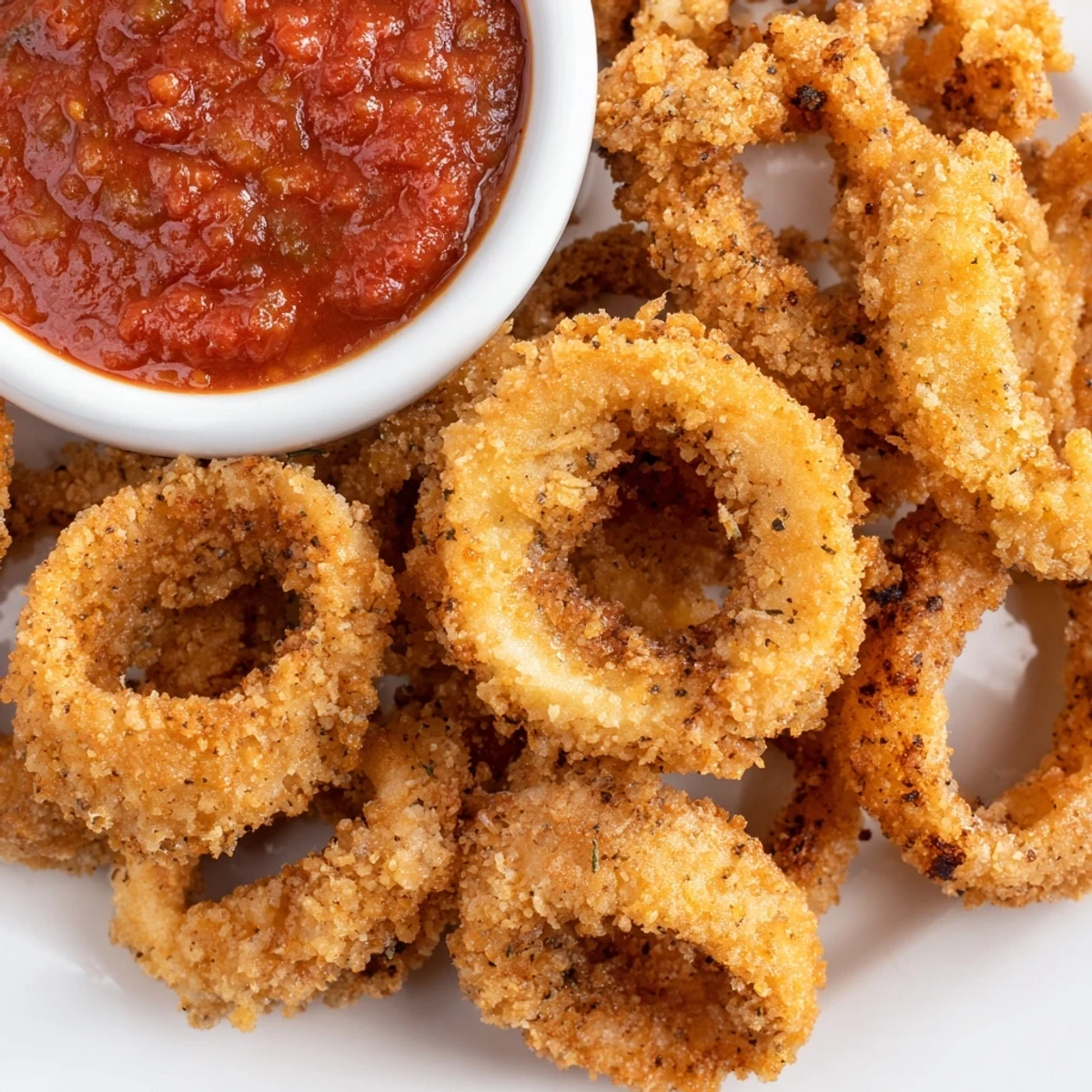
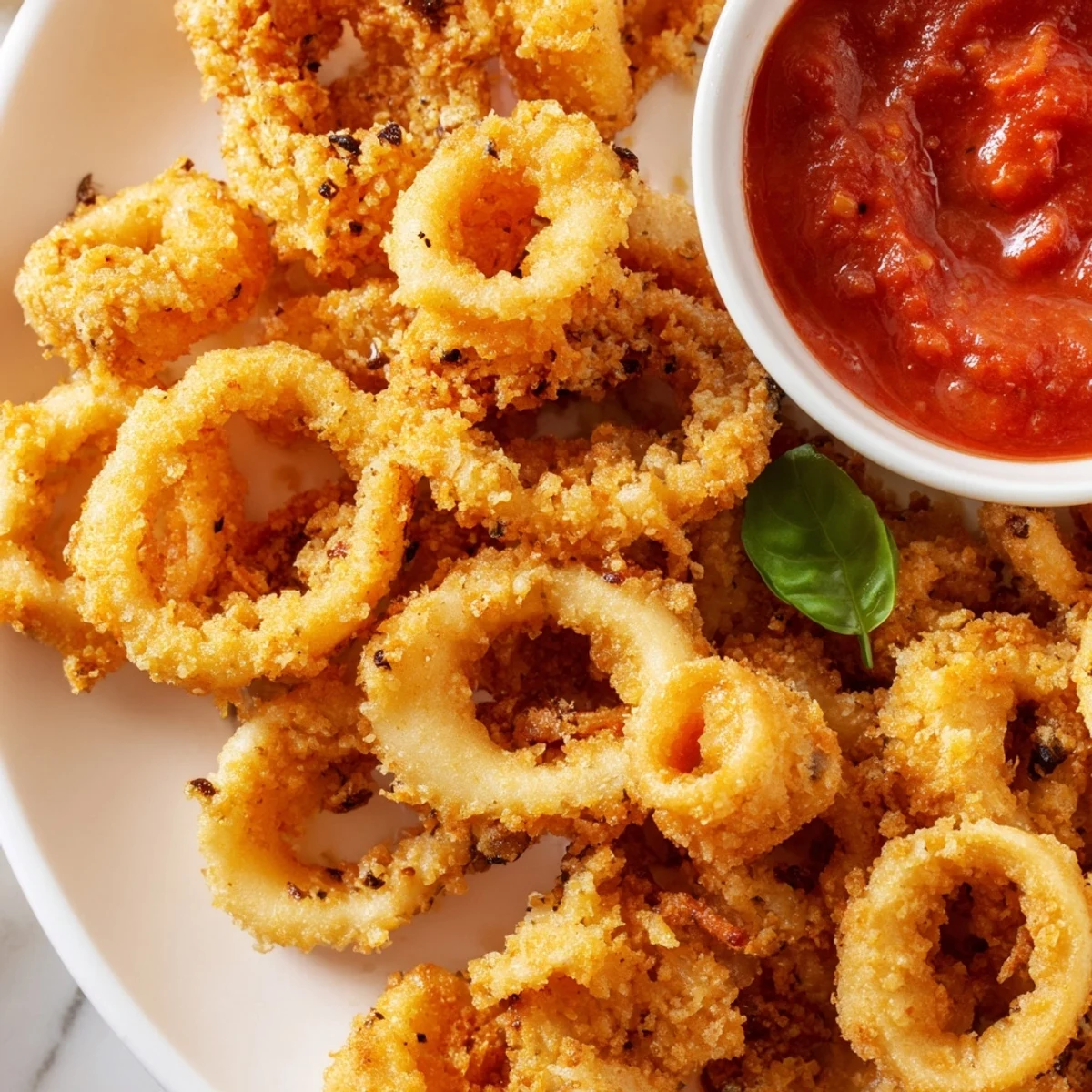
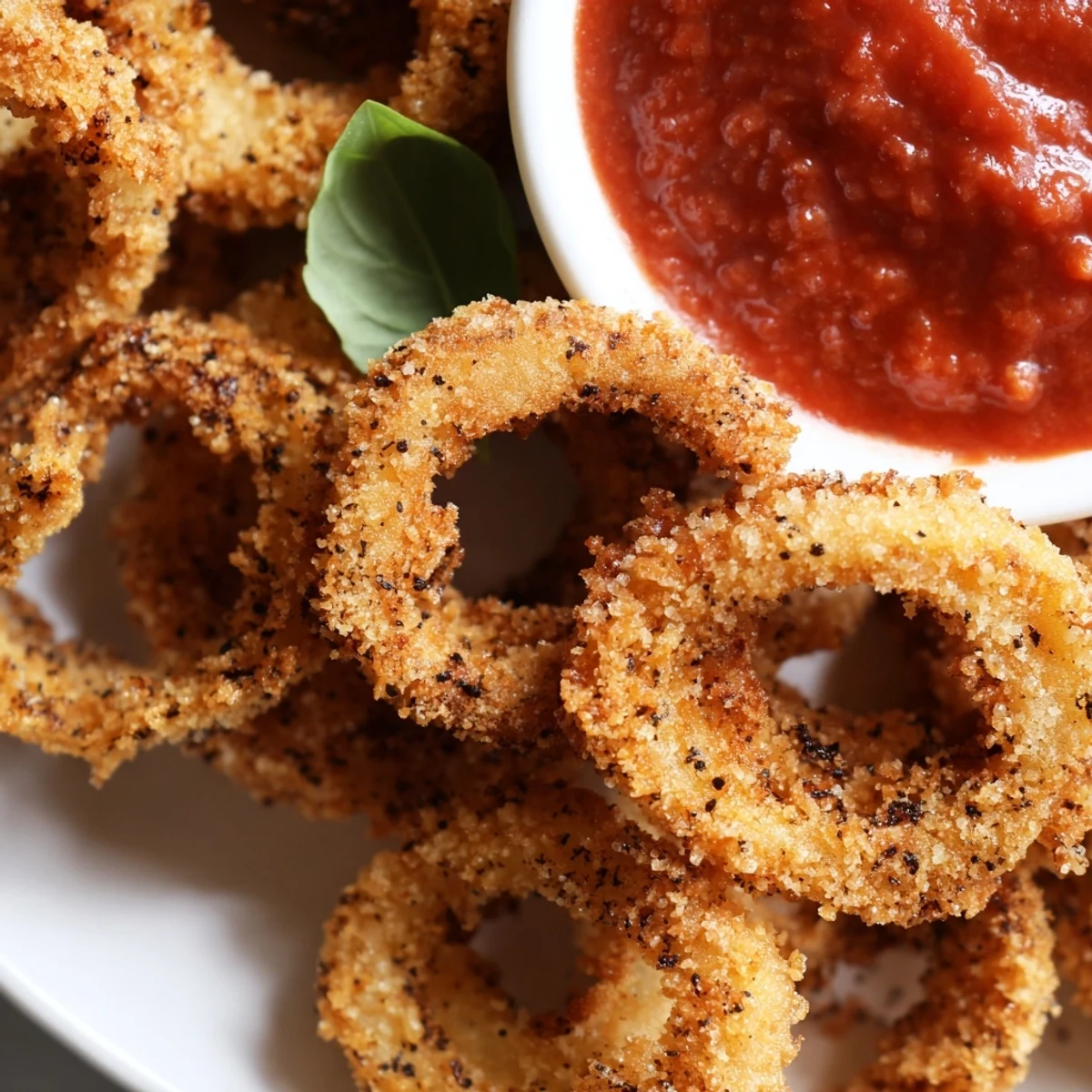
 Experience tender calamari rings, coated with a blend of flour and cornmeal, fried until golden and crisp. Complemented by a homemade marinara sauce simmered with garlic, herbs, and a touch of spice, this dish offers a perfect balance of textures and Mediterranean flavors. Ideal as a flavorful appetizer, served warm with fresh lemon wedges to enhance the taste. Easy to prepare with simple ingredients and quick cooking times.
There's a particular moment that stays with me, standing in a cramped kitchen in a small Roman trattoria, watching the chef's hands move with such confidence as golden rings of calamari emerged from the oil, crackling and perfect. I'd ordered it without thinking, but something about that casual excellence made me determined to recreate it at home, and now it's become the dish I make when I want to impress without looking like I'm trying too hard.
I made this for my sister's surprise birthday dinner, and I remember the kitchen filling with that unmistakable aroma of frying while she was supposed to be distracted in the living room—somehow she still knew what was coming. When everyone gathered around the appetizer plate, there was barely a moment of conversation before people were reaching for another piece, so I knew I'd found something special.
Ingredients
- Fresh calamari, cleaned and cut into rings: The quality here matters enormously; ask your fishmonger for fresh or freshly thawed, and don't be shy about asking them to clean it for you if it's your first time.
- All-purpose flour: This is your base, and mixing it with cornmeal or fine semolina gives you that extra-crispy texture that makes the difference.
- Cornmeal or fine semolina: This is the secret to that restaurant-quality crunch; it fries differently than flour alone and won't become heavy.
- Sea salt and black pepper: Season boldly here—the breading needs to stand on its own since the calamari is mild.
- Smoked paprika: Optional, but it adds a whisper of warmth and complexity that makes people ask what your secret ingredient is.
- Vegetable oil for deep frying: Use an oil with a high smoke point; I've learned this the hard way when oil started smoking before the calamari was done.
- Canned crushed tomatoes: Good quality matters; look for San Marzano if you can find them, as they have better flavor and fewer seeds.
- Garlic and onion: These build the foundation of your sauce, and the time you spend letting them soften properly is never wasted.
- Dried oregano: A pinch of this brings the whole sauce into focus, tying it to the Mediterranean roots of this dish.
- Fresh basil: Stir this in at the very end so it stays bright and fragrant, not bitter from the heat.
Instructions
- Start your sauce while everything else waits:
- Heat olive oil gently and let the onion soften without browning; this takes patience, but it builds a sweeter base for your sauce. The garlic goes in just for 30 seconds—longer and it turns bitter and ruins everything.
- Build the sauce low and slow:
- Once your tomatoes go in, let them bubble away for 10 to 15 minutes, stirring every few minutes so nothing sticks. You'll feel the sauce thicken and the flavors deepen, and that's when you know it's ready.
- Dry your calamari like your life depends on it:
- Moisture is the enemy of crispiness, so pat those rings down with paper towels until they feel completely dry. Any water left behind will steam instead of fry.
- Season your breading generously:
- Mix your flour, cornmeal, salt, pepper, and paprika in a shallow bowl, then toss the calamari gently but thoroughly so every piece gets an even coat. A light shake of excess flour prevents thick, doughy patches.
- Get your oil to the perfect temperature:
- 180°C (350°F) is your target; use a thermometer if you have one, because too cool means greasy, and too hot means burnt outside and cold inside. If you don't have a thermometer, drop a tiny pinch of breading in—it should sizzle immediately and float.
- Fry in small batches to keep the temperature steady:
- Overcrowding the pan drops the oil temperature, and that's when you end up with soggy calamari instead of crispy. Give each batch its moment.
- Finish and serve immediately:
- Drain on paper towels for just a minute, then get everything to the table while it's still warm and crunchy. Cold crispy calamari is a sad thing.
 Save to Pinterest
 There's something about serving something you've fried yourself that changes the whole experience—suddenly you're not just eating appetizer, you're tasting the care and attention that went into timing and temperature. It becomes a moment of connection instead of just food.
The Importance of Temperature Control
Temperature is everything with fried food, and I used to skip the thermometer thinking I could feel it intuitively—I couldn't. Whether you're deep-frying or working with a smaller amount of oil in a heavy pan, that thermometer is your best friend, not a crutch. Once you hit the right temperature, the calamari fries so quickly that you'll barely have time to breathe.
Making the Marinara Taste Like Home
The difference between good marinara and mediocre marinara is honestly just time and heat—let it simmer long enough to thicken slightly, and all those individual flavors merge into something bigger than the sum of their parts. I used to skip the simmering step and wonder why my sauce tasted thin and flat, but those extra 10 minutes transform everything.
Prep Work and Serving Ideas
Everything about this dish comes down to respect for each component—clean calamari, properly seasoned breading, sauce made with intention. When you serve this, you're serving something that tastes like you've paid attention, and people feel that.
- Squeeze lemon over the calamari just before you bite down; it cuts through the richness and brightens every flavor.
- If you're making this for a crowd, have a second batch of breading mixed and ready so you can keep frying without pausing.
- This pairs beautifully with a chilled white wine, and it's one of those appetizers that disappears so fast you'll wonder if you made enough.
 Save to Pinterest
 This is the kind of dish that reminds you why cooking for people matters—simple, elemental, perfect when everything is treated with care. Make it, serve it hot, and watch what happens.
Recipe Questions & Answers
- → What type of oil is best for frying calamari?
-
Vegetable oil with a high smoke point is ideal to achieve a crisp exterior without burning.
- → How do you ensure calamari stays tender and not rubbery?
-
Quick frying at the right temperature for 1–2 minutes prevents toughness and keeps calamari tender.
- → Can I substitute the cornmeal in the breading mixture?
-
Yes, fine semolina works well as a substitute and maintains a crispy texture.
- → What herbs enhance the flavor of marinara dipping sauce?
-
Fresh basil and dried oregano complement the tomato base, adding authentic Mediterranean notes.
- → How should the calamari be prepared before coating?
-
Rinse and pat dry thoroughly to help the breading adhere properly and ensure even frying.
- → Is it recommended to fry calamari in batches?
-
Yes, frying in small batches prevents overcrowding and ensures even cooking and crispiness.