
 Save to Pinterest
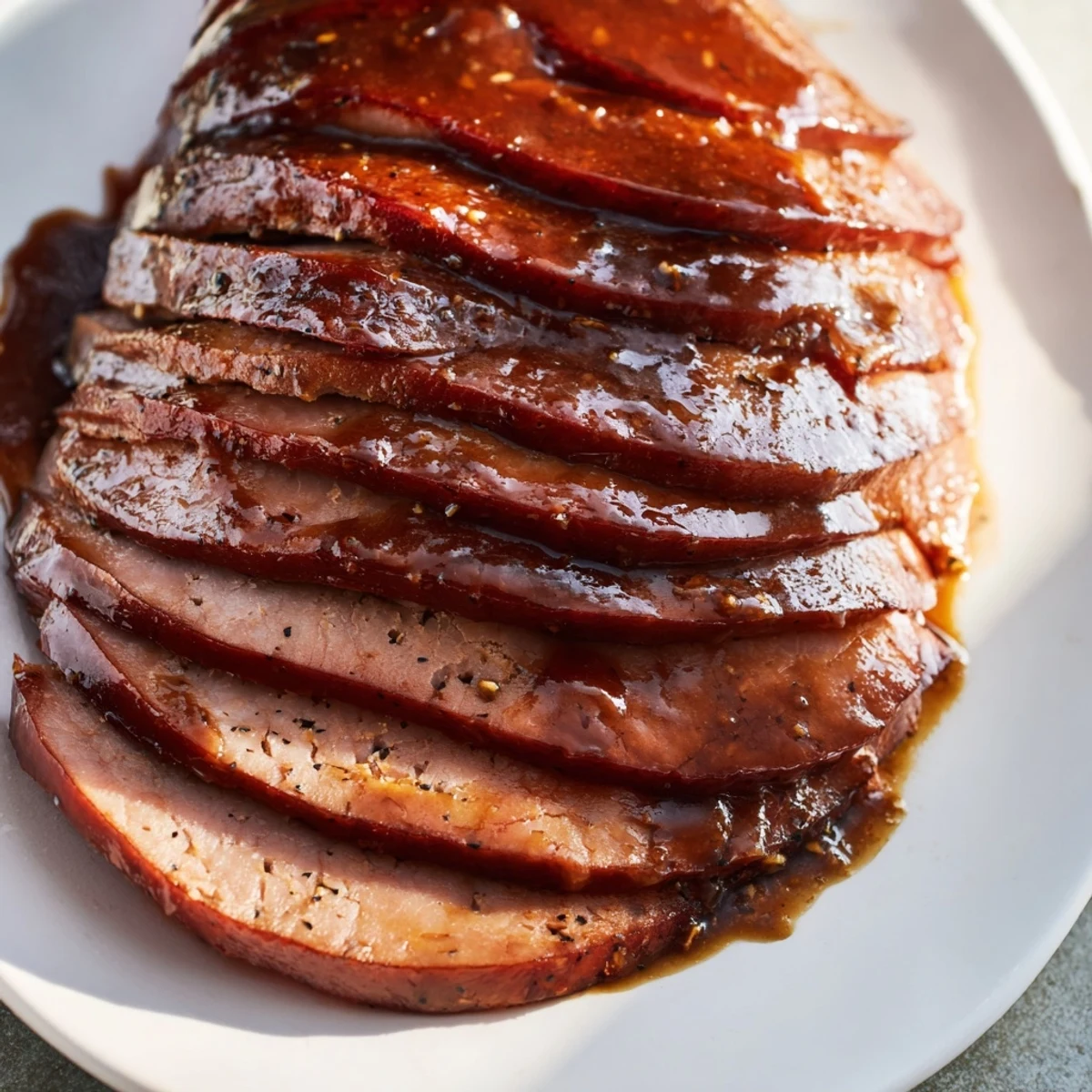
 This flavorful plant-based option uses vital wheat gluten, chickpeas, and a blend of spices to create a savory centerpiece. Simmered gently and glazed with a sticky mixture of brown sugar, maple syrup, and Dijon mustard, it boasts rich layers of sweet and smoky flavor. Ideal for festive meals or hearty dinners, it pairs beautifully with roasted vegetables and wine. Preparation involves kneading a gluten-based dough, slow simmering in vegetable stock with aromatic herbs, and finishing with a caramelized glaze in the oven for a tender, moist result.
I pulled this roast out of the oven on a rainy November evening, and the whole kitchen smelled like a holiday I hadn't yet planned. The glaze had caramelized into something glossy and dark, and I stood there with a pastry brush in one hand, wondering if I'd just made something worth repeating. Turns out, I had.
The first time I served this, I didn't tell anyone it was vegan until after they'd gone back for seconds. My brother-in-law, who usually avoids anything without meat, asked for the recipe. That's when I knew it wasn't just good for a plant-based dish, it was just good.
Ingredients
- Vital wheat gluten: This is what gives the roast its chewy, meaty texture, don't skip the kneading or it won't hold together properly.
- Canned chickpeas: Mash them well so they blend into the dough and add moisture without leaving lumps.
- Nutritional yeast: It brings a savory, almost cheesy depth that makes the roast taste richer than it is.
- Olive oil: Keeps the dough from drying out and helps it brown beautifully in the oven.
- Tomato paste: Adds a subtle umami and a touch of color to the roast base.
- Soy sauce: Use it in both the roast and the glaze for that salty, savory backbone.
- Smoked paprika: This is where the roast gets its warmth and a hint of smokiness.
- Onion powder and garlic powder: They season the dough evenly without leaving chunks of raw allium.
- Ground white pepper: It's milder than black and keeps the inside looking clean and light.
- Dried thyme: A little herbaceous note that reminds you this is meant to be festive.
- Vegetable stock: Use a good one, it flavors the roast from the inside out during simmering.
- Bay leaves and onion: They infuse the simmering liquid with a gentle, aromatic base.
- Brown sugar: The glaze wouldn't be sticky and sweet without it, don't swap for white.
- Maple syrup: It adds a smooth sweetness that clings to the roast better than honey would.
- Dijon mustard: The sharpness cuts through the sugar and keeps the glaze from being one-note.
- Apple cider vinegar: A little tang that wakes up the whole glaze and balances the sweetness.
- Ground cloves: Just a pinch, it smells like winter and tastes like tradition.
Instructions
- Preheat and prep:
- Turn your oven to 180°C and get your baking tray ready. This is the calm before the kneading starts.
- Mix the dry base:
- Combine the vital wheat gluten, mashed chickpeas, nutritional yeast, and all the spices in a large bowl. It should look like a fragrant, sandy mixture.
- Blend the wet ingredients:
- Whisk together the olive oil, tomato paste, soy sauce, and 350 ml of stock until smooth. Pour it into the dry mix and stir until a shaggy dough forms, then knead for 3 to 5 minutes until it feels springy and alive.
- Shape and wrap:
- Form the dough into a thick log, like you're shaping a loaf of bread. Wrap it tightly in foil or parchment so it holds its shape while it simmers.
- Simmer the roast:
- Bring 1.5 L of stock to a gentle simmer with the bay leaves and quartered onion, then lower the wrapped roast into the pot. Cover and let it cook for 1 hour, flipping it halfway through so it cooks evenly.
- Make the glaze:
- While the roast bubbles away, combine the brown sugar, maple syrup, Dijon, vinegar, soy sauce, and cloves in a small saucepan. Simmer for 3 to 4 minutes until it thickens slightly and smells like a holiday market.
- Unwrap and glaze:
- Take the roast out of the stock, unwrap it carefully, and place it on a lined baking tray. Brush it generously with glaze, letting it soak in before you put it in the oven.
- Roast until golden:
- Bake for 20 minutes, brushing with more glaze halfway through. The outside should turn glossy and caramelized, with edges that catch the heat and darken just a bit.
- Rest and slice:
- Let it sit for 10 minutes before slicing so the inside stays tender and doesn't fall apart. Serve it warm with extra glaze drizzled over the top.
 Save to Pinterest
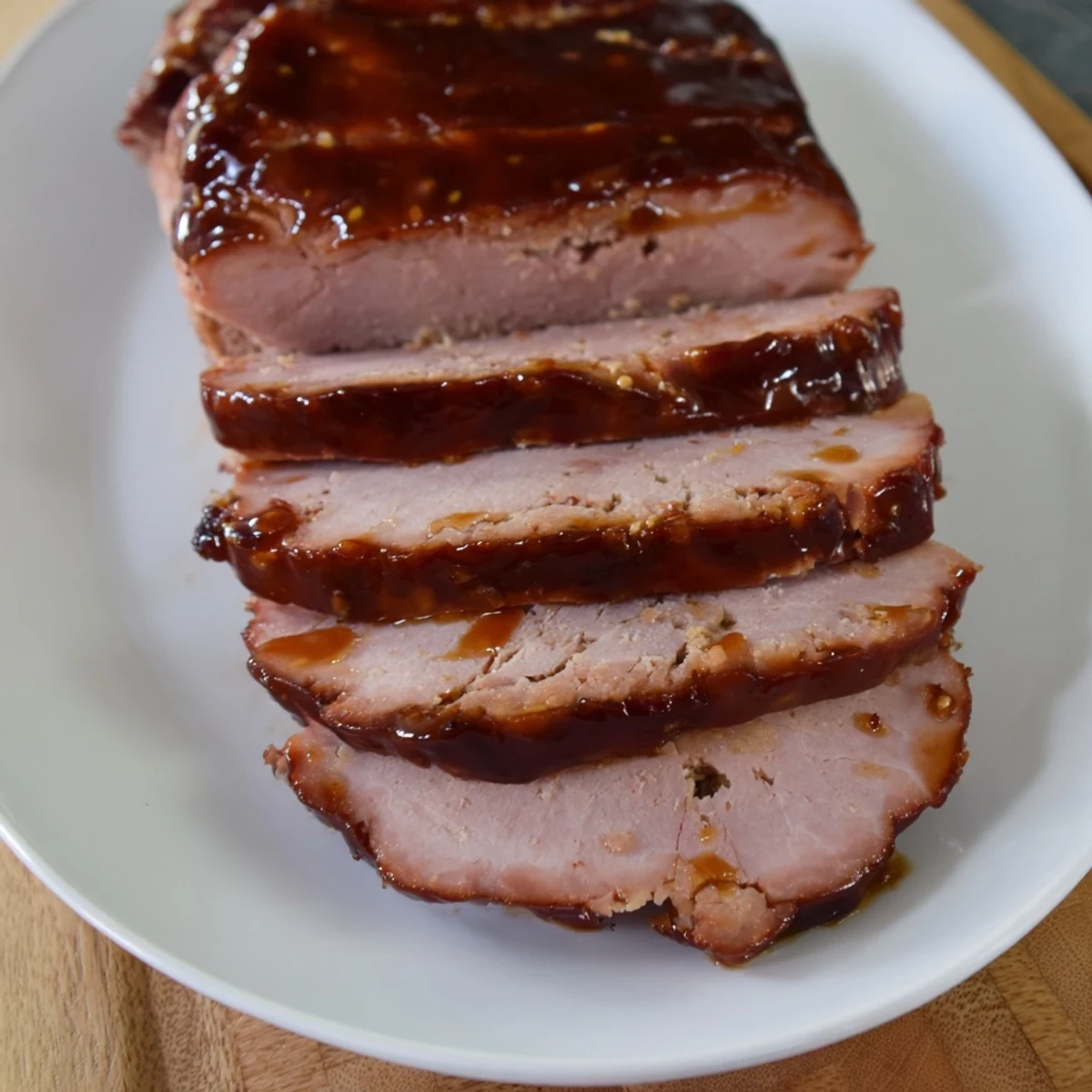
 I made this for a small dinner party last December, and someone asked if I'd ordered it from a deli. I didn't, but I let them think I was that organized. It sat in the middle of the table like it belonged there, and for once, no one missed the meat.
How to Store and Reheat
Wrap leftovers tightly in foil and keep them in the fridge for up to four days. Reheat slices in a covered dish at 160°C for about 15 minutes, or warm them gently in a pan with a splash of stock to keep them from drying out. The glaze will firm up in the fridge, so brush on a little extra when you reheat if you want that sticky finish again.
What to Serve Alongside
I usually make roasted potatoes with rosemary and garlic, and some steamed green beans or Brussels sprouts that have been tossed in a bit of vegan butter. A sharp fruity salad with cranberries and walnuts cuts through the richness nicely, and if you're feeling fancy, a glass of red wine with some fruit notes ties the whole meal together.
Swaps and Adjustments
If you can't do gluten, this won't work as written, but you can try a bean and nut roast base instead, just know the texture will be softer. A dash of liquid smoke in the dough adds another layer of depth if you want it smokier. You can also swap the maple syrup for agave or date syrup, though the flavor will shift slightly.
- Use tamari instead of soy sauce if you need it to be gluten-free in the glaze.
- Try adding a teaspoon of miso paste to the dough for extra umami.
- Brush the roast with a little aquafaba before glazing if you want it extra glossy.
 Save to Pinterest
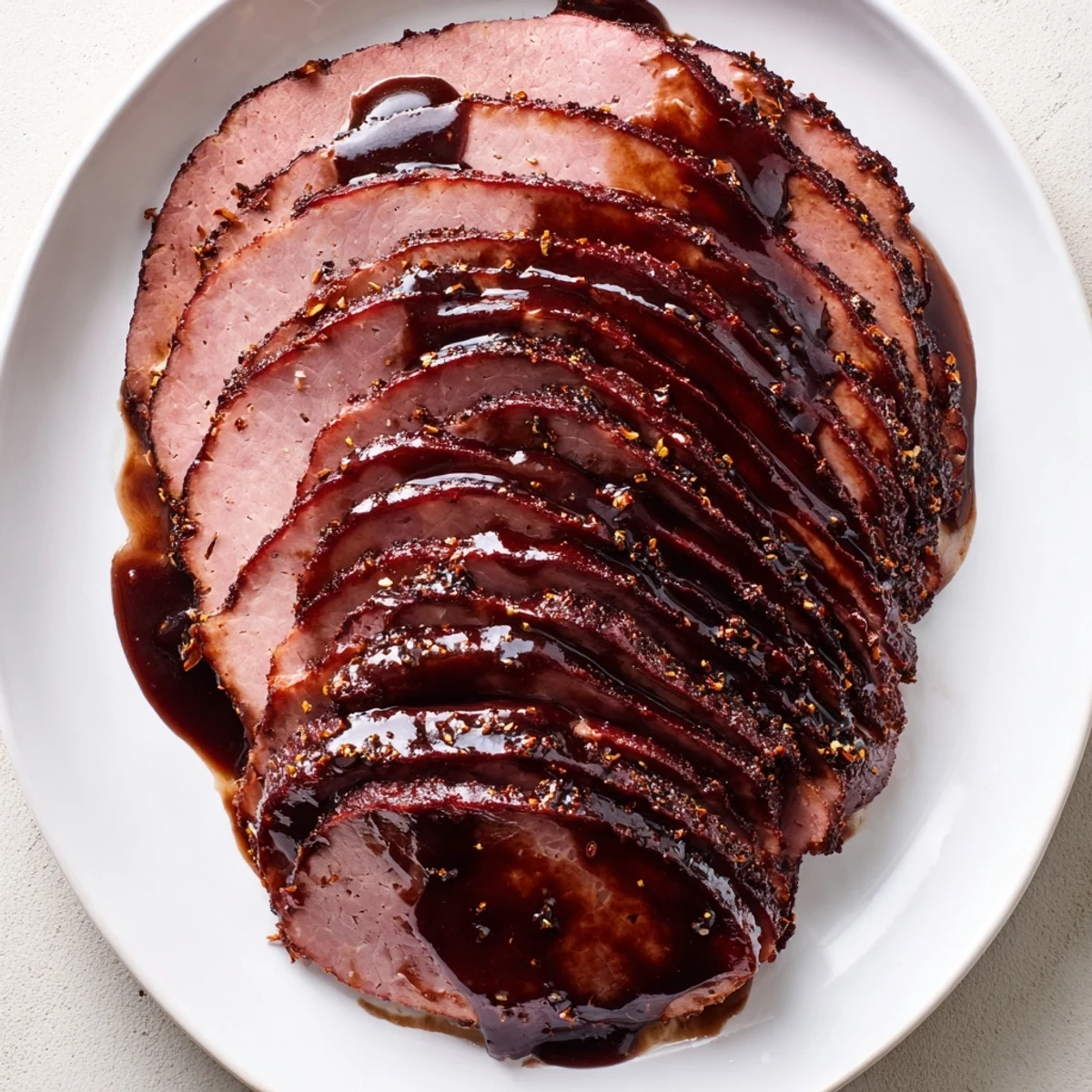
 This roast doesn't pretend to be something it's not, and that's why it works. It's hearty, a little sweet, and worth the wait.
Recipe Questions & Answers
- → What ingredients create the glaze's distinctive flavor?
-
The glaze combines brown sugar, maple syrup, Dijon mustard, apple cider vinegar, soy sauce, and ground cloves, providing a balance of sweetness, tang, and spice.
- → How is the plant-based roast cooked for best texture?
-
After shaping and wrapping the dough, it is slow-simmered in vegetable stock with bay leaves and onion, then finished in the oven with the glaze to develop a tender yet firm texture.
- → Can this dish accommodate gluten-free diets?
-
Yes, substituting vital wheat gluten with a gluten-free mix like beans, nuts, and oats adapts the dish for gluten-free needs.
- → What side dishes complement this main course well?
-
Roasted potatoes, steamed green beans, and fruity red wines pair exceptionally, enhancing the rich and savory notes of the roast.
- → Are there any allergens to be aware of in this dish?
-
This dish contains wheat (gluten), soy, and mustard, so those with sensitivities should check ingredient labels carefully.