
 Save to Pinterest
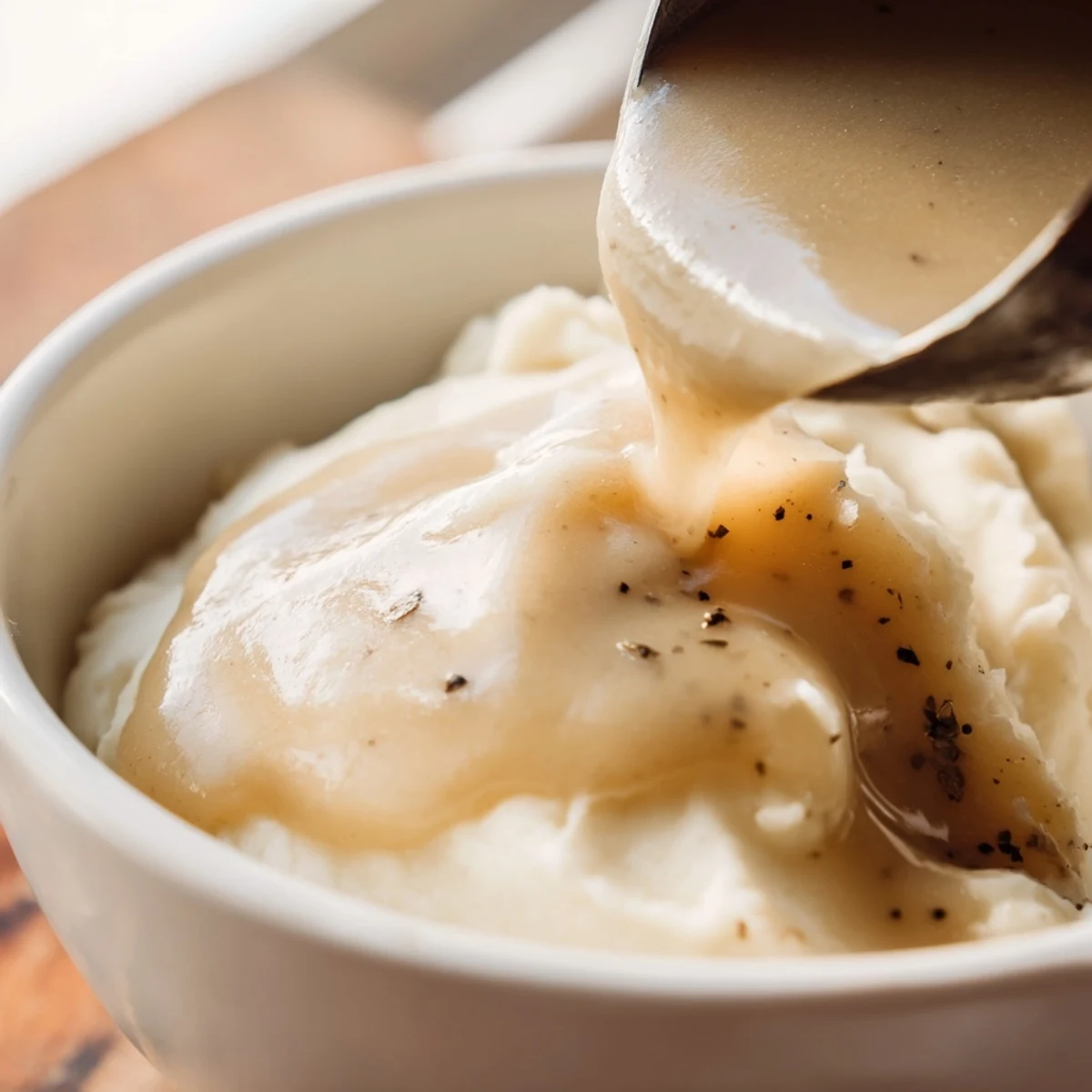
 Master the art of creating velvety smooth gravy using a classic roux method. This versatile sauce comes together in just 20 minutes, using butter and flour to create a rich base that's gradually whisked with warm stock. The result is a luscious, pourable condiment that elevates everything from Sunday roasts to holiday feasts. Customize with herbs like thyme or sage, add cream for extra richness, or incorporate pan drippings for deeper flavor.
There's something almost meditative about standing at the stove, whisking in rhythm as bubbles slowly form and that floury smell transforms into something nutty and promising. My grandmother never measured anything for gravy, but she taught me that the real secret isn't in the recipe at all. It's in the patience you need to let the roux cook properly and the confidence to keep whisking when it looks like something's gone wrong. Those Sunday afternoons watching her work a whisk through pan drippings taught me more than any cookbook could.
Last Thanksgiving, my sister called me in a panic because her gravy had turned into a lumpy mess. I talked her through straining it and starting fresh with a little more roux, and somehow that moment on the phone became one of our favorite holiday memories. Now we laugh about it every year while we take turns whisking the gravy together, careful not to repeat her mistake but secretly grateful for the bonding moment it created.
Ingredients
- Unsalted butter: Using unsalted butter gives you complete control over the final seasoning, though pan drippings from a roast add incredible depth if you have them
- All-purpose flour: This creates the roux base that thickens your gravy, and cooking it fully eliminates any raw flour taste while developing a subtle nutty flavor
- Low-sodium chicken stock: Starting with low-sodium stock prevents your gravy from becoming overly salty since you'll be seasoning it anyway
- Kosher salt: The coarse grains are easier to pinch and control, allowing you to season gradually until it tastes exactly right to you
- Freshly ground black pepper: Whole peppercorns ground fresh release aromatic oils that pre-ground pepper simply can't match
- Dried thyme or sage: These herbs bridge the gap between comfort food and something special, echoing traditional holiday flavors
Instructions
- Melt your base:
- Place the butter in a medium saucepan over medium heat, letting it melt completely and foam slightly before it settles down
- Create the roux:
- Whisk the flour into the melted butter, stirring constantly for 2 to 3 minutes until the mixture turns golden and smells wonderfully nutty
- Add the liquid:
- Pour in the stock gradually, whisking continuously as you add it to keep the mixture smooth and prevent any lumps from forming
- Simmer to thicken:
- Bring everything to a gentle bubble and let it cook for about 10 minutes, whisking frequently until it coats the back of a spoon
- Season perfectly:
- Taste your gravy and add salt, pepper, and herbs gradually, remembering that flavors intensify slightly as it continues to cook
- Finish with silkiness:
- For the smoothest texture, pour the gravy through a fine-mesh sieve into a clean serving vessel, pressing on any solids to extract all the flavor
 Save to Pinterest
 The first time I made gravy entirely on my own, I stood there convinced I'd ruined it when the mixture seized up into what looked like a dough ball. A quick phone call to my mom revealed I hadn't added enough liquid yet, and suddenly everything made sense. Now I love that moment of transformation when the stock hits the roux and it instantly becomes something silky and promising.
Making It Your Own
Once you master the basic technique, you'll start seeing possibilities everywhere. A splash of cream transforms it into something velvety and luxurious, while a touch of soy sauce adds an unexpected depth that makes people ask what your secret is. I've even stirred in a little Dijon mustard when serving with beef, and the slight tang cuts through the richness perfectly.
Timing Everything Right
Gravy waits for no one, and there's nothing sadder than a beautiful sauce that's formed a skin on top. I make mine in the final fifteen minutes before serving, keeping it warm over the lowest possible heat. If you need to hold it longer, press a piece of plastic wrap directly onto the surface to prevent that unappetizing skin from forming.
Troubleshooting Like A Pro
Even experienced cooks run into gravy problems sometimes. If yours turns out too thin, make a slurry by whisking equal parts flour and cold water, then stir it in and simmer for a few more minutes. Too thick? Just whisk in a bit more warm stock or water until it reaches the perfect consistency.
- Always taste your gravy before serving it, as some stocks are saltier than others
- If lumps do appear, a quick spin with an immersion blender saves the day beautifully
- Remember that gravy continues to thicken as it stands off the heat
 Save to Pinterest
 There's a quiet confidence that comes from mastering homemade gravy, and it's one of those kitchen skills that instantly makes any meal feel more special. Grab your whisk and find your rhythm.
Recipe Questions & Answers
- → How do I prevent lumps in my gravy?
-
Whisk the flour into melted butter thoroughly to create a smooth roux before adding any liquid. When pouring in the stock, add it gradually while whisking continuously. This ensures the liquid incorporates evenly without forming clumps.
- → Can I make gravy ahead of time?
-
Yes, prepare the gravy up to 2 days in advance and refrigerate. Reheat gently over low heat, whisking in a splash of warm milk or stock to restore the original consistency. Avoid boiling as this can cause separation.
- → What's the best way to thicken gravy that's too thin?
-
Create a slurry by mixing equal parts softened butter and flour, then whisk small amounts into the simmering gravy. Alternatively, continue cooking over medium-low heat to reduce and concentrate naturally. Avoid adding dry flour directly as this creates lumps.
- → How can I add more depth to the flavor?
-
Use pan drippings from roasted meat instead of plain butter. Sauté minced shallots or garlic in the butter before adding flour. A splash of soy sauce enhances umami, while a touch of Worcestershire sauce adds savory complexity.
- → Is this suitable for gluten-free diets?
-
Substitute all-purpose flour with a certified gluten-free flour blend or cornstarch. When using cornstarch, mix with cold stock before adding to the hot roux. The texture will remain silky smooth while accommodating dietary restrictions.
- → What stocks work best for homemade gravy?
-
Low-sodium chicken or beef stock provides the most versatile base. Vegetable stock works perfectly for vegetarian versions. For special occasions, turkey or ham stock creates exceptional flavor when serving those specific roasted meats.