
 Save to Pinterest
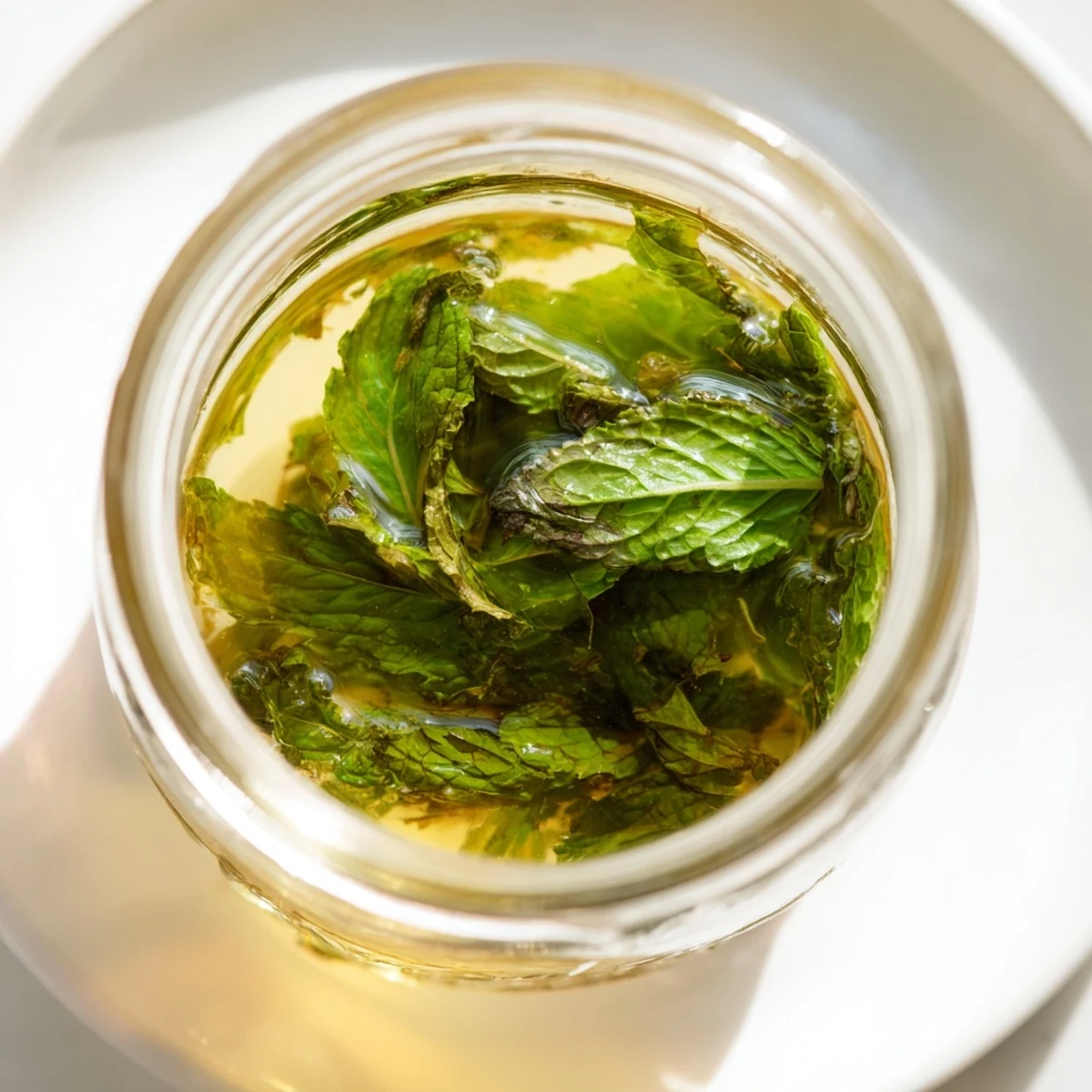
 This preparation involves bruising fresh peppermint leaves and submerging them in a neutral oil such as grapeseed or sunflower. Over 5–7 days, the leaves infuse, imparting a bright, fresh mint flavor ideal for enhancing desserts, teas, and dressings. Straining ensures a smooth, fragrant oil ready for refrigeration and use within two months. The process is straightforward, requiring minimal equipment and providing a natural way to incorporate peppermint essence into various dishes.
Discovering how to make my own peppermint oil at home was a small kitchen adventure that transformed the way I flavor desserts and drinks. The fresh aroma brings back memories of warm afternoons spent experimenting with herbs and oils.
I vividly recall the moment unexpected guests arrived, and I dashed to the kitchen with homemade peppermint oil to add a fresh twist to the desserts—instantly elevating the whole evening.
Ingredients
- Fresh Peppermint Leaves: I always choose bright, green leaves picked the same day for maximum fragrance and flavor
- Neutral Oil: Grapeseed or sunflower oil works best because it doesn't overpower the peppermint; avoid olive oil that can impart a strong taste
Instructions
- Get Everything Ready:
- Gather fresh peppermint leaves and your neutral oil. Make sure the leaves are washed gently and dried completely to avoid any water spoiling your infusion.
- Bruise the Leaves:
- Use a rolling pin or mortar and pestle to gently bruise the leaves until fragrant scents begin to escape; this step wakes up the oils locked inside.
- Infuse the Oil:
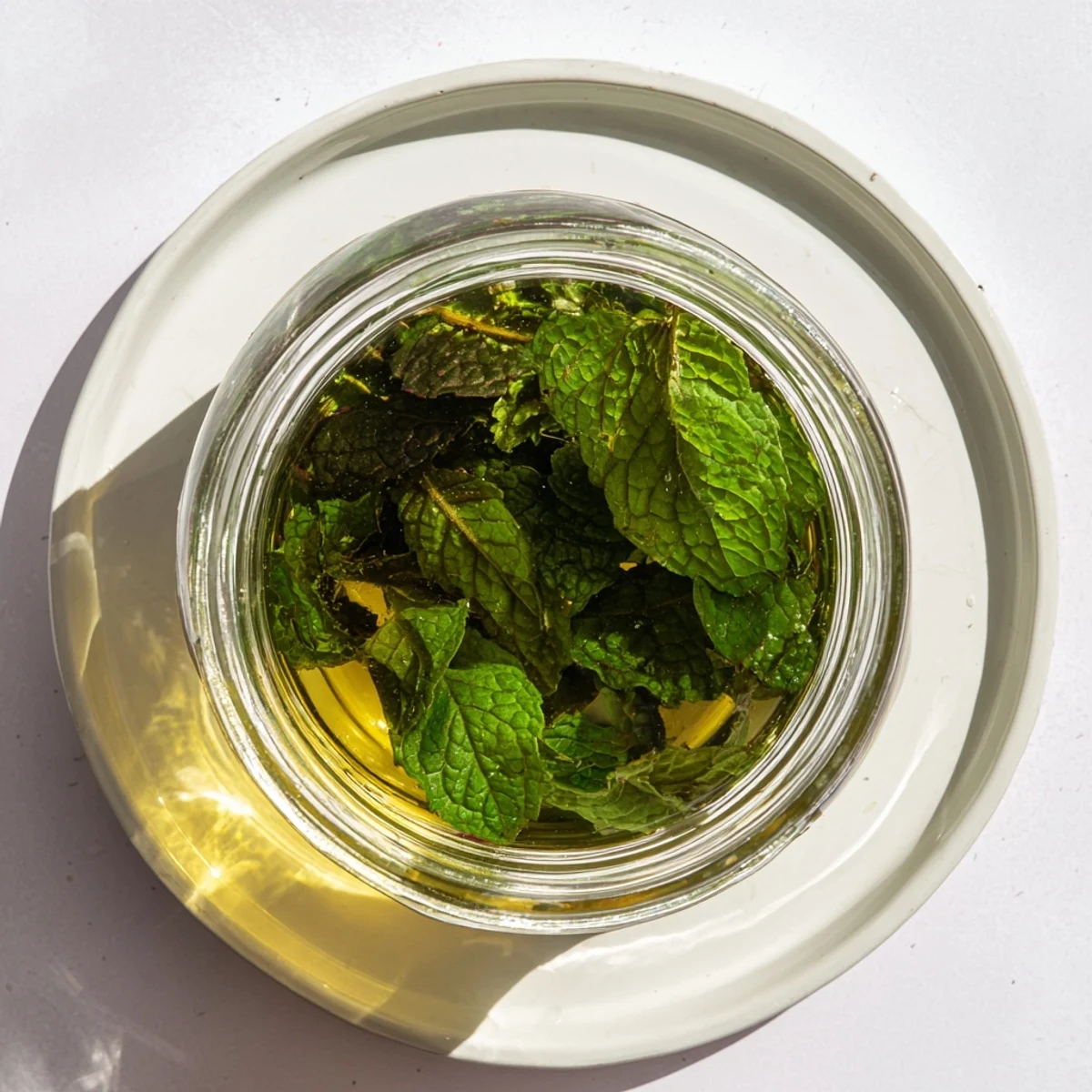
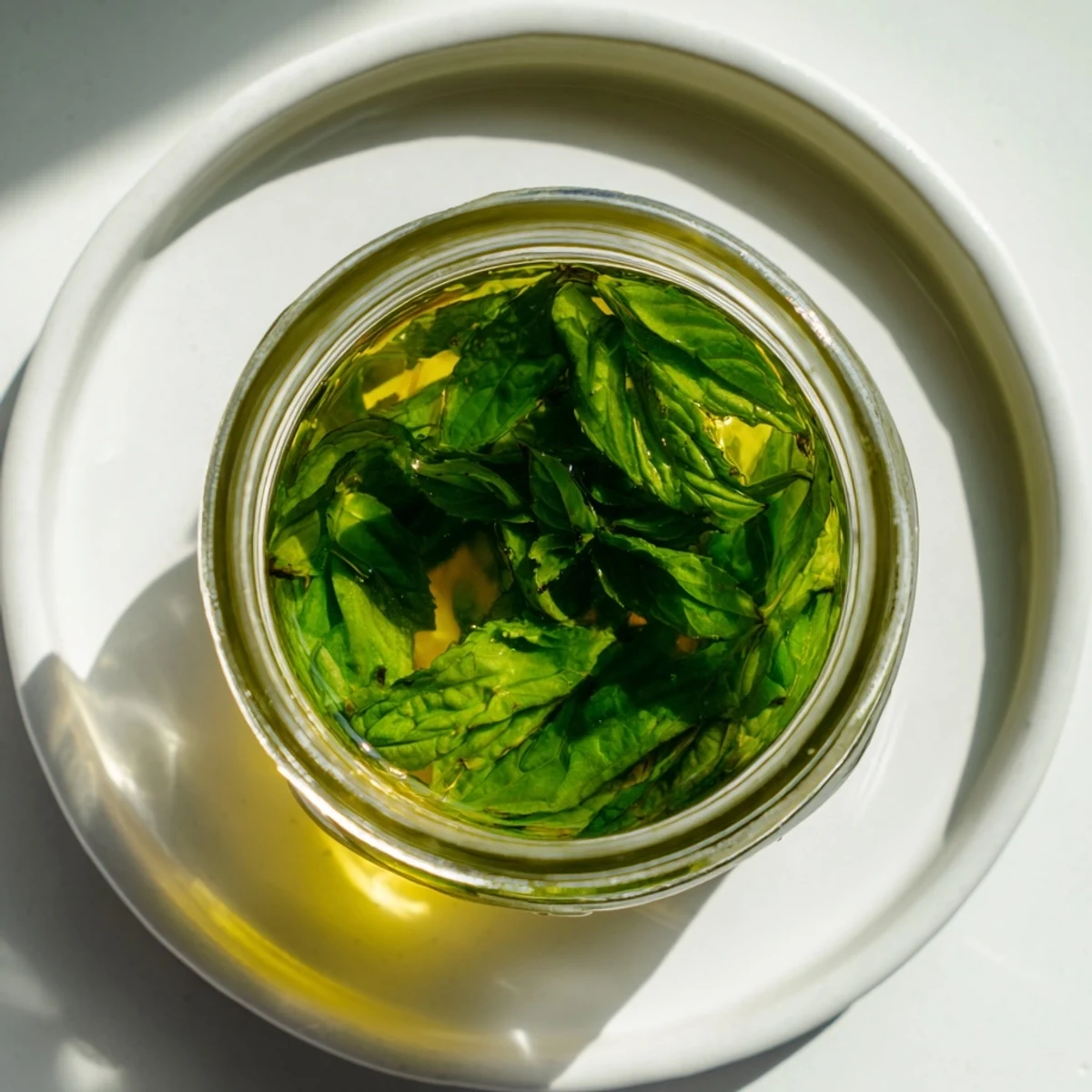
- Place the bruised leaves into a clean glass jar and pour the neutral oil to fully cover them. Seal tightly and store in a cool, dark place; shake gently once daily to mingle the flavors.
- Strain and Store:
- After 5 to 7 days, strain the oil through a fine mesh sieve or cheesecloth into a sterilized bottle. Discard the leaves and keep your peppermint oil refrigerated for freshness.
 Save to Pinterest
 This oil quickly became more than an ingredient—it's a comforting ritual, a little bottle of freshness that reminds me of sunny kitchen days and the joy of homemade touches.
Keeping It Fresh
To maintain the vibrant flavor of your peppermint oil, always store it in a tightly sealed glass bottle in the refrigerator. Using sterilized containers helps extend its shelf life up to two months.
When You're Missing Something
If you find your peppermint oil isn't as strong as you'd like, don't hesitate to repeat the infusion process. Fresh leaves added to your strained oil awaken the flavor without compromising quality.
Serving Ideas That Clicked
I love swirling a drop of this oil into teas, dessert glazes, or even salad dressings for unexpected freshness.
- Always start with just a drop or two to avoid overpowering your dish
- Try adding it to chocolate sauces for an extra zing
- Remember to label your bottle clearly so friends don't mistake it for essential oil
 Save to Pinterest
 Thanks for stopping by the kitchen for this peppermint oil journey—here's to many fresh and fragrant creations ahead!
Recipe Questions & Answers
- → What type of oil works best for infusion?
-
Neutral oils like grapeseed, sunflower, or light olive oil are ideal, as they don't overpower the peppermint’s delicate flavor.
- → How long should the peppermint leaves infuse?
-
Allow the leaves to steep in oil for 5 to 7 days, shaking the jar gently each day to release the flavors.
- → Can I reuse the peppermint leaves for a stronger flavor?
-
Yes, repeated infusions with fresh leaves and the strained oil intensify the minty aroma and taste.
- → How should the infused oil be stored?
-
Store the strained peppermint oil in a sealed bottle in the refrigerator, where it keeps fresh for up to two months.
- → Is this oil safe for consumption?
-
This infusion uses culinary-grade peppermint leaves and neutral oils, making it safe for flavoring foods and beverages.