
 Save to Pinterest
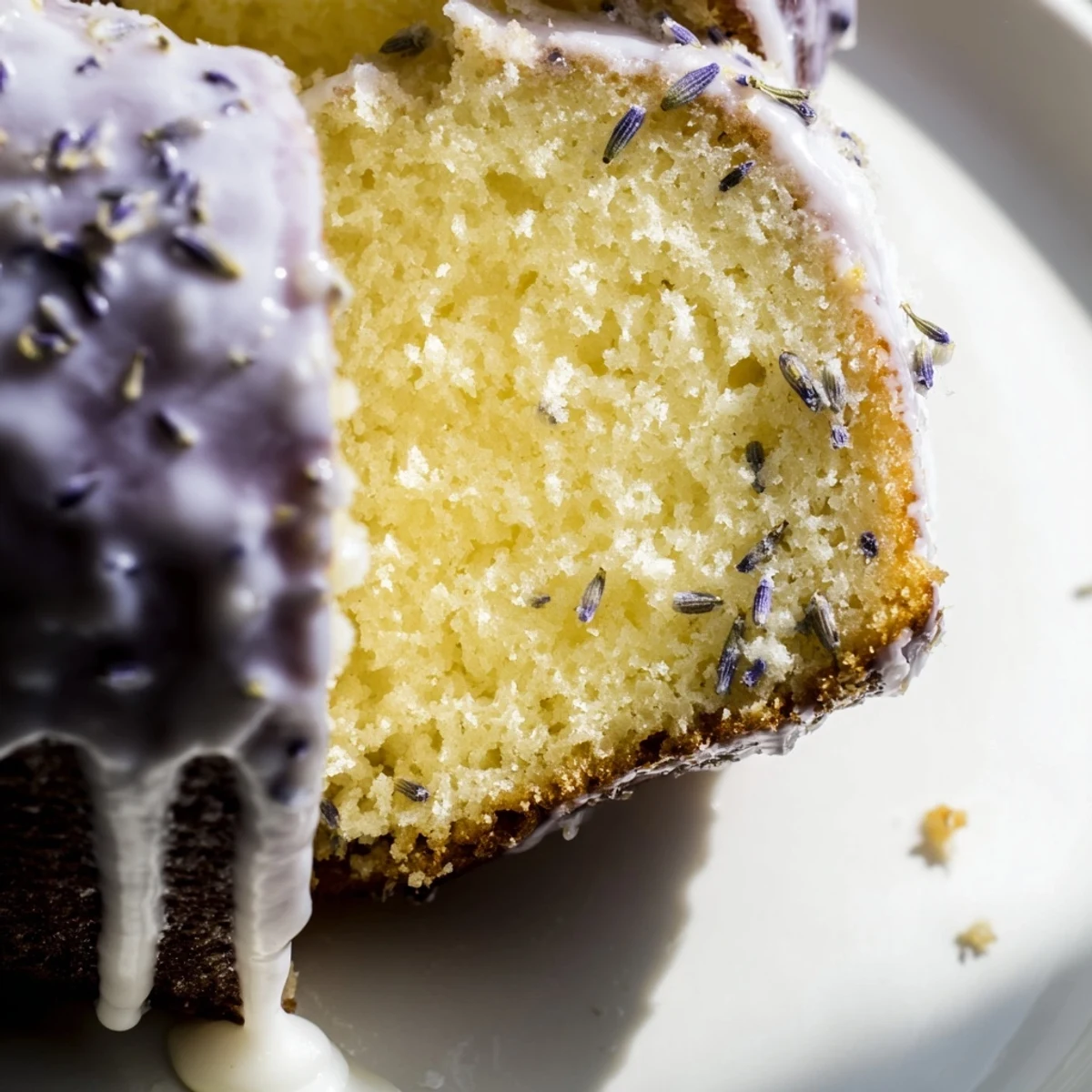
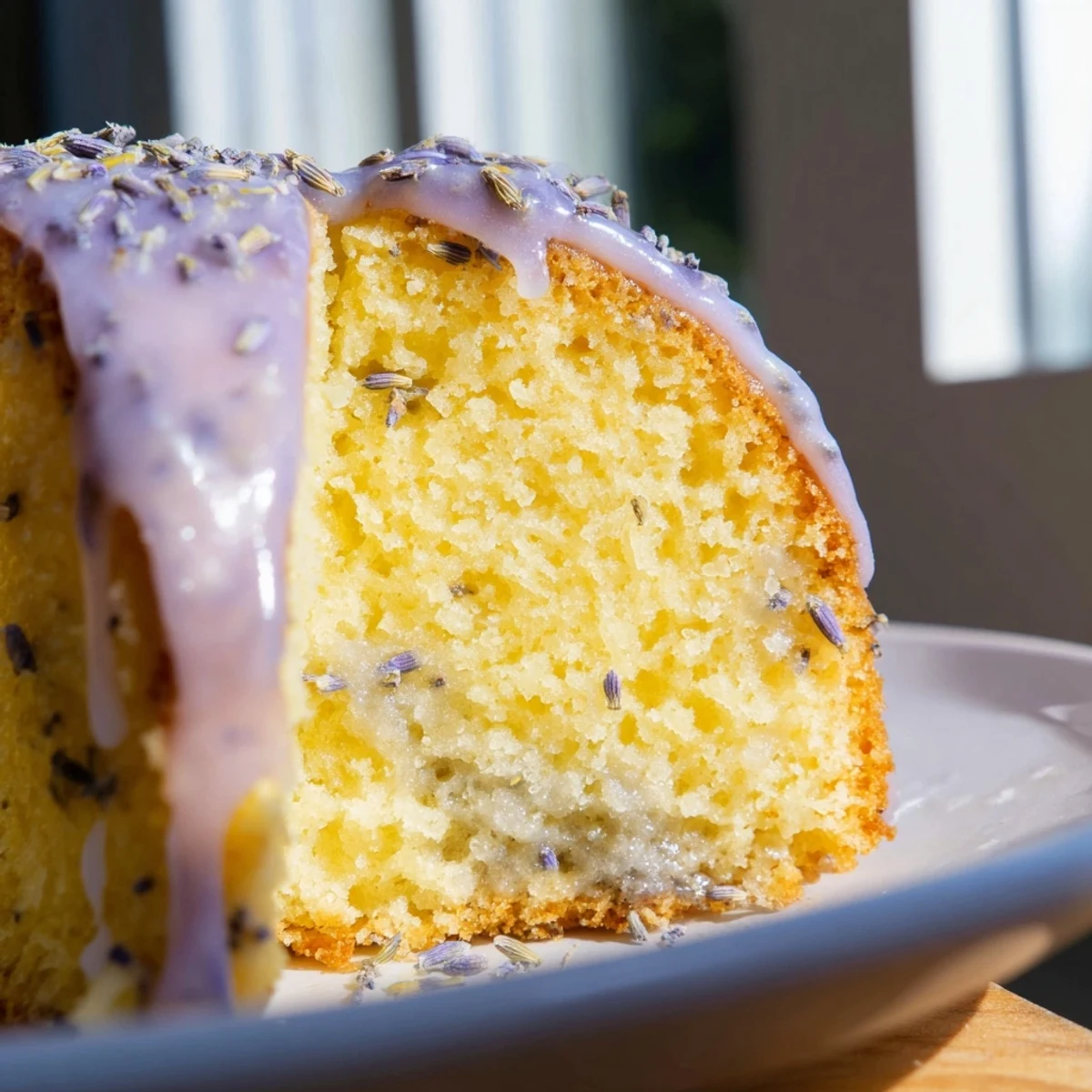
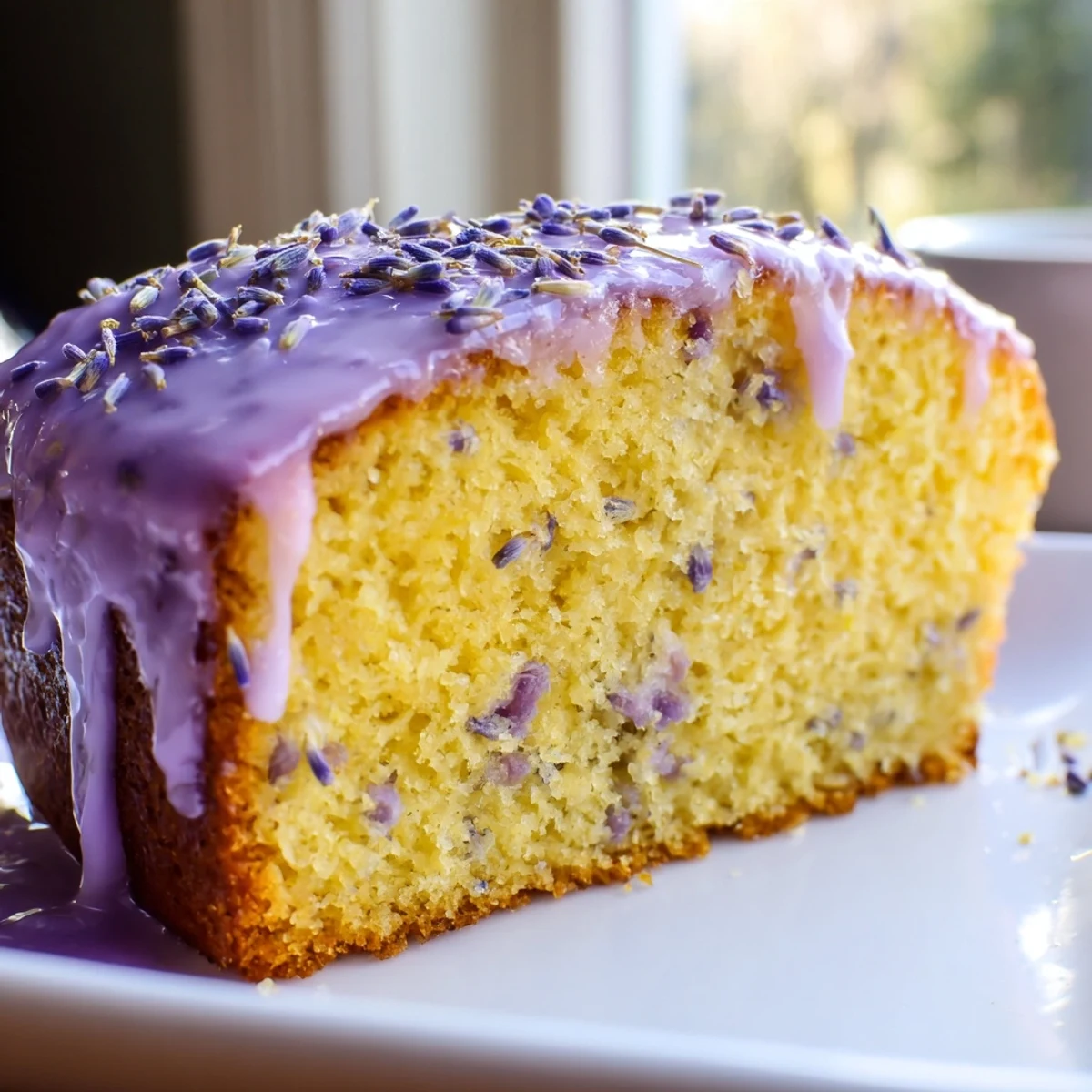
 This tender lavender cake combines the subtle floral notes of culinary lavender with classic vanilla sponge layers. The fragrant buds are finely chopped and folded into a buttery batter, creating a beautifully aromatic dessert. An optional lavender syrup soak adds extra moisture and intensity while the tangy lemon glaze provides a perfect bright contrast to the floral sweetness.
The entire process takes under an hour from start to finish, yielding eight generous servings. The method alternates between dry and wet ingredients to ensure a tender crumb that bakes evenly. You can easily adjust lavender intensity to suit your preference—use half for a gentler flavor or the full amount for a more pronounced floral experience.
Pair with Earl Grey tea for an afternoon treat, or serve with fresh berries for a stunning summer dessert.
The first time I baked with lavender, I accidentally used twice the amount called for and my entire kitchen smelled like a French perfume shop. My husband walked in, took a deep breath, and asked if I was starting a soap business. That cake was overwhelmingly floral, but it taught me everything about respecting this delicate herb. Now I know that lavender wants to whisper, not shout, and when you get the balance right, something magical happens.
Last spring, my neighbor stopped by while I was testing this recipe and stood in my doorway for ten minutes just breathing in the air coming through the screen. She brought over a pot of Earl Grey tea the next day and now we have this unspoken tradition. I bake the cake, she brings the tea, and we sit on the porch doing absolutely nothing while the afternoon drifts by.
Ingredients
- 1½ cups all-purpose flour: The foundation that holds everything together, though bread flour would make it unpleasantly tough
- 1 tsp baking powder: Gives the cake its gentle rise without making it taste metallic or overly chemical
- ¼ tsp salt: Just enough to wake up the flavors and keep the cake from tasting flat
- ½ cup unsalted butter: Use room temperature butter so it actually cream properly with the sugar, cold butter will leave you with a dense disappointing crumb
- 1 cup granulated sugar: Creates that tender crumb structure while providing enough sweetness to balance the lavender
- 2 large eggs: Also bring them to room temperature, they will incorporate much better into your batter
- 2 tbsp culinary lavender buds: Make sure you buy food grade lavender, the stuff from the garden shop may have been treated with things you should not eat
- 1 tsp vanilla extract: Pure vanilla makes a difference here, imitation extract has a weird artificial aftertaste
- ½ cup whole milk: The fat content contributes to the final texture, though low fat will work in a pinch
- ¼ cup water: For the soaking syrup that keeps the cake from drying out
- 2 tbsp granulated sugar: Dissolves beautifully into warm water to create the syrup
- 1 tsp culinary lavender buds: A smaller amount for the syrup since the flavor concentrates as it simmers
- 1 cup powdered sugar: Sift it first or your glaze will have stubborn lumps that refuse to dissolve
- 1½ tbsp fresh lemon juice: The acid cuts through the sweetness and brightens the floral notes
- 1 tsp culinary lavender buds: Finely chopped so they distribute evenly through the glaze instead of clumping together
Instructions
- Get your oven ready:
- Preheat to 350°F and grease an 8 inch round pan with butter, then dust it with flour, tapping out any excess.
- Whisk the dry ingredients:
- Combine flour, baking powder, and salt in a bowl, using a whisk to break up any clumps of baking powder.
- Cream butter and sugar:
- Beat them together until the mixture turns pale and fluffy, about 3 minutes, then add eggs one at a time.
- Add the flowers:
- Mix in the chopped lavender and vanilla until they are evenly distributed throughout the batter.
- Combine everything:
- Alternate adding the flour mixture and milk, starting and ending with flour, and stop mixing as soon as you no longer see dry streaks.
- Bake:
- Pour batter into your prepared pan, smooth the top, and bake for 25 to 30 minutes until a toothpick comes out clean.
- Make the syrup:
- While the cake bakes, simmer water, sugar, and lavender for 3 minutes, then strain out the buds.
- Soak the cake:
- Let the cake cool for 10 minutes, poke holes across the top with a skewer, and gently brush with warm syrup.
- Prepare the glaze:
- Whisk powdered sugar, lemon juice, and chopped lavender until smooth, adding more lemon juice if it is too thick.
- Finish:
- Let the glaze set for about 15 minutes before slicing, otherwise it will slide right off the cake.
 Save to Pinterest
 My grandmother tried this cake once and declared it too fancy for her taste, preferring her plain yellow sponge. But the next week she called me at 7 am asking exactly what kind of purple flowers I had put in that pretty cake because she had been dreaming about it.
Working with Lavender
Culinary lavender can be found at specialty grocery stores or ordered online, and it really is worth seeking out. The buds should be deep purple and smell intensely floral, slightly piney, almost like someone distilled the essence of a herb garden.
The Syrup Step
Skip the syrup and you will still have a perfectly good cake, but include it and suddenly you have something that stays moist for days. The lavender infuses into the warm liquid, creating this subtle perfumed soaking liquid that seeps into every crumb.
Serving Suggestions
This cake wants to be eaten outside, preferably with a warm drink and nowhere else to be. The flavor develops even more if you let it sit overnight, wrapped tightly in plastic wrap.
- Serve slightly warmed, with a pat of butter if you are feeling decadent
- The glaze will continue to soften as it sits, so glaze right before serving for the prettiest presentation
- Leftovers keep beautifully for 3 days at room temperature, though they rarely last that long
 Save to Pinterest
 Every time I make this now, I think about that first overwhelmingly fragrant disaster and how recipes, like people, just need a little balance to find their sweet spot. Happy baking, friends.
Recipe Questions & Answers
- → Can I use dried lavender from my garden?
-
Only use culinary-grade lavender that's grown without pesticides. Regular ornamental lavender may contain chemicals and isn't safe for consumption. Culinary lavender buds are specifically grown and processed for food use.
- → How do I store this cake?
-
Store in an airtight container at room temperature for up to 3 days. The glaze may soften slightly but remains delicious. For longer storage, refrigerate for up to a week, though bring to room temperature before serving for the best texture.
- → Can I make cupcakes instead?
-
Absolutely. Fill cupcake liners two-thirds full and bake for 18-22 minutes at 350°F. The syrup step works beautifully with cupcakes—just brush lightly while warm. You'll get about 18-20 cupcakes from this batter.
- → Is the lavender flavor too strong?
-
The recipe calls for a moderate amount that provides a delicate floral note without being overpowering. If you're sensitive to floral flavors, start with half the lavender. You can always add more to the glaze for an extra aromatic finish.
- → Can I make this gluten-free?
-
Yes, substitute the all-purpose flour with a 1-to-1 gluten-free baking blend. Ensure your baking powder and other ingredients are certified gluten-free. The texture may be slightly denser but still delicious.
- → What if I don't have culinary lavender?
-
You can substitute with lavender extract or lavender-infused honey, though the flavor profile will differ. Use 1 teaspoon of extract or 2 tablespoons of lavender honey in place of the buds in the cake batter.