
 Save to Pinterest
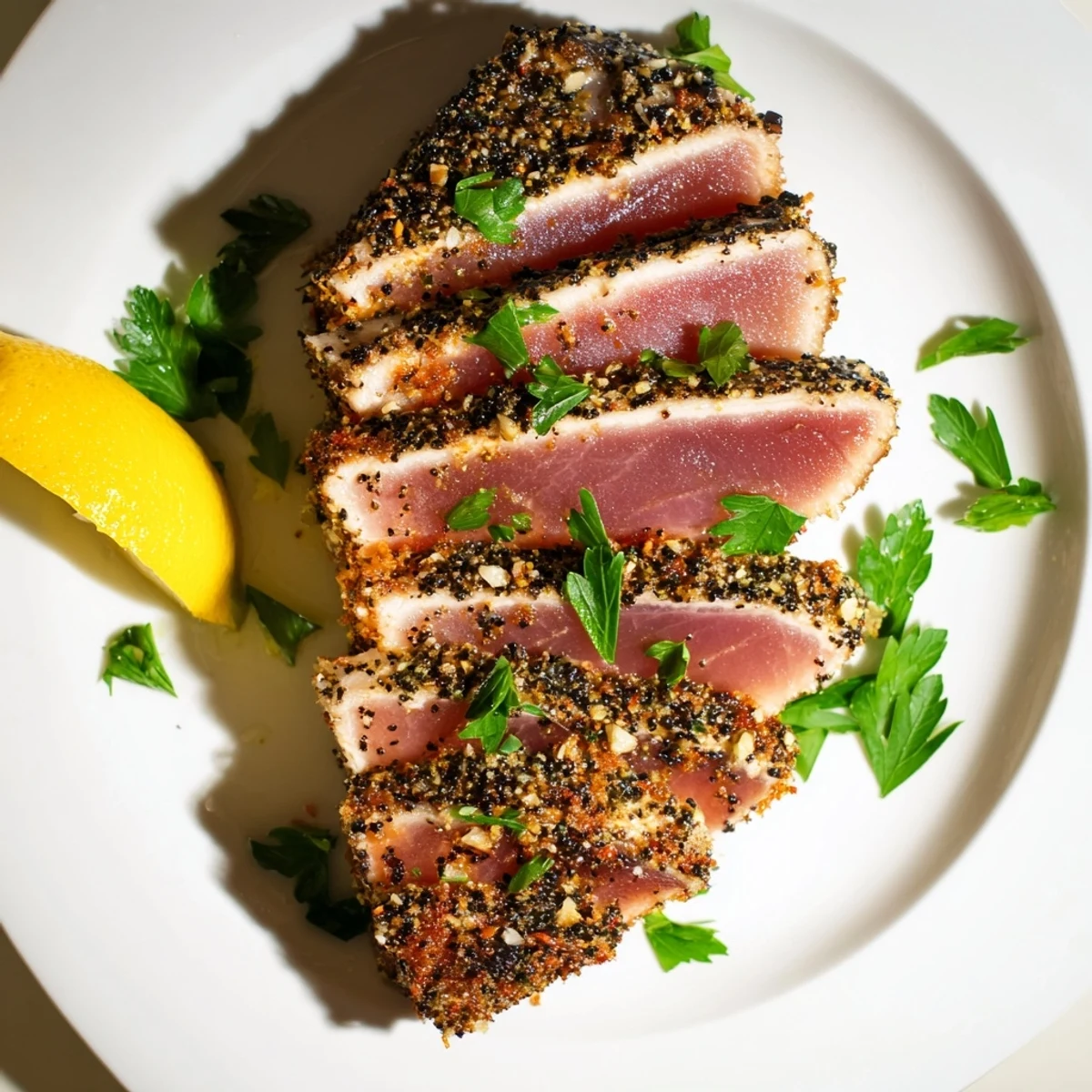
 Enjoy tuna steaks seared quickly to lock in moisture and flavor, creating a crispy exterior with a tender, rare center. The marinade of olive oil, soy sauce, lemon juice, and spices creates a balanced taste that complements the natural fish flavor. Cook in a hot cast iron skillet for best results, searing each side for 1½ to 2 minutes. Allow resting before slicing against the grain to preserve tenderness. Serve with fresh lemon wedges and herbs for a vibrant finish.
I had been ordering seared tuna at restaurants for years before realizing how ridiculously simple it was to make at home. The trick is just high heat and confidence. The first time I tried it, I panicked and flipped it too early, but even that turned out beautifully pink in the center, with a crust that crackled under my fork.
I made this for my sister on a random Tuesday night, and she looked at me like I'd pulled off actual magic. We ate it standing at the counter with chopsticks, dipping each slice into extra soy sauce and laughing about how we should have been doing this all along. It became our unofficial celebration meal after that.
Ingredients
- Tuna steaks: Freshness is everything here. Look for deep red, firm flesh with no fishy smell, and if possible, ask for sushi-grade tuna since you will be eating it rare.
- Olive oil: This helps the crust form and keeps the tuna from sticking to the pan. Brush it on generously.
- Soy sauce: Adds umami and a subtle saltiness that complements the tuna perfectly. Swap for tamari if you need it gluten-free.
- Lemon juice: A little acidity brightens the whole dish and cuts through the richness of the fish.
- Sea salt and black pepper: Coarse salt gives you those nice little bursts of flavor, and freshly cracked pepper adds a gentle heat.
- Garlic powder: Just a whisper of garlic rounds out the seasoning without overpowering the delicate tuna.
- Lemon wedges and herbs: Fresh parsley or chives make it look restaurant-pretty and add a pop of freshness at the end.
Instructions
- Dry the tuna:
- Use paper towels to pat the steaks completely dry. Any moisture will steam the fish instead of searing it, and you will miss out on that gorgeous crust.
- Brush with oil:
- Coat both sides of each steak with olive oil. This creates a barrier and helps the seasoning stick.
- Season generously:
- Mix the soy sauce, lemon juice, salt, pepper, and garlic powder in a small bowl, then rub it all over the tuna. Let it sit for a minute while your pan heats up.
- Heat the skillet:
- Get your cast iron or heavy skillet screaming hot over high heat. You should feel the heat radiating off it when you hold your hand a few inches above the surface.
- Sear quickly:
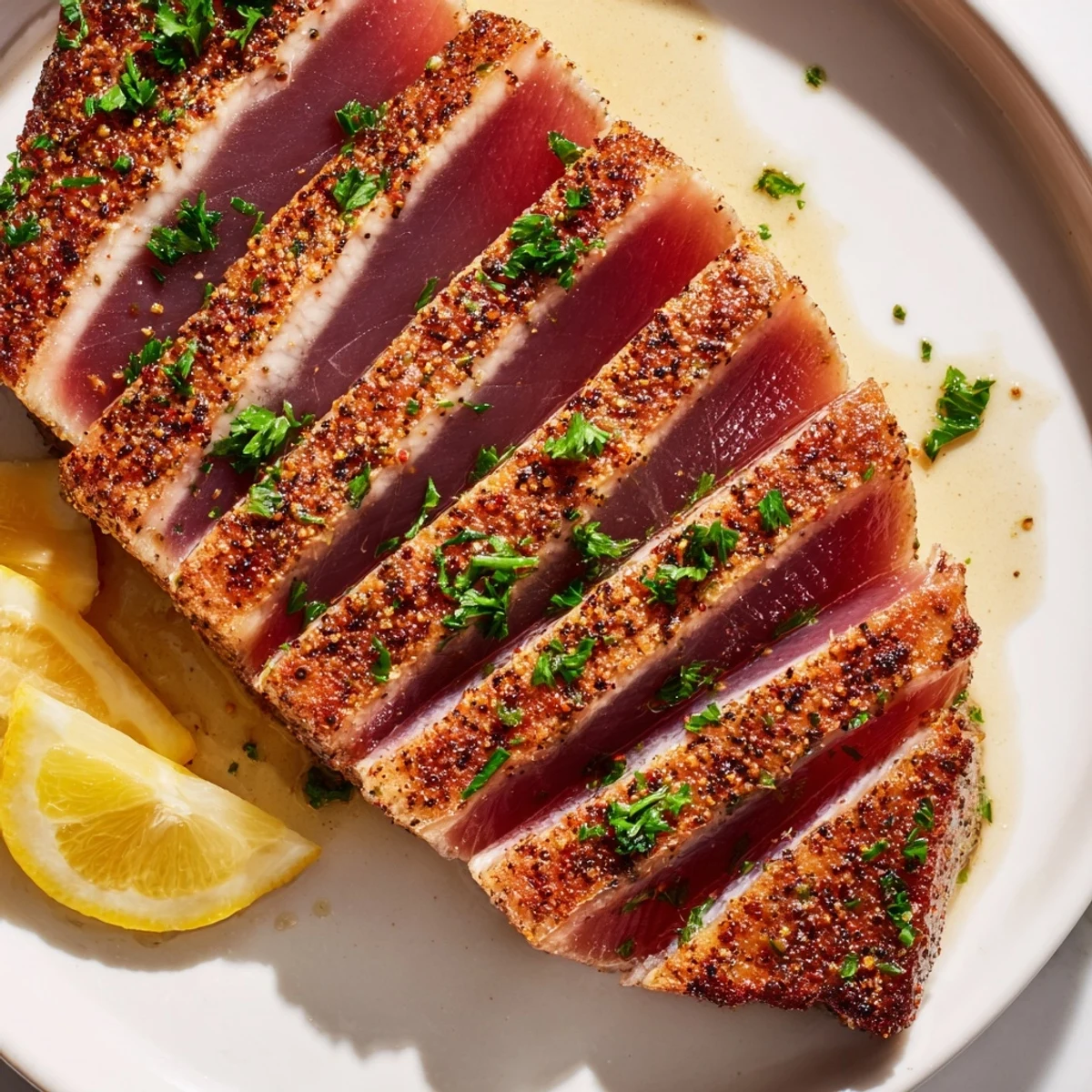
- Lay the tuna steaks in the pan and do not move them. Let them sear for about 1½ to 2 minutes on each side for rare, with a thin golden crust and a cool pink center.
- Rest briefly:
- Pull the tuna off the heat and let it rest for a couple of minutes. This helps the juices redistribute so every bite is tender.
- Slice and serve:
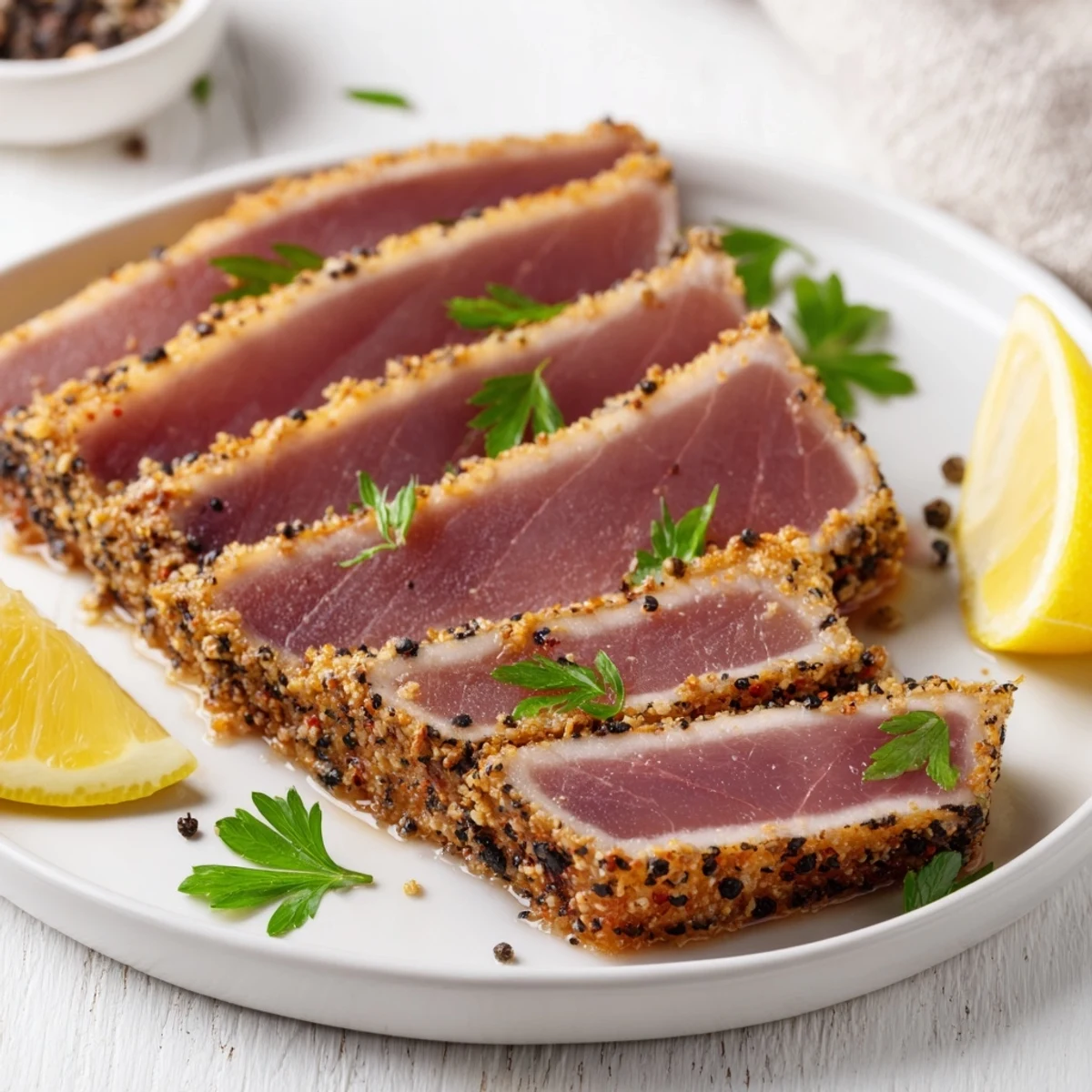
- Use a sharp knife to slice against the grain into thick pieces. Arrange them on a plate with lemon wedges and a sprinkle of fresh herbs if you have them.
 Save to Pinterest
 The first time I served this to friends, I sliced it thin and fanned it out on a white plate with a drizzle of sesame oil and a scatter of sesame seeds. Everyone went quiet for a second, then someone said it tasted like vacation. That is exactly what it feels like to me too, like a little escape in the middle of an ordinary week.
Choosing Your Tuna
Not all tuna is created equal, and since you are eating it rare, quality really matters. I always ask the fishmonger what came in that day and look for steaks that are firm to the touch, with a clean ocean smell. If it smells even slightly off, walk away. Yellowfin and ahi are my go-to varieties, and I have learned that a little extra money spent here is always worth it.
Adjusting the Doneness
Rare is traditional and keeps the tuna buttery and tender, but if you prefer it more cooked, just add another minute per side. I have done medium-rare for people who were nervous about raw fish, and it still turned out moist and flavorful. Just remember that tuna gets tough and dry if you cook it all the way through, so stop before it turns gray in the center.
Serving Suggestions
This pairs beautifully with so many things. I love it over a crisp green salad with ginger dressing, or alongside steamed jasmine rice and sautéed bok choy. Sometimes I will toss together a quick cucumber and avocado salad with rice vinegar and sesame seeds, and that combination feels like a complete meal.
- Drizzle with a little toasted sesame oil and soy sauce right before serving for an extra layer of flavor.
- Add pickled ginger and wasabi on the side if you want to lean into the sushi vibe.
- Serve with roasted asparagus or blistered green beans for a lighter, elegant plate.
 Save to Pinterest
 Once you make this at home, you will wonder why you ever waited. It is fast, it is stunning, and it tastes like you know exactly what you are doing in the kitchen.
Recipe Questions & Answers
- → How do I achieve a crispy crust on tuna steaks?
-
Use a very hot skillet and sear the tuna quickly without moving it. Pat steaks dry before seasoning to ensure proper browning.
- → What is the ideal doneness for tuna steaks?
-
Tuna is best enjoyed rare to medium-rare to maintain its tender texture and mild flavor.
- → Can I substitute soy sauce for a gluten-free option?
-
Yes, tamari is an excellent gluten-free alternative to soy sauce without sacrificing flavor.
- → What sides pair well with seared tuna steaks?
-
Light salads, steamed rice, or sautéed vegetables complement the rich flavor of the seared tuna.
- → How should I slice tuna steaks after cooking?
-
Slice against the grain to ensure the most tender bites and enhance the texture.