
 Save to Pinterest
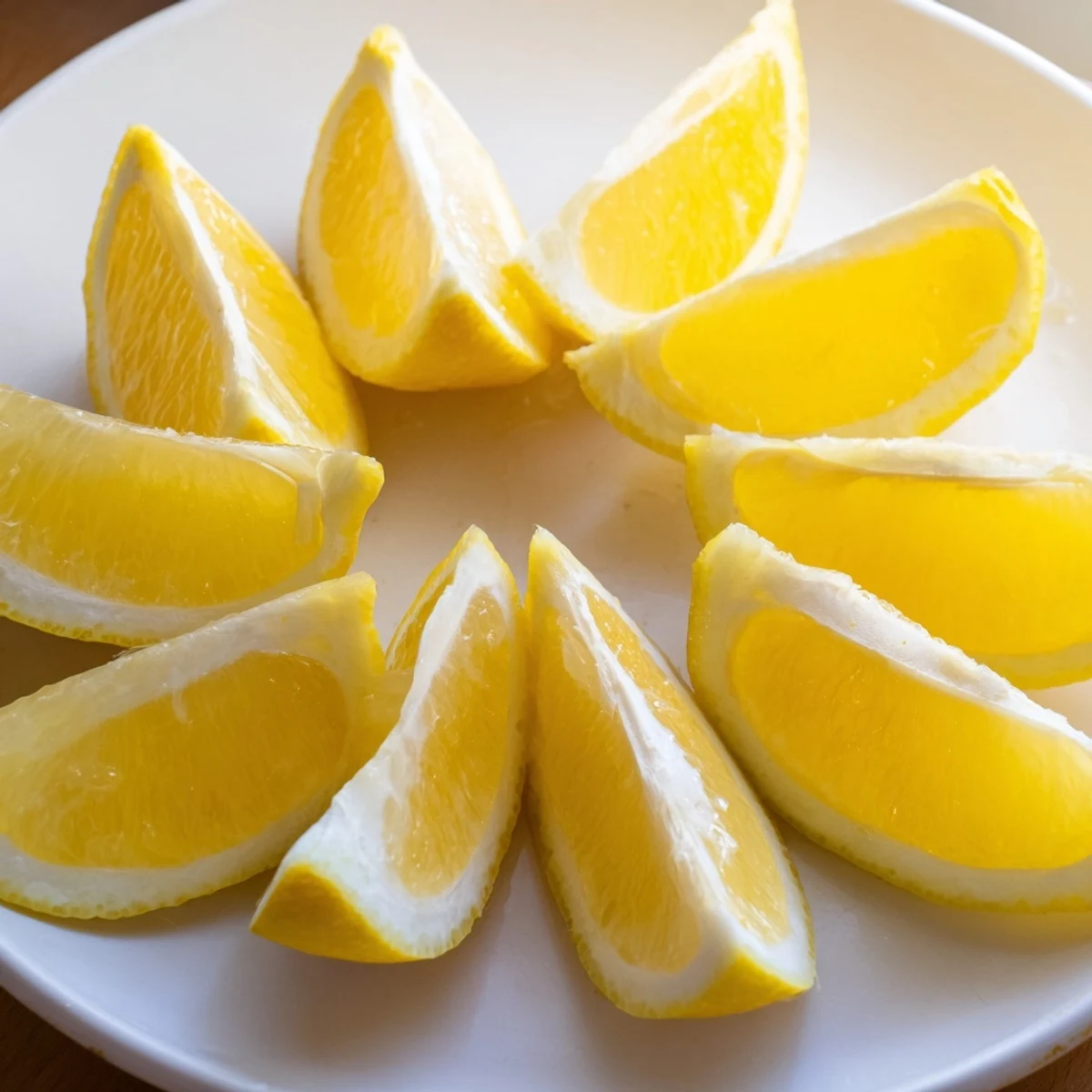
 Preparing lemon wedges is a simple technique that adds bright citrus notes to your dishes and drinks. Begin by trimming the lemon ends, then slicing it lengthwise into quarters. Each quarter is further sliced into two wedges, ensuring even pieces. Removing seeds enhances presentation and ease of use. These wedges instantly elevate seafood, salads, grilled dishes, and beverages with fresh acidity. A small slit on each wedge can improve garnishing options. Store leftovers refrigerated in an airtight container to maintain freshness.
There's something about the smell of a fresh lemon that instantly lifts the mood in my kitchen, especially on those gray afternoons when I'm prepping for dinner. I never thought much about how to cut a lemon properly until I realized that uneven wedges looked messy on a plate, while perfectly uniform ones made everything feel intentional and polished. Since then, I've been almost obsessed with getting those eight wedges exactly right, and it's become such a satisfying little ritual that I actually look forward to it.
I remember my partner watching me slice lemons for a seafood pasta one night, and they asked why I was being so meticulous about the cuts. When they bit into one of those perfect wedges squeezed over their fish, their eyes lit up—it wasn't just the flavor, it was the care that suddenly tasted different. That moment taught me that even the smallest preparations matter when you're cooking for people you care about.
Ingredients
- 1 fresh lemon, washed and dried: Choose a lemon that feels firm and heavy for its size, as these tend to be juicier and more flavorful; drying it thoroughly prevents your cutting board from becoming slippery and messy.
Instructions
- Trim the ends:
- Place your lemon on the cutting board and slice off about a quarter-inch from each end, creating flat surfaces. This gives you stable footing so the lemon won't roll away as you make the next cuts.
- Halve lengthwise:
- Stand the lemon upright on one of those flat ends and cut it straight down the middle, creating two long halves. You'll feel the knife glide through the juice, and that's exactly what you're aiming for.
- Quarter the halves:
- Lay each half cut-side down on your board and slice lengthwise again, creating four quarters from your original lemon. The flat surface keeps everything steady and safe.
- Create the wedges:
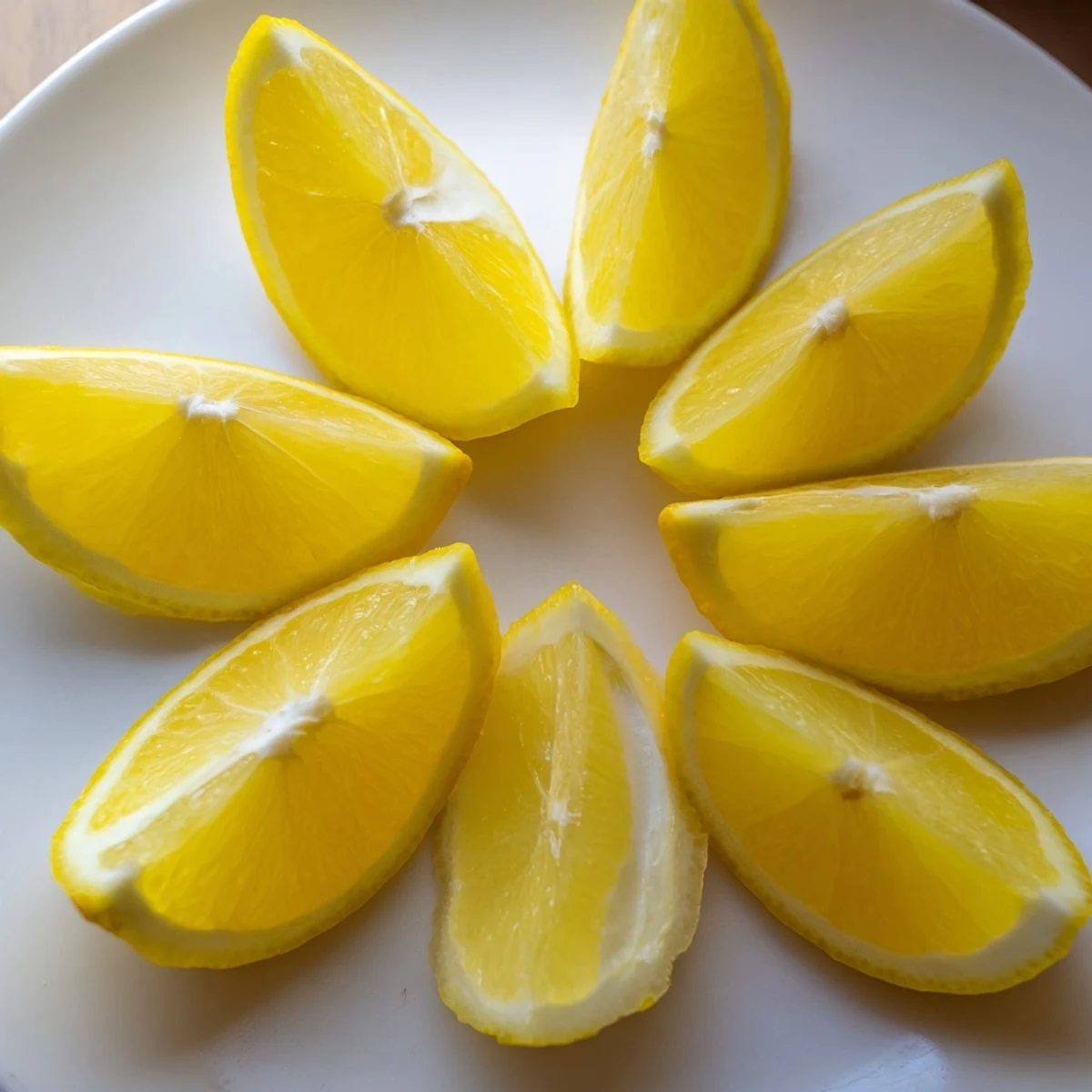
- Slice each quarter in half again lengthwise to yield eight even wedges total. By now your knife should be moving almost automatically, and the rhythm feels satisfying.
- Remove seeds:
- Run the tip of your knife or use your fingers to gently extract any visible seeds from each wedge. A few seeds won't hurt anyone, but removing them makes biting into a wedge feel more refined.
- Finish and store:
- Arrange your wedges on a plate for immediate use, or pat them dry with a paper towel and store them in an airtight container in the refrigerator until you need them. They'll stay fresh for several days.
 Save to Pinterest
 The real magic happened the first time someone took a wedge, squeezed it over a perfectly seared fish fillet, and then actually bit into the wedge itself, enjoying the flesh and that bitter-sweet pith. That's when I realized lemon wedges aren't just garnish—they're a flavor moment, a chance to taste something bright and honest that brings the whole dish into focus.
The Art of the Slit
If you want to go the extra mile, make a small slit from the outer edge toward the center of each wedge, but be careful not to cut all the way through. This little slit lets you hook the wedge onto the rim of a cocktail glass or plate, and it instantly elevates the presentation without adding any real effort.
Where Lemon Wedges Shine
I've learned that different dishes call for lemon at different moments, and the wedge is incredibly versatile. Serve it alongside seafood so people can squeeze as much or as little as they want, toss it into a cocktail for that visual pop and citrus oil in every sip, or scatter wedges around a salad to hint at brightness before anyone takes a bite. Each setting tells a different story.
Small Details That Elevate Everything
What surprised me most about mastering lemon wedges is how much a small, thoughtful detail can make an entire meal feel more intentional. The truth is, beautiful food starts with beautiful garnishes, and uniform wedges signal that you've cared about every element. These little moments are where the magic of home cooking actually lives.
- If you're prepping ahead for a dinner party, keep your wedges wrapped in damp paper towels in the fridge so they stay plump and don't dry out.
- For a fun twist, try lime, blood orange, or grapefruit wedges using the exact same technique and approach.
- Always squeeze a wedge directly onto hot food right before serving so the citrus oils stay bright and aromatic instead of becoming dull.
 Save to Pinterest
 There's something quietly satisfying about preparing something as simple and essential as a lemon wedge with full attention and care. Once you get it right, you'll find yourself reaching for them constantly.
Recipe Questions & Answers
- → How do I cut lemon wedges evenly?
-
Start by trimming both ends of the lemon, cut it lengthwise into quarters, then slice each quarter in half to create uniform wedges.
- → Can lemon wedges be stored after cutting?
-
Yes, place wedges in an airtight container and refrigerate to keep them fresh for later use.
- → What dishes benefit from lemon wedges?
-
Lemon wedges add brightness to seafood, salads, grilled dishes, cocktails, and desserts.
- → Is there a way to enhance lemon wedge presentation?
-
Making a small slit in the center of each wedge helps them perch neatly on glass rims for garnishing.
- → Can I substitute lemon with other fruits for wedges?
-
Lime is a great alternative that offers a different, tangy flavor profile while using the same wedge technique.