
 Save to Pinterest
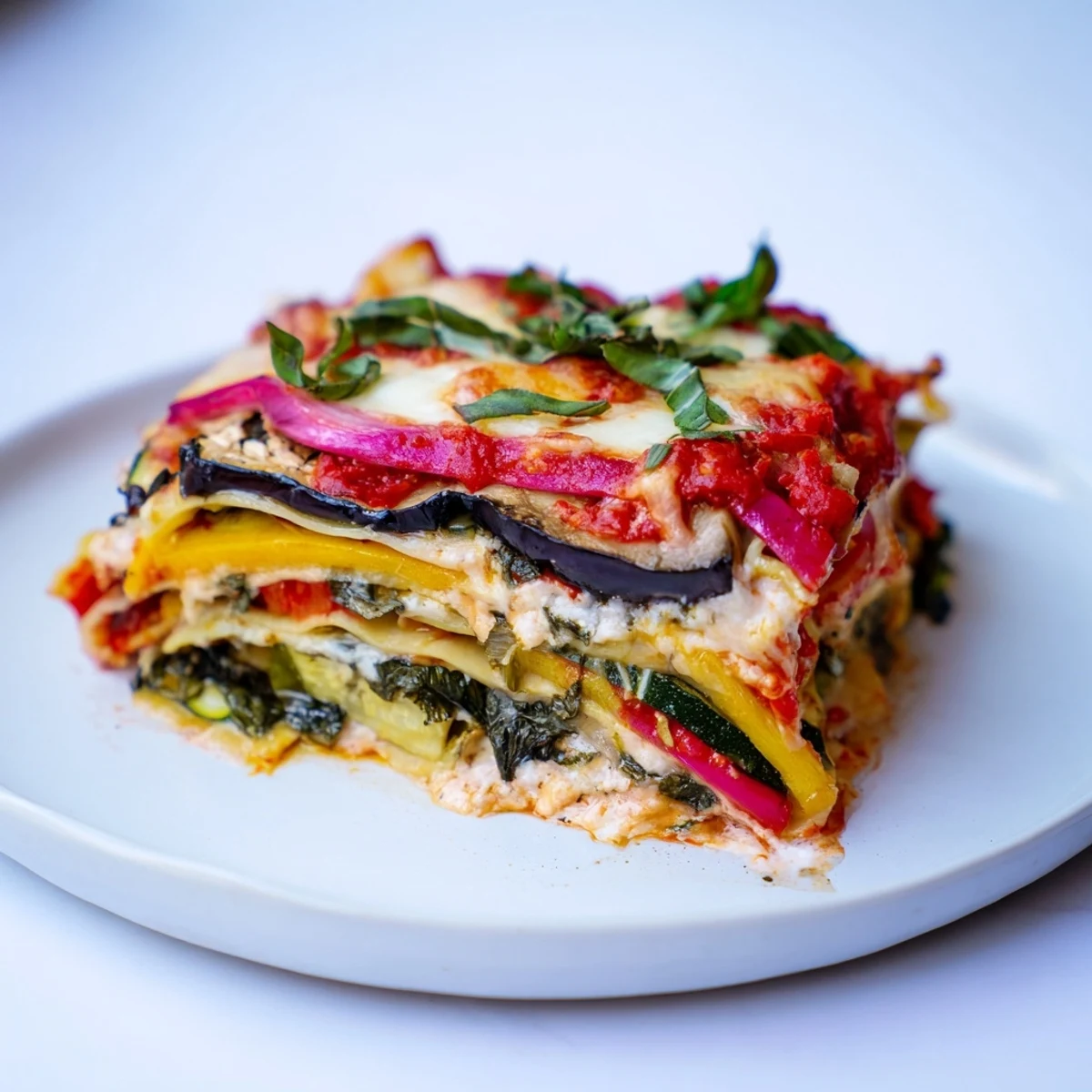
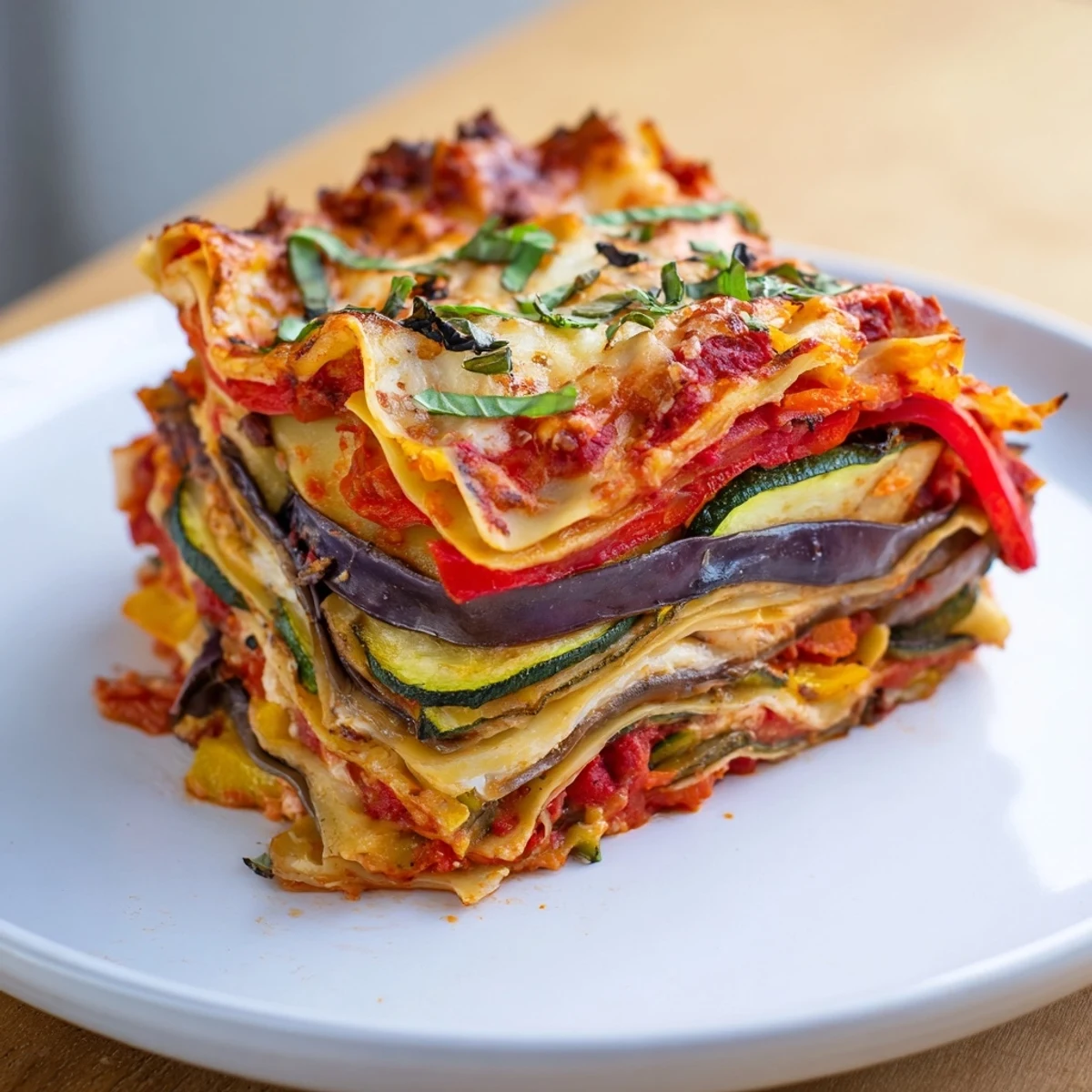
 This layered Italian bake combines tender oven-roasted zucchini, eggplant, and bell peppers with creamy ricotta, Parmesan, and mozzarella cheeses. A tangy marinara sauce adds brightness while fresh basil enhances aromas. The lasagna noodles hold the flavorful layers together, baked until golden and bubbly. Ideal for a comforting, satisfying vegetarian meal, this dish pairs beautifully with a crisp green salad and fresh garlic bread. Preparation involves roasting vegetables, mixing cheeses, and layering with sauce before baking to perfection.
I remember the first time I made roasted vegetable lasagna on a crisp autumn evening when my sister called to say she'd become vegetarian. Instead of panicking about what to cook, I found myself roasting a rainbow of vegetables in my kitchen, their edges turning golden and caramelized. That night, as we pulled a bubbling, cheesy masterpiece from the oven, she smiled and said it was better than any meat lasagna she'd ever had. From that moment on, this dish became my go-to when I want to prove that vegetarian cooking isn't about what you're missing—it's about celebrating flavors that shine all on their own.
I'll never forget my brother-in-law's face when he took his first bite and then immediately asked for seconds. He'd been skeptical about the whole vegetarian thing until that lasagna proved him wrong. Watching someone genuinely enjoy food without meat made me realize how transformative the right combination of flavors and textures truly is.
Ingredients
- Zucchini and eggplant: These become tender and creamy when roasted, absorbing all that good olive oil. Slice them evenly so they cook at the same rate—I learned this after rescuing some blackened slices from the bottom of the pan.
- Bell peppers (red and yellow): The sweetness develops beautifully in the oven, giving you natural flavor without any added sugar. Mix colors for that gorgeous visual appeal that makes people want to dig in immediately.
- Red onion: Don't skip this—it brings a subtle sharpness that balances all the richness to come. Trust me on this one.
- Olive oil and Italian herbs: Quality matters here since these are the foundation of your roasted vegetables' flavor. I use good olive oil because you actually taste it at this stage.
- Ricotta cheese: The egg is your secret ingredient here—it helps everything bind together while keeping that creamy texture. If ricotta seems too bland on its own, that's okay; the other ingredients are about to wake it up.
- Parmesan and mozzarella: Parmesan brings the punch, mozzarella brings the stretch. Together they're unstoppable. Don't even think about using pre-shredded cheese from the green can—fresh shredded makes a real difference.
- Fresh basil: If you have it, use it. If not, dried basil works, but fresh basil added right before baking keeps that herbaceous brightness that makes people say 'wow, what is that flavor?'
- Lasagna noodles: No-boil noodles are a time saver and honestly, they work just as well as traditional ones once they're nestled in with all that sauce and moisture.
- Marinara sauce: Use your favorite store-bought version or homemade if you have it. This is not the place to skimp—good sauce makes good lasagna.
Instructions
- Get Your Oven Ready:
- Preheat to 220°C (425°F) and line your baking sheets with parchment paper. This matters because it makes cleanup infinitely easier and prevents sticking. Line two sheets because you want your vegetables to have breathing room, not crowded on top of each other.
- Prep Your Rainbow:
- Slice your zucchini and eggplant into quarter-inch rounds—consistent thickness is your friend here. Cut your bell peppers into hearty strips and slice that red onion into thick pieces so they don't disappear into the pan. Take a moment to admire the colors; you're about to make something beautiful.
- Season and Toss:
- Drizzle everything generously with olive oil, then sprinkle with Italian herbs, salt, and pepper. Use your hands to toss it all together; it's the best way to make sure every piece gets coated. Don't be shy with the seasoning—roasted vegetables need bold flavoring.
- Let Them Roast:
- Spread them out in a single layer on your prepared baking sheets and slide them into the oven. After about 12-13 minutes, flip everything over. You're looking for tender vegetables with golden-brown edges, which takes about 20-25 minutes total. If some pieces are done earlier, that's okay—pull them out and let the rest finish.
- Temperature Adjustment:
- Once your vegetables are done, reduce the oven temperature to 180°C (350°F). This is important because lasagna bakes slower and gentler than roasting.
- Cook Your Noodles (If Needed):
- If you're using traditional lasagna noodles, cook them now according to package instructions, then drain and lay them flat on a clean kitchen towel. If you're using no-boil noodles, skip this step and let the sauce do the hydrating work.
- Build Your Cheese Mixture:
- In a mixing bowl, combine your ricotta, egg, Parmesan, one cup of mozzarella, basil, salt, and pepper. Mix it until it's creamy and well combined. This mixture is the soul of your lasagna, so don't rush this step.
- Create the Foundation:
- Spread about half a cup of marinara sauce on the very bottom of your baking dish. This prevents sticking and gives you a flavor base.
- First Layer:
- Lay down three noodles, breaking pieces to fit if needed. Spread one-third of your ricotta mixture over the noodles, then arrange one-third of your roasted vegetables on top, then another third of your remaining marinara sauce. It's like building edible architecture.
- Repeat the Magic:
- Do this exact same layering two more times: noodles, ricotta, vegetables, sauce. You're creating structure and flavor in every level.
- The Finishing Touch:
- Top with your final three noodles, the remaining marinara sauce, and that reserved cup of mozzarella spread across the top. This cheese will become golden, bubbling, and absolutely irresistible.
- The Covered Bake:
- Cover your dish with foil and slide it into the 180°C (350°F) oven for 25 minutes. The foil traps steam and prevents the cheese from browning too quickly.
- The Uncovered Finish:
- Remove the foil carefully (steam is hot!) and bake for another 15-20 minutes until the cheese is golden and bubbling at the edges. You'll know it's done when it smells absolutely incredible and the edges are slightly browned.
- The Hardest Part—Waiting:
- Let it rest for 10 minutes before slicing. I know it's torture, but this resting period lets everything set so your slices stay intact instead of falling apart on the plate.
 Save to Pinterest
 I think about the dinner party where a guest who swore they could never eat vegetarian came back into the kitchen asking for the recipe. That moment reminded me that food is a language all its own, and sometimes the most powerful conversations happen over a perfectly baked lasagna shared with people you care about.
Why Roasted Vegetables Make All the Difference
The magic of this lasagna happens in those first 20 minutes in the oven. Unlike raw vegetables that can taste watery and bland in a baked dish, roasting concentrates their natural sugars and creates caramelization that adds depth and richness. The zucchini becomes silky, the eggplant turns creamy, and the peppers develop this sweet complexity that no amount of sauce alone could achieve. I've tried making this lasagna with raw vegetables and it just doesn't have the same soul. When you roast first, you're not just cooking—you're transforming.
The Cheese: Where Comfort Lives
There's something about the combination of ricotta, mozzarella, and Parmesan that just feels like a warm hug on a plate. Ricotta is creamy and mild, mozzarella provides that stretchy, melty quality we all crave, and Parmesan adds a sharp, sophisticated edge. The egg in the ricotta mixture is what holds it all together—literally and figuratively. That binding helps keep every layer intact when you cut your slice, rather than having the cheese mixture slide around. I learned to add the egg only after my first few attempts resulted in what looked more like a cheese avalanche than a neat slice of lasagna.
Layering Like You Mean It
Some people think layering is just about stacking things, but it's really about balance and distribution. You want every bite to have noodles, vegetables, cheese, and sauce in harmony. If you skimp on vegetables in one layer, you'll have a bite that's all cheese and noodle. If you go heavy-handed with sauce, you'll end up with a watery dish. The key is consistency—use roughly the same amount of each component in each layer so that whether someone eats a corner piece or a center slice, they get the full experience.
- Make sure your noodles slightly overlap so they support the weight above them without gaps.
- Break noodles to fit your dish rather than leaving empty spaces—every inch of baking dish should contribute to the final result.
- If you're using traditional noodles instead of no-boil, lay them flat to cool so they're easier to work with and don't tear when you layer.
 Save to Pinterest
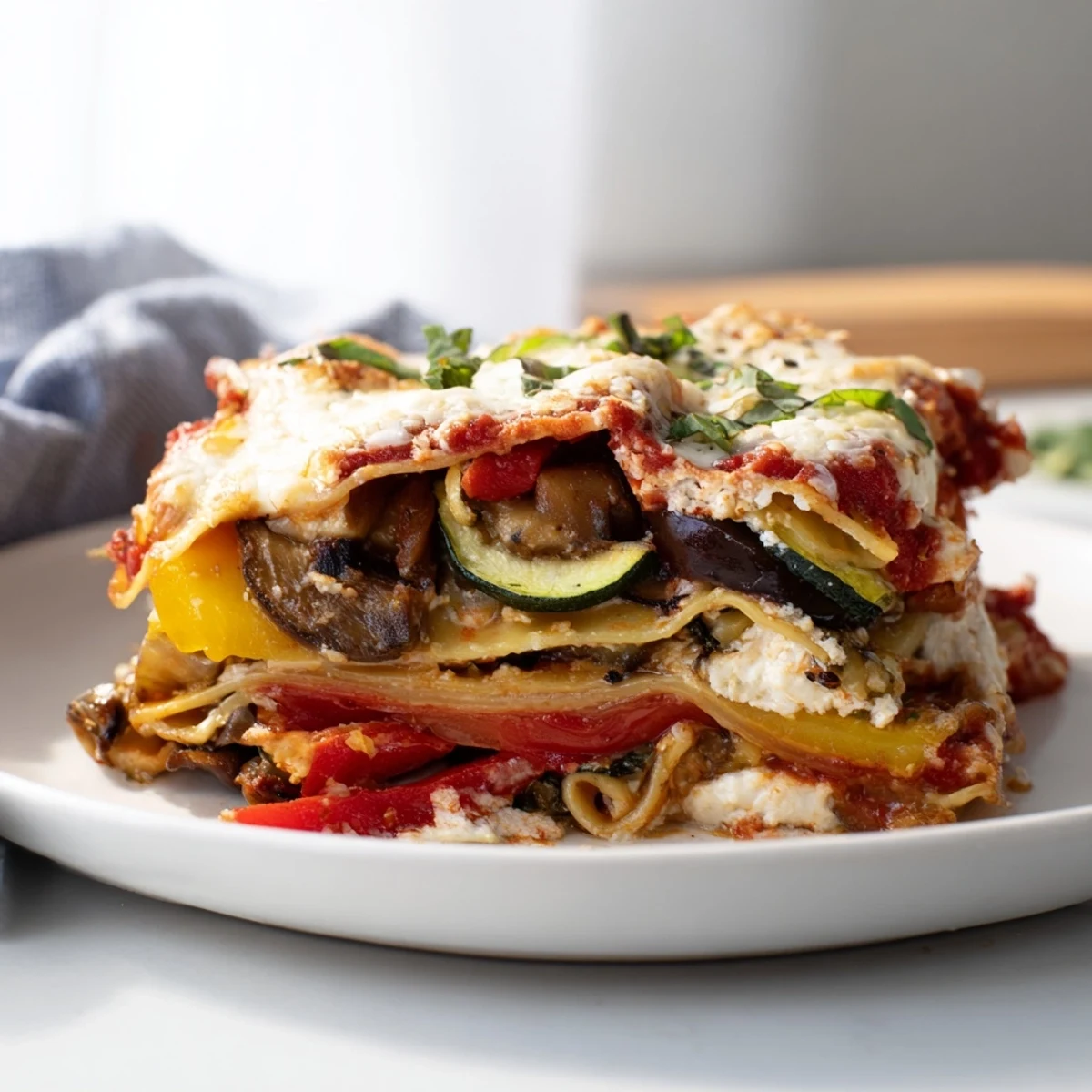
 This lasagna has become my answer to 'what should we cook?' on nights when we want something hearty and satisfying that happens to be vegetarian. It's a dish that proves vegetables aren't the side story—they're the main event.
Recipe Questions & Answers
- → How do I roast the vegetables perfectly?
-
Sliced zucchini, eggplant, bell peppers, and onion are tossed with olive oil, Italian herbs, salt, and pepper, then roasted at 220°C (425°F) for 20–25 minutes until tender and lightly browned, flipping halfway through.
- → Can I use no-boil noodles for this dish?
-
Yes, no-boil lasagna noodles can be used to simplify preparation. If using regular noodles, cook according to package directions before assembling.
- → What cheese combination is used in the layers?
-
The cheese mixture includes ricotta, egg, grated Parmesan, shredded mozzarella, and fresh or dried basil, creating a creamy and flavorful filling.
- → How long should the dish rest after baking?
-
Allow the dish to rest for about 10 minutes after baking to let the layers set, making it easier to slice and serve.
- → Are there vegetarian considerations for the cheeses used?
-
Check that Parmesan and other cheeses are suitable for vegetarians, as some may contain animal rennet. Cottage cheese can be substituted for ricotta if preferred.
- → What are some suggested pairings with this bake?
-
This comforting main is delicious alongside a crisp green salad and garlic bread. For drinks, Chianti or Pinot Noir wine complements the flavors well.